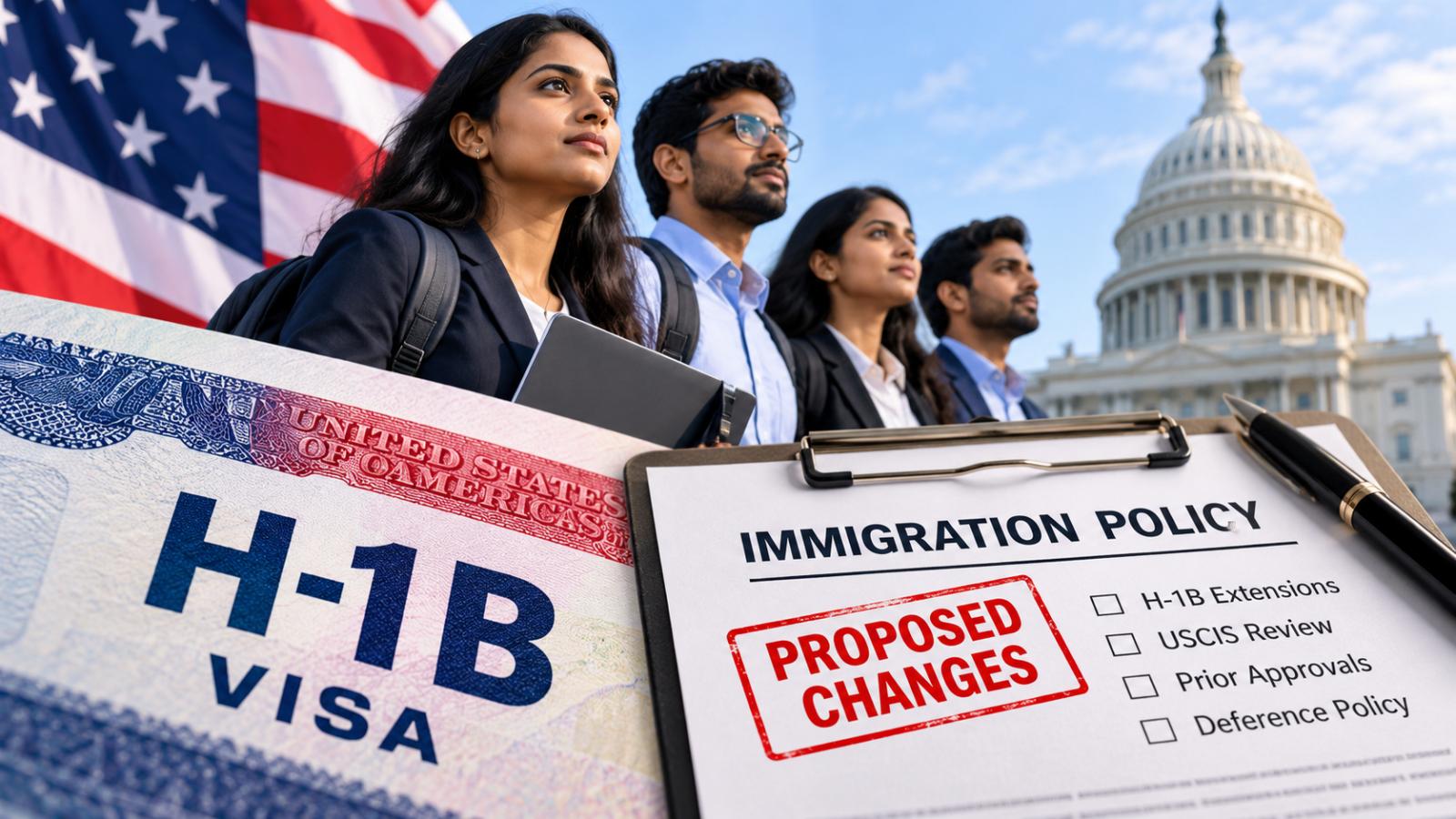
The US H-1B extension rule change proposed by DHS could remove the policy requiring USCIS officers to defer to earlier approvals. Indian workers and employers may face closer reviews, additional documentation and renewal delays if the proposal becomes final.
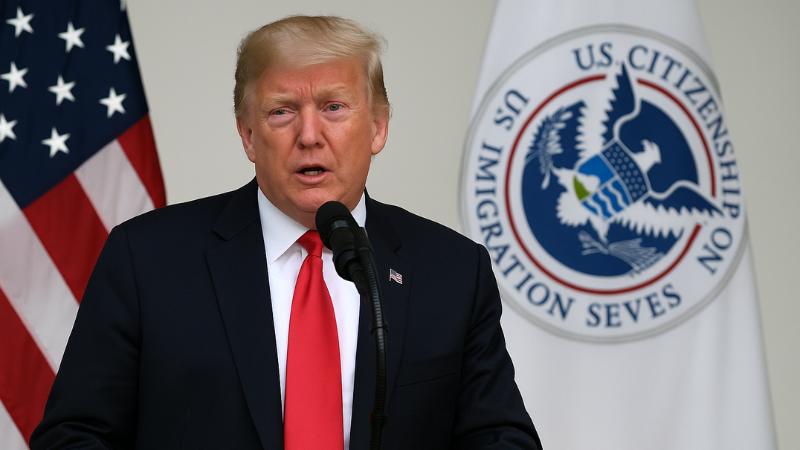
The United States has proposed removing a policy that gives weight to earlier approvals when reviewing H-1B and other employment-based visa petitions. The change could subject Indian professionals seeking extensions to closer scrutiny, even when their employment circumstances remain unchanged.
The Department of Homeland Security (DHS) published the proposal in the Federal Register on Wednesday, October 14, 2026. The rule has not been finalized.
What is the H-1B deference policy?
Under existing regulations, U.S. Citizenship and Immigration Services (USCIS) generally defers to a previous eligibility determination when reviewing Form I-129 petitions involving the same employer, worker and underlying facts.
Exceptions apply when there is a material error, a significant change in circumstances or new information affecting eligibility.
The policy was reinstated in 2021 and formally incorporated into federal regulations in December 2024.
What could change under the USCIS extension rules?
DHS proposes removing the requirement to give deference to previous approvals. Immigration officers could reassess eligibility without beginning from the assumption that an earlier decision should stand.
Previous approvals could still be considered, but would no longer receive mandatory deference.
DHS expects additional Requests for Evidence (RFEs), potentially increasing documentation requirements, processing burdens and costs for employers.
Why Indian H-1B workers could be affected
Indian professionals account for a substantial share of H-1B employment in the United States.
According to USCIS data cited by Business Today, approximately 226,000 H-1B petitions for Indian-born beneficiaries were approved for continuing employment in fiscal year 2025, representing 77.6% of approvals in that category.
Greater scrutiny of extension petitions could affect workers seeking continued employment authorization and companies sponsoring their petitions.
Why DHS wants to remove the policy
DHS argues that mandatory deference may discourage officers from fully examining current eligibility and identifying errors in earlier decisions.
The agency says removing the requirement would strengthen immigration oversight and reinforce employers' responsibility to establish eligibility.
However, its regulatory analysis does not establish that eliminating deference would necessarily increase final denial rates.
What happens next?
The proposal is open for public comments through November 13, 2026. DHS must consider the rulemaking process before determining whether to adopt a final regulation.
Until any final change takes effect, the existing deference requirement remains in place. Indian professionals and sponsoring employers therefore face a potential procedural change rather than an immediate cancellation of previously approved H-1B petitions.