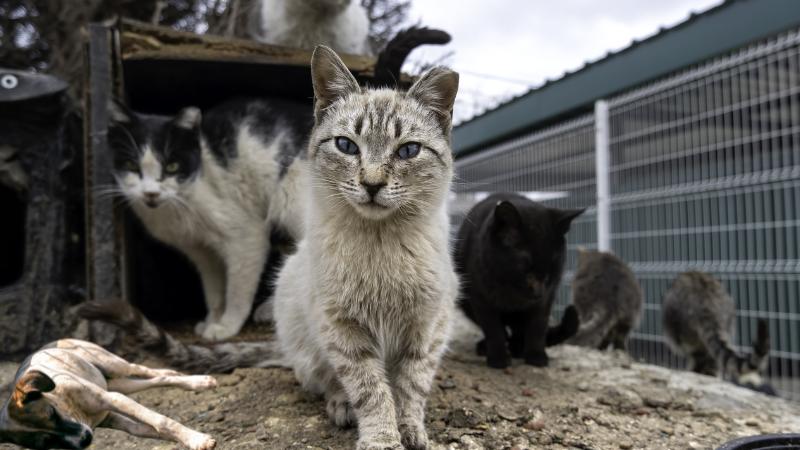
The origins of the crisis lie in the early pandemic period when people, confined to their homes, sought companionship by adopting pets. At the time, shelter populations plummeted as adoptions surged and animals were quickly placed in homes. However, an important aspect of pet care—spay and neuter services—was put on hold or scaled back drastically due to public health restrictions. This disruption in sterilization services created a ripple effect that is now fully visible across San Francisco and beyond.
Experts estimate that more than two million spay and neuter procedures were missed during the pandemic. This gap has led to widespread accidental breeding, producing multiple generations of puppies and kittens that shelters are now struggling to accommodate. In the past, shelters in San Francisco reached capacity occasionally, perhaps a few times each year. Now, overcrowding occurs several times every month, signaling a persistent and worsening problem.
The consequences of such consistent overcrowding go beyond lack of space. Shelters work hard to care for their animals and ensure they find homes, but the prolonged stress of shelter life often leads to behavioral decline in animals who are not adopted quickly. While euthanasia is generally limited to pets with severe medical or behavioral issues, some shelters are forced to make difficult choices when no alternative placements exist, and an animal’s quality of life begins to deteriorate.
This situation has been compounded by reduced support from rescue partners. In previous years, these groups would take in hundreds of animals from city shelters, alleviating the strain on public facilities and increasing adoption chances. Today, however, many of these groups are redirecting their efforts to rural regions and other parts of the state where pet overpopulation is even more severe. As a result, San Francisco shelters are receiving significantly less assistance, making it more difficult to manage the current crisis.
Additionally, the shelter system includes a "custody" program that offers temporary housing for pets whose owners are unable to care for them due to hospitalization, incarceration, or death. While these services provide critical support to vulnerable community members, they also reduce the number of spaces available for adoptable pets. The combined effect is a system under relentless pressure, trying to do more with fewer resources and less room.
Residents in the city are increasingly aware of the problem. Many have observed a rise in the number of dogs without homes and are questioning how so many animals ended up in need. There is growing concern that some individuals adopted pets during the pandemic without fully understanding the long-term responsibilities involved. While the decision may have been made in a moment of loneliness or emotional need, the long-term implications are playing out now across the city’s overcrowded shelters.
Animal welfare officials are urging those who are thinking about getting a pet to begin by visiting their local shelters. Even if someone doesn’t find the perfect companion on their first visit, they can gain a better understanding of the animals in need and possibly consider fostering. Fostering gives animals a break from the shelter, improves their chances of long-term adoption, and temporarily opens up space for others in urgent need of shelter care.
Efforts to address the root of the problem are also underway. Increasing access to spay and neuter services is one of the most important steps in preventing future waves of pet overpopulation. Community support for affordable sterilization programs is essential, and pet owners are encouraged to take action to ensure their animals are spayed or neutered. In the long run, preventing unwanted litters is more effective and humane than dealing with the consequences of overpopulation.
What initially seemed like a positive trend during the pandemic—an increase in pet adoptions—has unfortunately resulted in an ongoing challenge that will require collective action and responsibility. The city must reckon with the aftershocks of those pandemic-era choices and work together to avoid continued tragedy. Shelter overcrowding has moved beyond a logistical issue and become a life-and-death concern for thousands of innocent animals.
San Francisco’s shelter system cannot solve this crisis alone. Greater community involvement, including increased adoptions, fostering, donations, and volunteerism, is needed to restore balance and dignity to the lives of the animals that depend on these facilities for survival. Every adoption or foster home opens up space and provides relief. Each responsible pet owner who spays or neuters their animal helps prevent future suffering.
In this moment of crisis, the fate of countless pets rests in the hands of the public. For those who are able and willing, visiting a local shelter might just change two lives—theirs and a pet’s—for the better.