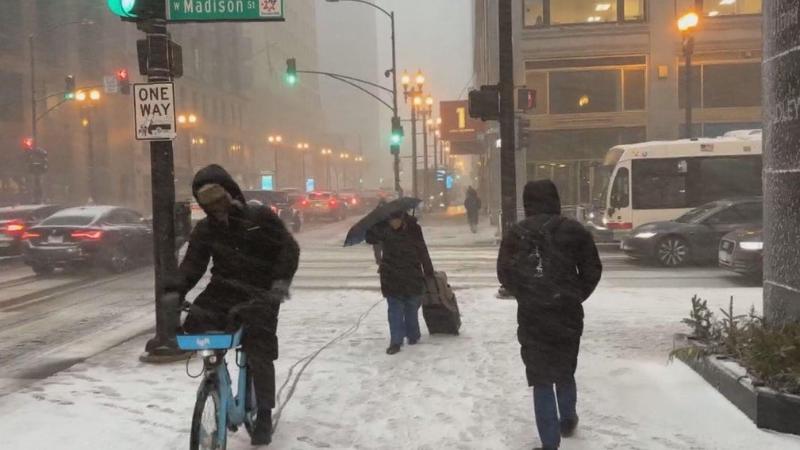
A snow squall warning was issued for parts of the Chicago metropolitan area during the morning rush hour as drivers encountered rapidly worsening conditions marked by near whiteout visibility and sudden bursts of heavy snow. Visibility dropped sharply across several locations, creating hazardous travel conditions in a matter of minutes. Officials urged motorists to delay travel whenever possible as the fast-moving system swept through the region during peak commute hours.
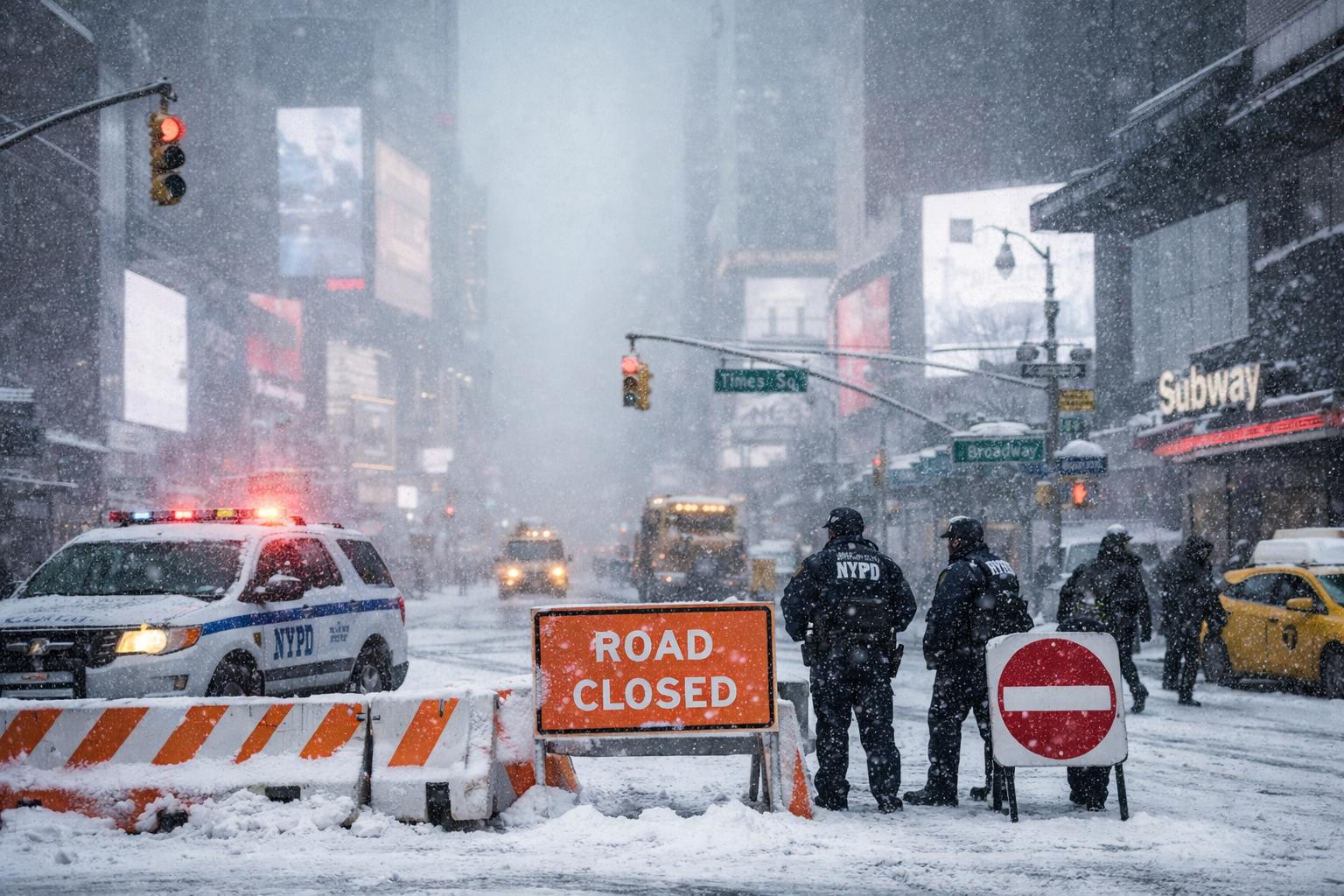
Weather authorities reported that conditions deteriorated quickly across the southern Chicago metro area as strong winds combined with intense snowfall. Major highways, including I-57 and I-65, became extremely difficult to navigate due to blowing snow and rapidly falling visibility. Officials warned that even short trips could turn dangerous without warning, particularly when traffic volumes were high and reaction time was limited.
Earlier in the morning, a narrow but powerful snow squall developed along a line extending across portions of northeastern Illinois and northwestern Indiana. The system produced intense bursts of heavy snow along with wind gusts reaching up to 50 miles per hour. These conditions caused blowing snow, rapidly reducing visibility and making it difficult for drivers to see lane markings, nearby vehicles, or roadway hazards.
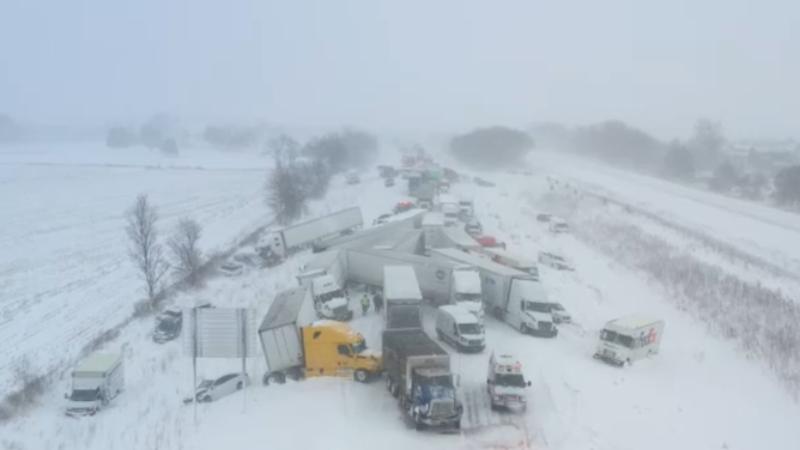
Officials cautioned that travel can become difficult and potentially dangerous within minutes during a snow squall. Unlike prolonged winter storms, snow squalls strike suddenly and can quickly turn clear or wet roads into slick, icy surfaces. The abrupt onset often catches drivers off guard, increasing the risk of multi-vehicle crashes and large traffic pileups.
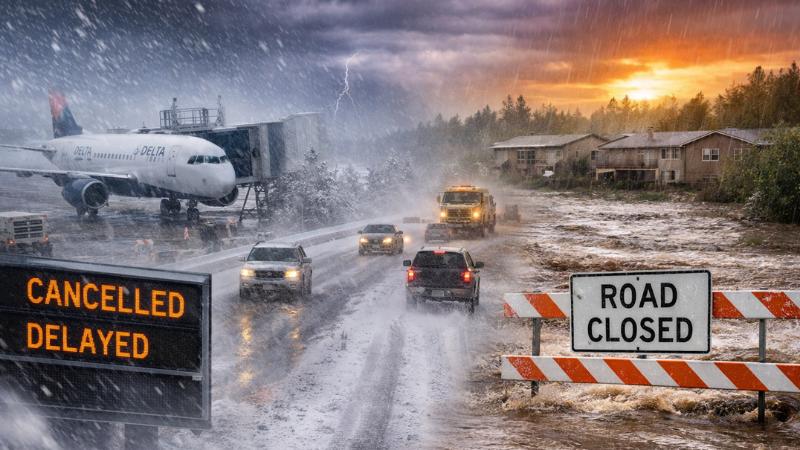
Snow squall warnings were issued for several counties in Illinois and Indiana, with officials noting that intense snowfall could impact interstates and major transportation routes. Air travel was also affected, with temporary operational restrictions implemented at a major Chicago-area airport due to reduced visibility and safety concerns. The warnings were scheduled to remain in effect for a short period, reflecting the brief but severe nature of snow squalls.
So what exactly is a snow squall? Weather experts define it as a short but extremely intense burst of snow accompanied by strong, gusty winds. These events can produce whiteout or near whiteout conditions and are considered one of the most dangerous winter weather hazards for motorists. Snow accumulation is usually limited, but the sudden loss of visibility and rapid road icing significantly increase accident risks.
Forecasters emphasize that snow squalls have a long history of causing serious and sometimes deadly traffic accidents. Although snowfall amounts are often an inch or less, the combination of gusty winds, falling temperatures, and sudden visibility reductions can lead to high-speed collisions and large pileups. Drivers who exit their vehicles during these events face added danger, as approaching motorists may be unable to see them in time to stop.
Snow squall warnings typically cover small, targeted areas and are usually in effect for 30 to 60 minutes. They are designed to function similarly to tornado or severe thunderstorm warnings by providing urgent notice of immediate danger. The goal is to increase situational awareness and encourage drivers to take protective action until conditions improve.
Officials continue to urge residents under a snow squall warning to take the alert seriously. Avoiding travel, slowing down, increasing following distance, and remaining inside vehicles if caught in traffic are key safety measures. While snow squalls are brief, their impact can be severe, highlighting the importance of heeding warnings during rapidly changing winter weather.
Weather authorities reported that conditions deteriorated quickly across the southern Chicago metro area as strong winds combined with intense snowfall. Major highways, including I-57 and I-65, became extremely difficult to navigate due to blowing snow and rapidly falling visibility. Officials warned that even short trips could turn dangerous without warning, particularly when traffic volumes were high and reaction time was limited.
Earlier in the morning, a narrow but powerful snow squall developed along a line extending across portions of northeastern Illinois and northwestern Indiana. The system produced intense bursts of heavy snow along with wind gusts reaching up to 50 miles per hour. These conditions caused blowing snow, rapidly reducing visibility and making it difficult for drivers to see lane markings, nearby vehicles, or roadway hazards.
Officials cautioned that travel can become difficult and potentially dangerous within minutes during a snow squall. Unlike prolonged winter storms, snow squalls strike suddenly and can quickly turn clear or wet roads into slick, icy surfaces. The abrupt onset often catches drivers off guard, increasing the risk of multi-vehicle crashes and large traffic pileups.
Snow squall warnings were issued for several counties in Illinois and Indiana, with officials noting that intense snowfall could impact interstates and major transportation routes. Air travel was also affected, with temporary operational restrictions implemented at a major Chicago-area airport due to reduced visibility and safety concerns. The warnings were scheduled to remain in effect for a short period, reflecting the brief but severe nature of snow squalls.
So what exactly is a snow squall? Weather experts define it as a short but extremely intense burst of snow accompanied by strong, gusty winds. These events can produce whiteout or near whiteout conditions and are considered one of the most dangerous winter weather hazards for motorists. Snow accumulation is usually limited, but the sudden loss of visibility and rapid road icing significantly increase accident risks.
Forecasters emphasize that snow squalls have a long history of causing serious and sometimes deadly traffic accidents. Although snowfall amounts are often an inch or less, the combination of gusty winds, falling temperatures, and sudden visibility reductions can lead to high-speed collisions and large pileups. Drivers who exit their vehicles during these events face added danger, as approaching motorists may be unable to see them in time to stop.
Snow squall warnings typically cover small, targeted areas and are usually in effect for 30 to 60 minutes. They are designed to function similarly to tornado or severe thunderstorm warnings by providing urgent notice of immediate danger. The goal is to increase situational awareness and encourage drivers to take protective action until conditions improve.
Officials continue to urge residents under a snow squall warning to take the alert seriously. Avoiding travel, slowing down, increasing following distance, and remaining inside vehicles if caught in traffic are key safety measures. While snow squalls are brief, their impact can be severe, highlighting the importance of heeding warnings during rapidly changing winter weather.