As summer winds down in Columbus, hundreds of youth programs funded by city tax dollars are completing their seasonal activities, preparing children to transition back to school. Among the many initiatives, one in particular has left a deep and personal impact on its participants: the summer youth program run by Our Brother's Keeper. For 12-year-old Christopher Kemper, the experience was transformative, offering him guidance and support he had never previously encountered. He reflected on his past, explaining how he had always been forced to fend for himself without anyone extending a helping hand, and how the program had completely changed his life.
Our Brother's Keeper is part of a network of more than 200 community groups and city agencies that collectively received over $28 million in city funding this year. The primary aim of this investment is to keep young people engaged in positive activities while steering them away from the risks of gun violence. Founder Wes Moore described the profound changes he observed in the children over the course of the summer, recalling how many initially arrived shy, cautious, and unsure of their surroundings. In time, they began to feel secure, developing what Moore calls a safe haven. Their communication skills improved, their vocabulary expanded, and their manners became noticeably better, illustrating the program’s success in creating a supportive environment.
This summer, 65 children participated in activities at Our Brother's Keeper. However, not all young people in Columbus in 2025 are finding such positive outlets. Recent statistics from the Columbus Division of Police show that while overall homicides are down about 17 percent compared to last year, there has been a troubling increase in juvenile homicide charges. So far this year, 15 individuals aged 17 and under have been charged with homicide, a sharp rise from the 10 juveniles charged during the same period in 2024. This growing concern underscores the need for proactive engagement, which Moore believes should start at a younger age. He explained that by reaching children as young as seven, eight, or nine years old, communities can prevent the kind of behavior that leads to violence later in life.
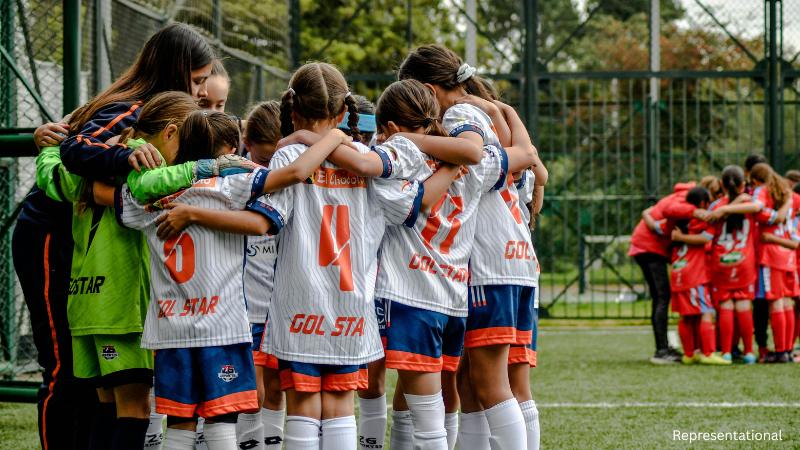
Unfortunately, the increase in serious juvenile offenses has occurred during a time when both federal and local funding for youth programs has been reduced. The financial strain has already forced some initiatives to shut down. For example, the Hilltop’s MYProject USA recently suspended its long-running and award-winning Hilltoppers Youth Soccer program due to budget shortfalls. Founder Zerqa Abid expressed deep concern over the situation, explaining that without such programs, many of the young people they have worked with over the years could easily be drawn back toward dangerous influences.
Despite these challenges, organizations like Our Brother's Keeper and My Project USA remain committed to their mission. Plans are underway to launch after-school programs in the coming months, aiming to continue providing safe spaces for children and teenagers. As the new school year approaches, participants like Kemper carry with them more than just memories of summer activities; they have gained new perspectives and life skills. Kemper shared that the program changed not only how he sees the world but also what he believes is possible for his own future. In a city grappling with both hope and hardship, these programs serve as a reminder that early intervention, consistent mentorship, and community support can profoundly alter the path of a young person’s life.