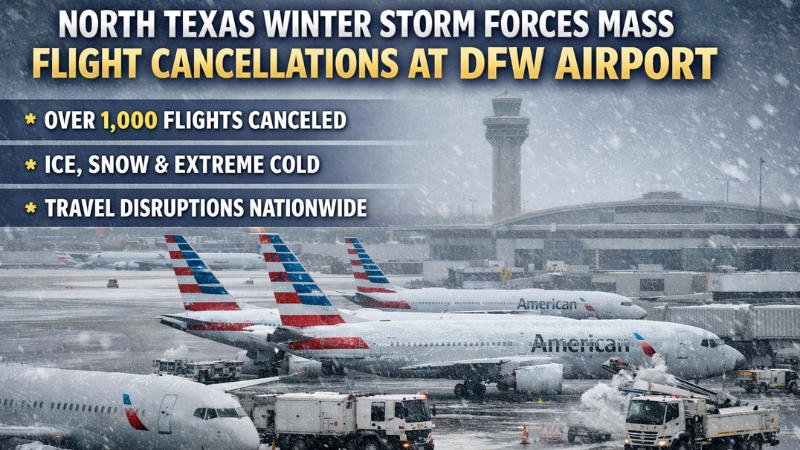
Dallas-Fort Worth International Airport is leading the United States in flight disruptions as North Texas prepares for a powerful winter storm bringing snow, ice and dangerously cold temperatures. Airlines operating in the region have proactively reduced flight schedules as a Winter Storm Warning and an Extreme Cold Warning remain in effect. The developing weather system is expected to significantly impact air travel through the weekend, prompting widespread cancellations across the region’s two major airports.
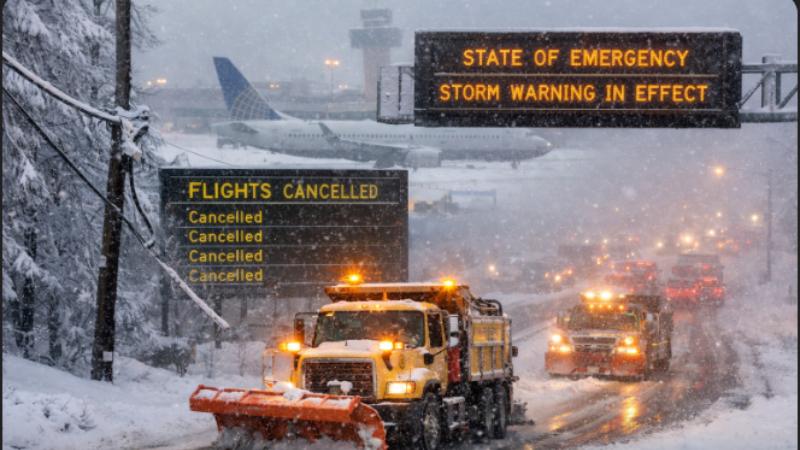
More than 1,000 flights scheduled through Friday and Saturday have already been canceled at Dallas-Fort Worth International Airport and Dallas Love Field combined, placing North Texas at the top nationwide for aviation disruptions. Airport authorities and airline operators have urged travelers to reconsider non-essential travel plans and to closely monitor flight updates, warning that conditions could worsen rapidly as the storm strengthens later in the day.
The heaviest impacts are expected after 6 p.m. Friday, when rain is forecast to transition into freezing rain and ice. Weather officials caution that even minimal ice accumulation can create dangerous conditions for aircraft operations, airport surfaces and ground transportation. Icy runways and taxiways reduce braking efficiency and visibility, often forcing airlines to halt departures and arrivals to maintain safety.
Carriers with major operations in North Texas have been among the most affected, with hundreds of flights already removed from schedules through Saturday. These cancellations are aimed at repositioning aircraft and crews ahead of the storm while minimizing the risk of stranded passengers once conditions deteriorate. Travel waivers have been issued, allowing customers to rebook flights without penalty as weather-related disruptions continue.
Passengers planning to travel through Dallas-area airports are being strongly advised to rebook flights or confirm their status using airline mobile applications or customer service platforms before leaving home. Officials warn that additional cancellations and delays may be announced on short notice as temperatures drop and icy precipitation spreads across the region.
In addition to snow and ice, North Texas is expected to experience record-breaking cold, which could further slow recovery efforts even after precipitation ends. Extremely low temperatures can affect aircraft systems, fueling operations and ground equipment, extending delays and complicating efforts to restore normal schedules.
Road conditions across the region are also expected to deteriorate, making travel to and from airports increasingly hazardous. Transportation agencies are preparing for icy highways and bridges, urging residents to avoid unnecessary travel during the peak of the storm. Emergency services remain on heightened alert as freezing conditions increase the risk of power outages and infrastructure disruptions.
Airport and airline officials emphasize that safety remains the top priority, and proactive cancellations are intended to reduce congestion and prevent travelers from becoming stranded during severe weather. Travelers are encouraged to remain flexible with their plans, stay informed through official weather updates and prepare for continued disruptions throughout the weekend.
With Dallas-Fort Worth International Airport serving as one of the busiest aviation hubs in the country, disruptions in North Texas are expected to ripple across the national air travel network. The scale of cancellations highlights the broader impact of the winter storm, which could affect flight schedules and travel plans well beyond the region in the days ahead.
More than 1,000 flights scheduled through Friday and Saturday have already been canceled at Dallas-Fort Worth International Airport and Dallas Love Field combined, placing North Texas at the top nationwide for aviation disruptions. Airport authorities and airline operators have urged travelers to reconsider non-essential travel plans and to closely monitor flight updates, warning that conditions could worsen rapidly as the storm strengthens later in the day.
The heaviest impacts are expected after 6 p.m. Friday, when rain is forecast to transition into freezing rain and ice. Weather officials caution that even minimal ice accumulation can create dangerous conditions for aircraft operations, airport surfaces and ground transportation. Icy runways and taxiways reduce braking efficiency and visibility, often forcing airlines to halt departures and arrivals to maintain safety.
Carriers with major operations in North Texas have been among the most affected, with hundreds of flights already removed from schedules through Saturday. These cancellations are aimed at repositioning aircraft and crews ahead of the storm while minimizing the risk of stranded passengers once conditions deteriorate. Travel waivers have been issued, allowing customers to rebook flights without penalty as weather-related disruptions continue.
Passengers planning to travel through Dallas-area airports are being strongly advised to rebook flights or confirm their status using airline mobile applications or customer service platforms before leaving home. Officials warn that additional cancellations and delays may be announced on short notice as temperatures drop and icy precipitation spreads across the region.
In addition to snow and ice, North Texas is expected to experience record-breaking cold, which could further slow recovery efforts even after precipitation ends. Extremely low temperatures can affect aircraft systems, fueling operations and ground equipment, extending delays and complicating efforts to restore normal schedules.
Road conditions across the region are also expected to deteriorate, making travel to and from airports increasingly hazardous. Transportation agencies are preparing for icy highways and bridges, urging residents to avoid unnecessary travel during the peak of the storm. Emergency services remain on heightened alert as freezing conditions increase the risk of power outages and infrastructure disruptions.
Airport and airline officials emphasize that safety remains the top priority, and proactive cancellations are intended to reduce congestion and prevent travelers from becoming stranded during severe weather. Travelers are encouraged to remain flexible with their plans, stay informed through official weather updates and prepare for continued disruptions throughout the weekend.
With Dallas-Fort Worth International Airport serving as one of the busiest aviation hubs in the country, disruptions in North Texas are expected to ripple across the national air travel network. The scale of cancellations highlights the broader impact of the winter storm, which could affect flight schedules and travel plans well beyond the region in the days ahead.