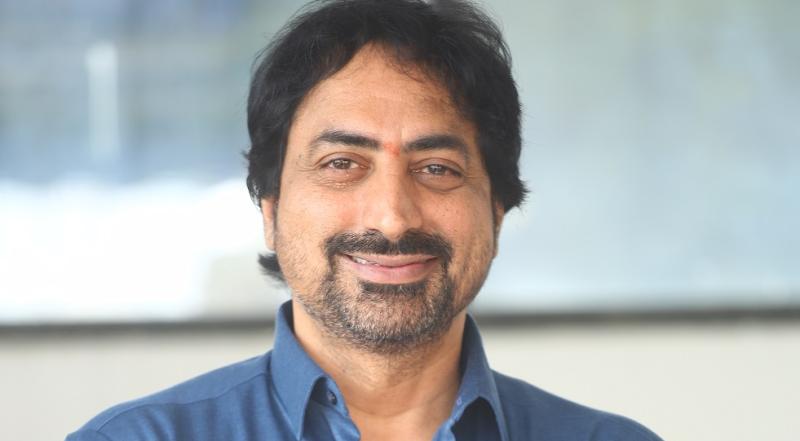
How did you come on board for Sitaare Zameen Par?
I had a 10-year plan to one day pitch something to Aamir sir. When this story came to me, it felt like a quintessential Aamir Khan film. He was the perfect actor and producer for it. I didn’t expect it so early in my journey, but I had to say yes.
Was there pressure given the legacy of Taare Zameen Par?
Absolutely. Pressure is a constant for filmmakers. But having Aamir sir by my side made it easier. He creates an environment of trust and support for his directors.
Why was it important to Indianise the film?
My family wouldn't watch it unless it felt relatable. The story of Champions is universal, but it needed emotional, cultural, and social context that resonated with Indian audiences. That's how the idea of Indianising it came about.
How was it working with neurodivergent actors?
It was incredible. We auditioned over 2,500 people and cast real enthusiasts. Their stamina and perfectionism were mind-blowing. There was so much joy and energy on set they reminded us of why we make films.
Did you always want to make a film on neurodivergence?
The thought came during a personal moment when my wife and I were expecting our first child and had to do a Down syndrome test. It made me reflect deeply. That stayed with me. When this project came, it all aligned.
How involved was Aamir Khan during the shoot?
Aamir sir is very empowering. He respects all departments and doesn’t micromanage. He gives you the freedom to make your film. But his presence, insights, and passion elevate everything.
What makes Aamir Khan unique as a collaborator?
He’s still an audience at heart he laughs, he cries. That keeps his work emotionally alive. He also trusts young talent and works without ego. It's rare and incredibly inspiring.
What was the biggest challenge in this film?
Balancing authenticity with entertainment. We were telling a story that needed honesty and sensitivity, especially with 80–90% of the cast being neurodivergent. But we also wanted it to be a feel-good, powerful story for all audiences.