Shah Rukh Khan Suggests Budget Theatres to Save Bollywood from Rising Ticket Costs
- 02 May 2025 06:37 AM
- ##Shah Rukh Khan ##Bollywood ##Indian cinema ##ticket prices ##Waves Summit 2025
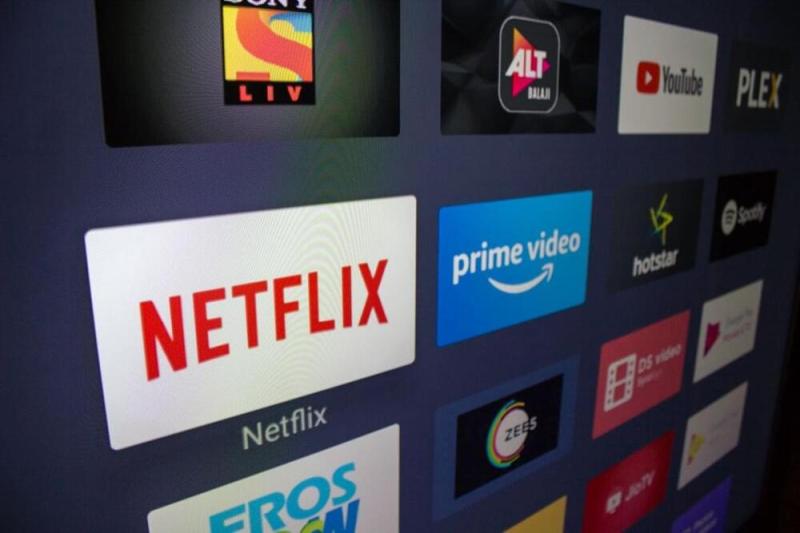
In the early 2000s, moviegoers could enjoy films at reasonable rates, with single-screen theatres catering to mass audiences. However, the rise of multiplex culture changed the landscape entirely. Today, watching a film in a decent multiplex can cost anywhere between ₹200 to ₹500 per ticket. When you add the price of food and parking, a simple movie outing can burn a hole in the pocket, especially for families and students. As a result, many have started opting for more affordable entertainment options such as OTT platforms or, unfortunately, piracy. This shift in consumer behavior has had a direct impact on Bollywood’s box office numbers. Even when filmmakers try to attract audiences with occasional ₹99 ticket offers or buy-one-get-one-free deals, the efforts have only produced temporary spikes in attendance. These short-term promotional tactics haven’t managed to reverse the declining trend in theatre visits. It’s clear that a more sustainable, long-term solution is required to bring audiences back to cinemas.
At the Waves Summit 2025, actor Shah Rukh Khan addressed this very concern and proposed a visionary solution that has sparked a conversation across the industry. As a guest speaker at the summit, he suggested that the industry must consider building budget-friendly single-screen theatres across towns in India. His proposal is rooted in simple logic not all films require premium viewing experiences, and pricing should reflect the film's scale and target audience.
According to Shah Rukh, many small-budget Indian films are being priced similarly to high-profile releases like Pushpa, RRR, or Kalki. This one-size-fits-all pricing model is both unfair and unsustainable. While audiences might be willing to pay ₹500 for a major blockbuster experience, they hesitate to do so for smaller films featuring lesser-known actors. These films, which might otherwise find appreciation, lose out due to inaccessible ticket pricing. Shah Rukh envisions basic single-screen theatres offering tickets under ₹100. Such venues could cater to the everyday moviegoer the students, daily wage workers, and middle-class families who have long been priced out of cinema halls. He emphasized that by reducing prices and building a grassroots-level infrastructure for cinema, Indian films across languages and genres could thrive, regardless of their budget or star power.
While the idea sounds promising, putting it into action poses several challenges. The Indian film industry is heavily controlled by a few large production and distribution houses that operate like monopolies. These stakeholders expect rapid returns on their investments, often looking to recover costs within the first week or two of a film’s release. In such an environment, the prospect of investing in low-cost, low-margin theatres might not appear lucrative. Moreover, building and maintaining theatres, even those with basic facilities, requires significant capital. The returns from ₹100 ticket prices may not appeal to big producers, especially when compared to the profits generated by multiplex chains. Additionally, there is a lack of government support or subsidies for creating public entertainment infrastructure, which adds another layer of difficulty.
Despite these hurdles, the idea is gaining traction, especially among filmmakers and film lovers who understand the cultural value of cinema. If implemented wisely, this model could create a more inclusive ecosystem where films of all sizes have a fighting chance at the box office. It could also reduce the dependency on OTT platforms and help combat piracy by offering a legal, affordable alternative.
Industry insiders suggest that a pilot program in a few small towns could be a good starting point. If successful, it might encourage more investors to join the movement. Local governments could also be involved to provide incentives or tax benefits to builders and operators of such budget theatres. In time, this initiative might create thousands of jobs and rejuvenate the local economies tied to cinema. The path ahead is not easy, but Shah Rukh Khan’s proposal is a reminder that the film industry can adapt and innovate. Instead of relying solely on flashy blockbusters and inflated ticket prices, it might be time to return to basics making cinema accessible to everyone. With the right collaboration and willpower, India’s love affair with the silver screen could be reignited, one affordable ticket at a time.