Plot
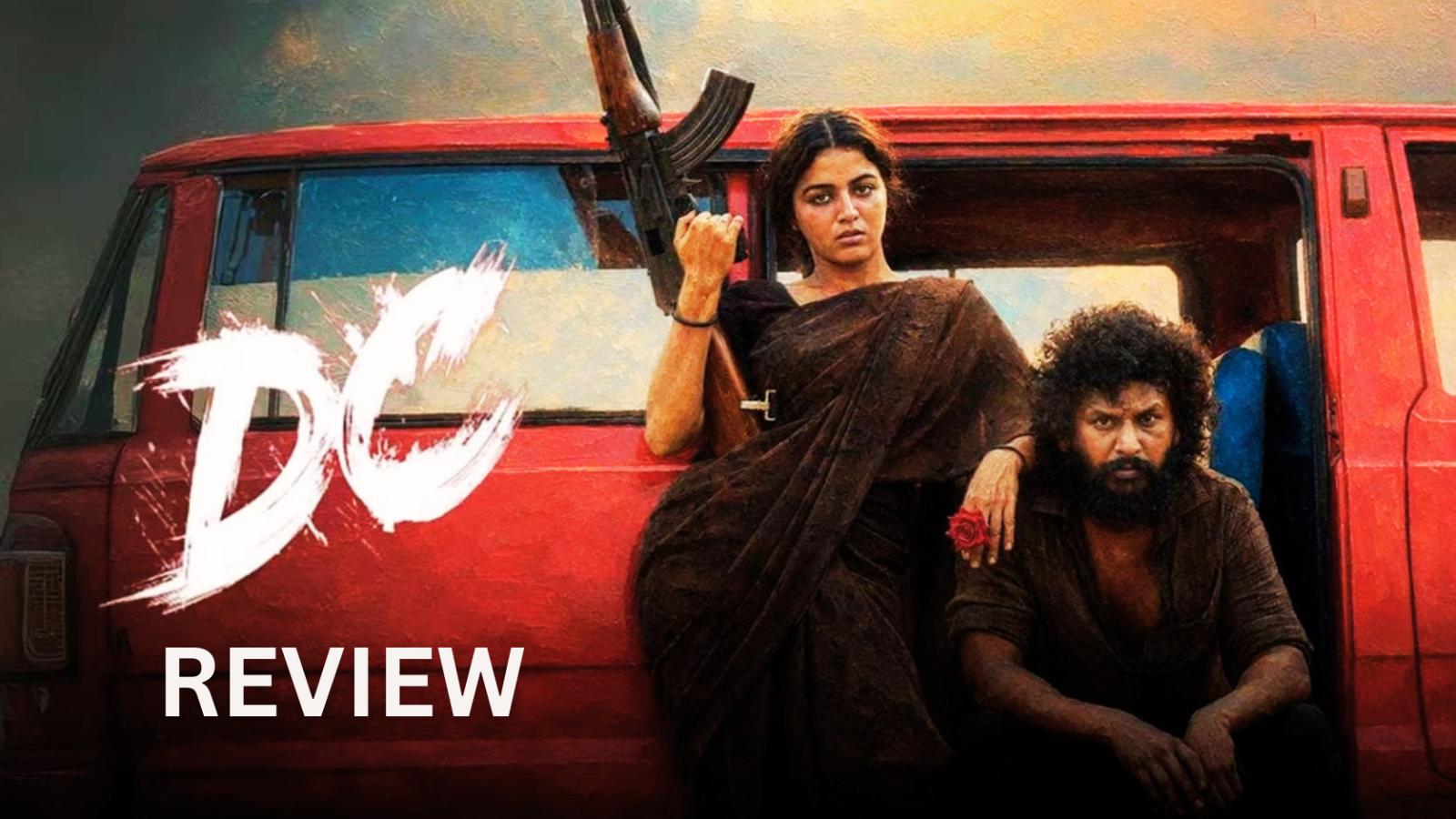
Devadas (Lokesh Kanagaraj) is a gangster who has no intention of walking away from crime. After his gang ambushes a police convoy and steals a cache of discarded weapons, Das becomes involved in the case of a grieving woman who claims that policemen killed her husband and took money meant for her son’s education.
Das decides to help her and kills the policeman responsible, forcing his gang into hiding. As the police intensify their hunt, Das crosses paths with bar singer Parvathi (Sanjana) and Chandra (Wamiqa Gabbi). Their painful pasts and struggles against exploitation gradually pull Das into a much larger battle involving revenge, survival and justice.
Overview
Director Arun Matheswaran’s DC is a violent yet emotionally grounded revenge thriller that combines stylish action with themes of grief, exploitation and systemic injustice.
While the film carries familiar elements from the director’s previous works, DC feels more polished because its central characters receive stronger emotional arcs. The gripping action sequences, Wamiqa Gabbi’s impactful performance and Anirudh Ravichander’s powerful music make it an arresting theatrical experience.
Performances
Lokesh Kanagaraj makes a confident acting debut as Devadas. His restrained body language and brooding screen presence suit the gangster character well. He performs convincingly in the action sequences, though a few scenes requiring intense grief and rage expose some limitations.
Wamiqa Gabbi is one of the film’s major highlights. Her transformation as Chandra is powerful, and her action moments provide some of the biggest theatrical highs.
Sanjana leaves an impression despite limited screen time as Parvathi and becomes an important emotional catalyst in Devadas’ journey.
Krish Dhayal is effective as the ruthless police officer pursuing Das, while Balaji Deviprasad brings depth to Ashraf. Avinash Raghudevan, Jawahar Sakthi and Pranav Teophine provide solid support as members of Das’ gang.
Technical Aspects
DC is technically impressive throughout. Arun Matheswaran maintains his distinctive visual style while ensuring that the violence remains connected to the characters and narrative.
Cinematographer Mukesh delivers striking frames, particularly during the nighttime sequences and violent confrontations. The action choreography is stylish, brutal and designed effectively for the big screen.
The production design and visual treatment help establish the film’s grim world without making it feel excessively artificial.
Music
Anirudh Ravichander is one of DC’s biggest strengths. His songs and background score add enormous energy to the film and significantly elevate its action and emotional sequences.
The pulsating background music gives several confrontations an additional theatrical punch, while the emotional themes remain memorable even after the film ends. It is among Anirudh’s strongest recent works.
Editing
Editor GK Prasanna keeps the film largely sharp and energetic. The crisp cuts work particularly well during the action sequences and help maintain momentum during the cat-and-mouse portions involving Devadas and the police.
The opening hour could have been tighter in places, but the narrative becomes much more engaging once the central character arcs begin to converge.
Positives
- Stylish and brutal action sequences
- Wamiqa Gabbi’s powerful performance
- Confident acting debut by Lokesh Kanagaraj
- Anirudh Ravichander’s outstanding background score
- Strong cinematography
- Emotionally rooted revenge narrative
- Well-written character arcs
- Effective supporting performances
- Powerful second half
- Arun Matheswaran’s distinctive visual treatment
Negatives
- Some dialogues in the opening hour feel weak
- Lokesh Kanagaraj struggles slightly in highly emotional scenes
- Familiar themes from Arun Matheswaran’s earlier films
- Violence may feel excessive for some viewers
- First hour takes time to reach its emotional peak
Analysis
DC explores territory familiar to Arun Matheswaran — broken individuals, corrupt systems, exploited women and revenge as a form of justice. However, the director gives these familiar themes a stronger emotional foundation this time.
Devadas is not presented simply as a gangster who enjoys violence. His anger is shaped by grief, particularly the loss of his mother, which explains his instinct to protect people who have been wronged.
The film also gives significant importance to Parvathi and Chandra. Rather than judging them for the choices they make, the screenplay examines the circumstances that pushed them towards survival and revenge.
Wamiqa Gabbi’s Chandra becomes the emotional and cinematic highlight of the film. Her transformation from a woman carrying years of exploitation into someone who finally fights back delivers some of DC’s most satisfying moments.
Arun Matheswaran also succeeds in integrating violence into the narrative rather than treating it merely as spectacle. The brutality represents the anger and helplessness of characters who have been failed by institutions meant to protect them.
Anirudh Ravichander’s score substantially strengthens the film, turning several already effective scenes into powerful theatrical moments. Combined with Mukesh’s cinematography and GK Prasanna’s editing, the technical departments make DC visually and sonically compelling.
Despite some uneven dialogue writing and a slightly weaker opening hour, DC ultimately works as a stylish, emotionally charged revenge thriller that combines violence, character drama and social commentary effectively.
Bottomline: Brutal Revenge
Rating: 3.5/5