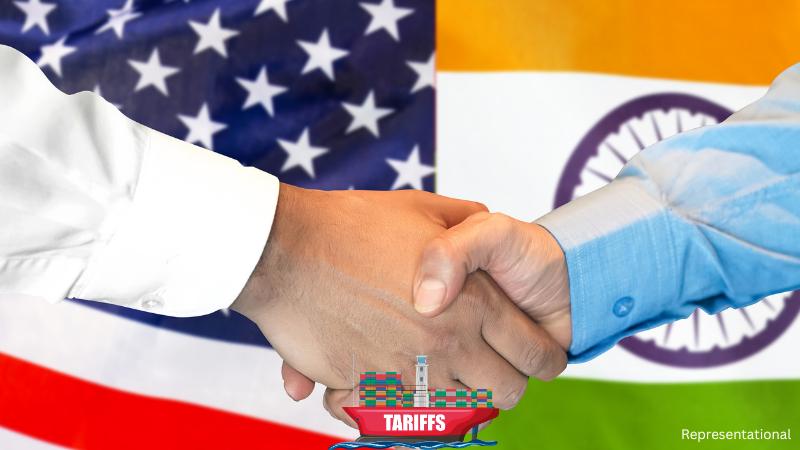
A recent trade agreement between the United States and a key Indo-Pacific partner has raised the stakes for New Delhi. That agreement addressed long-standing issues of market access for American goods, including automobiles and agricultural products. This adds pressure on India to respond, especially since it has also been cautious about opening its domestic agricultural market to foreign competition. India’s agriculture sector supports hundreds of millions and holds deep political and economic importance, especially among small and marginal farmers.
India’s recent trade arrangement with another major economy demonstrated its capacity to negotiate on firm terms. In that deal, India successfully protected sensitive agricultural categories from tariff relaxations, a move signaling that while the country is open to global trade, it is not willing to compromise core sectors.
Within the Indian government, the emphasis remains on safeguarding the livelihoods of farmers and supporting small and medium-sized enterprises. These groups are integral to India’s economy and social fabric. As such, Indian negotiators are approaching talks with the United States cautiously, aiming to avoid any concessions that could lead to domestic disruptions.
Despite these sensitivities, analysts believe India has substantial leverage in discussions with the United States. As one of the world's fastest-growing economies and a key player in the Indo-Pacific region, India presents strategic value that goes beyond trade volumes. The United States, amid shifting global alliances and economic uncertainties, sees India as a partner capable of contributing to regional stability and counterbalancing other influences in Asia.
India is also actively engaging in multiple trade negotiations globally, from Europe to Southeast Asia. These efforts not only expand India’s export base but also provide negotiating strength. With more partners on the table, India can bargain with greater flexibility and respond more resiliently to global shocks.
The urgency for a US-India trade agreement is not one-sided. Washington has strategic reasons to secure a deal quickly. Maintaining strong economic ties with India aligns with broader objectives in the Indo-Pacific and supports long-term geopolitical interests. A stable, rules-based economic partnership would reinforce trust and cooperation in defense, technology, and regional policy matters.
However, complex issues remain unresolved. Disagreements around tariffs on key goods, digital trade standards, agricultural protections, and regulatory transparency continue to be sticking points. As the deadline approaches, both sides must make decisions that balance domestic interests with the potential benefits of a long-term trade pact.
Failure to reach an agreement before August 1 could trigger higher tariffs that disrupt current trade flows, increase costs for exporters, and introduce new uncertainties for businesses on both sides. For India, the focus remains on ensuring that any agreement supports growth, job creation, and sectoral stability.
In the final stretch toward the deadline, India’s negotiators are expected to push for a deal that protects its economic pillars while advancing global integration. Whether that balance can be struck in time remains to be seen, but the outcome will likely have a lasting impact on the future of US-India relations and the broader Indo-Pacific trade landscape.