US Supreme Court to hear major case on Catholic preschools and LGBTQ rights
The US Supreme Court has agreed to hear a significant case involving Catholic preschools in Colorado that declined to admit children of same-sex or transgender parents. The case is expected to address the growing conflict between religious freedom and anti-discrimination laws in the United States. The decision could have far-reaching implications for education policies and constitutional rights across the country.
Dispute over Colorado’s universal preschool program
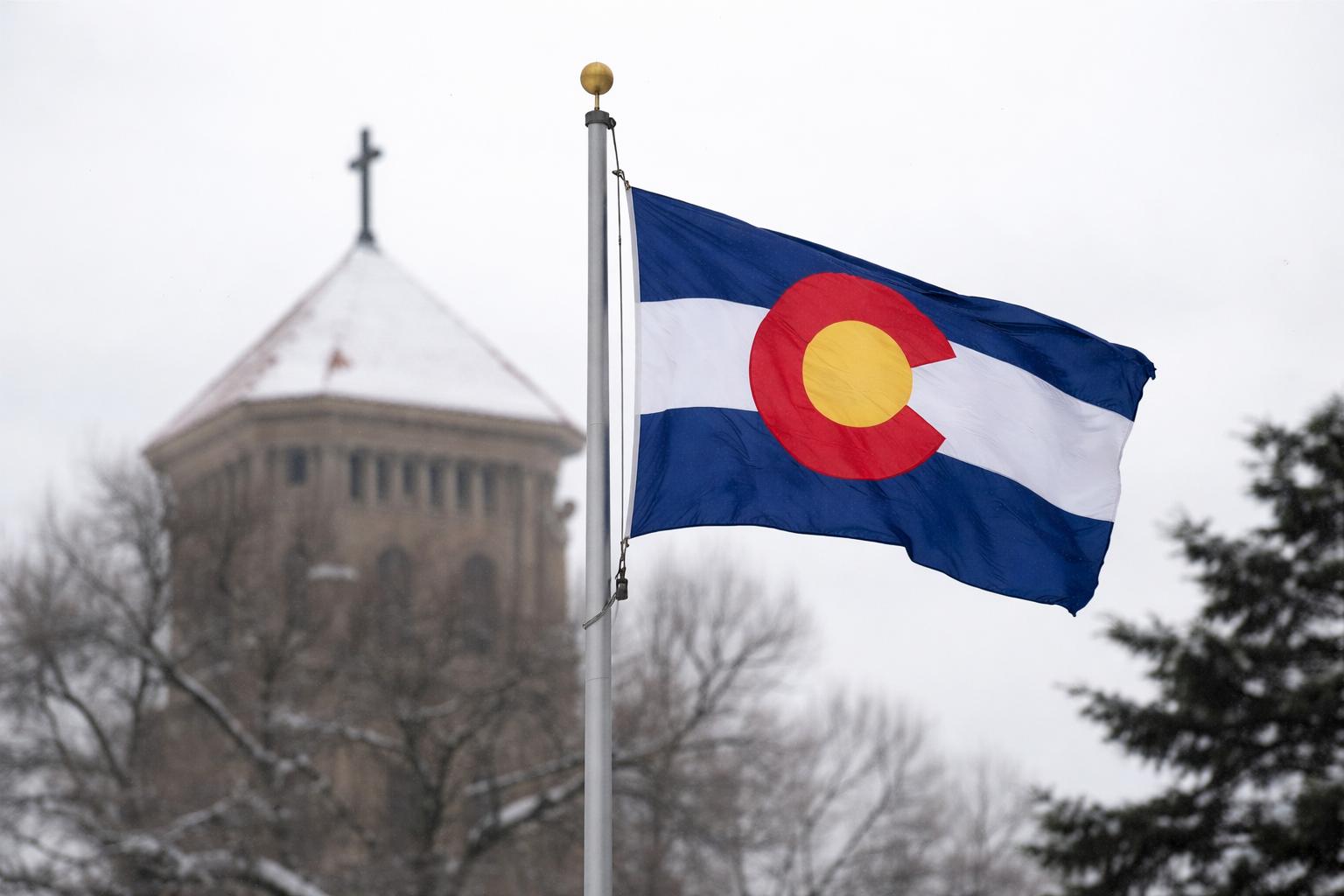
At the center of the case is Colorado’s publicly funded preschool program, which allows families to choose from a range of public and private institutions, including religious schools. However, participating schools must follow strict non-discrimination rules. Two Catholic parish preschools in the Denver area argued that admitting children of same-sex couples would conflict with their religious beliefs. As a result, the state denied them participation in the program. The Catholic institutions then challenged the decision in court, claiming their constitutional rights were being violated.
Lower courts side with the state
Earlier rulings from lower courts upheld Colorado’s position, stating that the non-discrimination policy applies equally to all schools, whether religious or secular. Judges concluded that the state was not targeting religious institutions specifically, but enforcing a general rule to ensure equal access for all families. The appeals court also rejected arguments that certain program criteria—such as prioritizing low-income families or children with disabilities—constituted exceptions to the policy.
Legal battle highlights First Amendment debate
The case brings renewed focus to the First Amendment and the balance between religious liberty and public policy. The Catholic organizations involved are seeking to challenge a longstanding legal precedent that limits exemptions from generally applicable laws. Some conservative justices have previously expressed interest in revisiting this precedent, suggesting the Supreme Court could potentially reshape how religious rights are interpreted. Legal experts say the outcome could redefine how far religious institutions can go in setting their own admission policies while receiving public funding.
Why the case matters nationally
This case is part of a broader national debate over LGBTQ rights and religious freedom. Similar disputes have arisen in areas such as wedding services and foster care, with courts often siding with religious groups. A ruling in favor of the Catholic preschools could expand protections for faith-based institutions. On the other hand, a decision supporting the state could reinforce anti-discrimination standards in publicly funded programs. The outcome may influence policies not only in education but across multiple sectors where religion and public services intersect.
What happens next
The Supreme Court is expected to hear arguments in the upcoming term beginning in October. The final decision could take months but is likely to become a landmark ruling. As the case moves forward, it will continue to draw attention from legal experts, advocacy groups, and policymakers across the United States.
A defining moment for rights and policy
The Supreme Court’s decision to take up this case signals its importance in shaping the future of religious freedom and equality in education. The ruling will determine how states balance inclusion with the rights of religious institutions. As debates continue, this case stands as a crucial moment in defining the boundaries of law, faith, and public policy in modern America.