Nvidia AI investment strategy is moving beyond selling GPUs. Recent deals involving Poolside and Groq, alongside reported talks with Perplexity, suggest the chipmaker is building influence across models, inference, search and other software layers that run on its hardware.
Perplexity stake could extend Nvidia's reach
Nvidia is discussing an investment in Perplexity as part of a financing round that could value the AI search company at more than $30 billion, according to people familiar with the talks. The proposed round could total several billion dollars, but neither Nvidia nor Perplexity has announced a completed transaction.
Perplexity's annualized revenue has reportedly climbed above $750 million from below $250 million at the beginning of 2026, helped by newer products including Perplexity Computer. A valuation above $30 billion would represent an increase of more than 50% from its previous reported valuation near $20 billion.
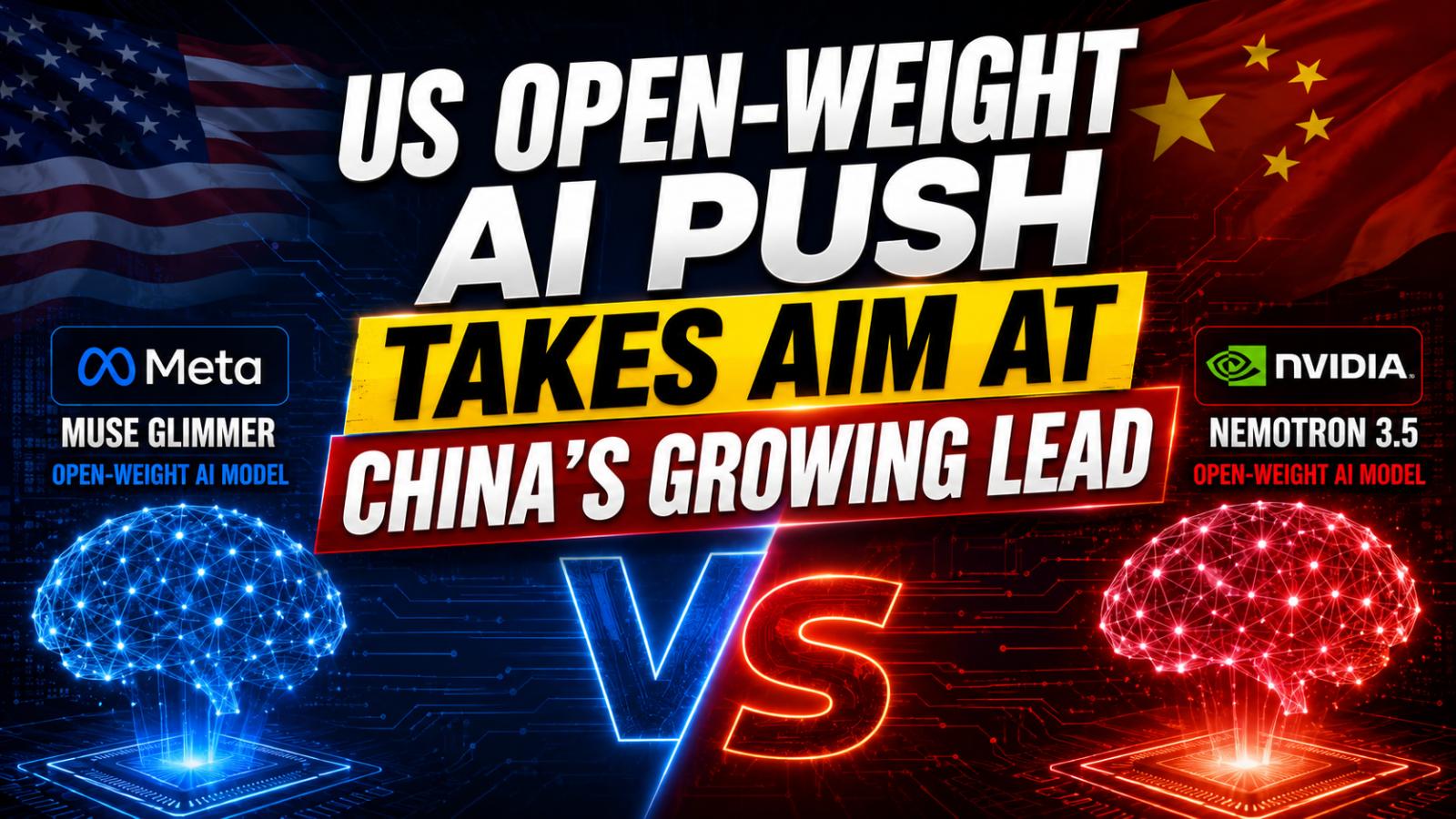
Nvidia is not new to Perplexity. The chipmaker participated in an earlier funding round, and Perplexity is also a member of Nvidia's Nemotron Coalition, which brings together AI companies developing open frontier models.
Poolside deal strengthens Nemotron push
The clearer signal comes from Poolside. Nvidia recently agreed to pay about $6 billion to license Poolside's AI model-development technology and separately committed roughly $1 billion to the company at a reported $12 billion pre-money valuation. More than 100 Poolside employees are expected to join Nvidia's Nemotron work.
That structure matters because Nvidia gains technology and engineering talent without buying the entire company. Poolside can remain independent while Nvidia strengthens its own open-weight model programme.
The arrangement suggests Nvidia increasingly sees model software as strategically important to protecting demand for its hardware.
Groq pact shows the strategy began earlier
A similar pattern appeared in December 2025, when Nvidia signed a non-exclusive licensing agreement for Groq's inference technology. Groq founder Jonathan Ross, president Sunny Madra and other team members joined Nvidia, while Groq continued operating independently.
Groq later announced a new financing round in August 2026 with planned participation from Nvidia, showing that the commercial relationship continued beyond the original licensing agreement.
The deals are not identical, but together they show Nvidia using licensing, hiring and equity investment as alternatives to outright acquisitions.
Nvidia AI strategy moves up the stack
Nvidia's core advantage remains accelerated computing, but competition is expanding. Cloud providers are developing custom processors, AMD is pursuing major AI customers, and specialist inference companies are trying to reduce dependence on conventional GPUs.
Moving further into models, agents, search and inference gives Nvidia another way to defend its ecosystem. Its Nemotron programme already supports open models, while Nvidia has also expanded software and agent tools around its computing platform.
The strategy can also create tension. Nvidia supplies infrastructure to companies that may increasingly compete with businesses in which Nvidia holds financial or technological interests. That does not automatically create misconduct, but it could attract closer attention as the portfolio grows.
What investors should watch next
The most important question is whether the same structure keeps appearing. One investment is routine. Repeated deals combining technology licenses, engineering hires and equity stakes could indicate a deliberate effort to build a broader position across the AI stack.
For now, the Perplexity transaction remains only a discussion. Poolside and Groq provide stronger evidence of the pattern because their agreements have been disclosed or confirmed.
If Nvidia continues making similar moves, its role may evolve from being mainly the industry's dominant hardware supplier into a company with meaningful stakes in the software, models and services that ultimately determine how that hardware is used.