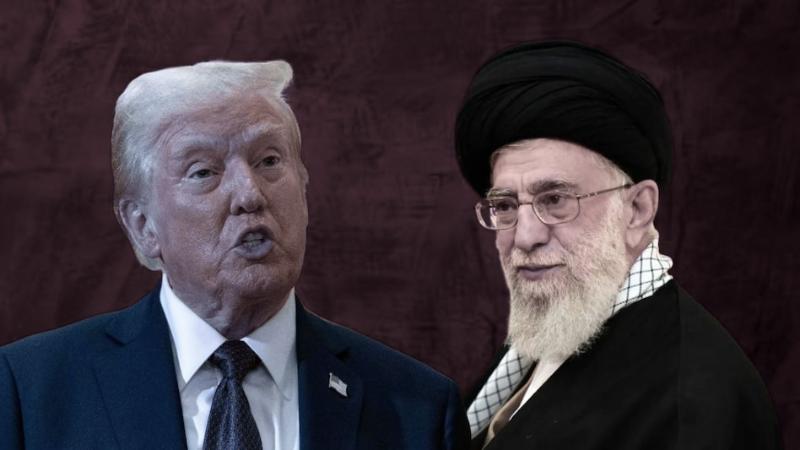
In a dramatic escalation of the Iran-Israel conflict, the United States launched a series of powerful airstrikes targeting Iran’s nuclear facilities at Fordow, Natanz, and Isfahan. President Donald Trump declared it a “spectacular military success,” stating that Iran’s nuclear enrichment capabilities had been “completely and totally obliterated.” This marks the first direct U.S. military action in the ongoing regional standoff, carried out using B-2 stealth bombers equipped with bunker-buster bombs. Trump praised Israel for its close coordination, calling the mission a powerful example of allied strength.
Former U.S. Treasury official and terror finance expert Jonathan Schanzer, speaking to ANI, emphasized that the Iranian regime may not recover from this devastating blow. According to him, Iran’s conventional military capabilities have been severely crippled, leaving asymmetric warfare — including cyberattacks or sleeper cell terrorism — as the most likely path forward. Schanzer cautioned that the threat of unconventional retaliation, particularly on U.S. soil, should not be underestimated, as Iran still has the will and the means to strike back in unpredictable ways.
Amid global concerns, Schanzer also warned about the possibility of Iran attempting to close the Strait of Hormuz — a vital oil shipping route — though such a move could trigger massive international military retaliation. Trump, meanwhile, remained resolute, stating the mission had “gone a long way” in neutralizing the nuclear threat to Israel and asserting that future responses would be even swifter and stronger if provoked again. The situation marks a pivotal turning point in Middle East geopolitics and could reshape the global power balance in the months to come.