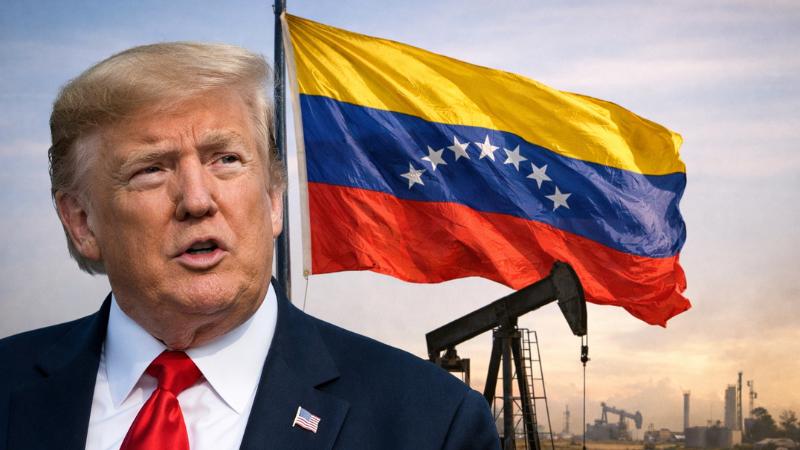
In a significant indication of easing tensions between Washington and Caracas, US President Donald Trump announced on Friday that he has cancelled a planned second wave of military attacks on Venezuela, citing the release of political prisoners and increased cooperation on rebuilding the country’s oil and gas sector. The decision follows recent developments that the US president described as constructive gestures by Venezuelan authorities aimed at de-escalation.
Trump said the move came after Venezuela released a large number of detained opposition figures, activists, and journalists, which he characterized as a meaningful step toward improving relations. Writing on his social media platform, Truth Social, Trump said the releases signaled that Caracas was seeking peace and engaging more openly with the United States on economic and energy-related matters. He added that the cooperation between the two countries, particularly in the energy sector, made further military action unnecessary at this stage.
According to Trump, while the planned second wave of attacks has been called off, US naval assets will remain deployed in the region for security reasons. He emphasized that maintaining a military presence was a precautionary measure and not an indication of imminent action. Trump also said that major US oil companies are preparing to invest heavily in Venezuela’s energy infrastructure, estimating potential investments of at least $100 billion. He stated that executives from major energy firms were scheduled to meet him at the White House later on Friday to discuss the proposed investments.
The announcement follows US airstrikes carried out last week on targets in Caracas, after which Venezuelan President Nicolás Maduro and his wife were reportedly captured. The strikes marked a sharp escalation in a long-running standoff between the two countries, driven by allegations from Washington that Venezuela has been involved in narcotics production, support for drug cartels, and the trafficking of illegal drugs into the United States. Trump has repeatedly accused Venezuelan authorities of contributing to what he described as the destruction of American lives through drug-related activity.
Venezuelan officials have framed the release of prisoners as a goodwill gesture aimed at reducing tensions. Several high-profile opposition figures were freed, including Biagio Pilieri, a senior opposition leader associated with María Corina Machado’s 2024 presidential campaign, according to the prisoners’ rights group Foro Penal. Enrique Márquez, a former electoral authority and a candidate in the 2024 presidential election, was also among those released. For years, both the US government and Venezuela’s opposition have called for the mass release of jailed political figures and civil society members.
Oil has emerged as a central factor in the evolving relationship between the two countries. Venezuela holds the world’s largest proven crude oil reserves, and control over its energy resources has long been a strategic priority for Washington. Earlier this week, Trump announced plans for the United States to sell between 30 million and 50 million barrels of Venezuelan oil, with the revenue to be used by Caracas to purchase US-made goods. Venezuelan Acting President Delcy Rodríguez defended the arrangement, saying such an agreement was not unusual under the circumstances.
The Trump administration has repeatedly asserted that it is effectively overseeing Venezuela’s oil sector. US Energy Secretary Chris Wright stated earlier this week that Washington intends to maintain control over the country’s oil industry indefinitely. The latest developments suggest that energy cooperation, rather than military confrontation, may now shape the next phase of US-Venezuela relations, at least in the short term.