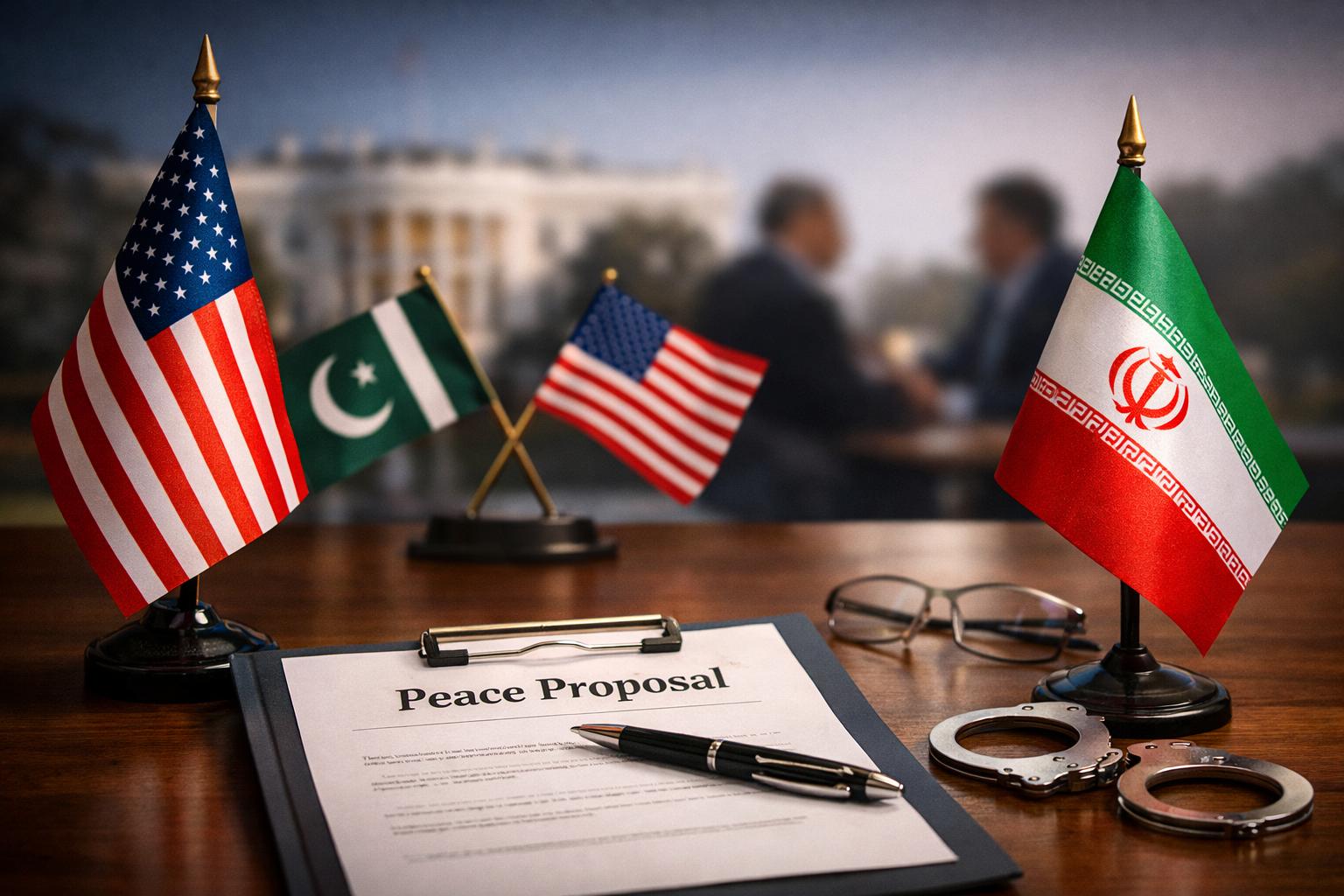
Witkoff described the framework as a comprehensive effort designed to guide negotiations toward a possible resolution. While he refrained from disclosing specific details due to the sensitivity of the discussions, he noted that early exchanges surrounding the proposal have been encouraging, citing positive messaging and constructive communication between the parties involved.
Pakistan has publicly acknowledged its role in facilitating dialogue between Washington and Tehran. Foreign Minister Ishaq Dar stated that the proposal is currently under review by Iranian officials, indicating that the process remains in a preliminary but active phase. The involvement of Pakistan highlights a strategic approach by the United States to use regional intermediaries to sustain dialogue amid strained direct relations.
Senior officials within the Trump administration also indicated that additional diplomatic efforts are underway, including plans led in part by Vice President JD Vance to organize a meeting in Pakistan. The anticipated discussions are expected to focus on de-escalation strategies and broader conflict resolution measures involving Iran.
Witkoff emphasized that previous negotiations had been hindered by disagreements over Iran’s nuclear program, particularly its stance on uranium enrichment. He noted that Iranian representatives consistently asserted their right to enrichment, while concerns persisted over reports of significant stockpiles of enriched material. These factors, he suggested, underscored challenges in reaching a comprehensive agreement in earlier talks.
The latest initiative signals a continued US commitment to pursuing diplomatic solutions, even as longstanding concerns over nuclear capabilities and regional stability remain central to the negotiations.