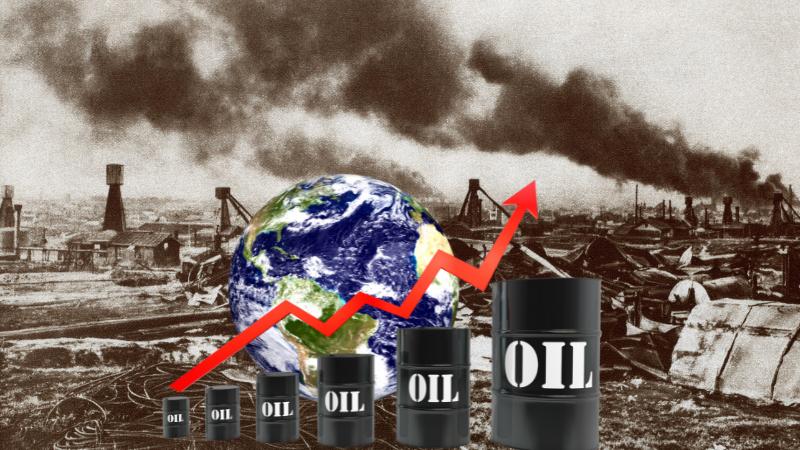
As the Israel-Iran conflict escalates, its effects are rippling beyond diplomacy and military affairs, directly impacting global trade and oil prices. The Strait of Hormuz, a critical maritime passage that connects the Persian Gulf with the Arabian Sea, is once again at the center of attention. In 2023, nearly 21 million barrels of oil passed through the strait daily, representing about 20% of global petroleum liquids consumption. Any disruption in this corridor could cause dramatic shifts in global energy markets, raising prices, shipping costs, and causing widespread delivery delays.
Shipowners now find themselves in a dilemma. Many continue to transit through the strait despite heightened security threats, driven by rising freight rates and wages that make the risk economically viable. Others, however, are choosing caution and avoiding the route altogether. These decisions are rooted in centuries-old trade principles where economic incentives often dictate the paths vessels take—even in wartime.
Ports in this region, such as Jebel Ali and Khor Fakkan, serve as major transshipment hubs. They are pivotal for container trade moving toward Dubai and further into South Asia and East Africa. If the situation escalates, any halt in movement through these points would have broad ripple effects across global supply chains.
Recent data shows the tangible impact of the conflict. Mideast Gulf tanker freight rates to China spiked by 24% on Friday, reaching $1.67 per barrel—the largest daily jump this year. This surge indicates that shipowners and charterers perceive the current risk level as substantially higher than before. Analysts predict continued volatility in freight prices as the region remains unstable.
Despite this increase in shipping activity and pricing, war risk premiums in maritime insurance have not yet been adjusted. According to shipping insurance experts, this could change dramatically depending on further developments. Underwriters have the flexibility to adjust premiums quickly, often within 48 hours, should the conflict worsen.
Some shipping firms have already shown signs of avoiding the strait. Even without direct attacks on vessels, the looming threat of military activity has been enough to reroute a significant volume of global container traffic. Similar behavior was observed last year when threats from Houthi rebels caused mass diversion of cargo from the Red Sea to longer routes around the Cape of Good Hope.
The maritime sector continues to monitor the evolving threat levels. Although there is no immediate maritime shutdown in the Strait of Hormuz, logistics providers acknowledge that the situation is volatile and could shift in a matter of hours. While some major firms have not yet reinstated operations through the Red Sea, they also remain wary of the Hormuz corridor’s increasing instability.
With oil shipments and container traffic under strain, global economies are bracing for the knock-on effects. The broader implications of the Israel-Iran conflict are now being felt in shipping corridors, insurance markets, and trade logistics. As tensions show no sign of abating, businesses, governments, and shipping firms will need to navigate a growing landscape of economic and security uncertainty tied to the Middle East crisis.