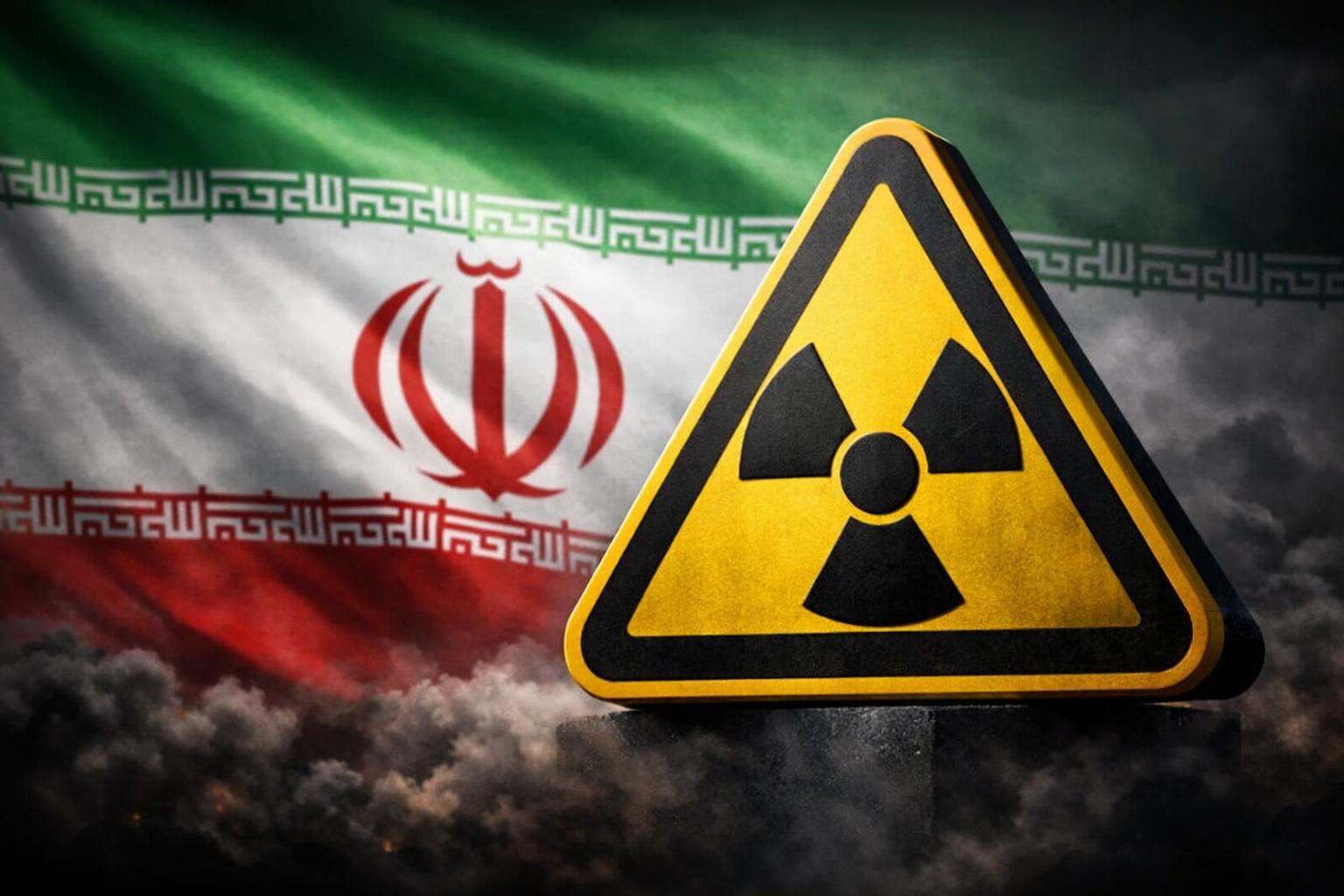
In remarks reported after the Geneva talks, Pezeshkian stated that Iran’s stance on nuclear weapons remains unchanged and transparent. He emphasized that the country is “absolutely not seeking nuclear weapons” and added that Tehran would cooperate if verification measures were requested. The statement appears aimed at easing international concerns surrounding Iran’s nuclear program at a time when diplomatic engagement with Washington has cautiously resumed.
The latest round of discussions in Geneva comes amid heightened geopolitical signaling from the United States. Ahead of the talks, the US president warned of potential consequences should the Oman-mediated negotiations fail to produce progress. Around the same time, Washington began repositioning major naval assets in the region, including the deployment of the USS Gerald R. Ford to the Middle East, where the USS Abraham Lincoln carrier strike group is already present. The move effectively establishes a dual carrier presence, widely interpreted by analysts as an effort to increase pressure on Tehran while keeping diplomatic channels open.
Iranian Foreign Minister Abbas Araghchi welcomed Oman’s role in facilitating the dialogue and described the recent engagement as a potentially significant opening. Addressing the Conference on Disarmament in Geneva, Araghchi said the latest meeting with US officials represented the emergence of “a new window of opportunity.” He expressed cautious optimism that continued diplomacy could help resolve longstanding disputes between the two countries.
According to Araghchi, Iran hopes the negotiations will ultimately lead to a sustainable and mutually acceptable outcome that serves not only the interests of the two nations but also contributes to broader regional stability. However, he also underscored that Iran remains vigilant about its security posture. While pursuing diplomacy, he said, the country is fully prepared to defend itself against any threat or potential act of aggression.
The renewed diplomatic engagement marks a delicate phase in US-Iran relations, which have remained strained for years over Tehran’s nuclear ambitions and regional policies. Observers note that the combination of diplomatic outreach and military positioning reflects a dual-track strategy by Washington aimed at both deterrence and negotiation.
Whether the current momentum will translate into a lasting agreement remains uncertain. Still, the signals emerging from Geneva — including Iran’s stated openness to nuclear verification — suggest that both sides may be testing the possibility of a calibrated diplomatic breakthrough after years of deadlock.