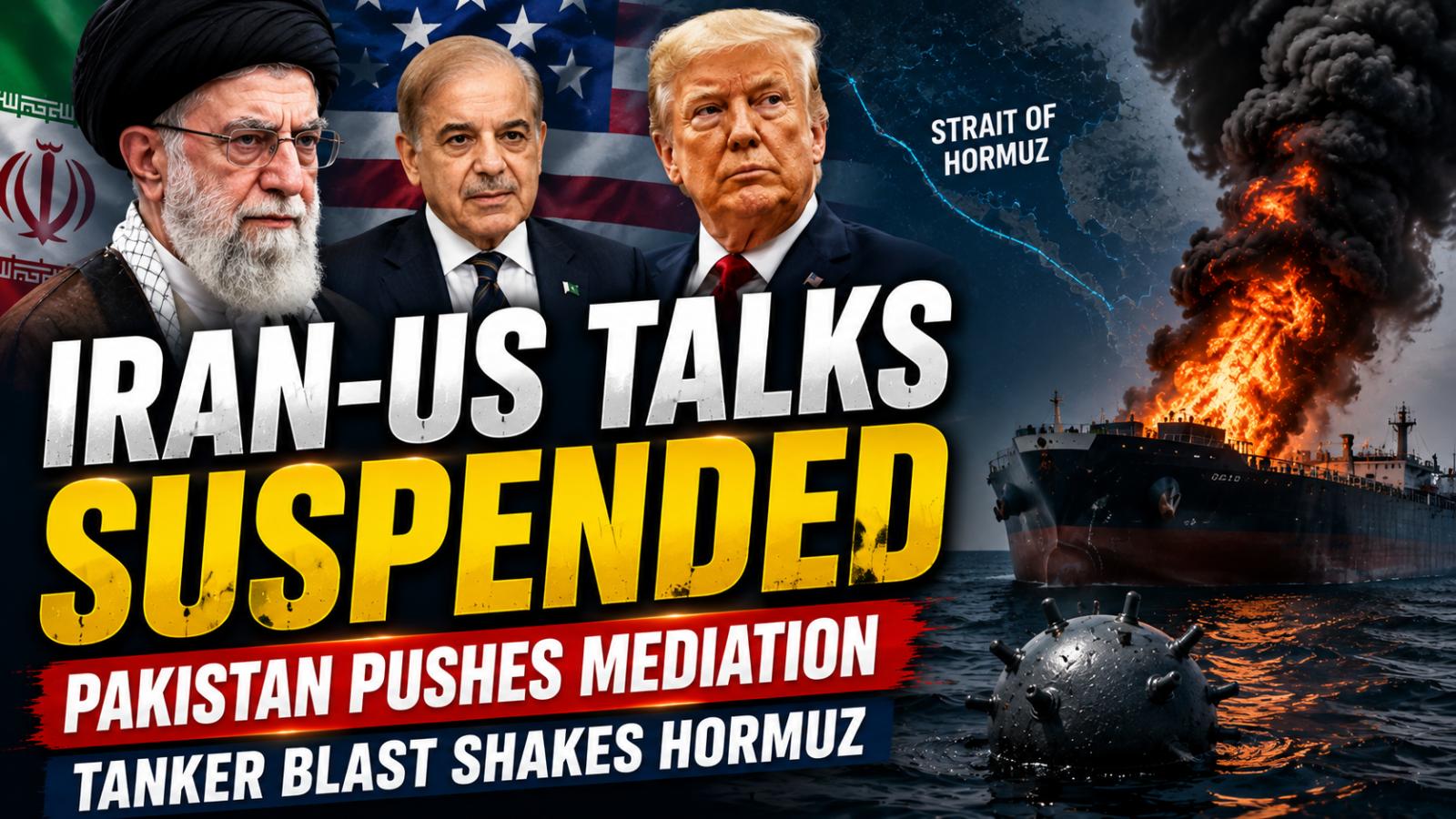
Iran has reportedly told Pakistani officials that negotiations with the United States remain suspended rather than permanently abandoned, leaving open a possible path back to diplomacy. The development comes as US strikes pause, Pakistan explores mediation and tensions continue over shipping routes through the Strait of Hormuz.
Iran-US talks remain suspended
Iran has not withdrawn from negotiations with the United States but has temporarily suspended them, according to regional reports citing sources familiar with discussions between Tehran and Islamabad. Iran has not publicly released a detailed statement confirming the exact wording of that message.
The distinction matters. A suspension suggests that Tehran still sees negotiations as possible if military pressure eases and acceptable terms emerge. A formal withdrawal would indicate that the diplomatic channel had collapsed.
Previous negotiations have focused on ending hostilities, Iran’s nuclear programme and restoring safer commercial passage through the Strait of Hormuz. Pakistan has been exploring ways to restart the stalled process, while China and Oman have also supported diplomatic efforts. Pakistani sources earlier said exploratory discussions had taken place with Iranian officials about reopening talks.
Pakistan mediation seeks a path forward
Pakistan’s reported proposal aims to create space for renewed engagement between Washington and Tehran after nearly two weeks of sustained US military operations. The initiative reflects Islamabad’s interest in preventing a longer war that could destabilise the Gulf, disrupt trade and increase energy costs across Asia.
However, the details remain unclear. Neither Iran nor Pakistan has publicly released the complete proposal, and no date has been announced for formal negotiations. This means claims that talks are about to resume should be treated cautiously.
Any workable arrangement would likely need to address military de-escalation, shipping access and the wider dispute over the Strait of Hormuz. Earlier frameworks discussed ending hostilities first, resolving navigation restrictions and then opening broader negotiations.
Iran rejects proposed Hormuz route
Iran also reportedly rejected a proposal to establish a new navigation corridor through the Strait of Hormuz. Tehran has pushed ships toward a route closer to the Iranian coast, while Washington has supported an alternative passage near Oman.
Control over shipping routes has become one of the central disputes in the conflict. The strait remains vital to global oil and gas supplies, and even limited interruptions can raise freight costs, insurance premiums and crude prices.
Iran’s reported rejection indicates that the shipping dispute cannot be separated from wider ceasefire negotiations. Tehran appears unwilling to accept a corridor that weakens its influence over maritime traffic, while the United States continues to demand secure and unrestricted commercial navigation.
US strike pause creates diplomatic opening
The United States paused strikes against Iran for a second consecutive night after almost two weeks of attacks. President Donald Trump had previously approved daily strike plans, but he ordered the military not to conduct planned attacks on Friday, creating a temporary opening for diplomacy.
Trump later told reporters that Washington remained in contact with Tehran and that Iran appeared increasingly serious about reaching an agreement. He said US forces remained prepared to resume or escalate operations if negotiations failed.
Iran also paused its retaliatory strikes while the US halt remained in place. The pause does not amount to a permanent ceasefire, and officials on both sides continue to keep military options available.
Tanker report adds pressure to negotiations
The diplomatic activity coincided with a report that an oil tanker exploded after striking a naval mine in the Strait of Hormuz. Iranian state-linked media reported the incident, but Iranian authorities did not immediately provide the vessel’s identity, crew status, cargo or independently verified evidence of the cause.
The tanker report adds urgency to the negotiations because another maritime incident could quickly end the fragile pause. A lasting agreement will require more than stopping airstrikes. It must also establish clear shipping rules, independent verification and a mechanism to prevent military encounters in the strait.