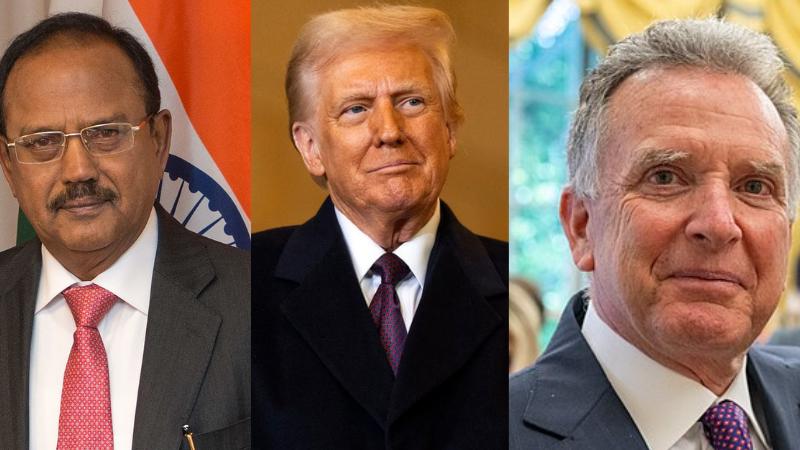
As the deadline set by US President Donald Trump for a ceasefire in the war in Ukraine draws closer, US Special Envoy Steve Witkoff arrived in Moscow on Wednesday to hold crucial talks with Russian officials and possibly President Vladimir Putin himself. Trump had previously issued a 50-day ultimatum to Putin to halt military actions, but last month he unexpectedly shortened it to just 10 to 12 days. This deadline is now set to expire within the week, increasing global tensions as Russia continues its offensive operations without any signs of slowing down. Despite repeated calls for peace, Putin has so far shown no willingness to agree to a ceasefire, instead intensifying his attacks on Ukrainian civilians and reiterating his military objectives.
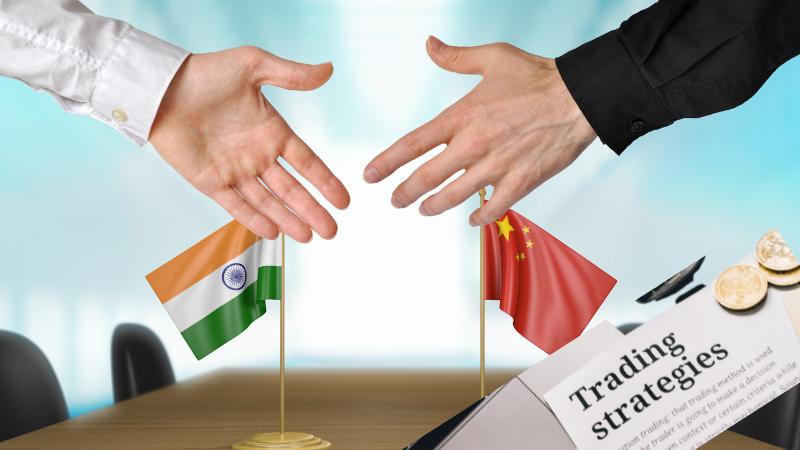
Trump has made it clear that failure to meet the ceasefire demand will result in severe economic consequences. He has threatened to impose stricter sanctions on Russia and also target countries that continue to buy Russian oil. India has already faced the impact of these policies, with a 25 percent tariff imposed on its goods by the US, and Trump has indicated that he may further increase these penalties. His approach is aimed at pressuring both Russia and its trading partners to comply with American demands.
In an interesting coincidence, Indian National Security Advisor Ajit Doval is also currently in Moscow on a previously scheduled visit. Although his trip was planned before Witkoff’s arrival, speculation has emerged that there could be an informal meeting between the two officials. Such a meeting could be significant in managing the escalating tensions and strained relations between the involved countries. Doval’s agenda reportedly includes discussions with Russian authorities about the delayed delivery of the S-400 air defense systems and other defense deals that have been postponed due to Russia’s focus on its war efforts in Ukraine.
Witkoff’s mission in Moscow comes at a critical juncture. The Kremlin has hinted at the possibility of a meeting between Putin and the US envoy, but no official confirmation has been provided. Putin, however, has remained defiant, recently stating that disappointments arise from inflated expectations and making it clear that his military plans will not be halted. He emphasized that halting Russia’s advances at any cost is what he perceives as the objective of his adversaries, signaling that he intends to continue the offensive. According to reports from insiders, Putin believes Russia is gaining the upper hand in the conflict and that new US sanctions would not significantly impact the country. This belief underpins his determination to continue the fight, even if it risks provoking further retaliation from the United States.
The ongoing war has a strategic component that analysts have been closely observing. Putin’s current goal is to completely capture Ukraine’s four contested provinces: Donetsk, Luhansk, Zaporizhzhia, and Kherson. Despite his resistance to outside pressure, there remains a possibility that he may temporarily agree to a ceasefire to avoid immediate punitive actions from Trump. Analysts have suggested that Putin could use this period to replenish Russian forces, rearm his military, and then resume the conflict later under a more favorable pretext. Such a move would serve as a tactical pause rather than a genuine commitment to peace.
Steve Witkoff’s personal rapport with Russia and his history of amicable relations with Putin make him a potentially influential figure in these negotiations. If anyone is capable of persuading Trump to soften his stance or consider a temporary compromise, it could be Witkoff. His role in Moscow will likely be to explore whether Putin is open to such an arrangement and to assess Russia’s readiness for even a temporary truce.
Meanwhile, Ajit Doval’s presence in Moscow adds another layer of complexity to the situation. Although his official meetings are expected to focus on defense deals and the delayed delivery of critical systems like the S-400, discussions about the larger geopolitical climate cannot be ruled out. US tariffs on Indian goods and the broader implications of trade with Russia may also feature prominently in these talks.
As the world watches, the upcoming days will be crucial in determining the course of the Ukraine conflict. If Putin decides to use the ceasefire deadline to his advantage by agreeing to a temporary halt in hostilities, it may ease tensions in the short term but could also serve as a strategic ploy to regroup his forces. On the other hand, outright rejection of Trump’s ultimatum could lead to harsh economic consequences for Russia and further strain global alliances. The involvement of key figures like Witkoff and Doval at this critical moment underscores the high stakes and the interconnected nature of the ongoing crisis. Their meetings and negotiations in Moscow may shape not only the immediate future of the war but also the broader dynamics of international relations in the months ahead.