US–Venezuela crisis – EU faces criticism over Venezuela stance as Russia alleges double standards
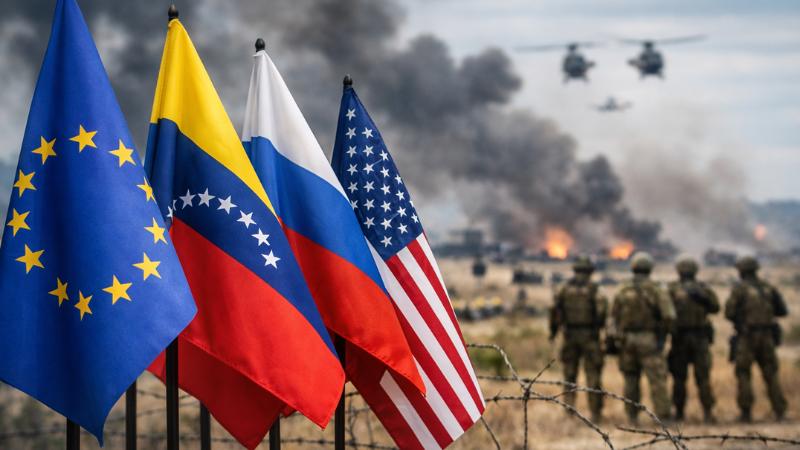
Russian officials have sharply criticized European leaders over what they describe as inconsistent interpretations of international law, following recent statements by senior European Union figures on Venezuela’s political future. The remarks have added to growing diplomatic tensions at a time when conflicts and power struggles are reshaping global relations.
Russia’s special envoy Kirill Dimitrev accused European democracies of applying selective standards when responding to international crises. His comments followed public statements by European Commission President Ursula von der Leyen, who reiterated the EU’s support for what she described as a peaceful and democratic transition in Venezuela. According to the EU, any political resolution in the country must respect international law and adhere to the principles outlined in the United Nations Charter.
Dimitrev contrasted the EU’s position on Venezuela with its condemnation of Russia’s military actions in Ukraine, which European leaders have consistently labeled as violations of international law. He argued that Western governments appear willing to endorse or overlook controversial actions by their allies while holding adversaries to stricter standards. The Russian envoy suggested that such contradictions undermine the credibility of international norms and weaken the global rules-based order.
European officials have maintained that President Nicolás Maduro lacks democratic legitimacy, a position they have repeated in recent diplomatic communications. EU Vice President Kaja Kallas stated that the bloc is closely monitoring developments in Venezuela and remains in contact with key international partners. She emphasized that the EU has consistently called for restraint and has urged all sides to act in accordance with international law, regardless of political disagreements.
The debate escalated as Dimitrev responded sarcastically to European statements, implying that similar logic could be applied to other geopolitical disputes if powerful allies were involved. His remarks were widely seen as an attempt to highlight what Russia views as unequal treatment of nations depending on their strategic alignment with the West.
Meanwhile, leaders outside the EU have sought to distance themselves from any alleged involvement in operations related to Venezuela. British Prime Minister Keir Starmer denied prior knowledge of such actions and stressed that all countries should uphold international law. His comments reflected an effort to reinforce the UK’s commitment to legal norms amid increasing scrutiny of Western foreign policy decisions.
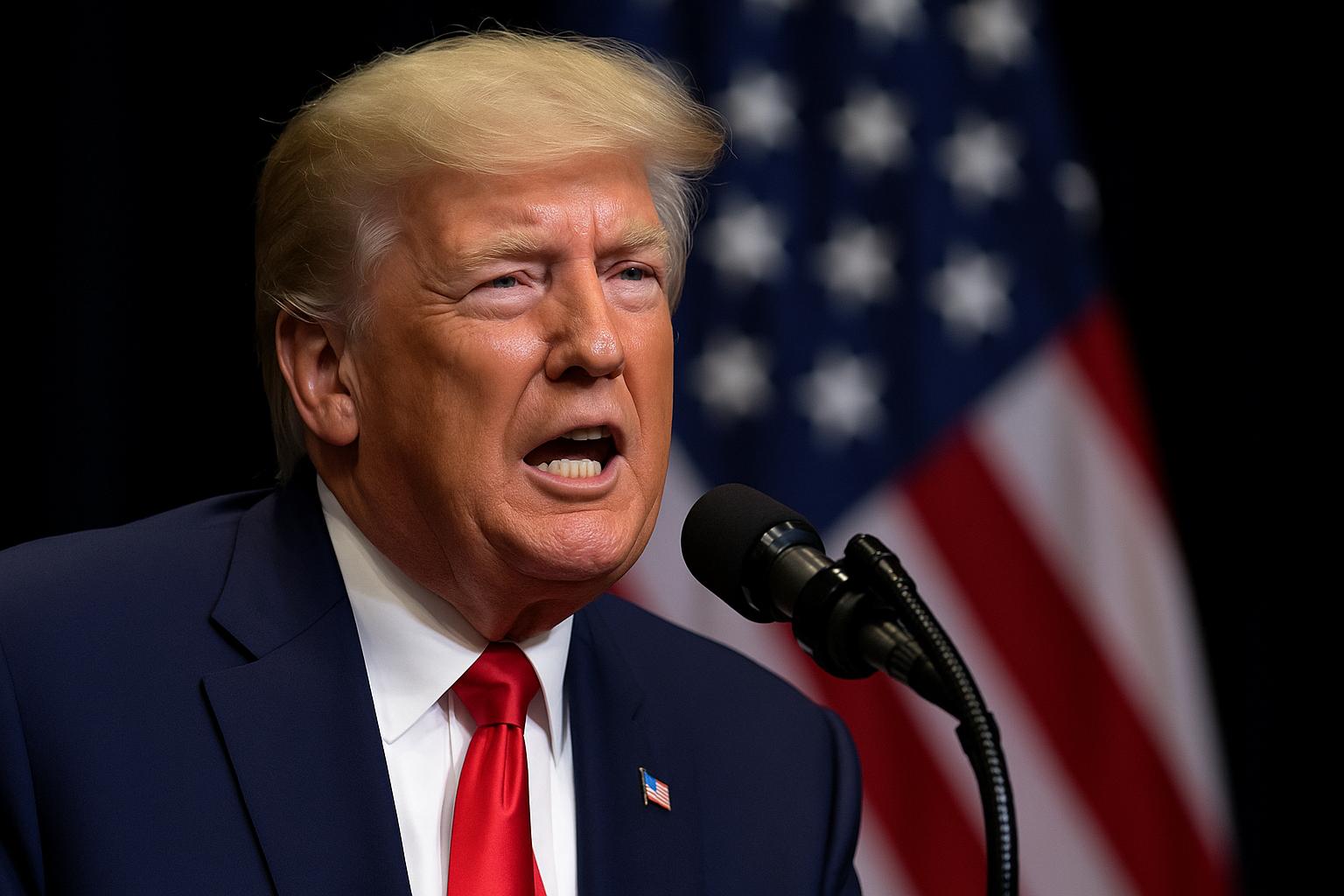
In the United States, President Donald Trump offered a markedly different tone, describing recent developments as something he observed closely and portraying the operation as highly sophisticated. He reportedly emphasized the logistical complexity involved, including delays due to weather conditions, while praising the capability of U.S. forces. His remarks drew international attention for their casual framing of a situation that many leaders consider highly sensitive.
Brazilian President Luiz Inácio Lula da Silva reacted with strong concern, warning that such actions could represent an early step toward greater global instability. He cautioned that unilateral moves by powerful nations risk creating a world marked by violence, chaos, and uncertainty, particularly if international legal frameworks are sidelined.
As disputes over Venezuela continue, the controversy underscores broader divisions in global diplomacy. Questions of legitimacy, sovereignty, and the consistent application of international law remain at the center of debate, with major powers offering sharply different interpretations. Observers note that how these disagreements are handled may shape not only the future of Venezuela but also the credibility of international institutions in managing conflicts worldwide.