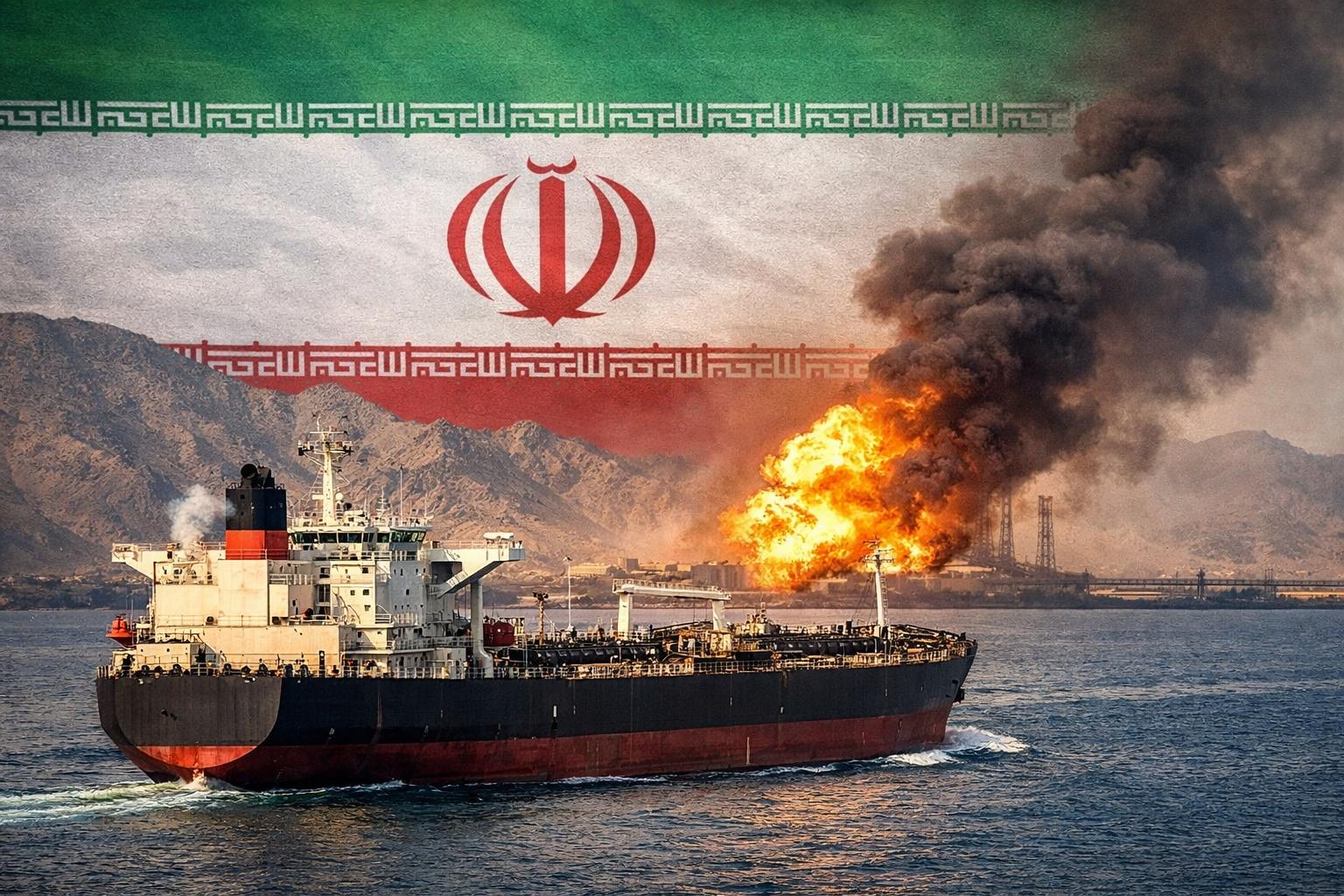
U.S. crude rose more than 3% to $116.22 per barrel by 11:28 AM Eastern Time, while Brent crude futures for June delivery increased 0.81% to $110.66 per barrel. The gains followed strong rhetoric from U.S. President Donald Trump and continued uncertainty surrounding the partial closure of the key shipping route.
In a series of social media posts, Trump issued stark warnings about the potential consequences if Iran failed to reopen the Strait of Hormuz by 8:00 PM Eastern Time on the same day. The narrow waterway, which connects the Persian Gulf to the Gulf of Oman, is one of the world’s most critical oil transit routes, and its disruption has triggered a significant supply shock since hostilities began on February 28.
A White House official confirmed that U.S. forces conducted overnight strikes on Iran’s Kharg Island, the country’s primary oil export hub, further intensifying geopolitical risks in the region. Trump also reiterated threats to target Iranian infrastructure, including power plants and bridges, if compliance was not achieved.
At the same time, diplomatic efforts remain ongoing. Reports indicate that the United States and Iran are discussing a potential framework to end the five-week conflict, though both sides appear far apart on key terms. Iran has rejected a U.S. ceasefire proposal, instead presenting a broader plan that includes a permanent end to hostilities, sanctions relief, and guarantees for safe passage through the Strait of Hormuz.
Market analysts say the situation remains highly unpredictable, with investors weighing the possibility of de-escalation against further military action. Limited shipping activity has resumed through the strait, with eight tankers transiting on Monday, though the exact date was not specified in the source, marking only a modest recovery compared to pre-conflict levels.
Experts caution that even if a resolution is reached, restoring full oil flows could take several months, leaving global energy markets vulnerable to continued volatility and supply constraints in the near term.