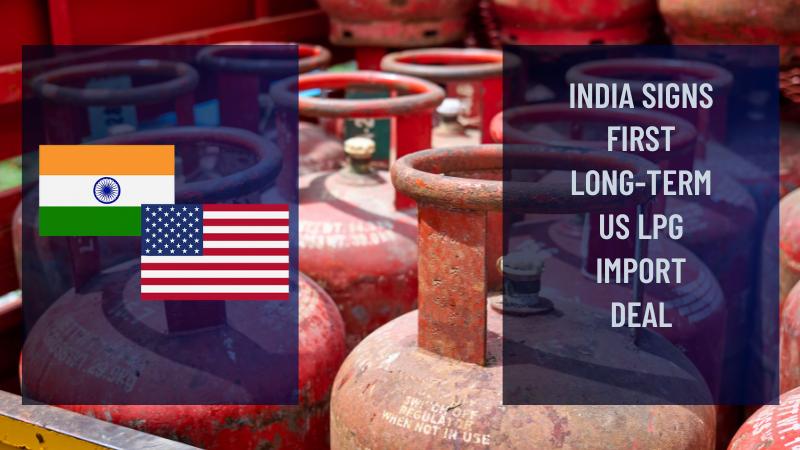
India has signed its first structured, long-term contract to import liquefied petroleum gas from the United States, marking what government officials describe as a major turning point in the country’s energy sourcing strategy. The announcement comes at a time when global energy markets remain highly volatile and nations are increasingly seeking diversified, stable supply lines. According to the Ministry of Petroleum and Natural Gas, the agreement will help safeguard India’s fuel supply during periods of global uncertainty and contribute to long-term price stability for consumers.
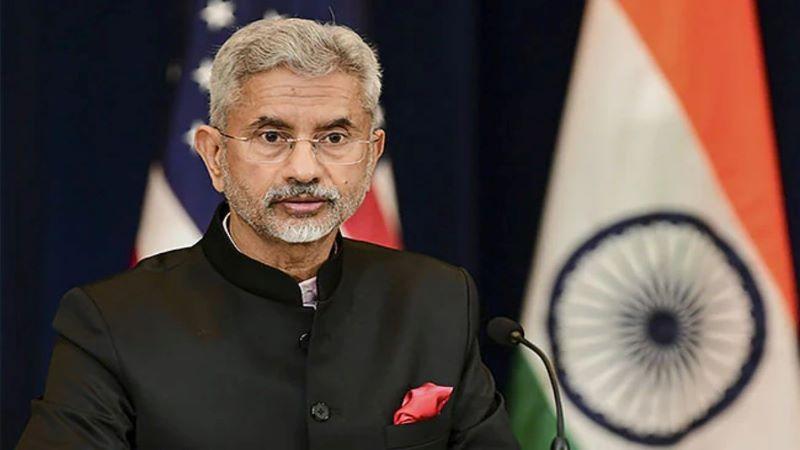
Union Petroleum and Natural Gas Minister Hardeep Singh Puri confirmed that Indian state-run oil companies have finalised a one-year contract to import approximately 2.2 million tonnes per annum of LPG from suppliers located along the US Gulf Coast. The contract applies to the 2026 supply year and represents close to 10 percent of India’s annual LPG imports. Officials familiar with the negotiations said that senior representatives from Indian Oil Corporation, Bharat Petroleum Corporation and Hindustan Petroleum Corporation travelled to the United States to complete the deal with major LPG producers. The pricing mechanism is linked to Mont Belvieu, which is regarded as the primary benchmark hub for US LPG trading.
Puri described the agreement as a historic development in India’s energy landscape, adding that a fast-growing LPG consumer market is now entering a new phase of participation in global trade flows. He stated that ensuring access to reliable and affordable LPG has become a key public policy priority and noted that the government has been working on lowering import concentration by adding new supplier nations and contract structures. The minister said that this latest agreement strengthens India’s position at a time when the global LPG industry continues to face price fluctuations driven by geopolitical tensions and shifting shipping patterns.
India is currently the world’s second-largest LPG consumer, with demand expanding rapidly due to wider household access and the continued rollout of the central government’s Ujjwala Yojana programme. Under the scheme, millions of low-income families receive subsidised LPG connections to replace traditional cooking fuels. As the number of LPG users has grown, the country’s dependence on imported supplies has also increased. More than half of India’s LPG consumption is sourced from overseas, with West Asian producers accounting for most shipments. Officials say that excessive reliance on a single region places the country at risk of supply disruptions or sharp price swings.
The move to introduce a structured supply agreement with the United States is part of a broader strategy to build a more resilient fuel supply chain. Puri pointed out that despite international LPG prices rising sharply last year, the government ensured that Ujjwala beneficiaries continued to pay between Rs 500 and Rs 550 per cylinder, even when actual market prices were nearly double that amount. The state absorbed the difference, spending more than Rs 40,000 crore to shield vulnerable households. He said that securing predictable long-term cargoes from diversified markets is essential for maintaining such consumer protection policies.
Energy analysts note that the agreement could deepen bilateral trade between India and the United States across the broader energy sector. While Indian refiners already purchase significant volumes of American crude oil, formal LPG contracting has not previously existed at this scale. The deal may pave the way for multi-year procurement arrangements and encourage more US producers to consider India a stable destination for exports. For Indian oil marketing companies, sourcing from the US Gulf Coast adds an additional layer of resilience and could reduce exposure to regional supply disruptions in the Middle East.
Government officials say India’s LPG demand is expected to continue rising in the coming years as rural regions become increasingly connected to clean cooking fuels. As consumption grows, the government plans to keep expanding its supplier base and explore additional pricing models. The structured US agreement is being viewed as an early milestone in that effort. Industry executives believe that establishing relationships with new producers and pricing hubs will help India negotiate more favourable contracts in the future.
With this agreement, India signals that diversification of fuel sourcing remains a central component of its long-term energy policy. The government says it will continue to pursue strategic partnerships that ensure stable, affordable and uninterrupted LPG access for millions of households.