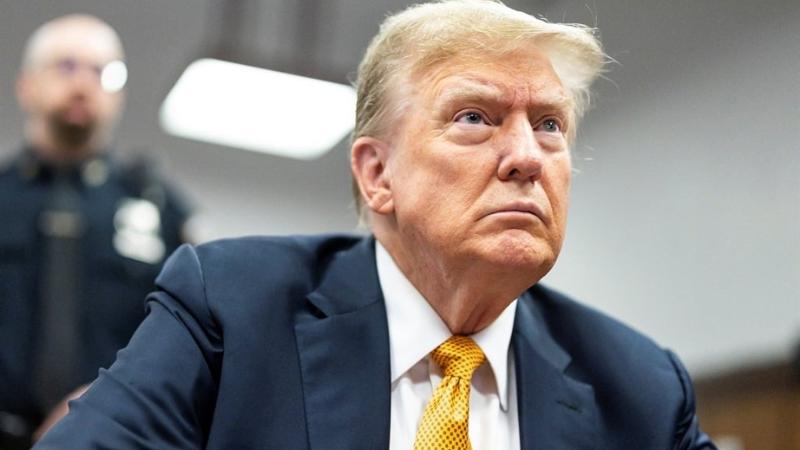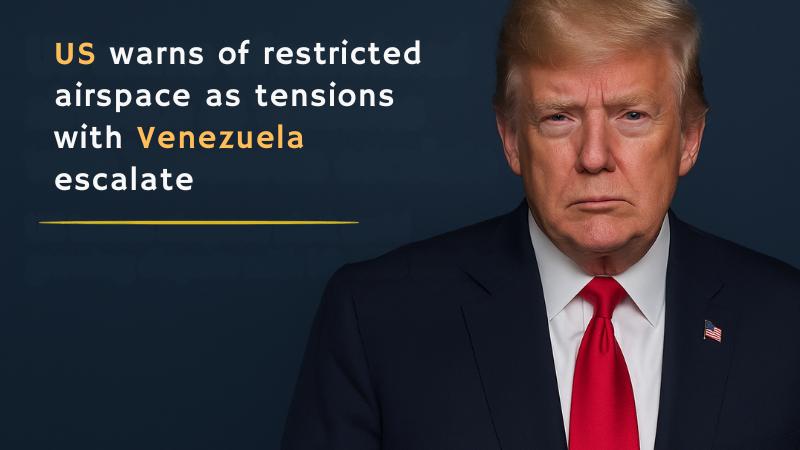
Amid heightened tensions in Latin America, the United States has issued a strong warning advising pilots, airlines, and operators to treat the airspace over and around Venezuela as closed. The statement was delivered by US President Donald Trump, who posted the alert during a period of intensified American counterdrug operations targeting trafficking networks operating near Venezuelan borders. His message underscored what officials describe as an increasingly unstable security climate, citing concerns that unauthorized flights in the region could face significant risks as surveillance and enforcement missions expand.
Trump’s online announcement followed weeks of growing strain between Washington and the government of Nicolás Maduro. US authorities have increased sanctions pressure and enhanced aerial monitoring of suspected drug-trafficking routes in the Caribbean and northern South America. Officials familiar with the operations say the focus is not only on intercepting narcotics shipments but also on deterring unauthorized aircraft believed to be supporting organized criminal networks. The US maintains that the measures are part of broader efforts to protect regional security and aviation safety.
Venezuelan officials responded sharply to the warnings, accusing Washington of escalating hostilities and violating the nation’s sovereignty. Caracas has repeatedly condemned what it views as foreign interference, arguing that US actions near its borders are politically motivated and intended to destabilize the Maduro administration. Government representatives insist that the country’s airspace remains under national authority and that any external attempt to impose restrictions is unacceptable.
Despite the strong rhetoric, US defense sources state that the cautionary notice is aimed primarily at preventing civilian aircraft from inadvertently entering a zone of heightened military activity. They note that counterdrug operations typically involve rapid-response aircraft, maritime patrol units, and coordinating surveillance assets that require controlled air corridors to operate effectively. The closed-airspace advisory, they argue, reduces the risk of misidentification or unintended encounters during sensitive missions.
Analysts observing the situation say the exchange reflects a broader geopolitical dispute that has intensified over the past year. Relations between the US and Venezuela have remained strained amid disagreements over governance, democratic conditions, and regional influence. Trump’s latest warning adds to a series of public confrontations and underscores the growing uncertainty surrounding air travel and security protocols in the region.
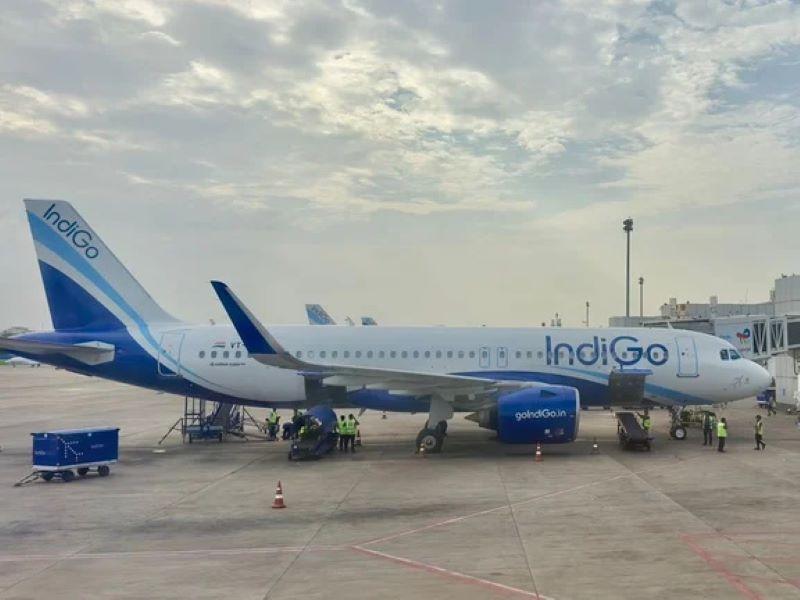
As both countries continue to trade accusations, experts caution that aviation operators and international carriers will likely monitor the situation closely. With increased military presence, heightened surveillance flights, and unresolved diplomatic tensions, the airspace over Venezuela may remain a focal point of regional concern in the coming weeks. The latest advisory signals Washington’s intent to maintain an assertive stance while attempting to prevent further escalation in an already volatile environment.