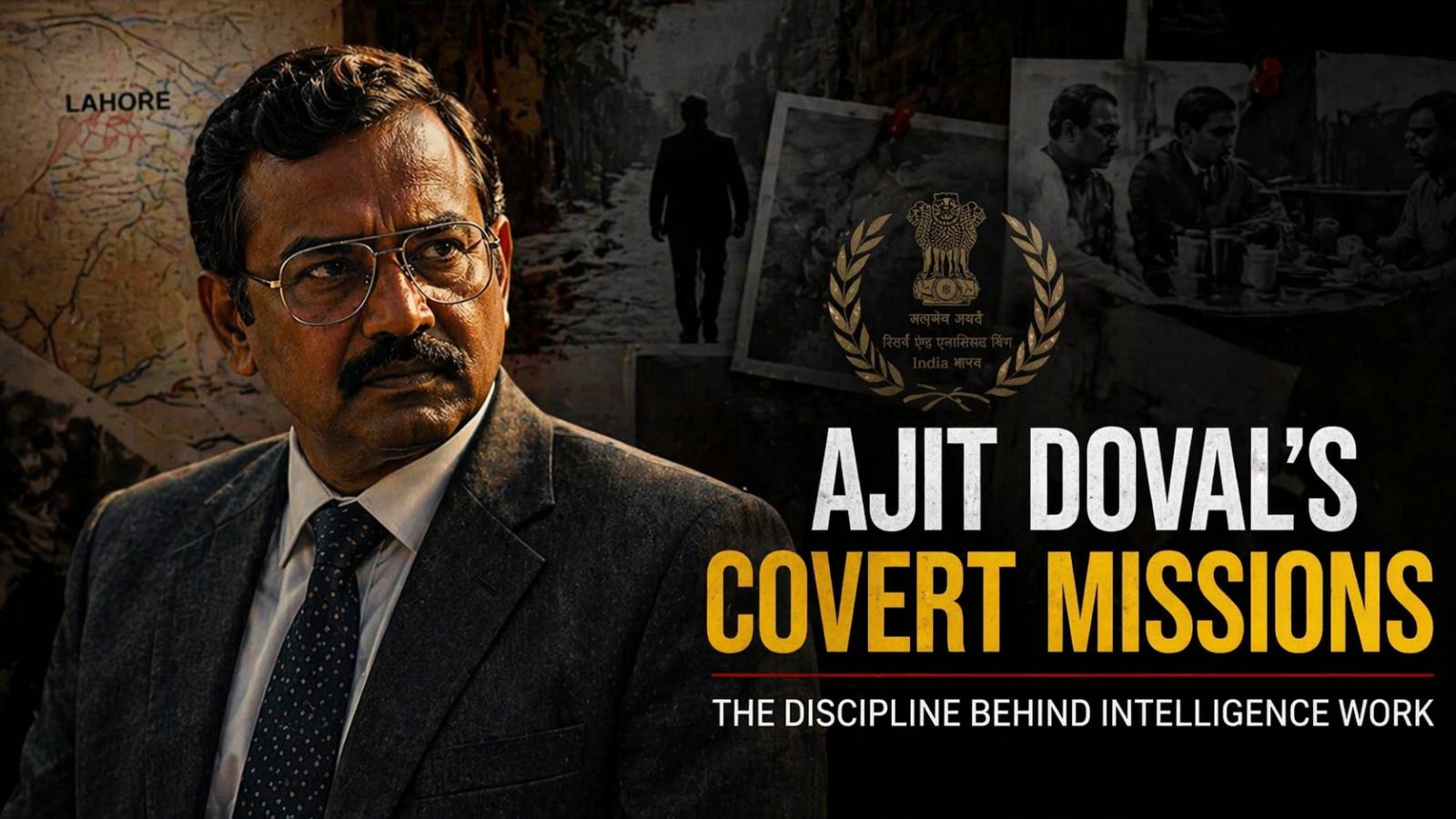
Ajit Doval’s reported deep-cover operations are widely regarded as a study in psychological resilience rather than physical confrontation. Operating within hostile environments, including extended periods in Pakistan, his work required a high degree of composure, adaptability, and continuous situational awareness. Public discussions often reference cities such as Lahore, though specific operational details remain classified. The available accounts suggest that Doval functioned under an assumed identity, integrating into local society through language proficiency and cultural understanding while maintaining a low profile to avoid detection.
The nature of such intelligence assignments demanded prolonged isolation and self-reliance. Without visible support or recognition, Doval is believed to have depended entirely on discipline and precise judgment. Intelligence gathering in these conditions was neither immediate nor dramatic; instead, it involved the careful collection and verification of small pieces of information that contributed to broader strategic objectives. This methodical approach underscores the reality of espionage, where patience and accuracy outweigh speed and visibility.
These experiences are understood to have played a significant role in shaping Doval’s later contributions to India’s national security framework. Transitioning from field operations to senior leadership roles, he brought practical insights from covert environments into policy formulation. His understanding of intelligence strategy and ground realities has influenced decision-making processes at the highest levels, reflecting a continuity between operational expertise and strategic planning.
Doval’s journey illustrates a dimension of intelligence work that remains largely unseen and often misunderstood. Defined by discretion, endurance, and calculated risk, his career highlights the critical role of covert operations in maintaining national security. As his professional trajectory evolved, it extended beyond undercover missions to include counter-insurgency efforts, hostage negotiations, and strategic interventions, further shaping his reputation as a key figure in India’s security landscape.