IRGC Issues Warning Over Strait of Hormuz Navigation Routes
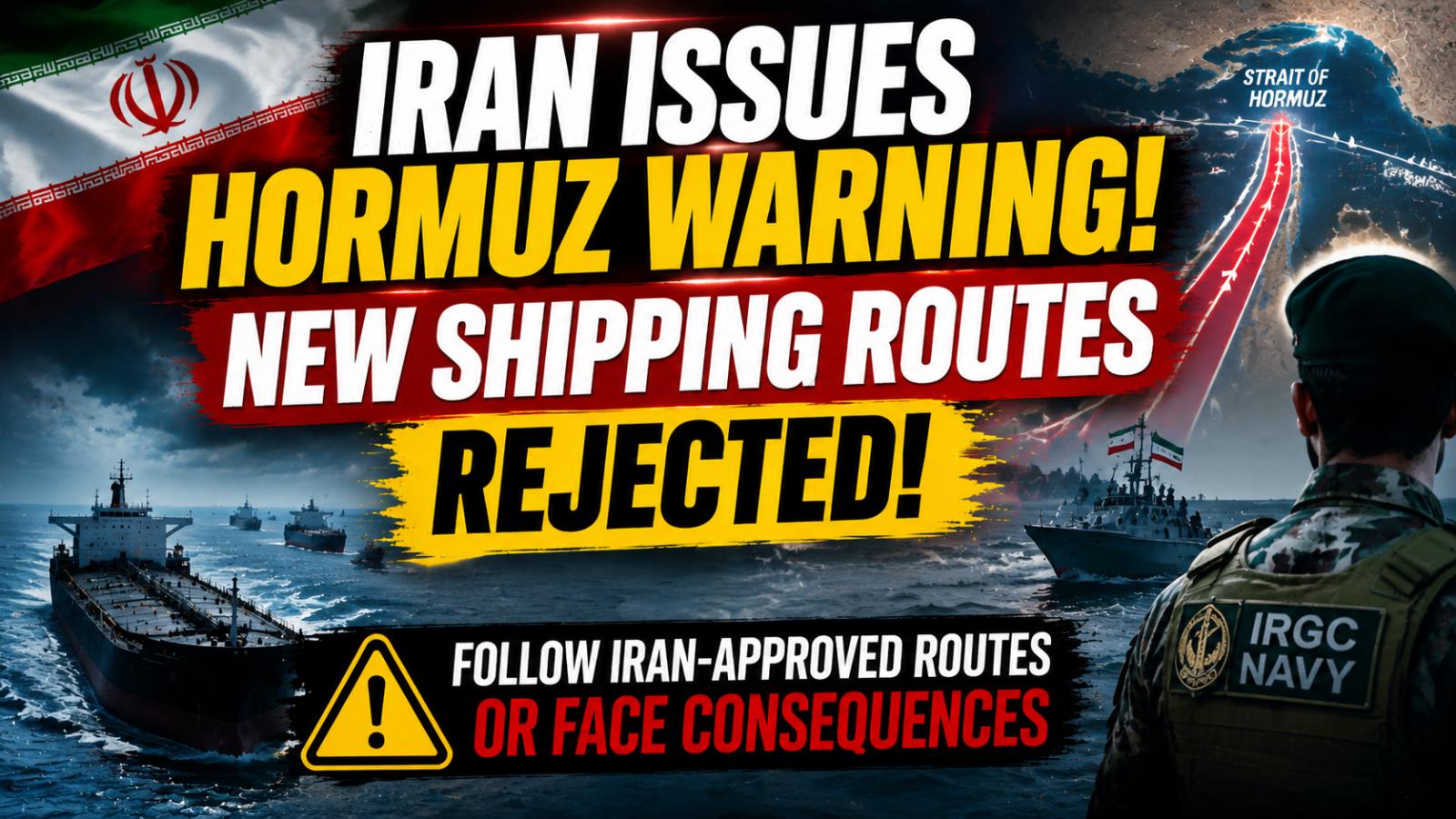
Iran’s Islamic Revolutionary Guard Corps Navy has issued a warning to vessels transiting the Strait of Hormuz, stating that ships must strictly follow navigation routes designated by Tehran. According to a statement carried by Iranian state media, any deviation from the approved lanes will be considered dangerous and is not permitted under current maritime directives.
The IRGC alleged that certain external authorities had announced alternative shipping routes without consultation or coordination with Iran. It described such actions as unacceptable and emphasized that maritime movement in the region must adhere only to routes sanctioned by Iranian authorities.
Mandatory Coordination and Maritime Control Measures
The statement further instructed that vessels must maintain coordination with the IRGC Navy through designated communication channels before entering the strait. It warned that ships failing to comply with the prescribed navigation framework could face enforcement action.
Iran reiterated that it views the Strait of Hormuz as a sensitive maritime corridor requiring strict oversight, and any unilateral changes to established shipping routes are considered a violation of its maritime control protocols.
IMO Routes and Emerging Navigation Adjustments
The warning comes amid recent developments involving the International Maritime Organization, which has introduced updated evacuation and traffic management routes intended to improve vessel movement in the Gulf. These routes reportedly include passages near the Omani coastline for outbound shipping and additional channels designed to streamline two-way traffic.
Maritime officials have indicated that these measures aim to assist stranded or delayed vessels and restore efficiency in one of the world’s most critical energy corridors. However, Iran has stated that such adjustments were introduced without its approval, escalating concerns over overlapping jurisdictional claims.
Shipping Recovery and Strategic Importance of Hormuz
The Strait of Hormuz remains one of the most strategically important waterways globally, with a significant portion of crude oil and liquefied natural gas exports passing through it daily. Recent maritime tracking data indicates that vessel traffic, which had previously declined due to regional tensions, has shown signs of gradual recovery following diplomatic developments between Iran and the United States.
Despite this improvement, fluctuations in daily crossings continue, reflecting ongoing uncertainty in the region’s maritime environment. Energy carriers, including large crude tankers, have resumed transits, but shipping operators remain cautious due to evolving security advisories and regulatory differences between stakeholders.
The latest warning from Iran underscores the continued sensitivity surrounding navigation rights and control of shipping lanes in the Strait of Hormuz, a critical artery for global energy supply chains.