PM Modi Chairs Key Security Meetings After Pahalgam Terror Attack; India's Firm Stand Against Pakistan
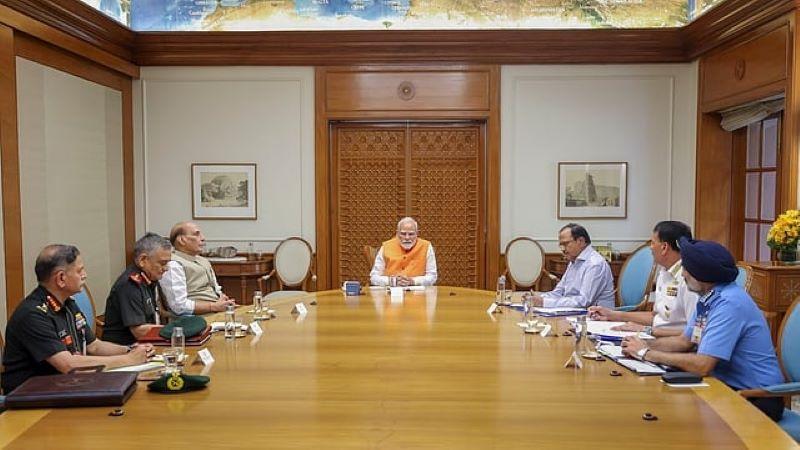
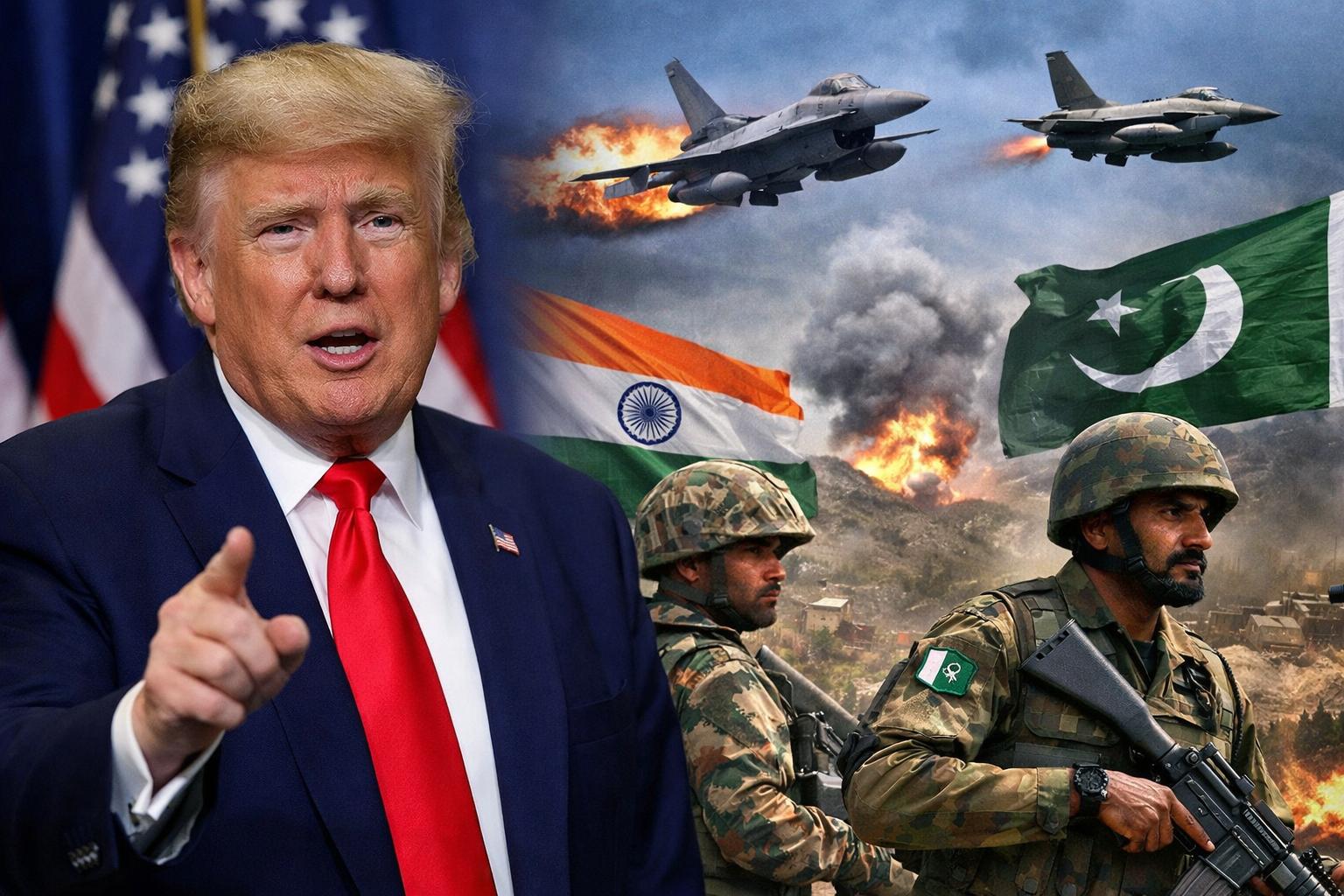
India’s top security and political leadership gathered for back-to-back high-level meetings on Wednesday to discuss the country’s evolving strategy following the Pahalgam terror attack, in which 26 tourists were killed. With tensions rising between India and Pakistan, the government’s response has included hard-hitting diplomatic and policy-level decisions, including the suspension of the Indus Waters Treaty.
The Cabinet Committee on Security (CCS), chaired by Prime Minister Narendra Modi, met for the second time since the April 22 attack in Jammu and Kashmir. During the meeting, the committee reviewed intelligence findings and operational responses to Pakistan’s continued support of cross-border terrorism. The CCS had earlier taken strong measures including the suspension of the decades-old Indus Waters Treaty, a symbolic and strategic move that underscores India’s shifting stance on bilateral engagements.
Soon after, the Cabinet Committee on Political Affairs (CCPA) convened to deliberate on the Opposition’s demand for a special parliamentary session to demonstrate a united front against terrorism. Congress leaders Mallikarjun Kharge and Rahul Gandhi had earlier written to PM Modi, urging a parliamentary dialogue to show national resolve in the face of terrorism. After the cabinet-level discussions concluded, PM Modi held a separate meeting with top Union ministers, briefing them on the strategic and political roadmap being adopted.
In the CCS briefing, officials presented detailed reports that established cross-border links to the Pahalgam terror incident. Intelligence inputs suggest the attack was orchestrated by Pakistan-based terror outfits in an attempt to disrupt peace and economic revival in the Union Territory of Jammu and Kashmir, especially amid successful electoral exercises and a rising tourist economy.
Locals in Pahalgam responded strongly, holding massive protests against the attack and calling it an attempt to sabotage the region’s peace and prosperity by scaring off tourists—one of the valley’s primary economic lifelines.
Despite the bloodshed, many tourists have decided to go ahead with their planned visits. Speaking to ANI, Keval Patel, a tourist from Ahmedabad, recounted how his family initially hesitated but ultimately chose to travel. “We were scared at first, but our uncle encouraged us. Now we’re in Pahalgam, and everything feels safe,” he said.
Sources confirmed that PM Modi reaffirmed India’s commitment to a decisive response to terrorism, expressing full faith in the Indian armed forces. “It is India’s resolve to deal a crushing blow to terrorism,” he reportedly told ministers, highlighting a future course of action that combines diplomatic isolation of Pakistan with operational preparedness along the Line of Control (LoC).
The suspension of the Indus Waters Treaty, originally signed in 1960, signals a significant recalibration in India's approach. While India has traditionally adhered to treaty obligations despite border tensions, this move marks a departure from past restraint.
In the broader diplomatic context, India is expected to ramp up its campaign to designate Pakistan-based terror entities and individuals at the United Nations Security Council, while also lobbying for enhanced international scrutiny of Islamabad’s support to proxy terror outfits such as Lashkar-e-Taiba and The Resistance Front, which has claimed responsibility for the Pahalgam attack.
As the political and security atmosphere intensifies, all eyes are on the government’s next moves—both at the national and international levels. A formal announcement on the special parliamentary session could be expected in the coming days, depending on inter-party consensus. With public outrage growing and the wounds of Pahalgam still fresh, the Indian government’s actions in the coming weeks will be closely watched—both domestically and by the global community—as it crafts its strategy to counter state-sponsored terrorism.