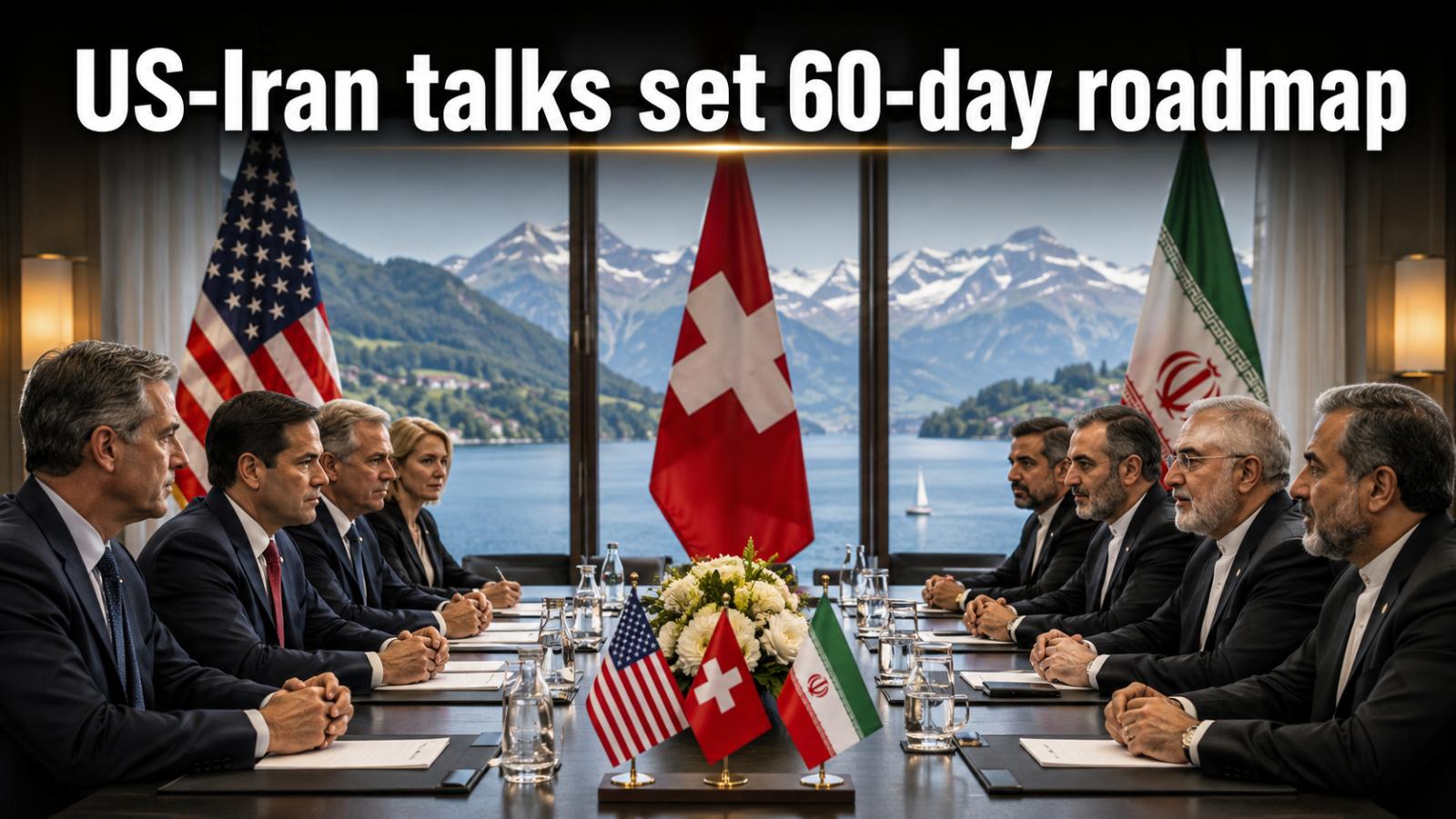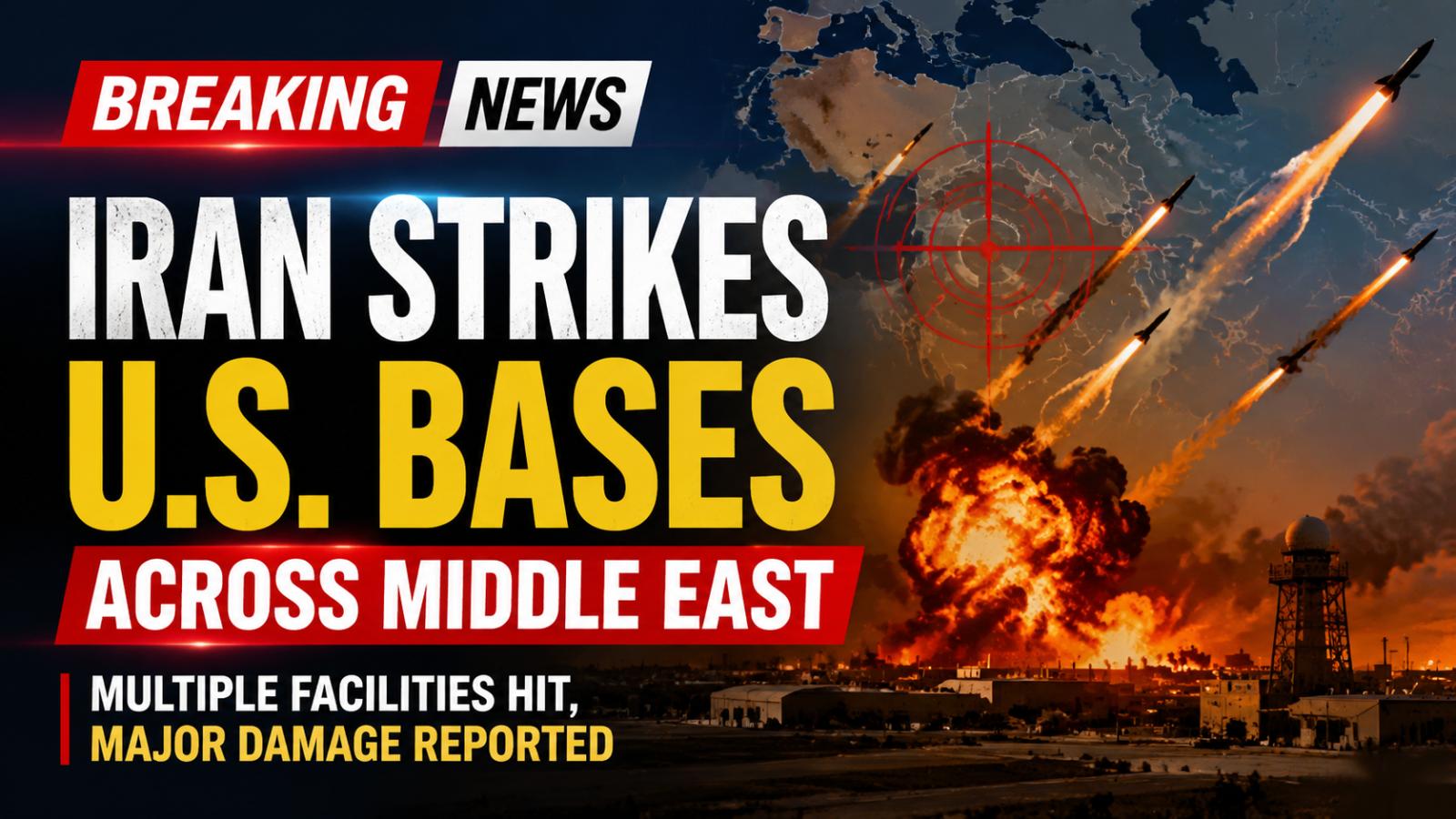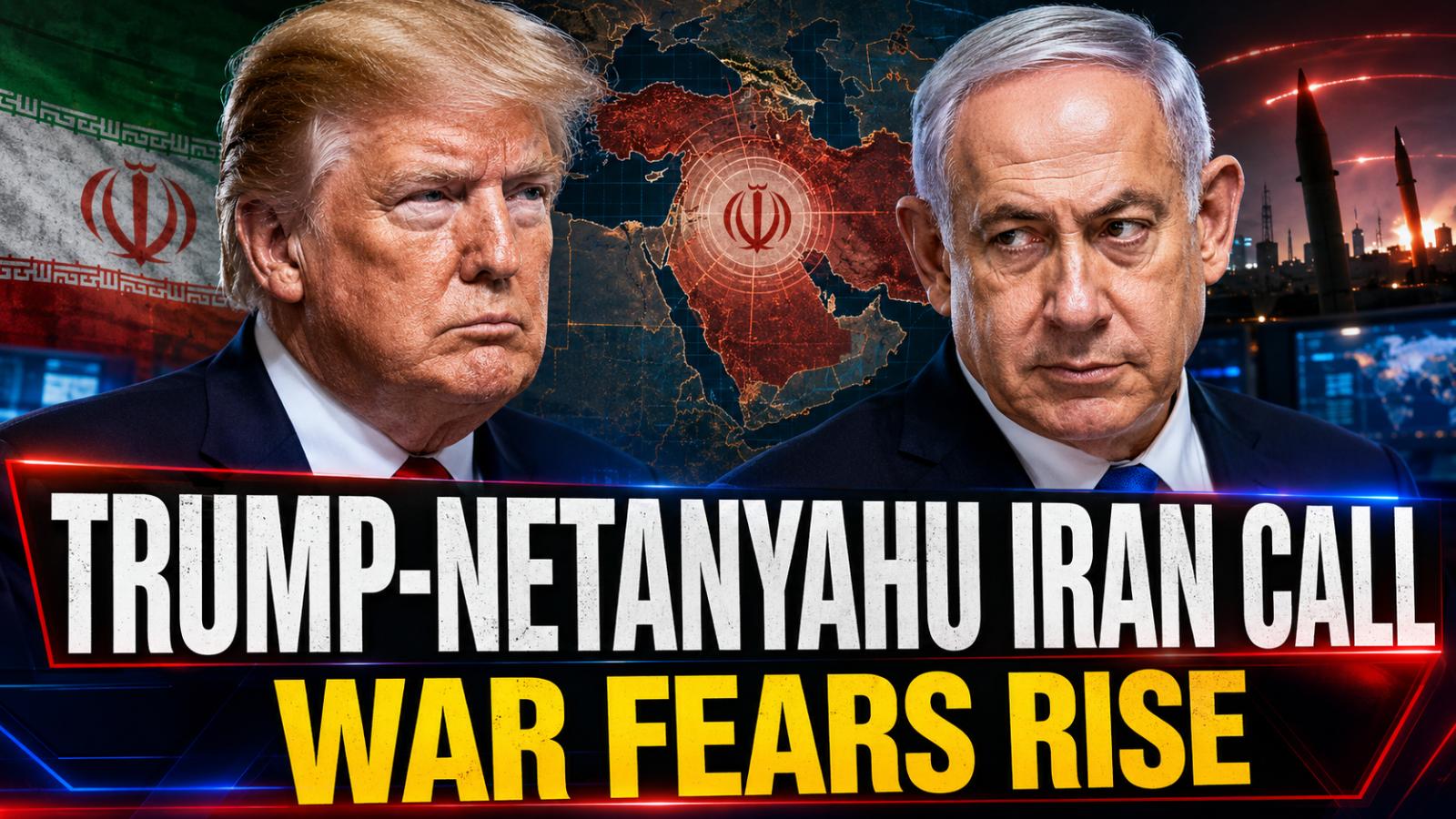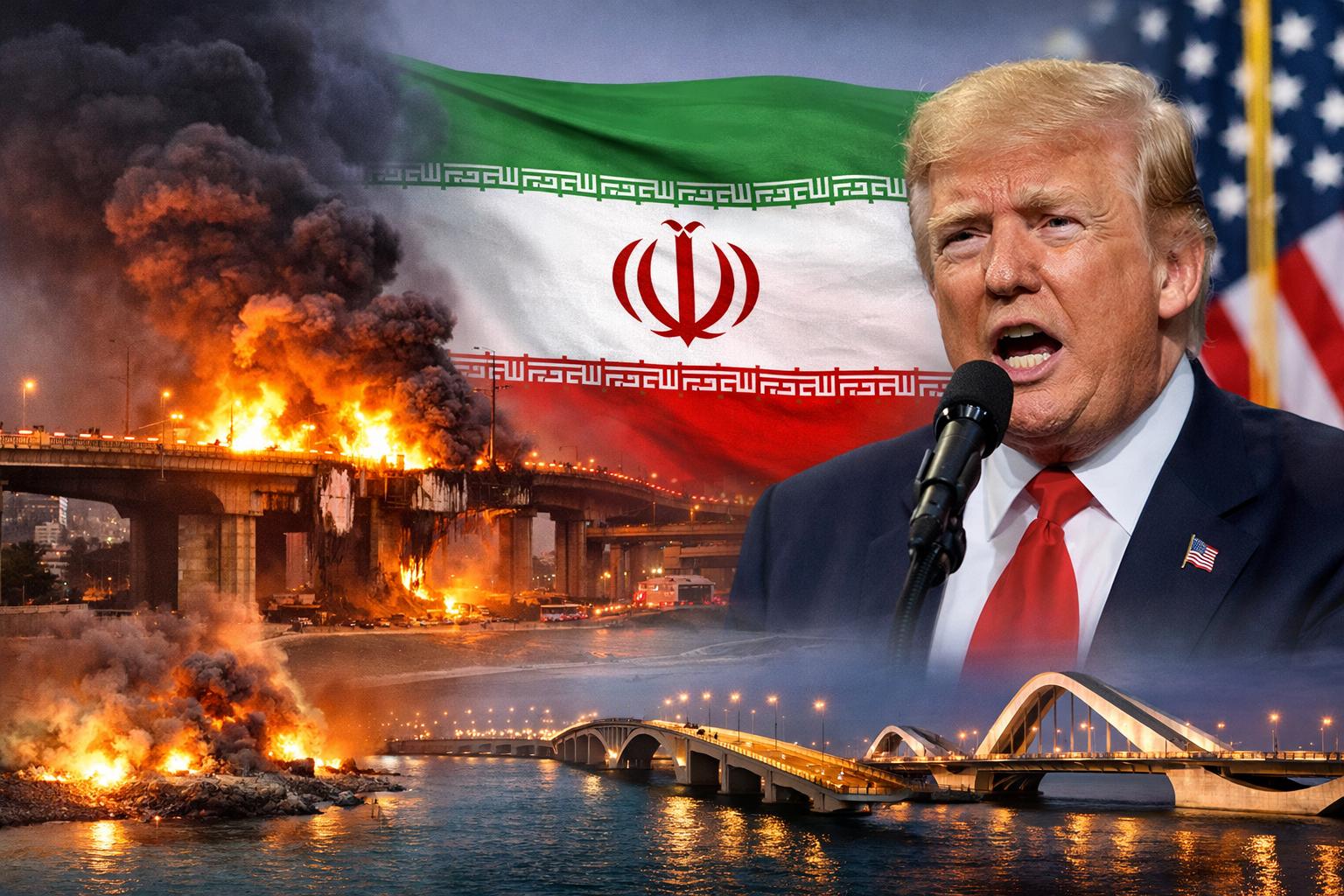
Iran has issued a warning of potential retaliatory strikes targeting major infrastructure across the Middle East following a U.S. military operation that destroyed a key highway bridge linking Tehran and Karaj. The escalation marks a significant development in the ongoing tensions between Washington and Tehran, raising concerns about the security of critical regional transport routes.
According to Iranian state-affiliated media, including Fars News Agency, authorities have identified several prominent bridges in Gulf nations and Jordan as possible targets for future action by the Islamic Revolutionary Guard Corps (IRGC). The list includes high-profile structures such as Kuwait’s Sheikh Jaber Al-Ahmad Al-Sabah Bridge, the King Fahd Causeway connecting Saudi Arabia and Bahrain, and multiple bridges in Abu Dhabi, along with crossings in Jordan and the West Bank.
The warning comes after U.S. forces carried out a strike on Thursday, April 2, 2026, targeting the B1 highway bridge, described as Iran’s tallest, which connects Tehran to the western city of Karaj. Iranian reports indicate that at least two people were killed in the attack. Video footage circulating online showed the structure engulfed in flames, with thick smoke rising from the site.
U.S. President Donald Trump publicly addressed the operation, emphasizing a hardline stance toward Iran’s leadership. In statements posted on his Truth Social platform on Thursday, April 2, 2026, Trump warned Tehran to reach an agreement promptly, suggesting further military action could follow. He indicated that additional infrastructure, including bridges and electric power facilities, could be targeted if tensions continue to escalate.
The developments underscore a growing risk of broader regional instability, particularly as critical infrastructure becomes part of strategic calculations. Analysts note that bridges and transport corridors play a vital role in economic and logistical networks across the Gulf and neighboring regions, making them highly sensitive targets in any conflict scenario.
As both sides exchange warnings and signals, international observers are closely monitoring the situation for signs of further escalation that could impact regional security and global markets.
According to Iranian state-affiliated media, including Fars News Agency, authorities have identified several prominent bridges in Gulf nations and Jordan as possible targets for future action by the Islamic Revolutionary Guard Corps (IRGC). The list includes high-profile structures such as Kuwait’s Sheikh Jaber Al-Ahmad Al-Sabah Bridge, the King Fahd Causeway connecting Saudi Arabia and Bahrain, and multiple bridges in Abu Dhabi, along with crossings in Jordan and the West Bank.
The warning comes after U.S. forces carried out a strike on Thursday, April 2, 2026, targeting the B1 highway bridge, described as Iran’s tallest, which connects Tehran to the western city of Karaj. Iranian reports indicate that at least two people were killed in the attack. Video footage circulating online showed the structure engulfed in flames, with thick smoke rising from the site.
U.S. President Donald Trump publicly addressed the operation, emphasizing a hardline stance toward Iran’s leadership. In statements posted on his Truth Social platform on Thursday, April 2, 2026, Trump warned Tehran to reach an agreement promptly, suggesting further military action could follow. He indicated that additional infrastructure, including bridges and electric power facilities, could be targeted if tensions continue to escalate.
The developments underscore a growing risk of broader regional instability, particularly as critical infrastructure becomes part of strategic calculations. Analysts note that bridges and transport corridors play a vital role in economic and logistical networks across the Gulf and neighboring regions, making them highly sensitive targets in any conflict scenario.
As both sides exchange warnings and signals, international observers are closely monitoring the situation for signs of further escalation that could impact regional security and global markets.