Early-year growth reversed after strong January and February
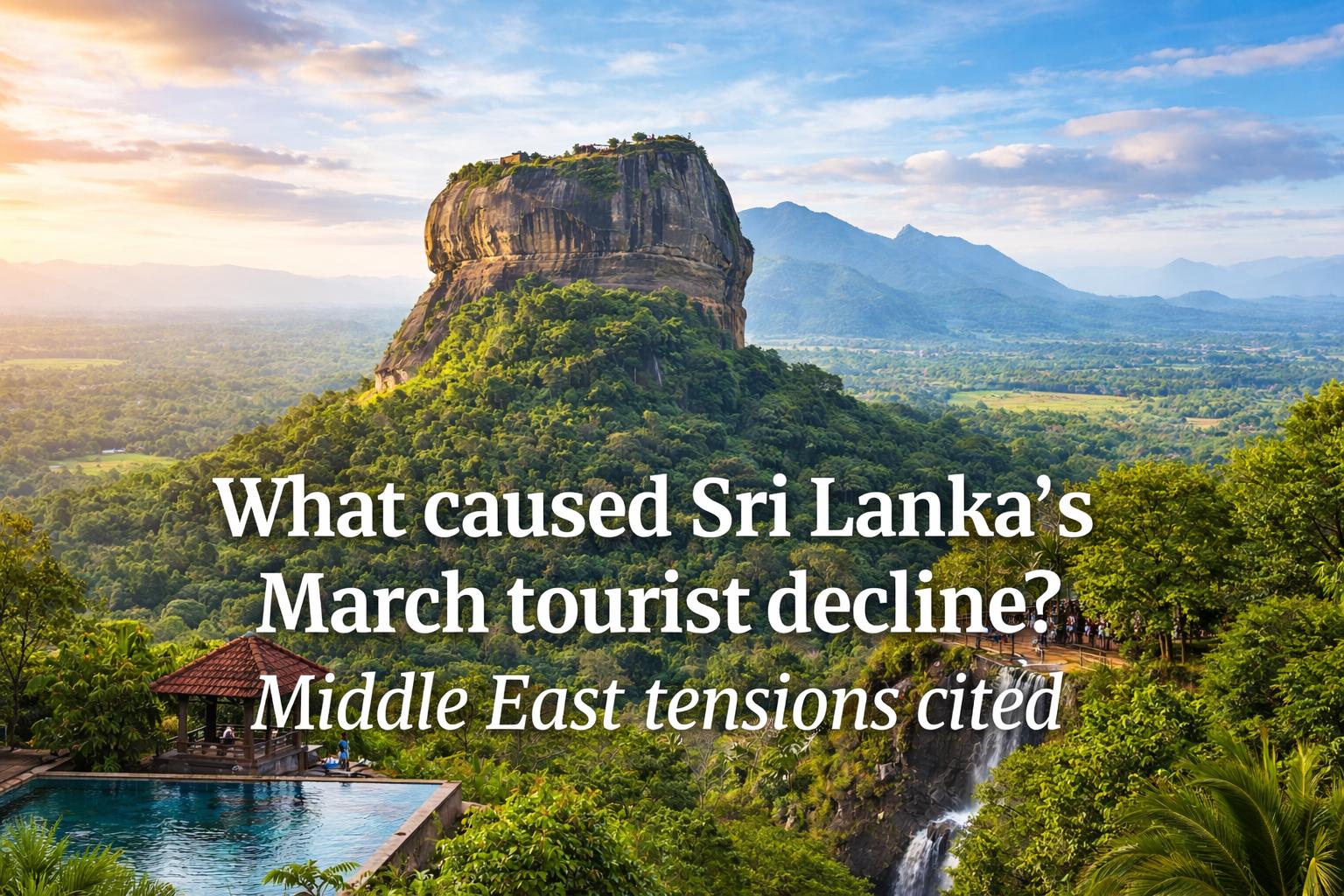
Sri Lanka recorded 277,327 tourist arrivals in January and 279,328 in February, reflecting strong momentum in international travel demand. However, that progress slowed sharply in March, when arrivals dropped to 183,979. Officials described the decline as sudden, noting that geopolitical instability in the Gulf and broader Middle East region played a significant role in dampening travel flows.
India emerges as Sri Lanka’s leading source market
Despite the overall decline, India has become Sri Lanka’s largest source of tourists, with arrivals from the country increasing more than 21 percent year over year. Tourism officials highlighted India’s geographic proximity and strong air connectivity as key advantages, particularly as travelers avoid transiting through Middle Eastern hubs affected by regional tensions.
Air connectivity helps stabilize short-haul travel demand
Flights operating directly between India and Sri Lanka have helped insulate the tourism sector from broader disruptions. Authorities said this connectivity has allowed Sri Lanka to maintain a steady flow of short-haul visitors, partially offsetting declines from long-haul markets, including Europe.
Diverse tourism offerings continue to attract visitors
Sri Lanka remains a year-round travel destination, offering a mix of heritage landmarks, wildlife experiences, and coastal attractions. Visitors often combine multiple destinations such as Colombo and Kandy with beach and hill country stays. Activities range from guided cultural tours and safaris to scenic train journeys, supporting the country’s appeal despite external challenges.