Cuba proposes major shift in economic policy
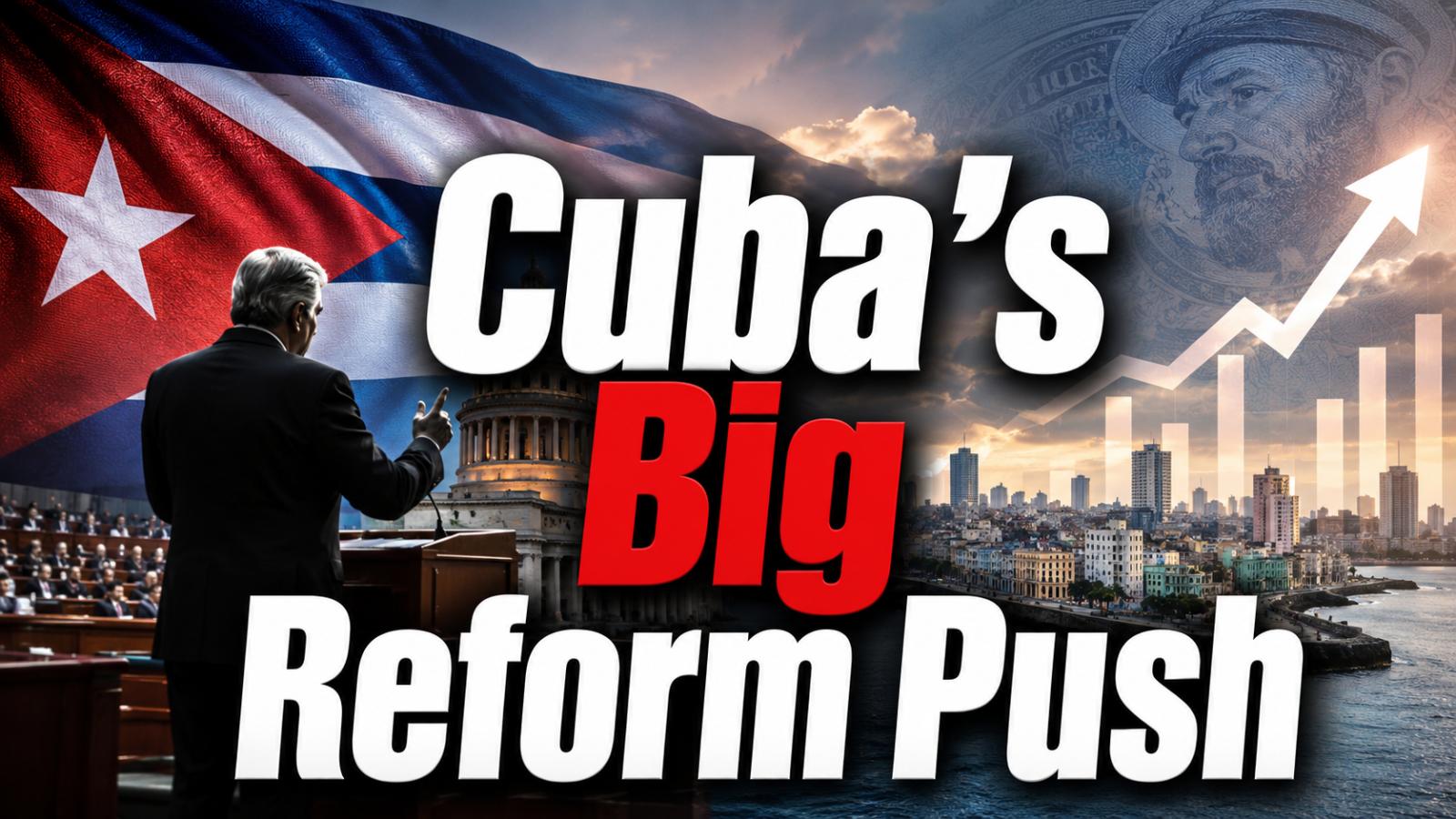
Cuban Prime Minister Manuel Marrero has presented lawmakers with a sweeping economic reform package aimed at reshaping parts of the island’s tightly controlled economy. The proposals, backed by the Communist Party and former leader Raúl Castro, come as Cuba faces rising pressure from US sanctions, a fuel blockade and worsening shortages of basic goods. The package still requires approval from the National Assembly before it can move toward implementation.
During a lengthy address to lawmakers, Marrero outlined 176 proposed reforms covering banking, wages, business ownership, agriculture, foreign investment and state-run companies. The measures would expand the role of the private sector by allowing private real estate projects, permitting private banks to operate and converting some state-owned enterprises into commercial entities with equity stakes. Cuban President Miguel Díaz-Canel has called for urgent changes, warning that delays could deepen the country’s economic crisis.
Private sector expansion at center of plan
One of the most significant parts of the Cuba reforms is the proposed easing of restrictions on private enterprise. For the first time, companies with more than 100 workers would be allowed, while citizens could own more than one business. Foreign investment in privately owned firms would also be authorized under the plan. Marrero said tourism, agriculture and the currency market would be opened to domestic and international private investors, though he did not announce a specific timeline for implementation.
The reform push comes as Cuba’s economy struggles with long power cuts, shortages of food, fuel, drinking water and medicine, and continued pressure from US restrictions. Cuban officials have often blamed the country’s difficulties on the long-standing US trade embargo and recent measures, but Díaz-Canel also acknowledged internal obstacles that are not tied to outside pressure.
The scale of the package signals a possible turning point in Cuba’s economic development model. While the government has not abandoned its political framework, the proposals suggest a wider acceptance of private capital, commercial banking and foreign investment as tools to stabilize the economy. Approval by the National Assembly would mark a major test of how far Cuban leaders are willing to go in changing the country’s economic structure.