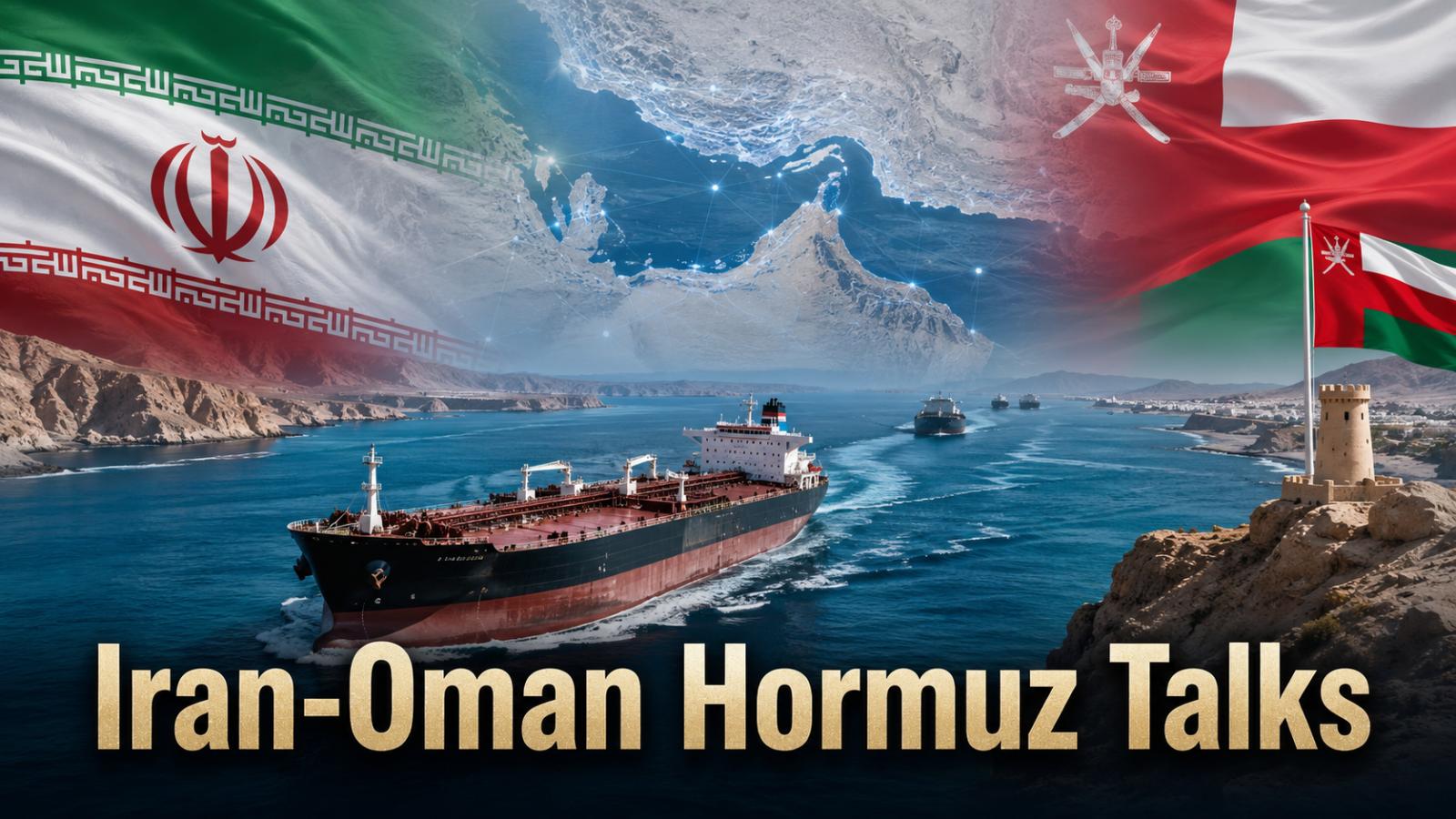
Iran and Oman have opened fresh discussions in Muscat on the future management of the Strait of Hormuz, a key Gulf waterway that remains central to regional trade, energy movement and maritime security. The meeting marked the first formal session of a joint committee formed to discuss navigation, coastal rights and safe passage through one of the world’s most sensitive shipping lanes.
The talks were held between senior officials from both sides, with Iran represented by Deputy Foreign Minister Kazem Gharibabadi and Oman represented by Abdulaziz Al-Hinai, Minister of State for Foreign Affairs. The discussion focused on how countries located near the strait can play a greater role in decisions affecting the waterway, while also keeping commercial movement stable and predictable.
Why the Strait of Hormuz matters
The Strait of Hormuz is a narrow sea route linking the Gulf with wider international waters. It is important because large volumes of oil, gas and commercial cargo move through this passage. Any rise in tension around the strait can quickly affect shipping routes, insurance costs, fuel prices and wider global trade confidence.
For Gulf coastal states, the issue is not only about shipping. It is also about sovereign rights, maritime services, navigation rules and the need to avoid sudden disruptions. Iran and Oman appear to be using the committee as a platform to discuss these concerns through direct regional dialogue instead of leaving the issue only to outside powers.
Muscat’s diplomatic role gains attention
Oman’s role is significant because Muscat has often maintained working relations with different sides in regional disputes. By hosting and taking part in the Hormuz committee, Oman is positioning itself as a steady diplomatic channel at a time when Gulf security remains under close international watch.
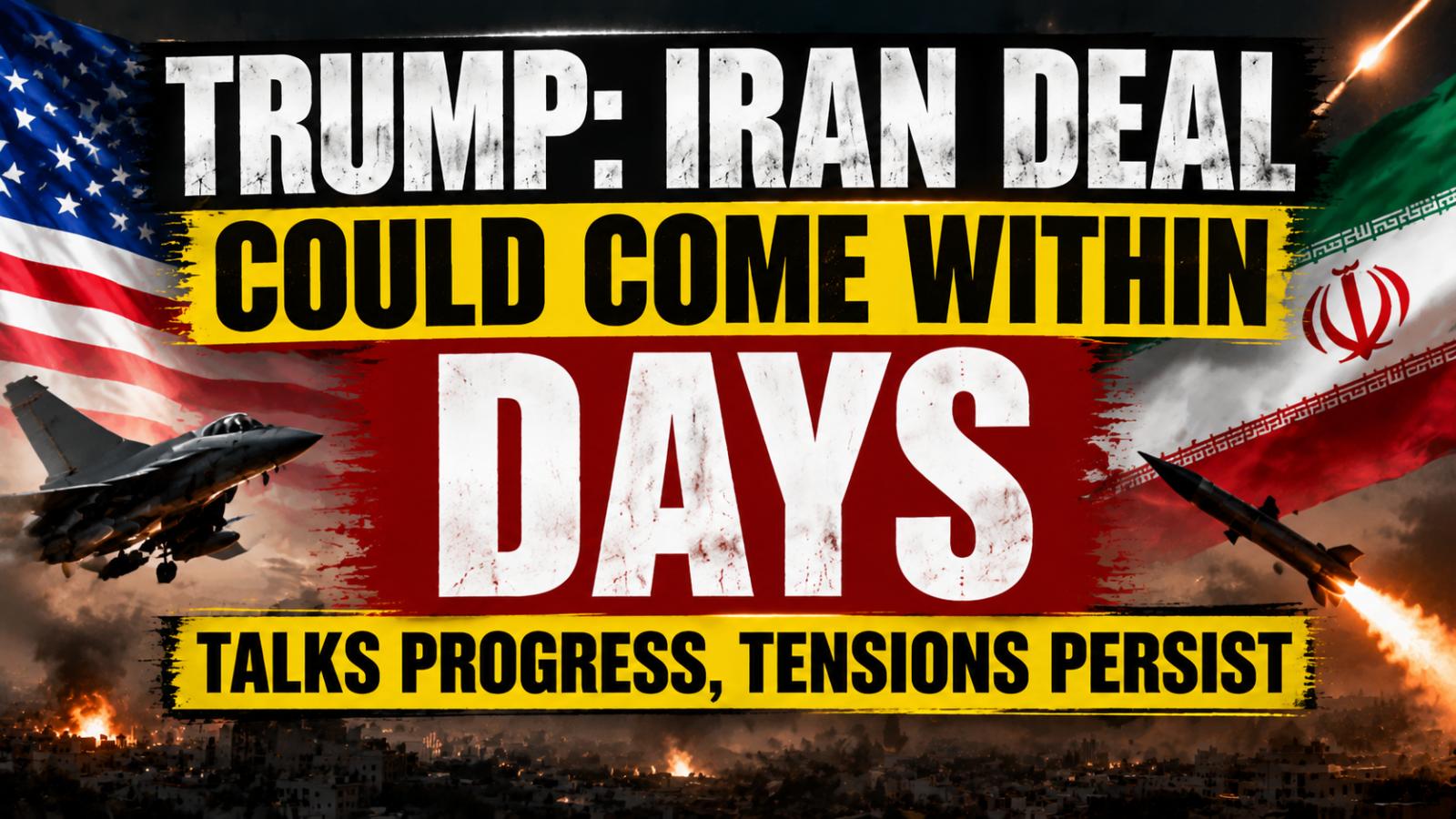
The meeting also comes after wider discussions linked to the Iran-US memorandum of understanding, which included references to safe commercial passage through the Strait of Hormuz. While full details of future arrangements are still unclear, the latest Muscat meeting suggests that Iran and Oman want to build a structured process around maritime coordination.
What could happen next
The first committee meeting is unlikely to settle all disputes linked to the Strait of Hormuz. However, it gives both countries a formal route to continue talks on navigation management, coastal-state involvement and maritime safety. Future sessions may also involve wider consultations with other littoral states and relevant international parties.
For now, the biggest test will be whether the committee can move beyond broad statements and produce clear rules that protect safe passage, reduce confusion for shipping operators and support Gulf stability without creating new political friction.