Jaishankar’s meeting with Wang Yi in Manila highlighted an improving India-China relationship while keeping border peace, trade concerns and diplomatic engagement at the centre. Both sides also discussed practical steps such as direct flights, visas and border trade.
Jaishankar Wang Yi Meeting in Manila
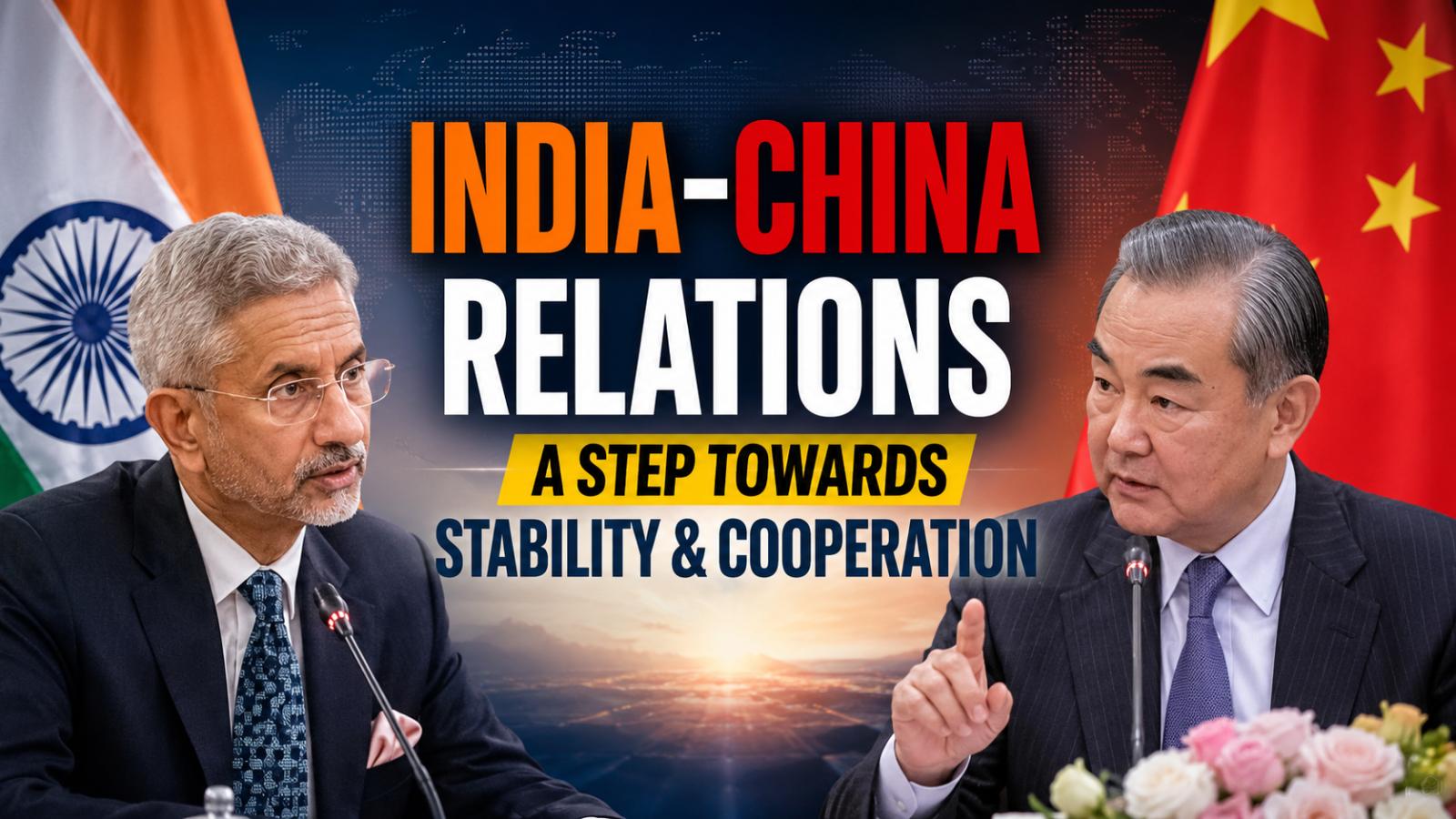
External Affairs Minister Dr S Jaishankar met Chinese Foreign Minister and Communist Party Politburo member Wang Yi in Manila on July 22, 2026, as both leaders attended meetings connected with the Association of Southeast Asian Nations.
The talks marked another attempt to stabilise India-China relations after years of military tension and diplomatic distrust. In opening remarks published by India’s Ministry of External Affairs, Jaishankar said bilateral relations had been gradually normalising since Prime Minister Narendra Modi and Chinese President Xi Jinping met in Kazan in October 2024.
He added that the direction of the relationship received further support when the two leaders met again in Tianjin in August 2025. Jaishankar said a stable relationship between India and China could contribute to a multipolar Asia and a multipolar world.
India-China Border Peace Remains Essential
Jaishankar made clear that progress in other areas cannot replace stability along the Line of Actual Control. He described peace and tranquillity in the border regions as a prerequisite for normal bilateral relations.
India and China have held military and diplomatic discussions since the June 2020 Galwan Valley clash, in which 20 Indian soldiers were killed. China later acknowledged the deaths of four of its soldiers. The confrontation brought relations between the two countries to their lowest point in decades.
Since October 2024, the two sides have continued talks aimed at managing remaining border concerns and preventing new confrontations. Jaishankar said the issue would require constant attention from both governments.
He also referred to the understanding between the countries’ leaders that differences should not become disputes. According to the Indian minister, diplomats carry the responsibility of managing disagreements carefully and preventing them from damaging the wider relationship.
Direct Flights, Visas and Border Trade Resume
The India-China relations update also included several practical developments. Jaishankar welcomed the resumption of direct flights, revised visa arrangements, the restart of the Kailash Manasarovar Yatra and renewed border trade.
These measures could improve travel, religious tourism, business exchanges and contact between citizens. However, their long-term success will depend on whether both governments maintain political trust and avoid fresh military tensions.
Wang Yi attended the China-ASEAN Foreign Ministers’ Meeting in Manila on July 22, according to an announcement from China’s Foreign Ministry. India was among the external partners participating in the wider ASEAN gathering.
India-China Trade Ties Face Imbalance
Despite progress in diplomatic engagement, Jaishankar raised concerns over economic relations. India continues to seek fair market access for its companies, more predictable supply chains and measures to address the large trade imbalance with China.
The trade relationship remains commercially important, but India depends heavily on Chinese products and industrial inputs in several sectors. New Delhi has therefore pushed for diversified supply chains and greater domestic manufacturing while asking Beijing to remove barriers faced by Indian businesses.
India is holding the BRICS chairship in 2026, giving New Delhi another platform for engagement with China and other member countries. China has expressed support for India’s chairship. However, the official BRICS India website does not currently confirm the claim that the leaders’ summit will be held in September, so that detail should not be published without an official announcement.
The Manila meeting does not mean that all major disputes have been resolved. It does show that both countries are maintaining dialogue and rebuilding limited cooperation. Lasting improvement will depend on sustained border calm, balanced economic engagement and consistent diplomatic follow-through.