Riley Moore Criticises India’s FCRA Amendment Bill
Riley Moore’s FCRA criticism has intensified debate over the FCRA Bill 2026, church asset rules and Christian charities. The US Congressman warned that the proposal could affect India-US ties, while the bill applies broadly to foreign-funded organisations.
FCRA Bill 2026 draws US criticism
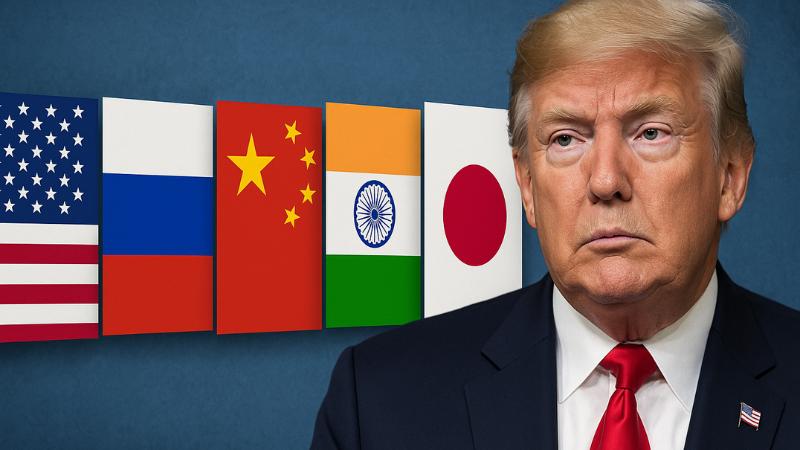
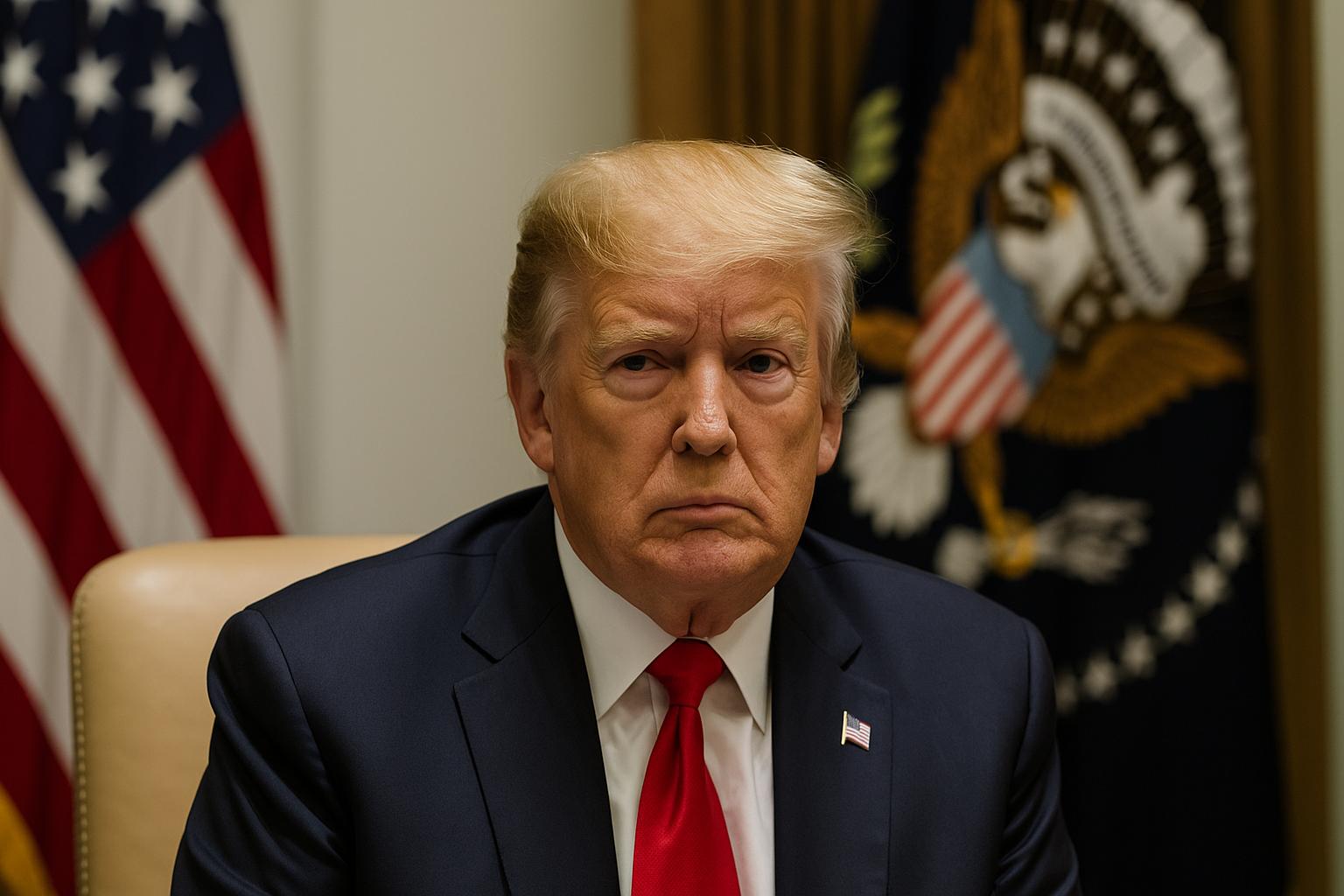
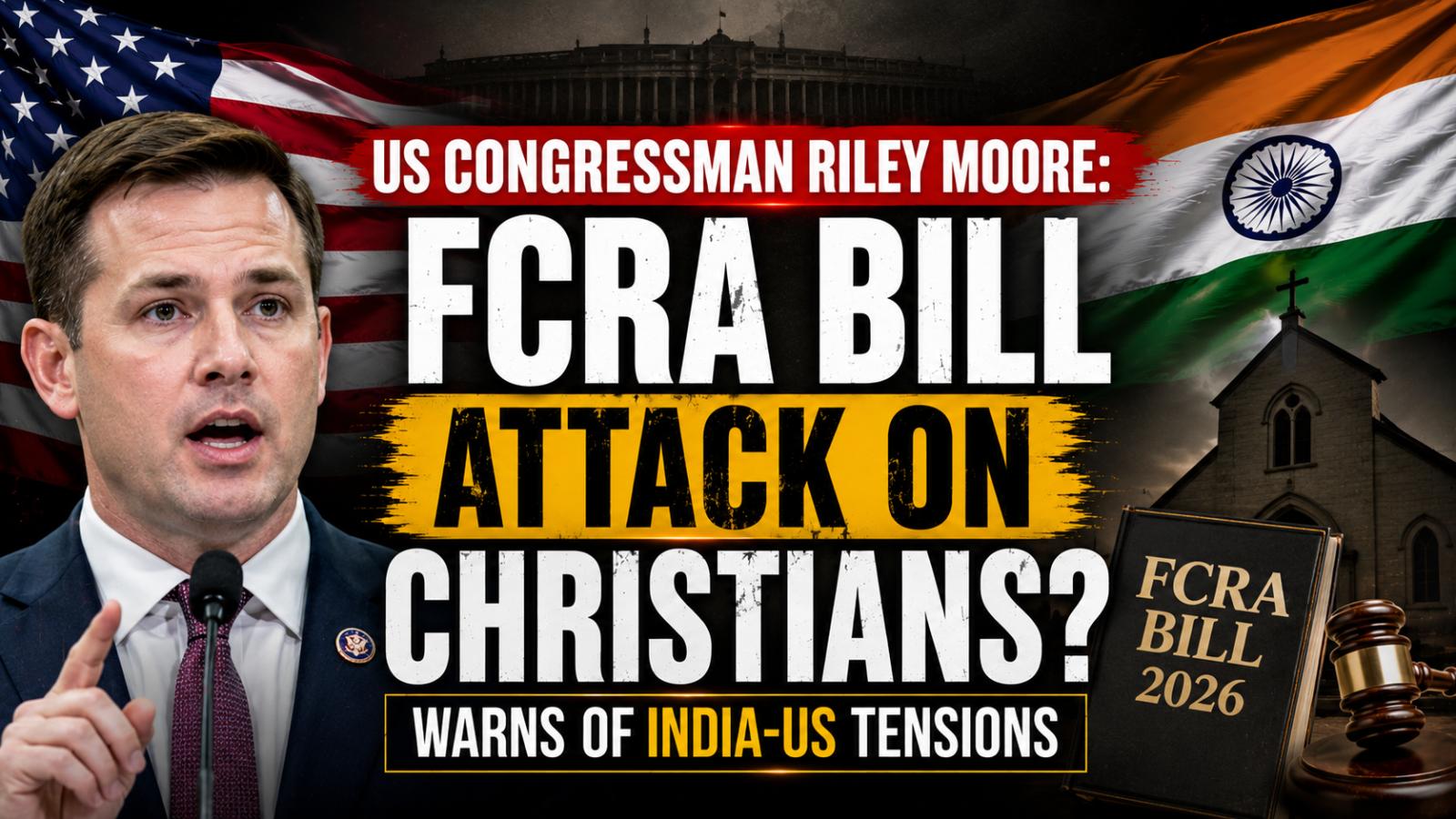
US Congressman Riley Moore has criticised India’s proposed Foreign Contribution (Regulation) Amendment Bill, 2026, describing it as a “clear attack against Christians” and warning that it could become a major concern in relations between India and the United States.
Moore argued that Christianity has a long history in India and claimed the proposed legislation could permit government control over churches and religious charities. His comments added an international dimension to a domestic debate that has already drawn criticism from church groups, opposition politicians and civil society organisations.
However, Moore’s description represents his interpretation of the bill. The legislation does not explicitly authorise a general takeover of churches, nor does it apply exclusively to Christian organisations.
Church asset rules raise concerns
The bill proposes a new framework for managing foreign contributions and assets created from those funds when an organisation no longer holds a valid FCRA certificate. This could occur when registration is cancelled, voluntarily surrendered, denied renewal or not renewed within the required period.
Under the proposal, such foreign-funded assets may vest in a designated authority responsible for their supervision, management or disposal. Where an asset or part of it is a place of worship, the authority may entrust its management to another person while being required to preserve its religious character.
Critics fear these provisions could give the government extensive control over schools, hospitals, charities and places of worship built partly through overseas donations. Supporters may argue that the framework prevents foreign-funded property from being misused after an organisation loses legal permission to receive such money.
Christian charities question safeguards
Christian organisations have expressed particular concern because many churches, hospitals, educational institutions and welfare groups have historically relied on overseas donations. Some religious leaders argue that transferring control of their assets without strong judicial oversight could disrupt essential services and weaken property rights.
Tamil Nadu Chief Minister M.K. Stalin has also urged the central government to withdraw the bill, alleging that it poses a threat to charitable institutions and minority communities. Similar objections have focused on whether organisations would receive sufficient opportunity to challenge government action before their assets are transferred.
The concerns are not limited to Christian bodies. The proposed system could affect any association, educational institution, religious organisation or non-governmental group holding assets created through foreign contributions.
India-US ties warning adds pressure
Moore warned that advancing the legislation in its present form could create tension in India-US relations. His remarks do not amount to an official policy announcement by the US government, but they indicate that India’s regulation of religious charities and overseas donations is attracting attention among American lawmakers.
The Foreign Contribution Regulation Act, 2010, regulates how organisations receive and use donations from foreign governments, companies, trusts, societies and individuals. The government maintains that these controls protect national interests and improve accountability in foreign funding.
Parliament faces questions over oversight
The FCRA Amendment Bill was introduced in the Lok Sabha on March 25, 2026, and was listed for consideration during the Monsoon Session. Its outcome will depend on parliamentary debate and any changes made before passage.
The central issue is not simply whether foreign funding should be regulated. India already has broad authority to monitor it. The real question is whether the proposed asset-management powers include enough notice, appeal rights, independent oversight and protection against arbitrary action.
Moore’s allegation should therefore be presented as criticism rather than established fact. The bill creates substantial government powers over foreign-funded assets, but describing it as a direct takeover of churches ignores both its wider application and its stated requirement to preserve the religious character of places of worship.