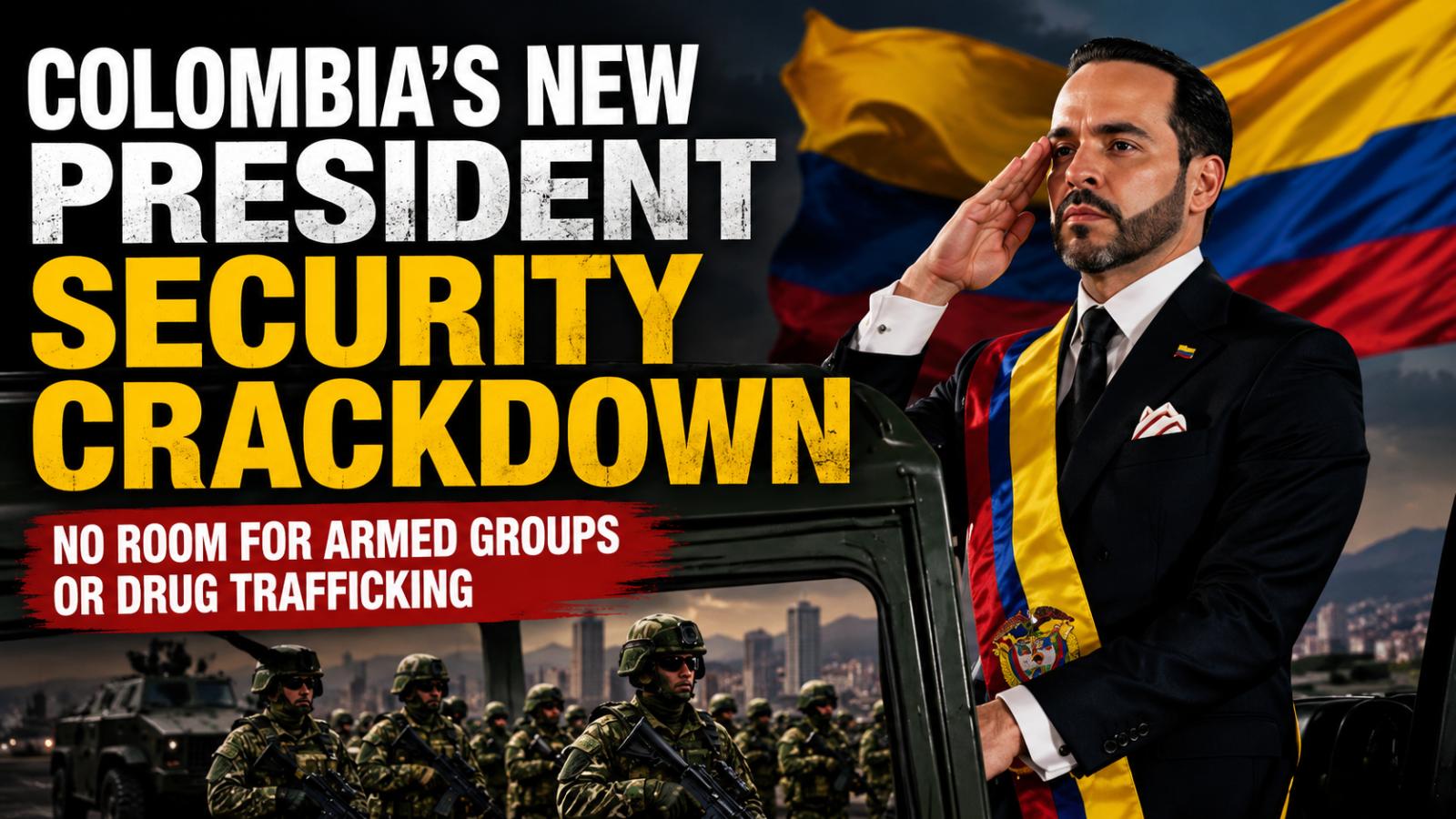
Colombia's new President Abelardo de la Espriella has launched an ambitious security agenda, promising to confront armed groups and drug trafficking with tougher military action. In his first address after taking office, he ruled out further peace talks, outlined closer cooperation with the United States and introduced plans that signal a major change in Colombia's national security strategy.
Armed Groups Face Tougher Action
President Abelardo de la Espriella used his first official speech to thousands of soldiers in Cali to declare that Colombia would no longer negotiate with armed groups threatening national stability. He said the government would relentlessly pursue organizations linked to drug trafficking and violence, insisting that previous attempts at dialogue had reached their limit.
The announcement represents a significant policy shift from the previous administration, which had focused on negotiations with guerrilla organizations and other armed factions. The new government argues that restoring public security requires stronger enforcement measures rather than continued peace talks.
Drug Trafficking Strategy
A central part of the president's agenda is an expanded campaign against cocaine production and trafficking. His administration plans to intensify operations against coca cultivation and illegal laboratories while strengthening law enforcement efforts in regions where criminal organizations remain active.
De la Espriella has also proposed building large correctional facilities and introducing tougher measures against organized crime. His broader security strategy, described as "Plan Colombia II," seeks to revive elements of the earlier US-backed anti-drug initiative while adapting them to current security challenges. The original program significantly weakened several armed organizations but also drew criticism from human rights groups over reported abuses.
Plan Colombia and US Partnership
The president has pledged to strengthen Colombia's military relationship with the United States and expand cooperation with Israel on security matters. Among his proposals is allowing US forces to operate from Colombian territory in support of anti-narcotics missions, a move that would represent a notable shift in bilateral defense cooperation.
His administration also supports policies including reduced government spending, tax reductions for higher-income Colombians and the expansion of domestic energy production through fracking. These proposals reflect the government's broader right-leaning economic and security agenda.
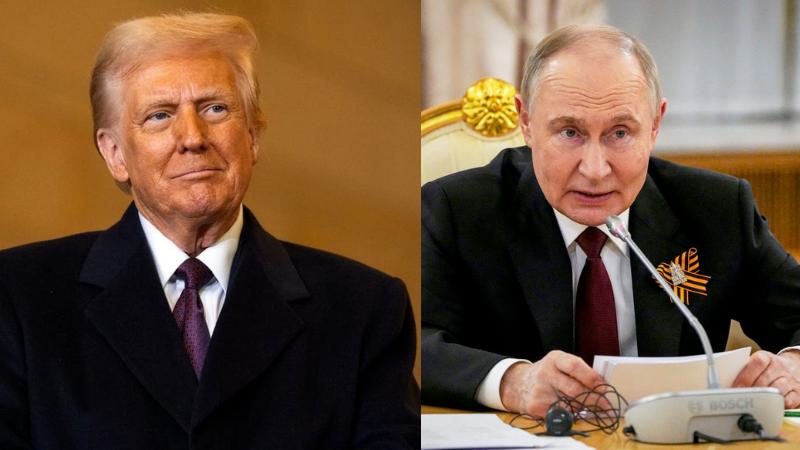
According to remarks made during the inauguration, the administration intends to coordinate closely with Washington under President Donald Trump on regional security and counter-narcotics efforts.
Congress Challenge and Political Outlook
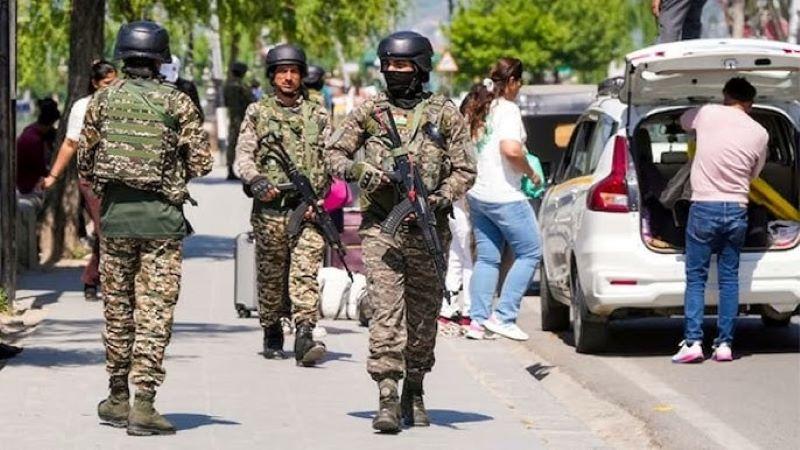
The inauguration itself broke with tradition by taking place in Cali instead of Bogotá. Authorities deployed approximately 11,000 security personnel along with anti-drone systems because of recent attacks in the region. The ceremony was attended by several international guests, including Argentine President Javier Milei, acting US Attorney General Todd Blanche and FIFA President Gianni Infantino.
Although De la Espriella secured victory in the presidential election by less than one percentage point, his government begins with a divided Congress and no clear legislative majority. That political reality could complicate efforts to pass major security, economic and institutional reforms.
His predecessor, Gustavo Petro, did not attend the inauguration, underscoring the political divide following Colombia's transition from its first left-wing government to a conservative administration focused on law enforcement and security.
Government officials say restoring order, reducing drug-related violence and rebuilding investor confidence will be immediate priorities. Whether the administration can translate its ambitious promises into legislation and measurable security improvements will depend not only on military operations but also on its ability to secure congressional support.
The president's statements during his inauguration and first military address outline a decisive change in Colombia's direction. While supporters believe the tougher approach is necessary to combat organized crime, critics are expected to closely monitor its implementation, particularly regarding civil liberties and human rights. As the new administration begins, Colombia enters a new political chapter defined by a stronger emphasis on security, international cooperation and institutional reform.