Trump’s India voter ID remarks have renewed debate over the SAVE America Act as India conducts its SIR 2026 exercise. While Trump praised India’s voter identification system, voter roll exclusions in Maharashtra, Delhi and West Bengal have raised concerns over electoral access and voting rights.
Trump India voter ID example enters US election debate
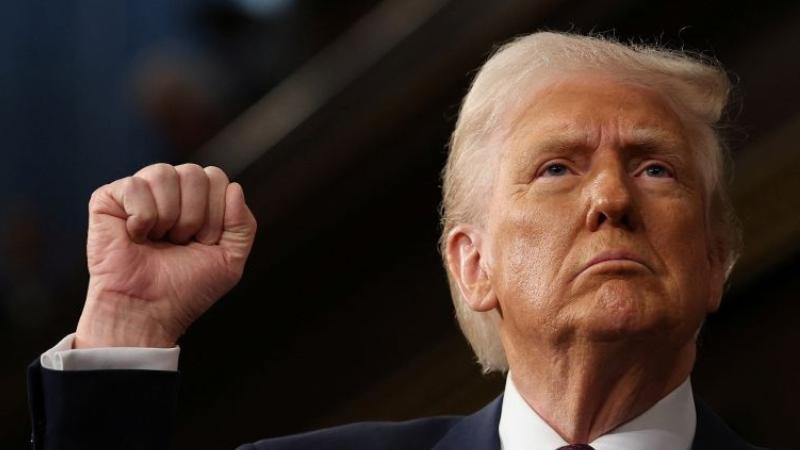
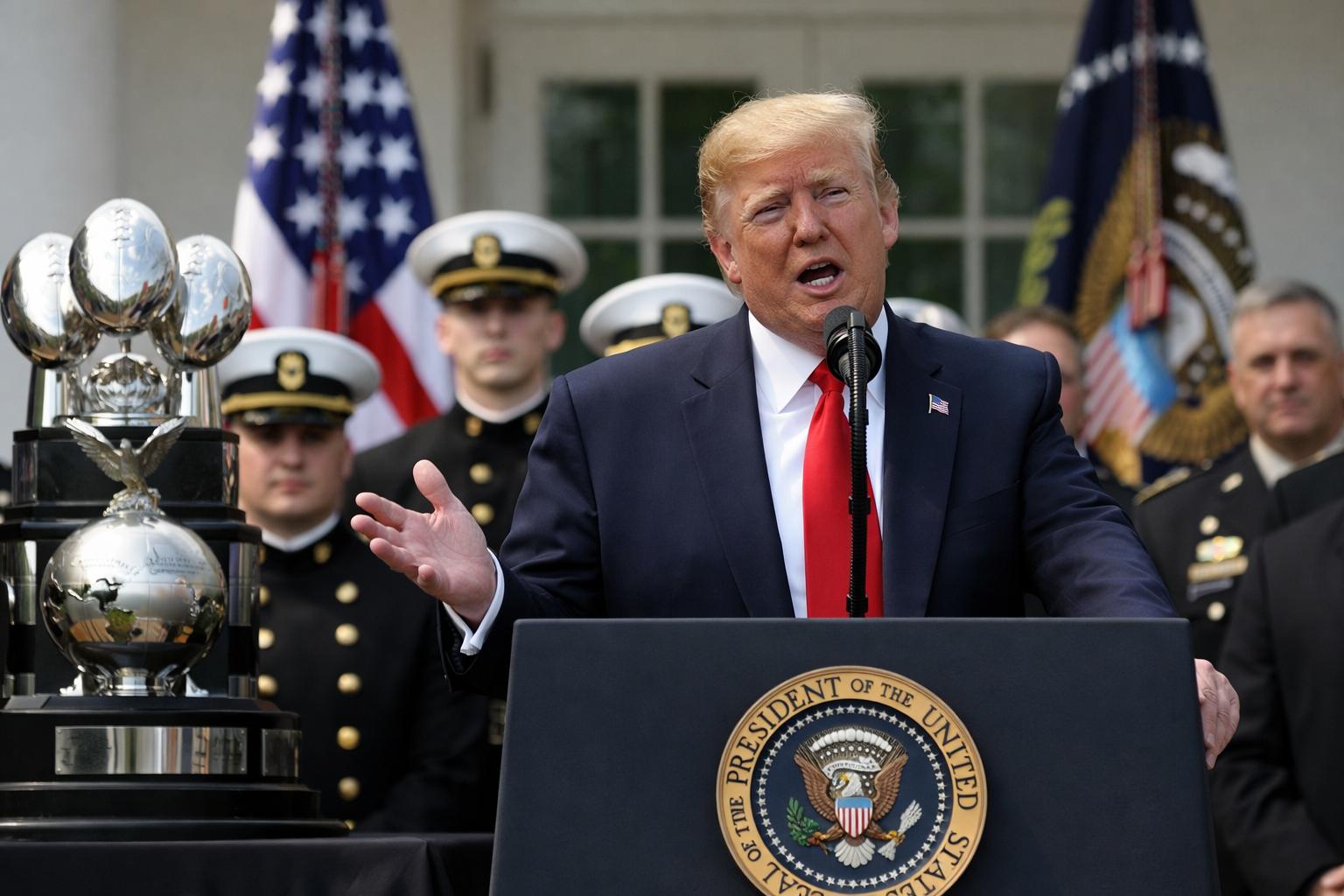
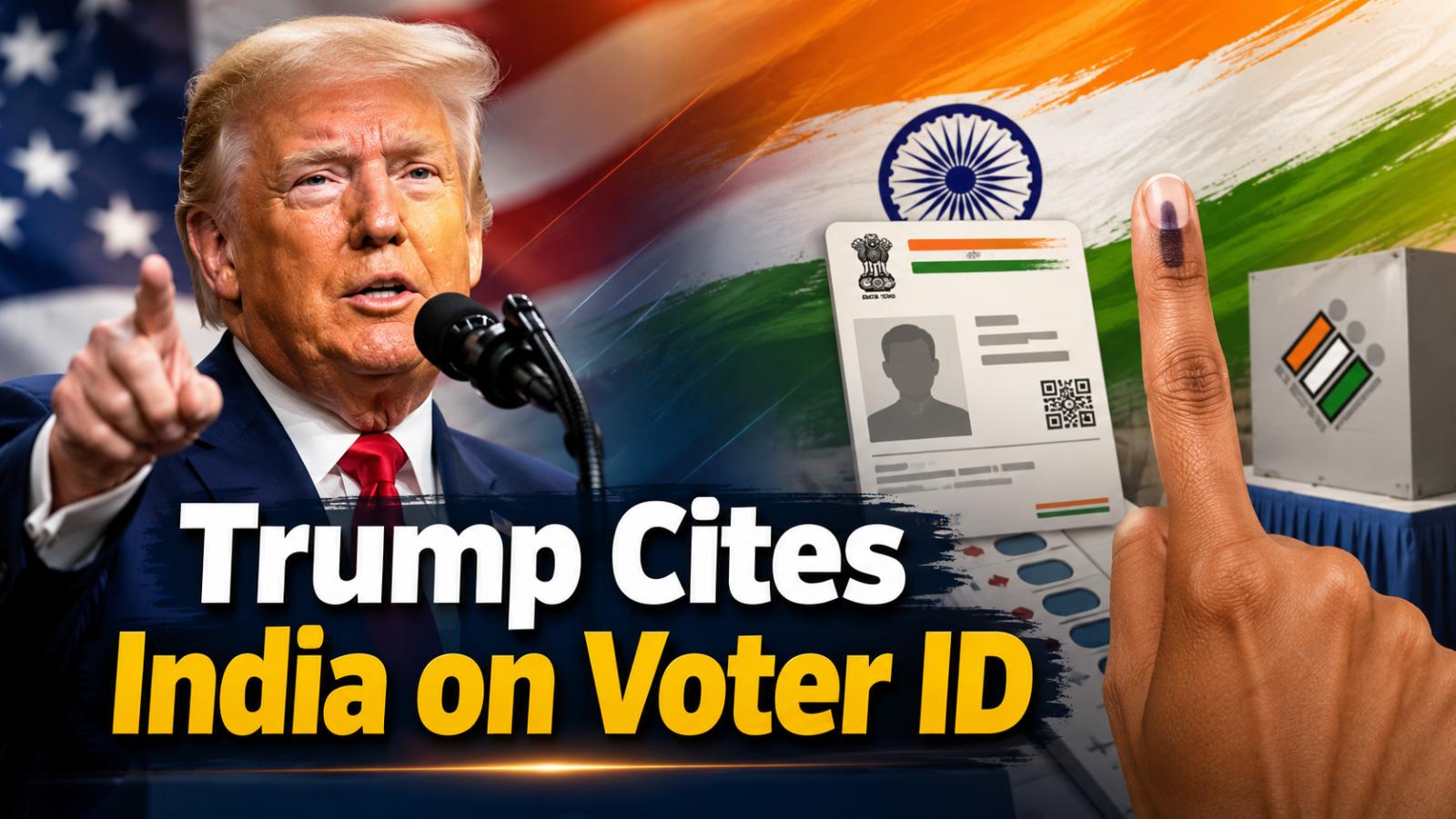
US President Donald Trump has again pushed for stricter voter identification rules, citing India's election system while urging lawmakers to advance the SAVE America Act. His remarks have brought together two politically sensitive debates: America's proposed citizenship and voter ID requirements and India's ongoing revision of electoral rolls.
Trump said India handled an election involving about 646 million voters with very limited mail voting and required voters to establish their identity. His comments followed an August 12 interaction involving India's Chief Election Commissioner Gyanesh Kumar and US Ambassador to India Sergio Gor. Reports of the exchange said Kumar discussed India's use of electoral photo identity cards and questioned differences between Indian and American voting procedures.
India's system, however, should not be reduced to a single-card requirement. Election Commission rules allow electors without their Electoral Photo Identity Card to establish identity using specified alternative photo documents. That distinction matters when comparing two election systems operating under different constitutional and administrative frameworks.
SAVE America Act seeks tighter citizenship checks
The SAVE America Act would require documentary proof of US citizenship for federal voter registration and introduce stricter photo identification requirements for voting. The White House describes the legislation as an election-integrity measure aimed at verifying citizenship before registration.
The House passed the legislation in February 2026, but it later stalled in the Senate. Trump has continued pressing senators to approve it, while supporters argue that common national standards could strengthen confidence in elections. Critics counter that documentary requirements could prevent eligible citizens who lack immediate access to passports, birth certificates or other qualifying records from registering easily.
Maharashtra SIR puts millions of records under scrutiny
The comparison comes as India's own Special Intensive Revision, or SIR 2026, faces scrutiny. Maharashtra has about 9.78 crore electors, and more than 2.07 crore enumeration forms were classified as uncollected as the enumeration phase concluded. The state's draft electoral roll is scheduled for publication on August 24, followed by a claims-and-objections period before the final roll.
Election authorities have classified the affected records under categories including permanently shifted, absent or not found, deceased and duplicate registrations. Importantly, appearance in this pool does not necessarily mean permanent loss of voting rights. Eligible citizens can seek inclusion or challenge exclusions during the statutory revision process.
Delhi SIR raises similar voter roll concerns
Delhi is facing its own verification challenge. Official figures reported shortly before the August 17 deadline showed about 47.9 lakh registered voters had yet to submit their enumeration forms. The Delhi CEO has also clarified that absence from an older electoral roll alone does not automatically justify deletion; non-submission of the required form or failure to qualify as an elector can lead to exclusion from the draft roll.
The CEO's official website says the Election Commission launched SIR across 19 states and Union Territories to update and verify voter lists. Political parties have nevertheless raised concerns over form distribution and the possibility that eligible residents could be left out.
Bengal experience sharpens voting-rights questions
Those concerns gained urgency after West Bengal's 2026 revision. More than nine million voter entries were removed during the broader SIR process before the Assembly election, while millions of disputed cases went through adjudication and appeals.
That experience highlights the central policy challenge. Cleaning electoral rolls can remove deceased voters, duplicates and people who permanently relocate, but accuracy depends equally on protecting legitimate electors from erroneous exclusion.
Trump's praise therefore presents only one side of India's election model. Photo identification can strengthen identity verification, but voter ID and citizenship verification are separate issues. For both India and the United States, the stronger test of election integrity is whether rules prevent unlawful voting without creating unnecessary barriers for citizens who are legally entitled to vote.