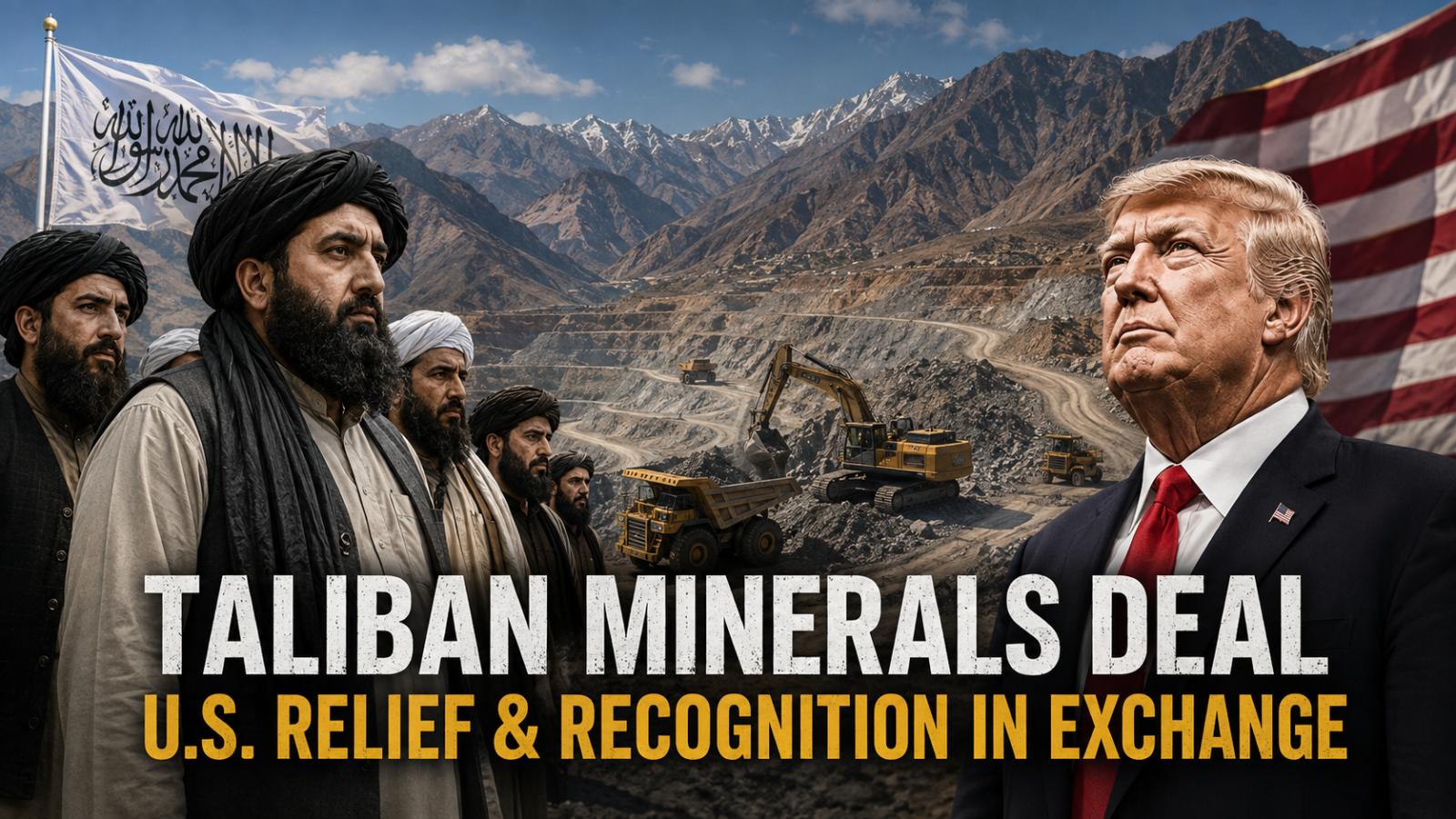
Afghanistan’s mineral wealth has emerged as a key part of the Taliban government’s attempt to improve relations with the United States. Foreign Minister Amir Khan Muttaqi says Kabul would welcome American investment in mining, infrastructure, agriculture and trade while seeking sanctions relief and access to frozen Afghan central bank reserves.
Afghanistan mineral wealth becomes Taliban’s US pitch
Five years after the Taliban returned to power, its government is signaling that future economic cooperation with Washington should take priority over the two countries’ history of conflict. In an interview published by the Financial Times, Muttaqi said Afghanistan would welcome American companies and also raised the possibility of reopening the US embassy in Kabul.
The outreach represents a significant shift in tone after two decades of fighting between Taliban forces and the US-led coalition. For Kabul, improved ties could help attract investment, reduce international isolation and reopen access to financial resources that remain beyond the Taliban administration’s control.
Taliban investment offer focuses on mining
Minerals sit at the center of the economic pitch. Afghanistan has substantial deposits of copper, iron, gold, lithium, rare-earth elements and other resources. US Geological Survey assessments have documented extensive mineral potential across the country, although further exploration and infrastructure would be required before many deposits could be commercially developed.
The often-repeated claim that Afghanistan possesses about $1 trillion in mineral wealth should be treated as an estimate rather than a proven reserve valuation. USGS officials have previously distanced the agency from the headline figure, explaining that it was derived by applying commodity prices to estimated resources rather than calculating economically recoverable reserves.
The Taliban says it has signed more than $7 billion in mining agreements since returning to power, including deals involving regional partners. However, signed contracts do not necessarily mean projects have reached commercial production. Afghanistan still faces major constraints involving electricity, roads, rail links, financing and technical expertise.
Frozen assets and sanctions remain major barriers
The Taliban is also seeking access to roughly $9.5 billion in Afghan central bank reserves that became inaccessible after its 2021 takeover. About $7 billion had been held in the United States, although part of those reserves was later transferred into the Switzerland-based Afghan Fund under a separate arrangement.
Sanctions remain another obstacle. Several senior Taliban figures continue to face UN restrictions, while international criticism of the government has intensified over limits on women’s education, employment and participation in public life.
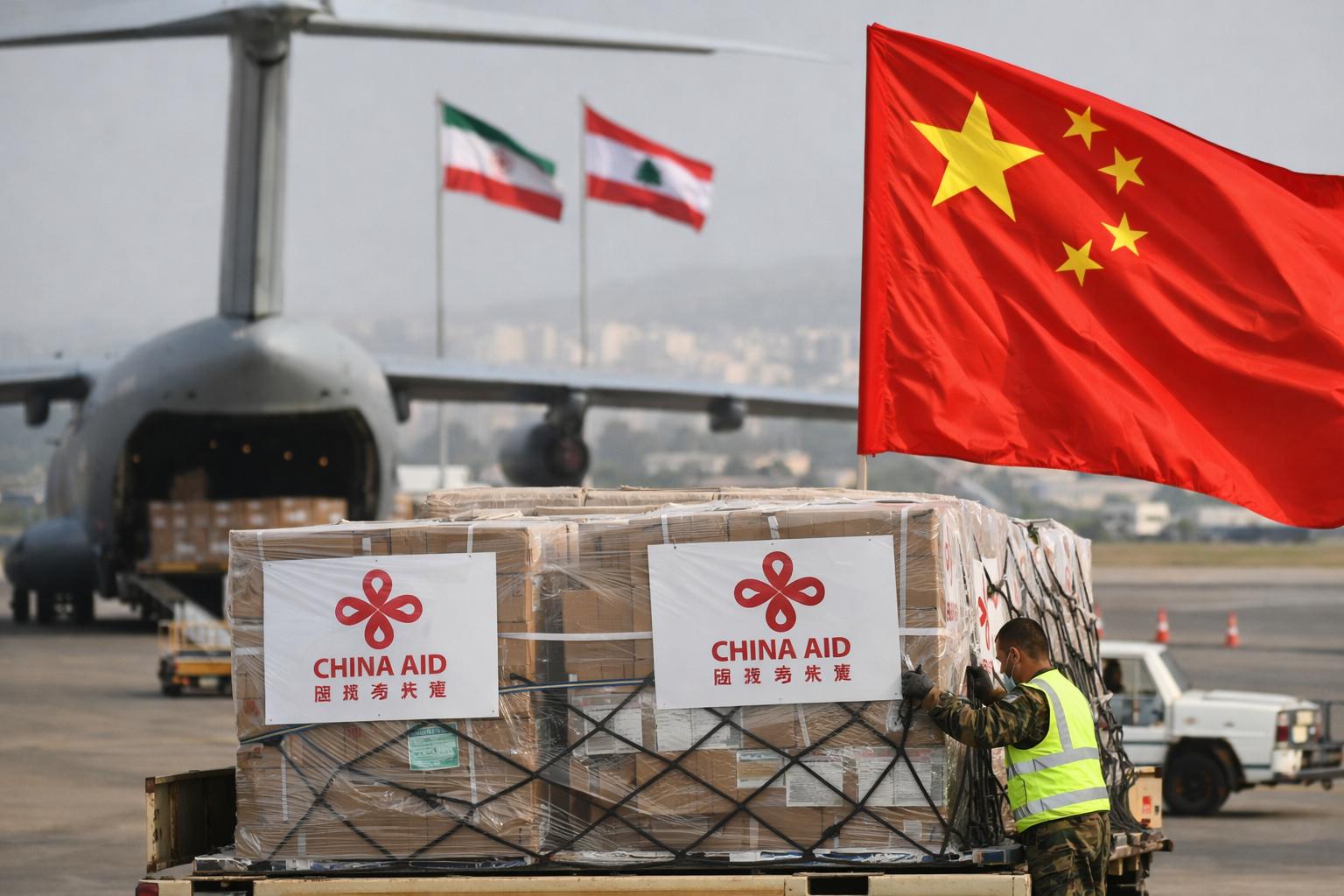
Russia became the first country to formally recognize the Taliban government in July 2025. Other governments, including China, have maintained diplomatic and economic engagement without extending the same formal recognition.
Critical minerals could attract Washington’s attention
The Taliban appears to be betting that access to copper, lithium and rare-earth resources could interest an administration focused on securing critical mineral supply chains and reducing dependence on China.
That strategy, however, faces a major reality check. Mineral potential alone is unlikely to erase disagreements over sanctions, human rights, terrorism concerns and security. Washington would also have to weigh investment risks, legal restrictions and the cost of developing mines in a country with limited transport and power infrastructure.
The relationship also carries unresolved security questions. The Taliban has rejected renewed foreign military deployment in Afghanistan, including US interest in regaining access to Bagram Airfield.
For Kabul, mineral wealth offers a potentially powerful bargaining chip. Whether it is enough to produce a meaningful reset with the Trump administration will depend on far more than what lies beneath Afghanistan’s mountains.