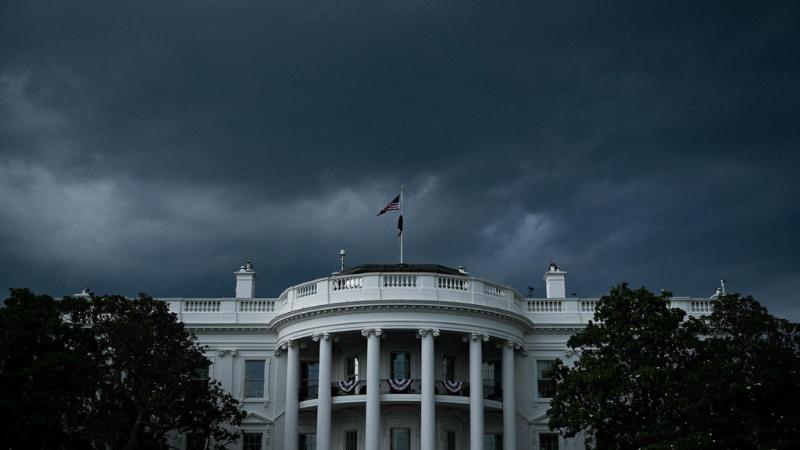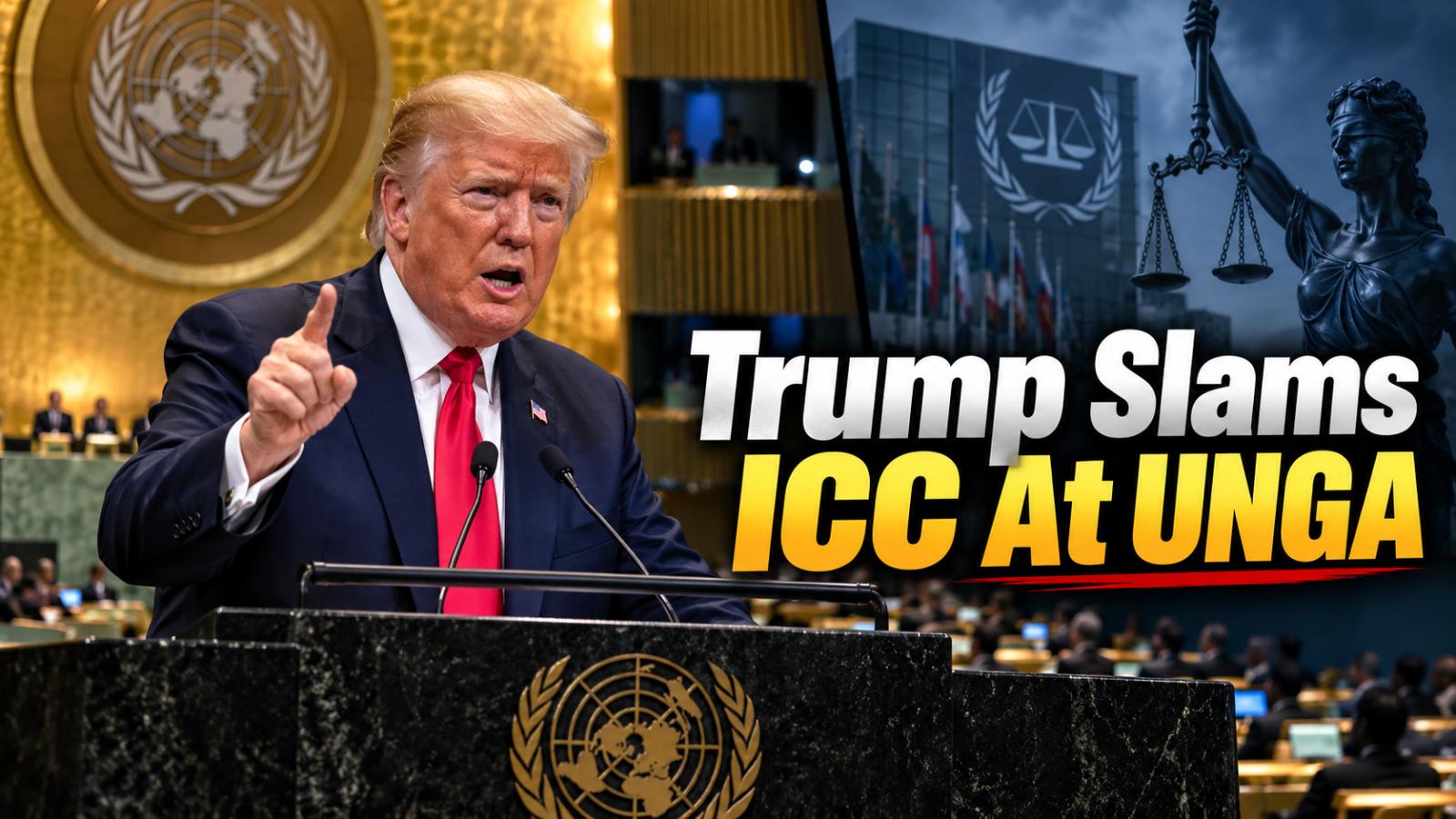
President Donald Trump used his September 22 address to the 81st United Nations General Assembly to launch a direct attack on the International Criminal Court, while also setting out US positions on Gaza, Iran, artificial intelligence, Venezuela, Greenland and the United Nations itself. The White House described the speech as a defense of American sovereignty and national interests.
ICC exit call challenges court authority
The Trump ICC attack became one of the sharpest moments of the speech. Trump called the ICC an “out-of-control” institution and urged countries that belong to the court to withdraw. He argued that the United States would not accept investigations or prosecutions involving American personnel by a tribunal whose authority Washington disputes.
The US is not a party to the Rome Statute. However, the ICC maintains that it can exercise jurisdiction in certain cases involving conduct on the territory of a state that has accepted the court’s authority. That legal position has been central to disputes over investigations involving Afghanistan and the Palestinian territories. In 2024, the ICC also issued arrest warrants for Israeli Prime Minister Benjamin Netanyahu and former defence minister Yoav Gallant after rejecting Israel’s jurisdictional objections.
Gaza war claim and Iran-Hamas ties
Trump also said his administration had helped bring an end to the Gaza war and return remaining hostages. Those were claims made by the president during his UN address and should be presented as such rather than as independent conclusions.
He then linked Hamas to Iranian support and again argued that Tehran must never obtain a nuclear weapon. The official White House summary of the speech records Trump describing Iran as a major security threat and referring to Hamas as being funded by Iran.
AI rename puts super intelligence in focus
Technology became another major theme when Trump said the US government would begin referring to artificial intelligence as “Super Intelligence.” He argued that the term “artificial” makes the technology sound less real and said his administration would resist broad international controls that could slow development.
The White House account confirms that Trump rejected what he called a global system of control over AI and used the new “Super Intelligence” terminology during the speech. He also framed technological leadership as a strategic competition in which the United States intends to remain ahead.
Greenland deal and Venezuela policy highlight US power
Trump also highlighted US military and strategic policy in the Western Hemisphere. He said Washington would use military power where necessary to protect American interests and pointed to Venezuela as an example of that approach. The White House summary records him saying the US would no longer allow threats to gain a foothold in the hemisphere.
Separately, the White House announced a new security agreement involving the United States, Denmark and Greenland. According to the administration, the arrangement expands long-term US security access in Greenland while preserving Danish sovereignty and Greenlandic self-determination. The agreement also strengthens cooperation in Arctic and North Atlantic security.
UN criticism and Ukraine diplomacy
Trump closed significant portions of the speech by criticizing parts of the UN system, including human-rights bodies and international regulatory efforts. He argued that the organization should focus more on sovereignty and security rather than what he described as global governance.
He also said Washington remained engaged with Russia and Ukraine and expressed confidence that a negotiated end to the war could come sooner than expected. Taken together, the speech presented a broad vision of US foreign policy built around sovereignty, military strength, technology leadership and skepticism toward international institutions that Trump believes limit American decision-making.