


















- Home
- Articles
- Global News
- 2026
- April
7.4 magnitude earthquake strikes Indonesia, one dead, tsunami alert lifted
powerful 7.4-magnitude earthquake struck the Molucca Sea near Indonesia’s Ternate island at 06:48 AM local time on Thursday, April 2, 2026 (22:48 GMT on Wednesday, April 1, 2026), leaving at least one person dead and prompting widespread panic across the region. Authorities confirmed that a 70-year-old woman in North Sulawesi died after being crushed by falling debris, while another individual was injured after jumping from a building during the tremors. The earthquake, whic
7.4 magnitude earthquake strikes Indonesia, one dead, tsunami alert lifted
powerful 7.4-magnitude earthquake struck the Molucca Sea near Indonesia’s Ternate island at 06:48 AM local time on Thursday, April 2, 2026 (22:48 GMT on Wednesday, April 1, 2026), leaving at least one person dead and prompting widespread panic across the region. Authorities confirmed that a 70-year-old woman in North Sulawesi died after being crushed by falling debris, while another individual was injured after jumping from a building during the tremors. The earthquake, whic
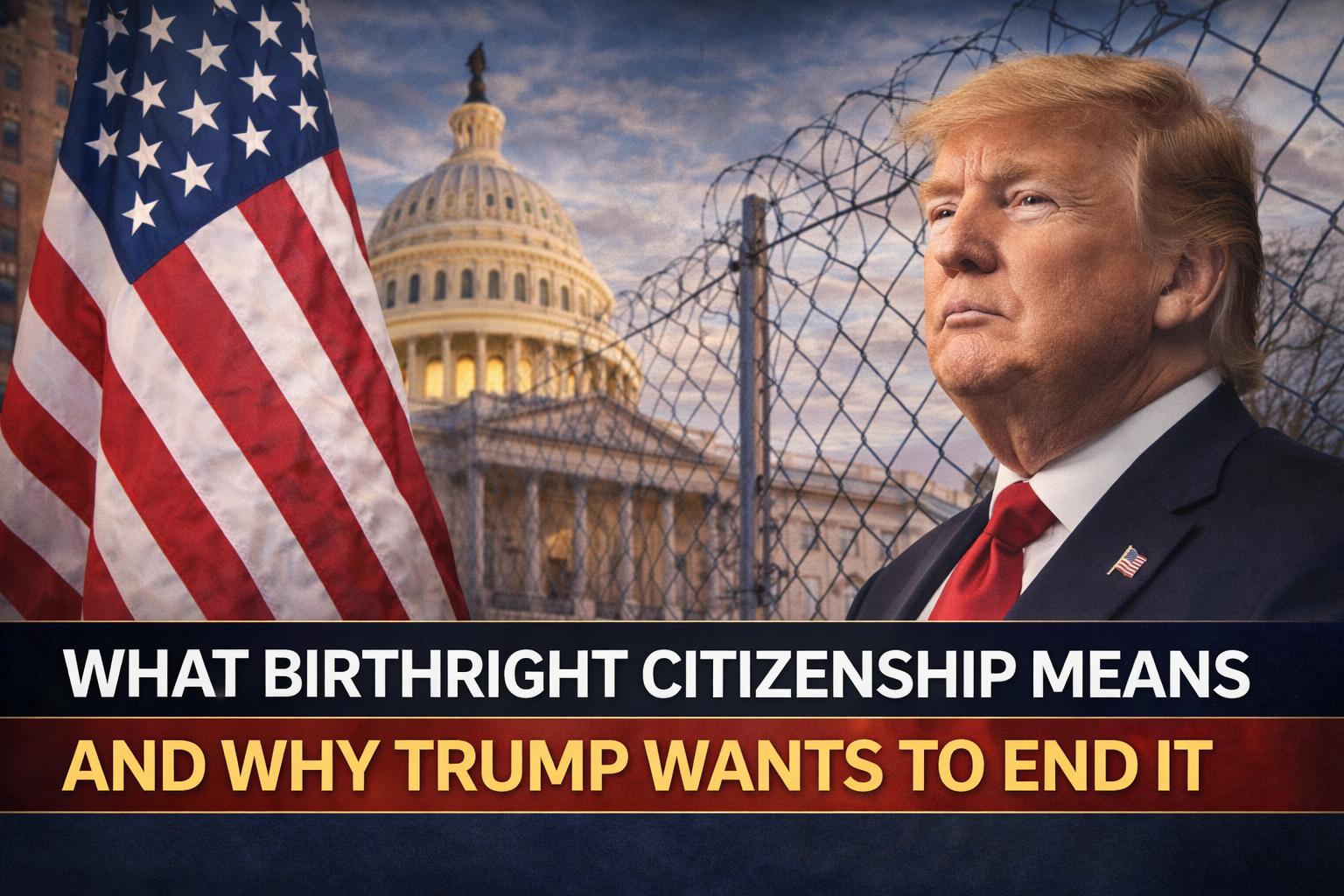
What birthright citizenship means and why Trump wants to end it
The US Supreme Court is reviewing a major legal challenge to President Donald Trump’s January 2025 executive order seeking to end birthright citizenship. During a hearing on Wednesday, April 1, 2026, justices examined whether the policy aligns with the US Constitution and federal law. Birthright citizenship is based on the 14th Amendment, which states that anyone born in the United States is automatically a citizen, regardless of their parents’ immigration status. This principle
100% upset
What birthright citizenship means and why Trump wants to end it
The US Supreme Court is reviewing a major legal challenge to President Donald Trump’s January 2025 executive order seeking to end birthright citizenship. During a hearing on Wednesday, April 1, 2026, justices examined whether the policy aligns with the US Constitution and federal law. Birthright citizenship is based on the 14th Amendment, which states that anyone born in the United States is automatically a citizen, regardless of their parents’ immigration status. This principle
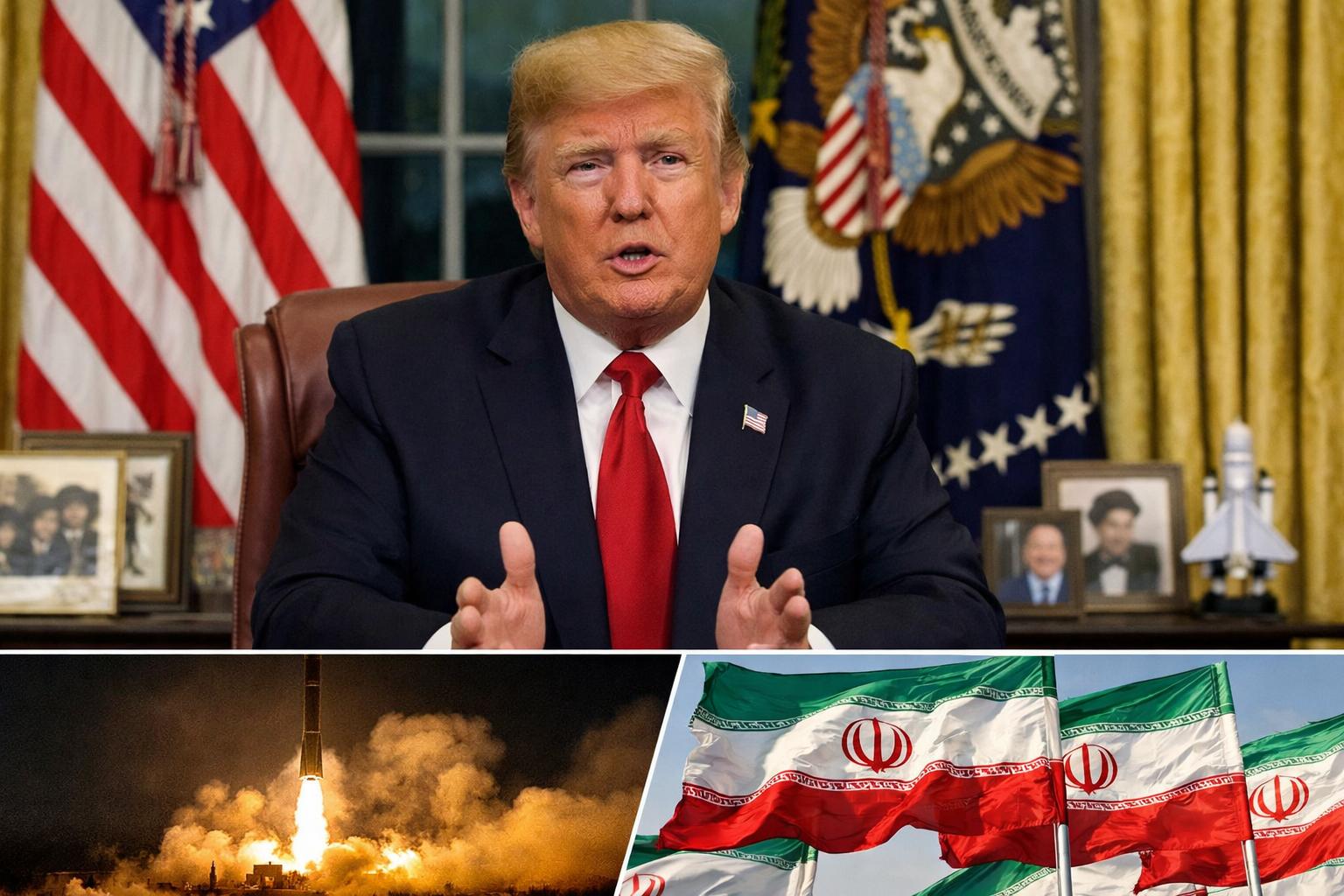
Trump defends Iran war strategy but offers few new details on next steps
WASHINGTON — President Donald Trump on Wednesday, April 2, 2026, delivered a primetime address from the White House seeking to justify the ongoing U.S. military campaign against Iran, but he provided few new details about the conflict’s trajectory or conclusion. The speech came at a pivotal moment both domestically and internationally, as the administration continues to expand executive authority in directing the war effort. In his remarks, Trump emphasized that preventing Iran fr
Trump defends Iran war strategy but offers few new details on next steps
WASHINGTON — President Donald Trump on Wednesday, April 2, 2026, delivered a primetime address from the White House seeking to justify the ongoing U.S. military campaign against Iran, but he provided few new details about the conflict’s trajectory or conclusion. The speech came at a pivotal moment both domestically and internationally, as the administration continues to expand executive authority in directing the war effort. In his remarks, Trump emphasized that preventing Iran fr
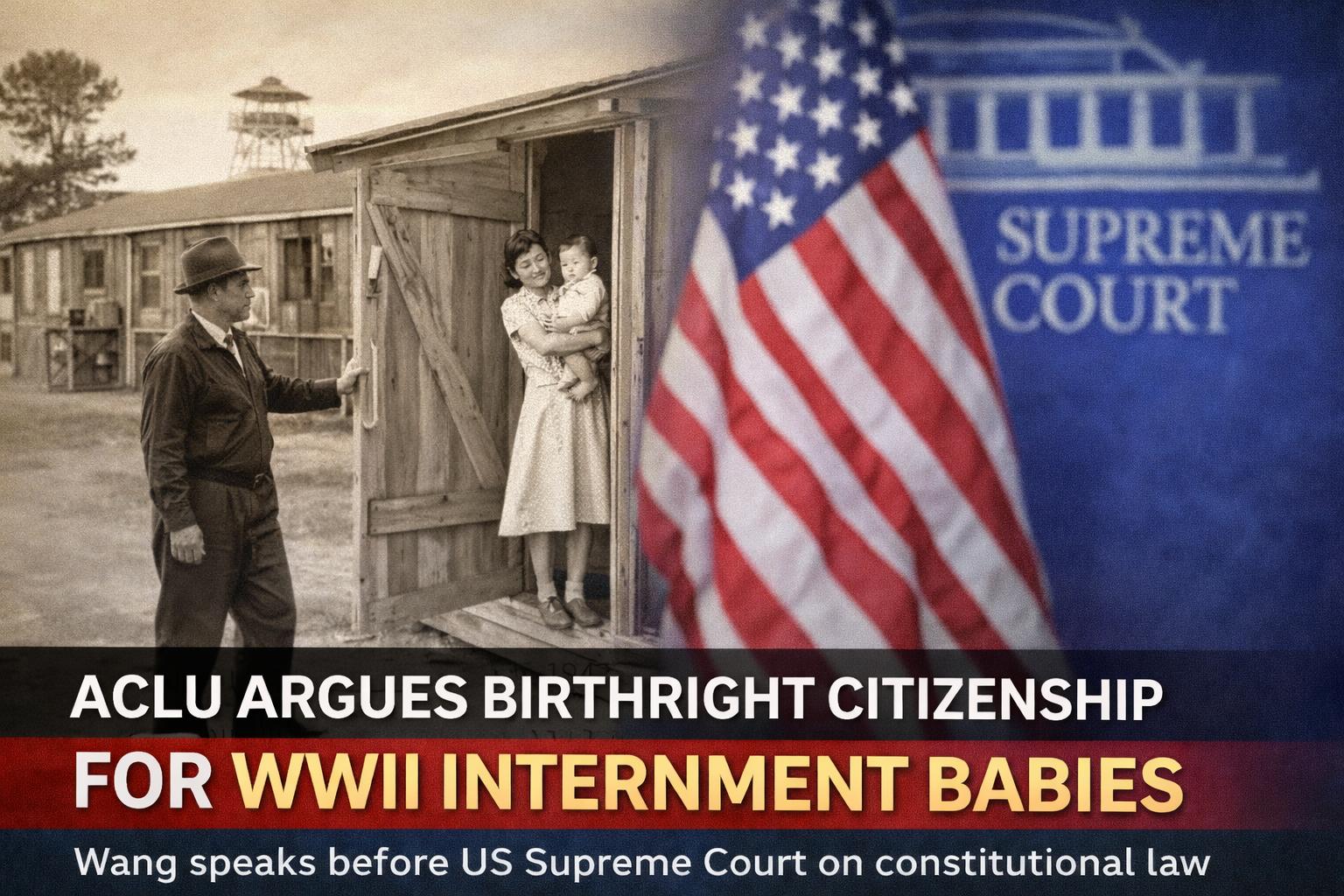
ACLU argues birthright citizenship using WWII internment example
An attorney for the American Civil Liberties Union argued before the U.S. Supreme Court that historical precedent supports granting citizenship to individuals born on American soil, referencing births during World War II-era Japanese internment as a key example. During an exchange with Justice Amy Coney Barrett, ACLU lawyer Wang pointed to the treatment of children born in U.S. detention camps, emphasizing that such individuals were widely recognized as American citizens under existing law.
ACLU argues birthright citizenship using WWII internment example
An attorney for the American Civil Liberties Union argued before the U.S. Supreme Court that historical precedent supports granting citizenship to individuals born on American soil, referencing births during World War II-era Japanese internment as a key example. During an exchange with Justice Amy Coney Barrett, ACLU lawyer Wang pointed to the treatment of children born in U.S. detention camps, emphasizing that such individuals were widely recognized as American citizens under existing law.


