Indian-origin Texas judge KP George convicted in money laundering case
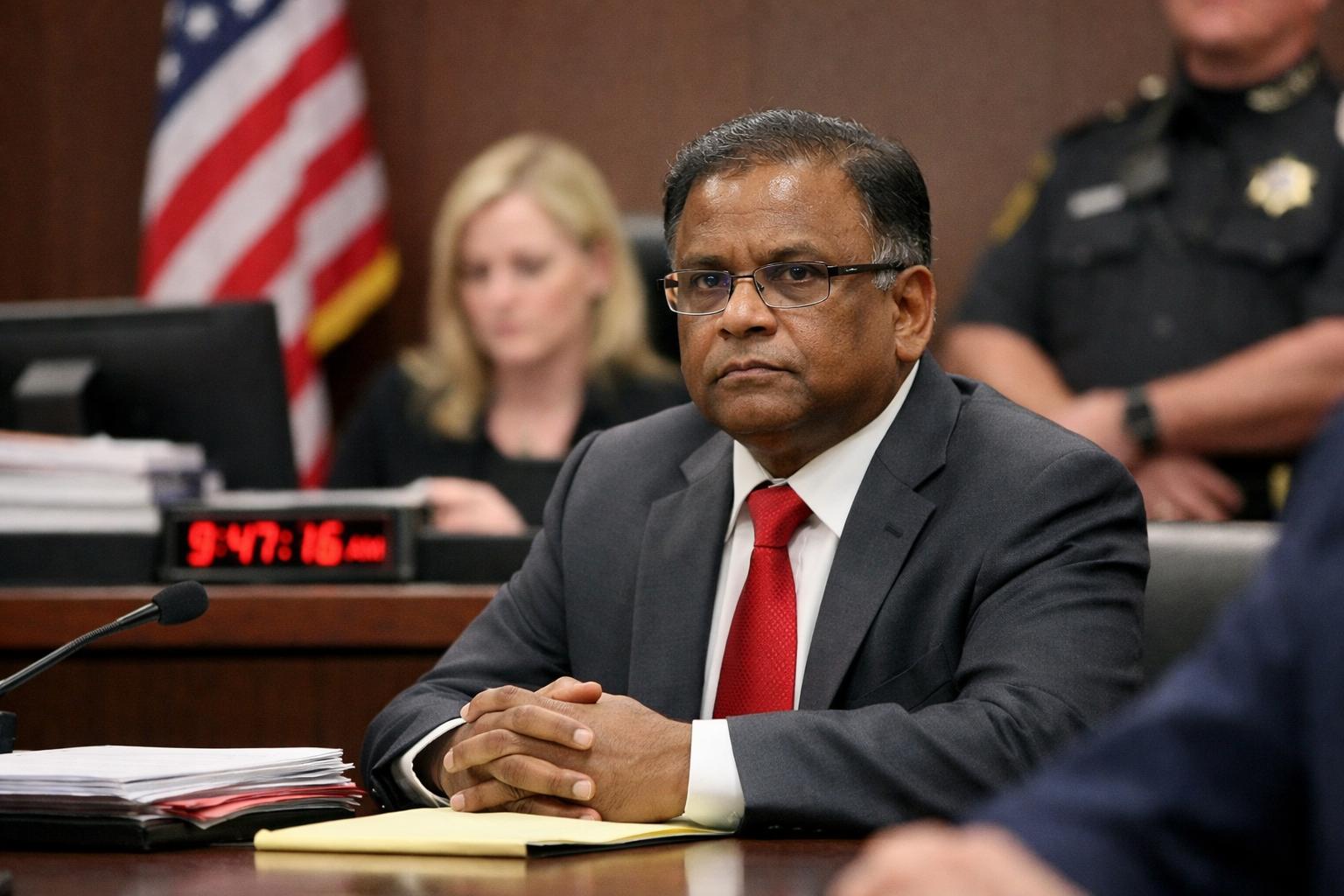
A county judge in Texas has been found guilty on two counts of money laundering, marking a major development in a high-profile campaign finance case. KP George, the first Indian-origin judge in Fort Bend County, was convicted of third-degree felony charges and now faces up to 10 years in prison. He is expected to be removed from office following his sentencing. The case traces back to financial activities between 2019 and 2022, when George was actively raising and managing campaign
Indian-origin Texas judge KP George convicted in money laundering case
A county judge in Texas has been found guilty on two counts of money laundering, marking a major development in a high-profile campaign finance case. KP George, the first Indian-origin judge in Fort Bend County, was convicted of third-degree felony charges and now faces up to 10 years in prison. He is expected to be removed from office following his sentencing. The case traces back to financial activities between 2019 and 2022, when George was actively raising and managing campaign
₹341 Crore Additional Aid for Andhra Pradesh from Centre to Support Relief and Recovery
In a significant move, the Centre has sanctioned ₹341 crore as additional disaster assistancefor Andhra Pradesh.
₹341 Crore Additional Aid for Andhra Pradesh from Centre to Support Relief and Recovery
In a significant move, the Centre has sanctioned ₹341 crore as additional disaster assistancefor Andhra Pradesh.
Chicago introduces 1.5 percent liquor tax on retail alcohol purchases starting Sunday
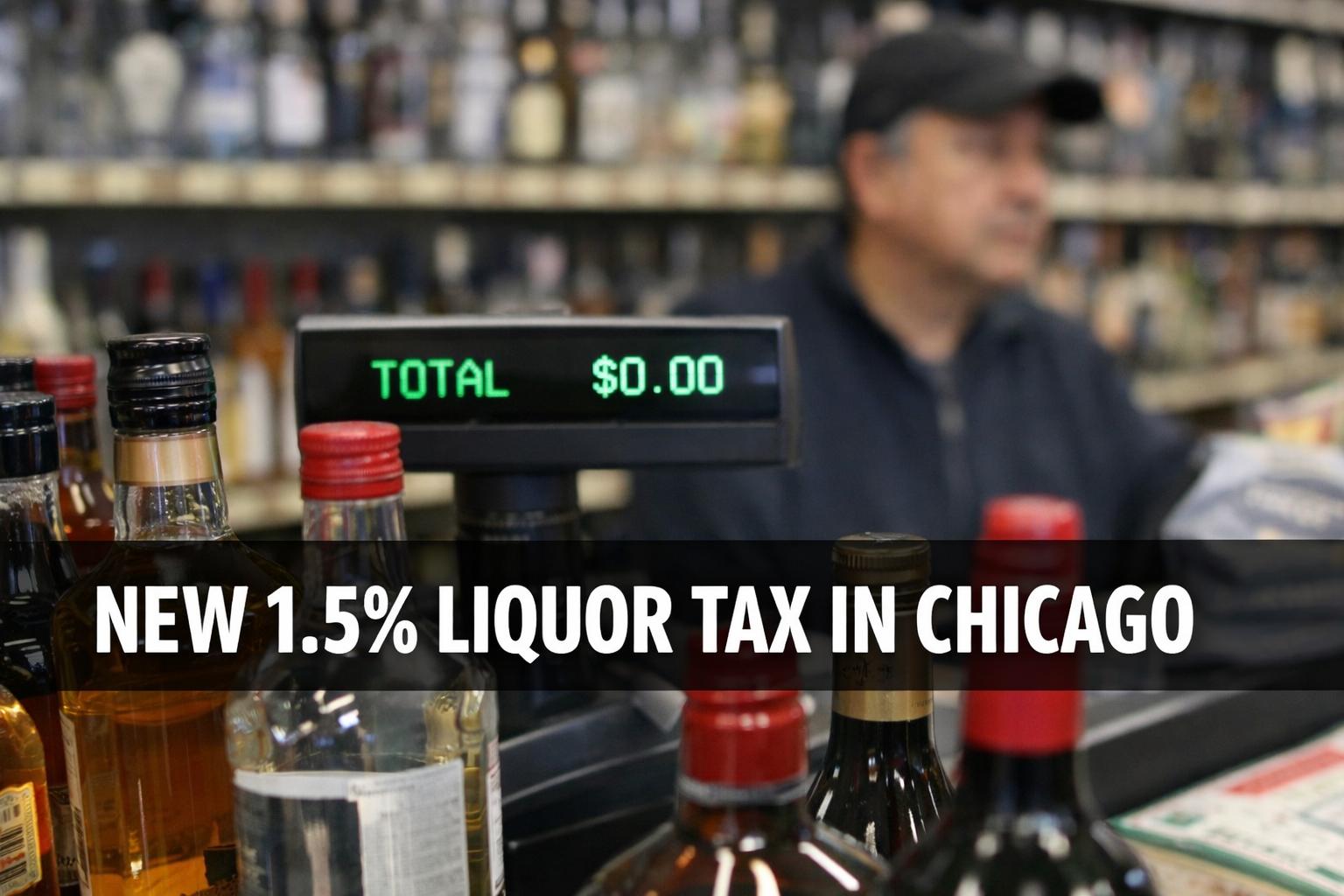
Chicago residents purchasing alcohol from local liquor stores will see a new tax added to their bills starting Sunday, as the city implements a revised taxation system on retail liquor sales. The Chicago Department of Finance confirmed that a 1.5 percent liquor tax will officially take effect after a two-month delay that was granted to allow retailers additional time to update billing systems and prepare for the change. The new Chicago liquor tax replaces the previous structure that
Chicago introduces 1.5 percent liquor tax on retail alcohol purchases starting Sunday
Chicago residents purchasing alcohol from local liquor stores will see a new tax added to their bills starting Sunday, as the city implements a revised taxation system on retail liquor sales. The Chicago Department of Finance confirmed that a 1.5 percent liquor tax will officially take effect after a two-month delay that was granted to allow retailers additional time to update billing systems and prepare for the change. The new Chicago liquor tax replaces the previous structure that
RBI and Nirmala Sitharaman Target Mis-selling in Banking Sector with New Guidelines
India’s financial sector has been grappling with the persistent issue of mis-selling, especially in the realm of banking and insurance products. In a recent statement, Finance Minister Nirmala Sitharaman addressed the ongoing concern, declaring that banks cannot treat mis-selling as a routine part of their business. She went as far as to say that mis-selling is an "offence," sending a clear message to financial institutions that such practices will not be tolerated. Her remarks came at a pr
RBI and Nirmala Sitharaman Target Mis-selling in Banking Sector with New Guidelines
India’s financial sector has been grappling with the persistent issue of mis-selling, especially in the realm of banking and insurance products. In a recent statement, Finance Minister Nirmala Sitharaman addressed the ongoing concern, declaring that banks cannot treat mis-selling as a routine part of their business. She went as far as to say that mis-selling is an "offence," sending a clear message to financial institutions that such practices will not be tolerated. Her remarks came at a pr
India reschedules US trade talks after Supreme Court tariff ruling
The Indian government has decided to reschedule a planned visit by its trade delegation to Washington, DC, following fresh uncertainty triggered by the US Supreme Court’s decision to strike down former president Donald Trump’s “Liberation Day” tariffs. Officials indicated that the move reflects a cautious approach as both sides assess the legal and strategic implications of the ruling on the ongoing India-US trade deal discussions. The Indian delegation, led by chief negotiator Darpa
India reschedules US trade talks after Supreme Court tariff ruling
The Indian government has decided to reschedule a planned visit by its trade delegation to Washington, DC, following fresh uncertainty triggered by the US Supreme Court’s decision to strike down former president Donald Trump’s “Liberation Day” tariffs. Officials indicated that the move reflects a cautious approach as both sides assess the legal and strategic implications of the ruling on the ongoing India-US trade deal discussions. The Indian delegation, led by chief negotiator Darpa
Auto loan interest tax deduction offers limited savings for most drivers in 2025
Eligible U.S. taxpayers will be able to deduct up to $10,000 in auto loan interest for the 2025 tax year under a temporary tax provision created through President Donald Trump’s One Big Beautiful Bill Act, but financial analysts say the actual benefit for most car buyers will be far smaller than the headline figure suggests. While the deduction may appear generous at first glance, typical loan structures and interest payments mean that most borrowers are unlikely to approach the maximum all
Auto loan interest tax deduction offers limited savings for most drivers in 2025
Eligible U.S. taxpayers will be able to deduct up to $10,000 in auto loan interest for the 2025 tax year under a temporary tax provision created through President Donald Trump’s One Big Beautiful Bill Act, but financial analysts say the actual benefit for most car buyers will be far smaller than the headline figure suggests. While the deduction may appear generous at first glance, typical loan structures and interest payments mean that most borrowers are unlikely to approach the maximum all
Virginia bill proposes 10% tax on millionaires to fund schools and housing
A proposal to create a new income tax bracket for Virginia’s highest earners is advancing through the General Assembly, with supporters arguing that the measure could generate significant new revenue for public schools, child care programs and affordable housing initiatives across the state. House Bill 188, introduced by Del. Kelly Convirs-Fowler, who represents Virginia Beach’s 96th House District, would establish a higher tax rate beginning in the 2026 tax year. Under the proposal, individuals earning more than $1 million annually would pay a 10 percent tax on income exceeding that threshold. Lawmakers backing the bill say the change would modernize Virginia’s tax structure and target additional contributions from the state’s wealthiest residents. Currently, Virginia uses a relatively flat income tax system in which all income above $17,000 is taxed at a rate of 5.75 percent. Advocates for the legislation contend that the structure places a proportionally heavier burden on middle-income families while allowing top earners to pay the same marginal rate. By creating a new bracket, they argue, the state can make its tax policy more progressive while securing funds for critical public needs. The bill specifies how revenue from the higher tax rate would be distributed. Half of the additional funds would go toward increased basic aid for public schools, a move intended to help districts address teacher shortages, classroom resources and rising operational costs. Thirty percent of the new revenue would be directed to the Child Care Subsidy Program, which assists working families with the cost of care and aims to expand access for low- and moderate-income households. The remaining 20 percent would be allocated to the Virginia Housing Trust Fund to support affordable housing development and homelessness prevention efforts. Supporters say the targeted investments could strengthen education, improve workforce participation and address housing shortages that have affected communities statewide. Critics, however, have raised concerns about potential impacts on business competitiveness and the possibility that higher-income residents could relocate, affecting overall tax collections. Those debates are expected to continue as the measure moves through committee review. In addition to the new tax bracket, HB 188 includes several technical amendments intended to align existing statutes with the proposed changes. The bill remains under consideration in committee, where lawmakers will determine whether it advances to a full vote in the House and Senate. If approved, the policy would mark one of the most significant adjustments to Virginia’s income tax system in decades and could reshape how the state funds key services tied to education, child care and housing.
Virginia bill proposes 10% tax on millionaires to fund schools and housing
A proposal to create a new income tax bracket for Virginia’s highest earners is advancing through the General Assembly, with supporters arguing that the measure could generate significant new revenue for public schools, child care programs and affordable housing initiatives across the state. House Bill 188, introduced by Del. Kelly Convirs-Fowler, who represents Virginia Beach’s 96th House District, would establish a higher tax rate beginning in the 2026 tax year. Under the proposal, individuals earning more than $1 million annually would pay a 10 percent tax on income exceeding that threshold. Lawmakers backing the bill say the change would modernize Virginia’s tax structure and target additional contributions from the state’s wealthiest residents. Currently, Virginia uses a relatively flat income tax system in which all income above $17,000 is taxed at a rate of 5.75 percent. Advocates for the legislation contend that the structure places a proportionally heavier burden on middle-income families while allowing top earners to pay the same marginal rate. By creating a new bracket, they argue, the state can make its tax policy more progressive while securing funds for critical public needs. The bill specifies how revenue from the higher tax rate would be distributed. Half of the additional funds would go toward increased basic aid for public schools, a move intended to help districts address teacher shortages, classroom resources and rising operational costs. Thirty percent of the new revenue would be directed to the Child Care Subsidy Program, which assists working families with the cost of care and aims to expand access for low- and moderate-income households. The remaining 20 percent would be allocated to the Virginia Housing Trust Fund to support affordable housing development and homelessness prevention efforts. Supporters say the targeted investments could strengthen education, improve workforce participation and address housing shortages that have affected communities statewide. Critics, however, have raised concerns about potential impacts on business competitiveness and the possibility that higher-income residents could relocate, affecting overall tax collections. Those debates are expected to continue as the measure moves through committee review. In addition to the new tax bracket, HB 188 includes several technical amendments intended to align existing statutes with the proposed changes. The bill remains under consideration in committee, where lawmakers will determine whether it advances to a full vote in the House and Senate. If approved, the policy would mark one of the most significant adjustments to Virginia’s income tax system in decades and could reshape how the state funds key services tied to education, child care and housing.
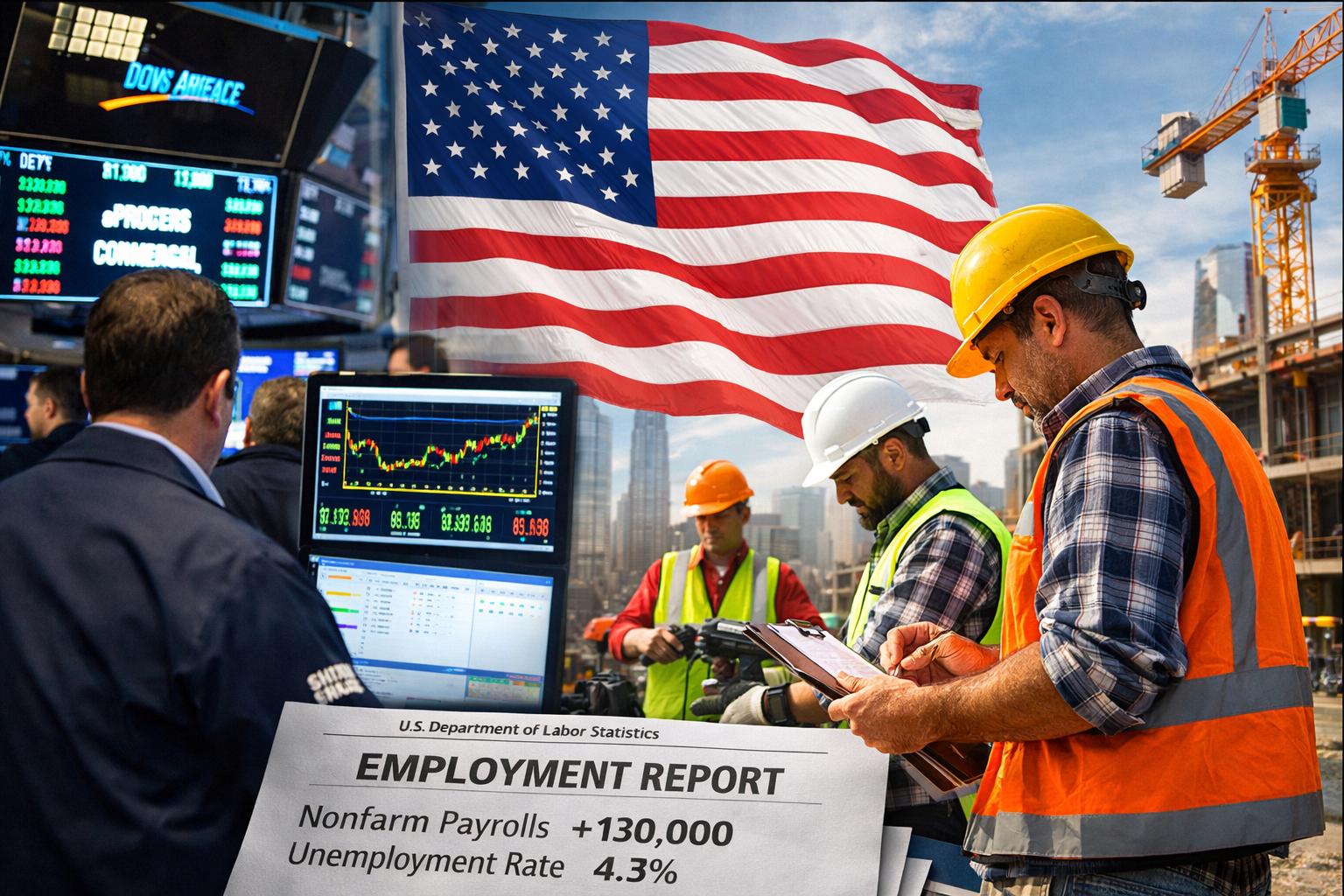
U.S. job growth tops forecasts as payrolls rise 130,000 in January
Job growth at the start of 2026 exceeded expectations, offering reassurance that the U.S. labor market remains resilient despite months of subdued hiring and broader economic uncertainty. Fresh data from the Bureau of Labor Statistics showed nonfarm payrolls increased by 130,000 in January, well above economists’ forecasts of 55,000 and marking a notable improvement from December’s revised gain of 48,000. The stronger hiring figures were accompanied by a modest decline in the un
U.S. job growth tops forecasts as payrolls rise 130,000 in January
Job growth at the start of 2026 exceeded expectations, offering reassurance that the U.S. labor market remains resilient despite months of subdued hiring and broader economic uncertainty. Fresh data from the Bureau of Labor Statistics showed nonfarm payrolls increased by 130,000 in January, well above economists’ forecasts of 55,000 and marking a notable improvement from December’s revised gain of 48,000. The stronger hiring figures were accompanied by a modest decline in the un
Global gold wealth mapped as seven nations dominate trillion-dollar reserves
Global gold reserves have come under renewed scrutiny as bullion prices climb to historic levels, strengthening the strategic and economic significance of mineral-rich nations. Gold is currently trading at approximately $4,290 an ounce in the international market, sharply raising the value of unmined deposits and drawing attention from investors, governments and mining companies seeking long-term supply security. Against this backdrop, geological estimates highlight a small group of countries
Global gold wealth mapped as seven nations dominate trillion-dollar reserves
Global gold reserves have come under renewed scrutiny as bullion prices climb to historic levels, strengthening the strategic and economic significance of mineral-rich nations. Gold is currently trading at approximately $4,290 an ounce in the international market, sharply raising the value of unmined deposits and drawing attention from investors, governments and mining companies seeking long-term supply security. Against this backdrop, geological estimates highlight a small group of countries
Ray Dalio flags risk of capital war as geopolitics unsettle global financial markets
Legendary investor Ray Dalio has cautioned that the global economy is approaching a dangerous tipping point, warning that mounting geopolitical frictions and unstable financial markets could trigger what he describes as a “capital war,” in which nations weaponize money, trade, and investment flows to exert influence over one another. Speaking at the World Governments Summit in Dubai, Dalio said the international system is not yet in such a conflict but is “on the brink,” with conditions that could quickly escalate. He described capital war as a scenario where governments restrict access to markets, impose sanctions, enforce capital controls, or use debt holdings and trade leverage to pressure rivals. According to Dalio, rising mistrust among major economies is increasing the likelihood of these tools being deployed more aggressively. He pointed to growing tensions between the United States and its allies and competitors as a key source of concern. Discussions surrounding Washington’s interest in Greenland, a Danish territory, as well as broader disagreements over trade and security policy, have unsettled investors. Dalio said some European holders of U.S.-denominated assets fear potential sanctions or restrictions, while American policymakers may worry about losing reliable foreign buyers for government debt. European investors have played a significant role in financing U.S. borrowing needs, accounting for a large share of foreign purchases of Treasurys in recent months. Any disruption to those flows could amplify volatility in global markets and increase funding pressures. Dalio noted that “capital, money, matters,” emphasizing that financial interdependence has become both a strength and a vulnerability for the global system. Since returning to office, President Donald Trump has introduced and, at times, rolled back punitive tariffs targeting several trading partners. Those policy shifts have added to market swings and uncertainty. Dalio said similar patterns in the past have often preceded broader economic confrontations, with governments imposing foreign exchange restrictions and tightening controls to protect domestic interests. Drawing parallels with history, he referenced periods leading up to major conflicts, when sanctions and trade barriers intensified rivalries between nations. He suggested that today’s environment could produce comparable strains, particularly in relations between the United States and China, or between the United States and Europe, where trade deficits and capital imbalances remain sensitive issues. Against this backdrop, Dalio reiterated his long-standing view that gold remains an effective hedge during periods of stress. Although prices have fluctuated recently, he said the precious metal continues to serve as a reliable diversifier for portfolios. Rather than focusing on short-term movements, he advised investors, central banks, and sovereign wealth funds to maintain a steady allocation to gold as protection against systemic risk. Ultimately, Dalio urged a disciplined approach to investing, stressing that diversification across assets and regions is the best defense in an increasingly uncertain economic landscape.
Ray Dalio flags risk of capital war as geopolitics unsettle global financial markets
Legendary investor Ray Dalio has cautioned that the global economy is approaching a dangerous tipping point, warning that mounting geopolitical frictions and unstable financial markets could trigger what he describes as a “capital war,” in which nations weaponize money, trade, and investment flows to exert influence over one another. Speaking at the World Governments Summit in Dubai, Dalio said the international system is not yet in such a conflict but is “on the brink,” with conditions that could quickly escalate. He described capital war as a scenario where governments restrict access to markets, impose sanctions, enforce capital controls, or use debt holdings and trade leverage to pressure rivals. According to Dalio, rising mistrust among major economies is increasing the likelihood of these tools being deployed more aggressively. He pointed to growing tensions between the United States and its allies and competitors as a key source of concern. Discussions surrounding Washington’s interest in Greenland, a Danish territory, as well as broader disagreements over trade and security policy, have unsettled investors. Dalio said some European holders of U.S.-denominated assets fear potential sanctions or restrictions, while American policymakers may worry about losing reliable foreign buyers for government debt. European investors have played a significant role in financing U.S. borrowing needs, accounting for a large share of foreign purchases of Treasurys in recent months. Any disruption to those flows could amplify volatility in global markets and increase funding pressures. Dalio noted that “capital, money, matters,” emphasizing that financial interdependence has become both a strength and a vulnerability for the global system. Since returning to office, President Donald Trump has introduced and, at times, rolled back punitive tariffs targeting several trading partners. Those policy shifts have added to market swings and uncertainty. Dalio said similar patterns in the past have often preceded broader economic confrontations, with governments imposing foreign exchange restrictions and tightening controls to protect domestic interests. Drawing parallels with history, he referenced periods leading up to major conflicts, when sanctions and trade barriers intensified rivalries between nations. He suggested that today’s environment could produce comparable strains, particularly in relations between the United States and China, or between the United States and Europe, where trade deficits and capital imbalances remain sensitive issues. Against this backdrop, Dalio reiterated his long-standing view that gold remains an effective hedge during periods of stress. Although prices have fluctuated recently, he said the precious metal continues to serve as a reliable diversifier for portfolios. Rather than focusing on short-term movements, he advised investors, central banks, and sovereign wealth funds to maintain a steady allocation to gold as protection against systemic risk. Ultimately, Dalio urged a disciplined approach to investing, stressing that diversification across assets and regions is the best defense in an increasingly uncertain economic landscape.
Union Budget 2026 Impact: What Becomes Cheaper and Costlier for Indians
Union Budget 2026 was presented by Finance Minister Nirmala Sitharaman, marking her ninth consecutive budget and outlining the government’s commitment to inclusive growth. The budget is guided by three key kartavyas aimed at accelerating economic development while supporting the poor, underprivileged, and disadvantaged sections of society. While income tax payers were hoping for rebates or changes in standard deduction, the government chose to focus on indirect tax relief, healthcare afford
Union Budget 2026 Impact: What Becomes Cheaper and Costlier for Indians
Union Budget 2026 was presented by Finance Minister Nirmala Sitharaman, marking her ninth consecutive budget and outlining the government’s commitment to inclusive growth. The budget is guided by three key kartavyas aimed at accelerating economic development while supporting the poor, underprivileged, and disadvantaged sections of society. While income tax payers were hoping for rebates or changes in standard deduction, the government chose to focus on indirect tax relief, healthcare afford
Union Budget 2026 Live Updates From Parliament And Key Announcements
Union Budget 2026 is being presented live from Parliament, marking a significant moment in India’s economic calendar. Finance Minister Nirmala Sitharaman is delivering her ninth consecutive Union Budget, continuing a historic streak that reflects policy continuity and long-term fiscal planning. The budget session is being closely watched by policymakers, economists, businesses, and citizens across
Union Budget 2026 Live Updates From Parliament And Key Announcements
Union Budget 2026 is being presented live from Parliament, marking a significant moment in India’s economic calendar. Finance Minister Nirmala Sitharaman is delivering her ninth consecutive Union Budget, continuing a historic streak that reflects policy continuity and long-term fiscal planning. The budget session is being closely watched by policymakers, economists, businesses, and citizens across
Trump threatens 50% tariffs on Canadian aircraft amid certification dispute
US President Donald Trump has intensified trade tensions with Canada by threatening to impose sweeping tariffs on Canadian-made aircraft, opening a new chapter in an already strained bilateral relationship. In a statement issued on Thursday, Trump said the United States could levy tariffs of up to 50 per cent on aircraft sold from Canada into the US market, citing what he described as Canada’s refusal to certify American-made business jets. The president also announced plans to decertify all aircraft manufactured in Canada for use in the United States, a move he said would remain in effect until Canadian regulators approve a series of jets produced by Gulfstream Aerospace. The warning was delivered through a post on Truth Social, where Trump accused Canadian authorities of erecting regulatory barriers that unfairly block American products. In his remarks, Trump singled out the Bombardier Global Express business jet, which is manufactured in Quebec, arguing that Ottawa has benefited from access to the US market while allegedly denying similar treatment to American manufacturers. He claimed Canada had “wrongfully and illegally” refused to certify the Gulfstream 500, 600, 700, and 800 models, which he described as among the most advanced aircraft in the world. According to Trump, the lack of certification effectively prevents Gulfstream from selling its jets in Canada. Trump warned that unless the situation is resolved immediately, the United States would move forward with punitive tariffs on all aircraft imported from Canada. He framed the threat as a matter of fairness and reciprocity, asserting that American companies should not face obstacles abroad while foreign competitors enjoy broad access to the US market. The aircraft dispute is the latest flashpoint in a broader deterioration of relations between the United States and Canada since Trump returned to office last year. Political and economic friction between the two long-time allies has grown steadily, with trade policy emerging as a central source of conflict. Earlier the same day as Trump’s comments, Canadian Prime Minister Mark Carney publicly urged Washington to respect Canadian sovereignty, following reports of contacts between US officials and Alberta separatist groups. Trade tensions have also been fueled by Canada’s recent diplomatic engagement with China. Trump has repeatedly warned Ottawa against deepening economic ties with Beijing, arguing that such moves could undermine US interests. He has threatened to impose tariffs as high as 100 per cent on Canadian goods if Canada proceeds with a trade agreement with China, a warning he reiterated over the weekend. In a series of earlier social media posts, Trump mocked Carney by referring to him as “Governor” and cautioned that Canada should not act as a conduit for Chinese goods entering the US market. He claimed that closer ties with Beijing would leave Canada economically vulnerable and pledged swift retaliation if such an agreement were finalized. The remarks came shortly after Carney visited Beijing, marking the first visit by a Canadian leader to China in nearly a decade. The escalating rhetoric underscores the growing uncertainty surrounding North American trade and the aerospace sector in particular. With aircraft manufacturing representing a significant industry for both countries, analysts say prolonged disputes over certification and tariffs could have far-reaching economic consequences. For now, the standoff highlights how regulatory disagreements and geopolitical concerns are increasingly shaping trade relations between Washington and Ottawa.


Trump threatens 50% tariffs on Canadian aircraft amid certification dispute
US President Donald Trump has intensified trade tensions with Canada by threatening to impose sweeping tariffs on Canadian-made aircraft, opening a new chapter in an already strained bilateral relationship. In a statement issued on Thursday, Trump said the United States could levy tariffs of up to 50 per cent on aircraft sold from Canada into the US market, citing what he described as Canada’s refusal to certify American-made business jets. The president also announced plans to decertify all aircraft manufactured in Canada for use in the United States, a move he said would remain in effect until Canadian regulators approve a series of jets produced by Gulfstream Aerospace. The warning was delivered through a post on Truth Social, where Trump accused Canadian authorities of erecting regulatory barriers that unfairly block American products. In his remarks, Trump singled out the Bombardier Global Express business jet, which is manufactured in Quebec, arguing that Ottawa has benefited from access to the US market while allegedly denying similar treatment to American manufacturers. He claimed Canada had “wrongfully and illegally” refused to certify the Gulfstream 500, 600, 700, and 800 models, which he described as among the most advanced aircraft in the world. According to Trump, the lack of certification effectively prevents Gulfstream from selling its jets in Canada. Trump warned that unless the situation is resolved immediately, the United States would move forward with punitive tariffs on all aircraft imported from Canada. He framed the threat as a matter of fairness and reciprocity, asserting that American companies should not face obstacles abroad while foreign competitors enjoy broad access to the US market. The aircraft dispute is the latest flashpoint in a broader deterioration of relations between the United States and Canada since Trump returned to office last year. Political and economic friction between the two long-time allies has grown steadily, with trade policy emerging as a central source of conflict. Earlier the same day as Trump’s comments, Canadian Prime Minister Mark Carney publicly urged Washington to respect Canadian sovereignty, following reports of contacts between US officials and Alberta separatist groups. Trade tensions have also been fueled by Canada’s recent diplomatic engagement with China. Trump has repeatedly warned Ottawa against deepening economic ties with Beijing, arguing that such moves could undermine US interests. He has threatened to impose tariffs as high as 100 per cent on Canadian goods if Canada proceeds with a trade agreement with China, a warning he reiterated over the weekend. In a series of earlier social media posts, Trump mocked Carney by referring to him as “Governor” and cautioned that Canada should not act as a conduit for Chinese goods entering the US market. He claimed that closer ties with Beijing would leave Canada economically vulnerable and pledged swift retaliation if such an agreement were finalized. The remarks came shortly after Carney visited Beijing, marking the first visit by a Canadian leader to China in nearly a decade. The escalating rhetoric underscores the growing uncertainty surrounding North American trade and the aerospace sector in particular. With aircraft manufacturing representing a significant industry for both countries, analysts say prolonged disputes over certification and tariffs could have far-reaching economic consequences. For now, the standoff highlights how regulatory disagreements and geopolitical concerns are increasingly shaping trade relations between Washington and Ottawa.
Dollar decline creates double-edged sword for US economy
The U.S. dollar has continued its recent decline, extending a trend that presents both opportunities and challenges for the American economy. President Donald Trump described the currency as “doing great,” reflecting his view that a moderately weaker dollar can provide strategic benefits in international trade. Despite this optimism, economists warn that the weakening greenback represents a “double-edged sword,” offering advantages to exporters while introducing risks related to inflatio
Dollar decline creates double-edged sword for US economy
The U.S. dollar has continued its recent decline, extending a trend that presents both opportunities and challenges for the American economy. President Donald Trump described the currency as “doing great,” reflecting his view that a moderately weaker dollar can provide strategic benefits in international trade. Despite this optimism, economists warn that the weakening greenback represents a “double-edged sword,” offering advantages to exporters while introducing risks related to inflatio
Budget Session 2026 live: President Murmu addresses joint Parliament as session begins
The Budget Session 2026 of the Indian Parliament commenced on Wednesday with President Droupadi Murmu addressing the joint sitting of the Lok Sabha and the Rajya Sabha in New Delhi. The opening of the session marks the beginning of one of the most significant legislative periods of the year, during which the government outlines its economic vision and policy priorities. Lawmakers from across political parties assembled as the President delivered her customary address, setting the tone for deb
Budget Session 2026 live: President Murmu addresses joint Parliament as session begins
The Budget Session 2026 of the Indian Parliament commenced on Wednesday with President Droupadi Murmu addressing the joint sitting of the Lok Sabha and the Rajya Sabha in New Delhi. The opening of the session marks the beginning of one of the most significant legislative periods of the year, during which the government outlines its economic vision and policy priorities. Lawmakers from across political parties assembled as the President delivered her customary address, setting the tone for deb
U.S. natural gas prices surge above $6 as winter storm fern deepens energy strain
U.S. natural gas prices surged sharply on Monday, climbing above the $6 mark for the first time since late 2022, as a powerful winter storm swept across large portions of the country, straining energy systems and disrupting daily life for millions of Americans. The rally reflected mounting concerns over heating demand, power generation reliability, and supply disruptions amid one of the most severe cold snaps of the season. Natural gas futures for February delivery rose more than 18
U.S. natural gas prices surge above $6 as winter storm fern deepens energy strain
U.S. natural gas prices surged sharply on Monday, climbing above the $6 mark for the first time since late 2022, as a powerful winter storm swept across large portions of the country, straining energy systems and disrupting daily life for millions of Americans. The rally reflected mounting concerns over heating demand, power generation reliability, and supply disruptions amid one of the most severe cold snaps of the season. Natural gas futures for February delivery rose more than 18
Retiring soon? Avoid these tax mistakes that can quietly drain your savings
Retirement is often seen as a reward for years of hard work, offering time, freedom, and flexibility. However, it also brings a significant change in how income is earned and taxed. Instead of a single salary slip, retirees begin receiving income from multiple sources such as pension, bank interest, fixed deposits, rental income, and investment withdrawals. This sudden shift creates confusion, and even small tax oversights during the first year of retirement can quietly reduce lifetime saving
Retiring soon? Avoid these tax mistakes that can quietly drain your savings
Retirement is often seen as a reward for years of hard work, offering time, freedom, and flexibility. However, it also brings a significant change in how income is earned and taxed. Instead of a single salary slip, retirees begin receiving income from multiple sources such as pension, bank interest, fixed deposits, rental income, and investment withdrawals. This sudden shift creates confusion, and even small tax oversights during the first year of retirement can quietly reduce lifetime saving
Gold And Silver Hit Record Highs: What’s Fueling The Rally And Should You Buy Now
Gold and silver prices have surged to record highs as investors rush back to precious metals, turning them into one of the strongest signals of global economic anxiety. A year that began cautiously is ending with aggressive buying, driven by inflation concerns, interest rate expectations, geopolitical tensions, and fears emerging from global bond markets. On Tuesday, gold prices climbed sharply, with spot gold rising to fresh all-time highs and futures also posting strong gains. Sil
Gold And Silver Hit Record Highs: What’s Fueling The Rally And Should You Buy Now
Gold and silver prices have surged to record highs as investors rush back to precious metals, turning them into one of the strongest signals of global economic anxiety. A year that began cautiously is ending with aggressive buying, driven by inflation concerns, interest rate expectations, geopolitical tensions, and fears emerging from global bond markets. On Tuesday, gold prices climbed sharply, with spot gold rising to fresh all-time highs and futures also posting strong gains. Sil
Silver prices cross Rs 2 lakh on MCX as industrial demand and global cues boost rally
Silver prices touched a key psychological level on Friday as March futures on the Multi Commodity Exchange briefly crossed the Rs 2 lakh mark, reflecting strong momentum in the bullion market. The contract rose to an intraday high of Rs 2,00,362 before easing slightly in late trade. By 3:54 pm, silver was quoted at Rs 1,99,238, still holding most of the day’s gains as traders assessed near-term cues. The move marks the continuation of a steady rally seen over the past several weeks, driven by a combination of supportive global and domestic factors. A softer US dollar and declining global interest rates have improved the appeal of non-yielding assets such as precious metals, encouraging investor participation. At the same time, broader strength across industrial commodities has added to bullish sentiment in silver, which straddles both investment and industrial demand. Market participants point to global monetary easing as a key driver behind the recent surge. With the US Federal Reserve cutting rates again, expectations of a prolonged low-rate environment have strengthened. This has reduced the opportunity cost of holding metals and increased demand from investors seeking diversification and protection against currency volatility. A weaker dollar has further supported prices by making silver cheaper for overseas buyers, lifting global demand. Industrial consumption has also emerged as a significant pillar for prices. Silver remains a critical input for solar panels, electric vehicles, semiconductors and a wide range of electronic components. As global investment in clean energy and technology accelerates, demand for the metal continues to expand. Several industry estimates suggest that supply growth from mining has not kept pace with rising consumption, resulting in a persistent global supply deficit. In India, demand has been reinforced by the rapid expansion of solar power capacity and the government’s push to strengthen domestic electronics manufacturing. Traders noted that once silver moved decisively above the Rs 1.90 lakh resistance zone, momentum-based buying gathered pace, carrying prices toward the Rs 2 lakh threshold. The longer-term outlook remains constructive, supported by structural demand trends. Analysts tracking the market highlight that the imbalance between supply and consumption is likely to persist, keeping prices elevated. Based on these fundamentals, some projections point to a potential upside toward Rs 2.40 lakh over the medium to long term, provided global demand remains steady and mining output does not rise sharply. From a technical perspective, the ability of silver to sustain levels near Rs 2 lakh will be closely watched. Immediate resistance is seen around Rs 2,00,500, while support is placed near Rs 1,96,000. A firm close above resistance could strengthen expectations of a move toward the Rs 2.10 lakh to Rs 2.15 lakh range. However, traders caution that short-term volatility is likely, with profit booking or shifts in global rate expectations capable of triggering temporary corrections. Despite the possibility of near-term swings, the broader fundamentals continue to favour silver. Growing demand from solar, electronics and EV segments, combined with limited supply expansion, underpins the bullish outlook. The recent move past Rs 2 lakh has set a new reference point for the market, and its ability to build on this milestone will depend on how global monetary policy, industrial consumption and investor sentiment evolve in the weeks ahead.
Silver prices cross Rs 2 lakh on MCX as industrial demand and global cues boost rally
Silver prices touched a key psychological level on Friday as March futures on the Multi Commodity Exchange briefly crossed the Rs 2 lakh mark, reflecting strong momentum in the bullion market. The contract rose to an intraday high of Rs 2,00,362 before easing slightly in late trade. By 3:54 pm, silver was quoted at Rs 1,99,238, still holding most of the day’s gains as traders assessed near-term cues. The move marks the continuation of a steady rally seen over the past several weeks, driven by a combination of supportive global and domestic factors. A softer US dollar and declining global interest rates have improved the appeal of non-yielding assets such as precious metals, encouraging investor participation. At the same time, broader strength across industrial commodities has added to bullish sentiment in silver, which straddles both investment and industrial demand. Market participants point to global monetary easing as a key driver behind the recent surge. With the US Federal Reserve cutting rates again, expectations of a prolonged low-rate environment have strengthened. This has reduced the opportunity cost of holding metals and increased demand from investors seeking diversification and protection against currency volatility. A weaker dollar has further supported prices by making silver cheaper for overseas buyers, lifting global demand. Industrial consumption has also emerged as a significant pillar for prices. Silver remains a critical input for solar panels, electric vehicles, semiconductors and a wide range of electronic components. As global investment in clean energy and technology accelerates, demand for the metal continues to expand. Several industry estimates suggest that supply growth from mining has not kept pace with rising consumption, resulting in a persistent global supply deficit. In India, demand has been reinforced by the rapid expansion of solar power capacity and the government’s push to strengthen domestic electronics manufacturing. Traders noted that once silver moved decisively above the Rs 1.90 lakh resistance zone, momentum-based buying gathered pace, carrying prices toward the Rs 2 lakh threshold. The longer-term outlook remains constructive, supported by structural demand trends. Analysts tracking the market highlight that the imbalance between supply and consumption is likely to persist, keeping prices elevated. Based on these fundamentals, some projections point to a potential upside toward Rs 2.40 lakh over the medium to long term, provided global demand remains steady and mining output does not rise sharply. From a technical perspective, the ability of silver to sustain levels near Rs 2 lakh will be closely watched. Immediate resistance is seen around Rs 2,00,500, while support is placed near Rs 1,96,000. A firm close above resistance could strengthen expectations of a move toward the Rs 2.10 lakh to Rs 2.15 lakh range. However, traders caution that short-term volatility is likely, with profit booking or shifts in global rate expectations capable of triggering temporary corrections. Despite the possibility of near-term swings, the broader fundamentals continue to favour silver. Growing demand from solar, electronics and EV segments, combined with limited supply expansion, underpins the bullish outlook. The recent move past Rs 2 lakh has set a new reference point for the market, and its ability to build on this milestone will depend on how global monetary policy, industrial consumption and investor sentiment evolve in the weeks ahead.
Biggest Tax Mistakes Of 2025: AIS Mismatches And Capital Gains Errors Lead Filers Into Trouble
Tax filing in 2025 was far more complicated for Indians than previous years, largely because personal income streams are no longer limited to salary alone. A growing number of taxpayers now earn through freelancing, digital content creation, SIP withdrawals, RSU vesting, intraday trades and influencer payouts. This shift has made filing returns prone to errors, especially for individuals who fail to reconcile their reported income with official tax statements. Financial experts say that AIS a
Biggest Tax Mistakes Of 2025: AIS Mismatches And Capital Gains Errors Lead Filers Into Trouble
Tax filing in 2025 was far more complicated for Indians than previous years, largely because personal income streams are no longer limited to salary alone. A growing number of taxpayers now earn through freelancing, digital content creation, SIP withdrawals, RSU vesting, intraday trades and influencer payouts. This shift has made filing returns prone to errors, especially for individuals who fail to reconcile their reported income with official tax statements. Financial experts say that AIS a