#aichip
Anthropic Azure Maia 200 Deal Talks Put Microsoft AI Chips to the Test
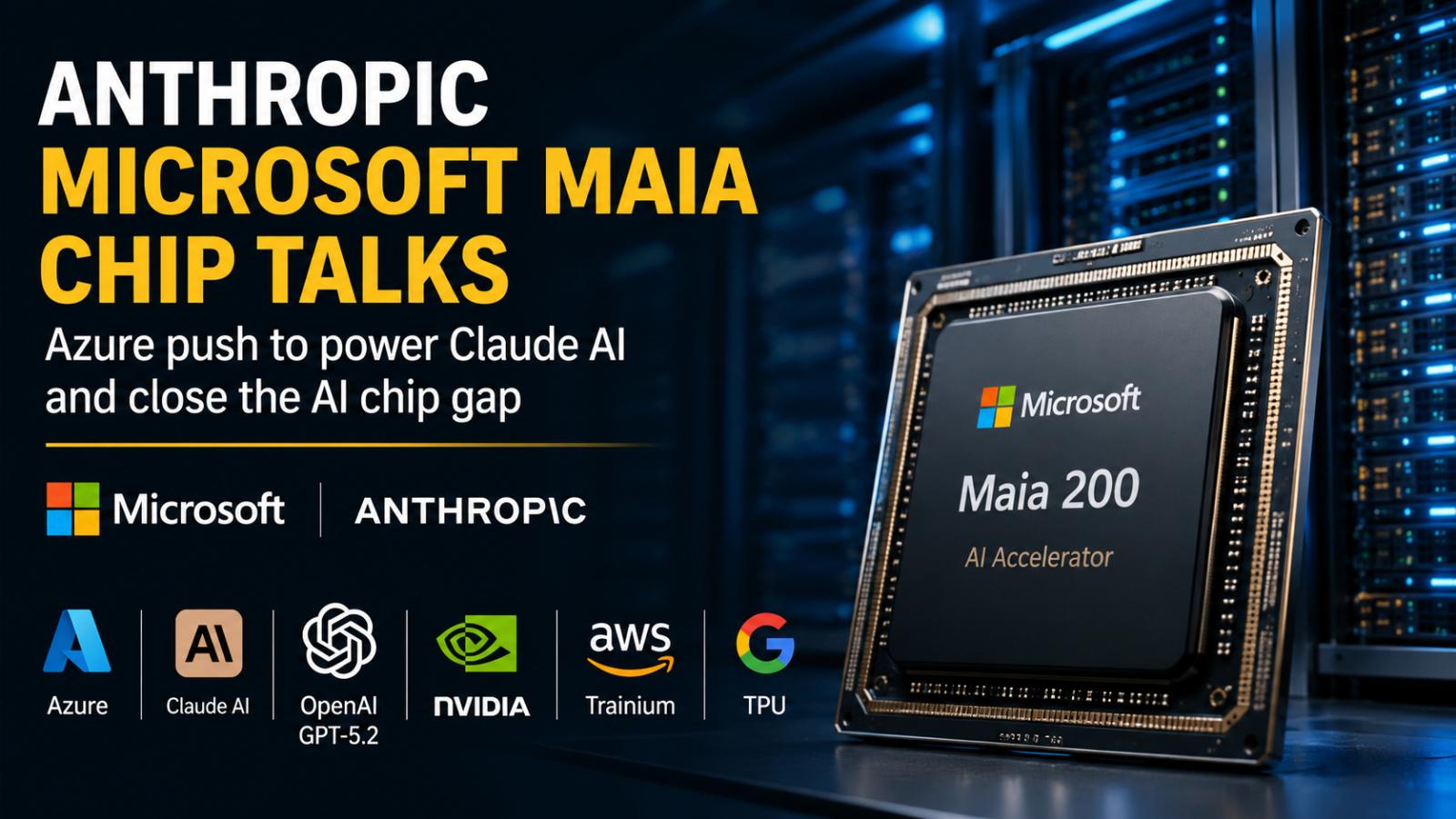
Anthropic Azure Maia 200 deal talks could give Microsoft a major test case for its in-house AI chips as cloud companies compete for high-demand artificial intelligence workloads. Microsoft is in early discussions to supply Anthropic with servers powered by Maia AI chips, Reuters reported on Thursday, May 21, 2026, at 1:14 PM UTC, citing The Information. The talks remain preliminary and may not lead to a final agreement. Why the An
Anthropic Azure Maia 200 Deal Talks Put Microsoft AI Chips to the Test
Anthropic Azure Maia 200 deal talks could give Microsoft a major test case for its in-house AI chips as cloud companies compete for high-demand artificial intelligence workloads. Microsoft is in early discussions to supply Anthropic with servers powered by Maia AI chips, Reuters reported on Thursday, May 21, 2026, at 1:14 PM UTC, citing The Information. The talks remain preliminary and may not lead to a final agreement. Why the An
Trump Faces Nvidia Stock Corruption Claims May 2026
On May 15, 2026, President Donald Trump was accused of corruption after disclosures revealed major stock trades in his name. Reports focused on purchases of Nvidia shares, a leading company in AI chip technology, and raised concerns over national security. Critics argued that Trump allowed Nvidia to sell products to China, boosting stock value while personally buying millions in shares, creat
Trump Faces Nvidia Stock Corruption Claims May 2026
On May 15, 2026, President Donald Trump was accused of corruption after disclosures revealed major stock trades in his name. Reports focused on purchases of Nvidia shares, a leading company in AI chip technology, and raised concerns over national security. Critics argued that Trump allowed Nvidia to sell products to China, boosting stock value while personally buying millions in shares, creat
Nvidia vs AMD AI Chip Race: What It Means for AI Stocks
The race to power artificial intelligence is no longer only about software. It is increasingly a battle over chips, data centers and the hardware needed to train and run advanced AI models. Nvidia remains the dominant name in AI computing, but AMD is pushing harder into the market with new data center accelerators. The competition is also creating space for newer players such as Cerebras Systems, which has drawn attention after its market debut as an AI chip company.
Nvidia vs AMD AI Chip Race: What It Means for AI Stocks
The race to power artificial intelligence is no longer only about software. It is increasingly a battle over chips, data centers and the hardware needed to train and run advanced AI models. Nvidia remains the dominant name in AI computing, but AMD is pushing harder into the market with new data center accelerators. The competition is also creating space for newer players such as Cerebras Systems, which has drawn attention after its market debut as an AI chip company.
Cerebras Stock Price: CBRS IPO, Ticker and AI Chip Story Explained
Cerebras Systems became one of the most searched AI stock names after the Sunnyvale, California-based AI chipmaker began trading on the Nasdaq under the ticker symbol CBRS on Thursday, May 14, 2026. The company priced its initial public offering at $185 per share, sold 30 million Class A shares, and raised about $5.55 billion. Fresh Trading Update — Thursday, May 14, 2026: Cerebra
Cerebras Stock Price: CBRS IPO, Ticker and AI Chip Story Explained
Cerebras Systems became one of the most searched AI stock names after the Sunnyvale, California-based AI chipmaker began trading on the Nasdaq under the ticker symbol CBRS on Thursday, May 14, 2026. The company priced its initial public offering at $185 per share, sold 30 million Class A shares, and raised about $5.55 billion. Fresh Trading Update — Thursday, May 14, 2026: Cerebra
Nvidia CEO Joins Trump’s China Trip as AI Chip Stakes Rise
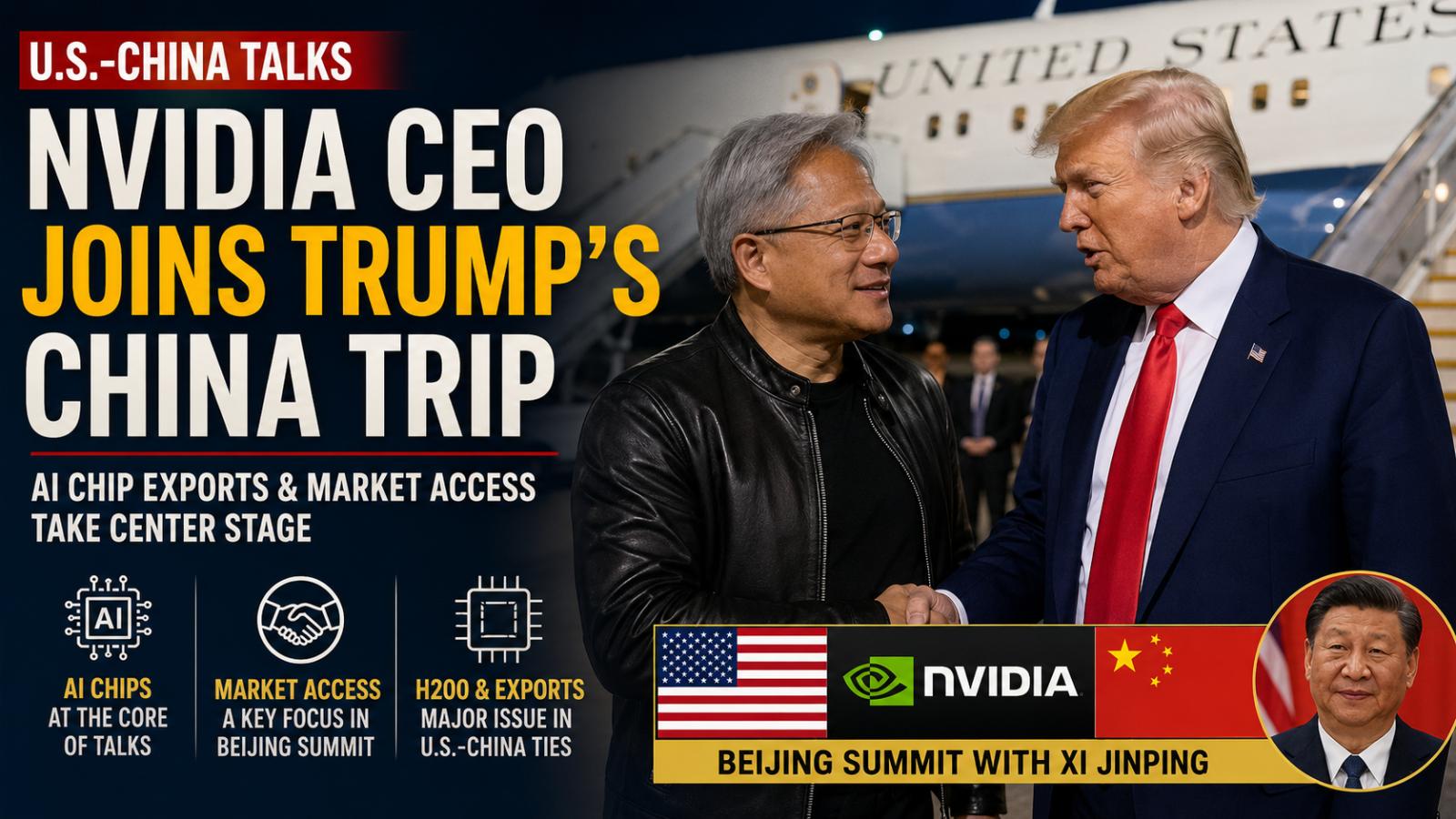
Nvidia CEO Jensen Huang joined President Donald Trump’s China trip on Wednesday, May 13, 2026, as AI chip exports and market access moved to the center of U.S.-China talks. His presence matters because Nvidia’s powerful GPUs sit at the heart of AI development, while U.S. export controls have limited high-end chip sales to China. Why Huang’s Role Matters Huang was added after earlier indications he was not in the U.S. business delegation,
Nvidia CEO Joins Trump’s China Trip as AI Chip Stakes Rise
Nvidia CEO Jensen Huang joined President Donald Trump’s China trip on Wednesday, May 13, 2026, as AI chip exports and market access moved to the center of U.S.-China talks. His presence matters because Nvidia’s powerful GPUs sit at the heart of AI development, while U.S. export controls have limited high-end chip sales to China. Why Huang’s Role Matters Huang was added after earlier indications he was not in the U.S. business delegation,
Trump-Xi Summit 2026: 6 Past Meetings That Explain US-China Tensions
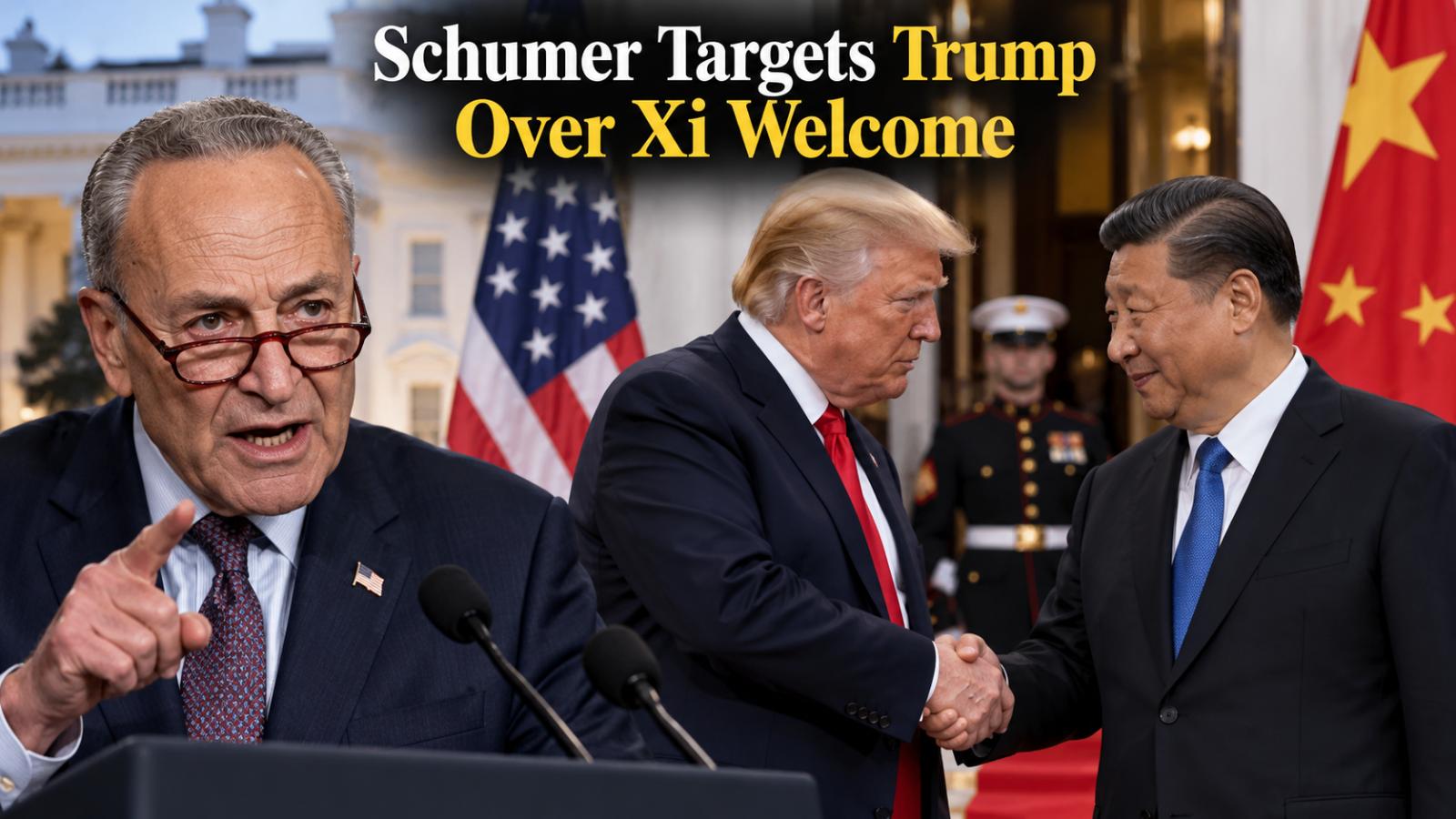
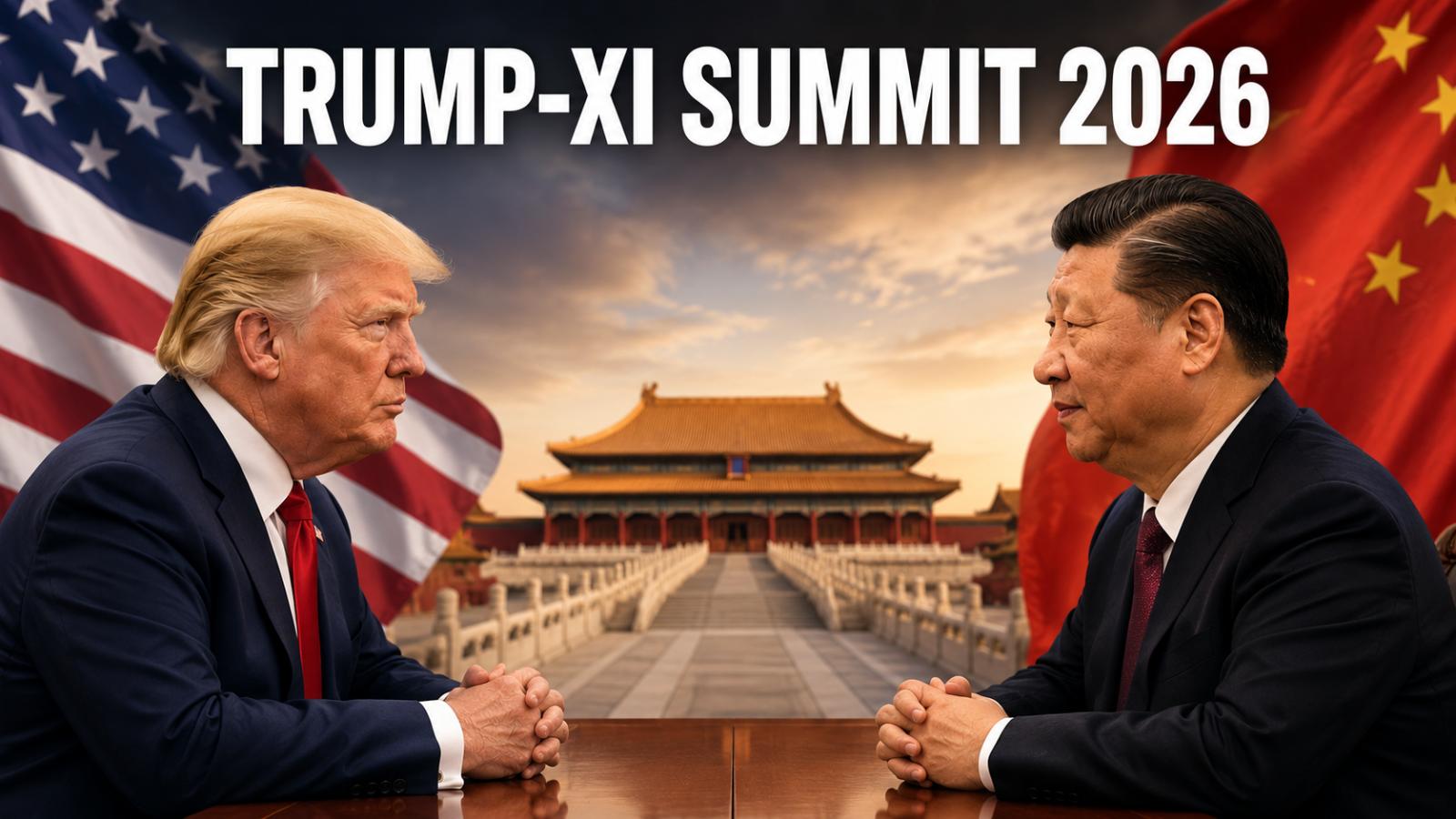
Trump-Xi Summit Puts US-China Tensions Back in Focus US President Donald Trump arrived in Beijing on Wednesday, May 13, 2026, for a high-stakes summit with Chinese President Xi Jinping, bringing tariffs, rare earth exports, AI chips, Taiwan and global security back to the center of US-China relations. The summit is expected to mark another major test for the world’s two largest economies after six previous Trump-Xi meetings shaped trade disputes, tariff pauses and fragile diplomatic resets since 2017. For Washington, the key questions include trade access, technology restrictions, agriculture purchases, Taiwan and supply-chain stability. For Beijing, the meeting is a chance to push back against US tariffs and technology controls while protecting China’s position in global trade. Why the Trump-Xi Summit Matters in 2026 The 2026 Trump-Xi summit matters because the issues are no longer limited to trade. The talks now include rare earth minerals, artificial intelligence, agriculture, Taiwan, nuclear concerns and broader geopolitical tensions. Reuters reported that Trump and Xi are expected to discuss trade, AI, agriculture, rare earths and global security issues during the summit period. Rare earth exports are especially important because China plays a major role in minerals used in defense systems, electric vehicles, electronics and clean-energy technology. Any movement on export controls could affect global supply chains and US manufacturers. AI chips are another major pressure point. Trump’s Beijing visit also drew attention because Nvidia CEO Jensen Huang joined the mission as US companies seek broader access to China’s technology market. Taiwan remains one of the most sensitive security issues. Beijing strongly opposes US arms sales to Taiwan, while Washington continues to maintain political and security ties with Taipei. AP reported that US arms sales to Taiwan are among the issues surrounding the summit. Trump-Xi Meetings Timeline Meeting Date Location Main Focus Why It Matters Now First Trump-Xi meeting Thursday, April 6, 2017 Mar-a-Lago, Florida Trade, diplomacy, North Korea Opened direct leader-level communication G20 meeting Saturday, July 8, 2017 Hamburg, Germany North Korea and economic ties Came before stronger US trade action Trump China visit Wednesday, November 8, 2017 to Friday, November 10, 2017 Beijing, China Business deals and trade imbalance Warm diplomacy did not stop tariff tensions G20 dinner Saturday, December 1, 2018 Buenos Aires, Argentina Tariffs, intellectual property and cyber concerns Opened temporary negotiations during the trade war Osaka G20 meeting Saturday, June 29, 2019 Osaka, Japan Tariff pause and farm purchases Restarted trade talks after escalation APEC meeting Thursday, October 30, 2025 Busan, South Korea Tariffs, rare earths and farm exports Created a temporary pause before the 2026 summit How Six Meetings Shaped US-China Relations Trump and Xi first met at Mar-a-Lago in Florida on Thursday, April 6, 2017. The meeting created a personal channel between the two leaders, but it did not resolve deeper US concerns over China’s trade practices, market access and industrial policy. Their second meeting came on Saturday, July 8, 2017, during the G20 summit in Hamburg, Germany. North Korea was a major topic, but trade tensions were already rising. Soon after, Washington moved toward stronger action over alleged Chinese intellectual property theft and unfair trade practices. Trump visited Beijing from Wednesday, November 8, 2017, to Friday, November 10, 2017. The visit included ceremonial events and business announcements, but the friendly tone did not prevent the two countries from moving toward a wider trade confrontation. By Saturday, December 1, 2018, when Trump and Xi met at the G20 summit in Buenos Aires, both countries had already imposed tariffs. The dinner opened temporary negotiations on trade imbalances, intellectual property and cyber concerns. The next major pause came at the G20 summit in Osaka on Saturday, June 29, 2019. Trump and Xi agreed to restart trade talks and delay new tariffs. China also pledged to buy more US agricultural goods. Their sixth meeting came after a six-year gap on Thursday, October 30, 2025, during the APEC summit in Busan, South Korea. That meeting helped create a temporary pause in parts of the trade dispute, including movement on tariffs, rare earth exports and US farm purchases. What the 2026 Trump-Xi Meeting Could Decide The Beijing summit could decide whether Washington and Beijing extend a period of limited stability or return to sharper confrontation. For the United States, the main goals include tariff relief, stronger export access for farmers, rare earth supply stability, technology safeguards and progress on broader security issues. American companies are also watching whether the talks create more space for business access in China. For China, the summit is about reducing pressure from tariffs and technology restrictions while showing that Beijing can negotiate from strength. Rare earths give China leverage, while its large consumer and technology market remains important for US companies. The six previous Trump-Xi meetings show a clear pattern: personal diplomacy can slow escalation, but it rarely solves the deeper disputes. Mar-a-Lago and Beijing created warmth but did not prevent the trade war. Buenos Aires and Osaka produced temporary pauses. Busan again showed that both sides could step back from escalation, but only for a limited period. That makes the 2026 summit more than another diplomatic event. It is a test of whether the United States and China can manage competition without allowing tariffs, AI chip restrictions, rare earth controls and Taiwan tensions to trigger another major crisis.
Trump-Xi Summit 2026: 6 Past Meetings That Explain US-China Tensions
Trump-Xi Summit Puts US-China Tensions Back in Focus US President Donald Trump arrived in Beijing on Wednesday, May 13, 2026, for a high-stakes summit with Chinese President Xi Jinping, bringing tariffs, rare earth exports, AI chips, Taiwan and global security back to the center of US-China relations. The summit is expected to mark another major test for the world’s two largest economies after six previous Trump-Xi meetings shaped trade disputes, tariff pauses and fragile diplomatic resets since 2017. For Washington, the key questions include trade access, technology restrictions, agriculture purchases, Taiwan and supply-chain stability. For Beijing, the meeting is a chance to push back against US tariffs and technology controls while protecting China’s position in global trade. Why the Trump-Xi Summit Matters in 2026 The 2026 Trump-Xi summit matters because the issues are no longer limited to trade. The talks now include rare earth minerals, artificial intelligence, agriculture, Taiwan, nuclear concerns and broader geopolitical tensions. Reuters reported that Trump and Xi are expected to discuss trade, AI, agriculture, rare earths and global security issues during the summit period. Rare earth exports are especially important because China plays a major role in minerals used in defense systems, electric vehicles, electronics and clean-energy technology. Any movement on export controls could affect global supply chains and US manufacturers. AI chips are another major pressure point. Trump’s Beijing visit also drew attention because Nvidia CEO Jensen Huang joined the mission as US companies seek broader access to China’s technology market. Taiwan remains one of the most sensitive security issues. Beijing strongly opposes US arms sales to Taiwan, while Washington continues to maintain political and security ties with Taipei. AP reported that US arms sales to Taiwan are among the issues surrounding the summit. Trump-Xi Meetings Timeline Meeting Date Location Main Focus Why It Matters Now First Trump-Xi meeting Thursday, April 6, 2017 Mar-a-Lago, Florida Trade, diplomacy, North Korea Opened direct leader-level communication G20 meeting Saturday, July 8, 2017 Hamburg, Germany North Korea and economic ties Came before stronger US trade action Trump China visit Wednesday, November 8, 2017 to Friday, November 10, 2017 Beijing, China Business deals and trade imbalance Warm diplomacy did not stop tariff tensions G20 dinner Saturday, December 1, 2018 Buenos Aires, Argentina Tariffs, intellectual property and cyber concerns Opened temporary negotiations during the trade war Osaka G20 meeting Saturday, June 29, 2019 Osaka, Japan Tariff pause and farm purchases Restarted trade talks after escalation APEC meeting Thursday, October 30, 2025 Busan, South Korea Tariffs, rare earths and farm exports Created a temporary pause before the 2026 summit How Six Meetings Shaped US-China Relations Trump and Xi first met at Mar-a-Lago in Florida on Thursday, April 6, 2017. The meeting created a personal channel between the two leaders, but it did not resolve deeper US concerns over China’s trade practices, market access and industrial policy. Their second meeting came on Saturday, July 8, 2017, during the G20 summit in Hamburg, Germany. North Korea was a major topic, but trade tensions were already rising. Soon after, Washington moved toward stronger action over alleged Chinese intellectual property theft and unfair trade practices. Trump visited Beijing from Wednesday, November 8, 2017, to Friday, November 10, 2017. The visit included ceremonial events and business announcements, but the friendly tone did not prevent the two countries from moving toward a wider trade confrontation. By Saturday, December 1, 2018, when Trump and Xi met at the G20 summit in Buenos Aires, both countries had already imposed tariffs. The dinner opened temporary negotiations on trade imbalances, intellectual property and cyber concerns. The next major pause came at the G20 summit in Osaka on Saturday, June 29, 2019. Trump and Xi agreed to restart trade talks and delay new tariffs. China also pledged to buy more US agricultural goods. Their sixth meeting came after a six-year gap on Thursday, October 30, 2025, during the APEC summit in Busan, South Korea. That meeting helped create a temporary pause in parts of the trade dispute, including movement on tariffs, rare earth exports and US farm purchases. What the 2026 Trump-Xi Meeting Could Decide The Beijing summit could decide whether Washington and Beijing extend a period of limited stability or return to sharper confrontation. For the United States, the main goals include tariff relief, stronger export access for farmers, rare earth supply stability, technology safeguards and progress on broader security issues. American companies are also watching whether the talks create more space for business access in China. For China, the summit is about reducing pressure from tariffs and technology restrictions while showing that Beijing can negotiate from strength. Rare earths give China leverage, while its large consumer and technology market remains important for US companies. The six previous Trump-Xi meetings show a clear pattern: personal diplomacy can slow escalation, but it rarely solves the deeper disputes. Mar-a-Lago and Beijing created warmth but did not prevent the trade war. Buenos Aires and Osaka produced temporary pauses. Busan again showed that both sides could step back from escalation, but only for a limited period. That makes the 2026 summit more than another diplomatic event. It is a test of whether the United States and China can manage competition without allowing tariffs, AI chip restrictions, rare earth controls and Taiwan tensions to trigger another major crisis.
US-China chip war deepens in 2025 as export controls reshape global semiconductor industry
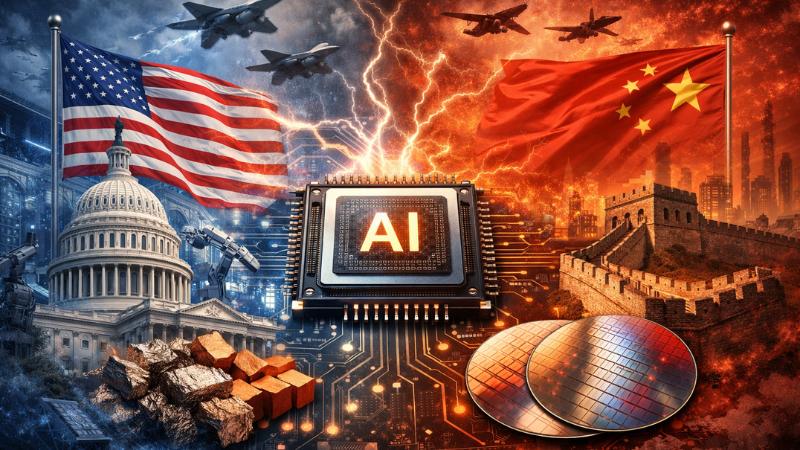
The strategic rivalry between the United States and China in the semiconductor sector continued to intensify throughout 2025, with export controls remaining a central instrument in what has come to be known as the global chip war. The dispute, rooted in concerns over national security, technological leadership and economic influence, significantly affected the semiconductor industry, global supply chains and investment decisions during the year. At the start of 2025, the United States maintained restrictions on the export of advanced artificial intelligence chips and related technologies to China. These controls were designed to limit Beijing’s access to cutting-edge computing capabilities that could be applied to military and surveillance technologies. US officials defended the measures as necessary to protect national security interests, but the restrictions had immediate commercial consequences for American chipmakers with strong exposure to the Chinese market. Companies producing high-performance AI chips, including industry leaders such as Nvidia, reported revenue pressures linked to reduced access to Chinese customers. The curbs also led to higher compliance costs and uncertainty over long-term market strategies. Industry executives warned that prolonged restrictions could weaken the global competitiveness of US firms while accelerating China’s efforts to develop independent semiconductor capabilities. Policy signals shifted after Donald Trump assumed the US presidency in January. His administration moved to ease certain export controls on advanced AI chips for what were described as approved customers in China. Under the revised framework, sales of Nvidia’s H200 chip were permitted, subject to conditions that included profit-sharing arrangements with the US government. The adjustments were widely interpreted as an attempt to balance national security concerns with the commercial interests of American technology companies. China responded to the US measures by criticising what it described as discriminatory semiconductor policies and urging Washington to reverse the controls. Beijing argued that the restrictions were disrupting global supply chains and undermining fair competition in the semiconductor industry. At the same time, Chinese authorities accelerated domestic initiatives aimed at strengthening the country’s chip manufacturing ecosystem and reducing reliance on foreign suppliers. As part of its response, China imposed export controls on several rare earth elements, materials that are essential for semiconductor production and advanced electronics. China holds a dominant position in the global rare earth supply, making these measures a powerful lever in the broader technology competition. The restrictions heightened concerns among manufacturers worldwide about material availability and supply chain resilience. The prolonged US-China chip war had ripple effects across global markets. American and allied semiconductor firms experienced volatility in revenues and share prices as companies reassessed exposure to geopolitical risk. Investment patterns shifted as manufacturers sought to diversify production and sourcing to reduce dependence on any single market. Chinese technology firms increasingly turned to domestic suppliers, accelerating efforts to replace restricted foreign components with locally developed alternatives. In parallel, the United States expanded its focus on strengthening domestic semiconductor production through subsidy programmes under the CHIPS Act. The initiative supported the construction of new fabrication plants and aimed to secure long-term technological leadership by rebuilding advanced manufacturing capacity within the country. By late 2025, both Washington and Beijing took limited steps to ease tensions, agreeing to suspend certain rare earth export controls. While the move signalled a willingness to manage escalation, the underlying competition in advanced chip technologies remained unresolved. The year underscored how deeply the semiconductor rivalry has become embedded in global trade, industrial policy and national security calculations, with lasting implications for the future of the technology sector.


US-China chip war deepens in 2025 as export controls reshape global semiconductor industry
The strategic rivalry between the United States and China in the semiconductor sector continued to intensify throughout 2025, with export controls remaining a central instrument in what has come to be known as the global chip war. The dispute, rooted in concerns over national security, technological leadership and economic influence, significantly affected the semiconductor industry, global supply chains and investment decisions during the year. At the start of 2025, the United States maintained restrictions on the export of advanced artificial intelligence chips and related technologies to China. These controls were designed to limit Beijing’s access to cutting-edge computing capabilities that could be applied to military and surveillance technologies. US officials defended the measures as necessary to protect national security interests, but the restrictions had immediate commercial consequences for American chipmakers with strong exposure to the Chinese market. Companies producing high-performance AI chips, including industry leaders such as Nvidia, reported revenue pressures linked to reduced access to Chinese customers. The curbs also led to higher compliance costs and uncertainty over long-term market strategies. Industry executives warned that prolonged restrictions could weaken the global competitiveness of US firms while accelerating China’s efforts to develop independent semiconductor capabilities. Policy signals shifted after Donald Trump assumed the US presidency in January. His administration moved to ease certain export controls on advanced AI chips for what were described as approved customers in China. Under the revised framework, sales of Nvidia’s H200 chip were permitted, subject to conditions that included profit-sharing arrangements with the US government. The adjustments were widely interpreted as an attempt to balance national security concerns with the commercial interests of American technology companies. China responded to the US measures by criticising what it described as discriminatory semiconductor policies and urging Washington to reverse the controls. Beijing argued that the restrictions were disrupting global supply chains and undermining fair competition in the semiconductor industry. At the same time, Chinese authorities accelerated domestic initiatives aimed at strengthening the country’s chip manufacturing ecosystem and reducing reliance on foreign suppliers. As part of its response, China imposed export controls on several rare earth elements, materials that are essential for semiconductor production and advanced electronics. China holds a dominant position in the global rare earth supply, making these measures a powerful lever in the broader technology competition. The restrictions heightened concerns among manufacturers worldwide about material availability and supply chain resilience. The prolonged US-China chip war had ripple effects across global markets. American and allied semiconductor firms experienced volatility in revenues and share prices as companies reassessed exposure to geopolitical risk. Investment patterns shifted as manufacturers sought to diversify production and sourcing to reduce dependence on any single market. Chinese technology firms increasingly turned to domestic suppliers, accelerating efforts to replace restricted foreign components with locally developed alternatives. In parallel, the United States expanded its focus on strengthening domestic semiconductor production through subsidy programmes under the CHIPS Act. The initiative supported the construction of new fabrication plants and aimed to secure long-term technological leadership by rebuilding advanced manufacturing capacity within the country. By late 2025, both Washington and Beijing took limited steps to ease tensions, agreeing to suspend certain rare earth export controls. While the move signalled a willingness to manage escalation, the underlying competition in advanced chip technologies remained unresolved. The year underscored how deeply the semiconductor rivalry has become embedded in global trade, industrial policy and national security calculations, with lasting implications for the future of the technology sector.
Intel In Talks With Apple For Strategic Investment Amid Global Chip Race
Intel Corp. is reportedly in preliminary talks with Apple Inc. over a potential investment, according to Bloomberg. The chipmaker, which has struggled in recent years against rivals AMD and Nvidia, is seeking new partnerships to strengthen its global position. While the discussions are still in early stages and no agreement is confirmed, the possibility of Apple joining Intel’s revival plan has already stirred investor interest.
Intel In Talks With Apple For Strategic Investment Amid Global Chip Race
Intel Corp. is reportedly in preliminary talks with Apple Inc. over a potential investment, according to Bloomberg. The chipmaker, which has struggled in recent years against rivals AMD and Nvidia, is seeking new partnerships to strengthen its global position. While the discussions are still in early stages and no agreement is confirmed, the possibility of Apple joining Intel’s revival plan has already stirred investor interest.
U.S. to get 15% share of Nvidia, AMD China chip sales under export agreement
Nvidia and AMD have agreed to provide the United States government with 15% of their revenue from specific chip sales to China as part of an unusual export license arrangement. The decision comes after earlier restrictions halted the sale of advanced semiconductors to China due to national security concerns. The administration stopped exports of certain high-performance chips in April, citing risks related to their potential use in military and artificial intelligence applications
U.S. to get 15% share of Nvidia, AMD China chip sales under export agreement
Nvidia and AMD have agreed to provide the United States government with 15% of their revenue from specific chip sales to China as part of an unusual export license arrangement. The decision comes after earlier restrictions halted the sale of advanced semiconductors to China due to national security concerns. The administration stopped exports of certain high-performance chips in April, citing risks related to their potential use in military and artificial intelligence applications
Nvidia gets US approval to sell H20 AI chips to China after export restrictions ease
Nvidia, the global leader in advanced computing and artificial intelligence hardware, has confirmed that it has received approval from the United States government to sell its H20 AI chips to customers in China. The announcement was made by Nvidia CEO Jensen Huang during a trip to Beijing, where he is attending a major supply chain conference. According to the company’s official blog, the US government has given clearance to begin filing license applications for shipments of the H20 chi
Nvidia gets US approval to sell H20 AI chips to China after export restrictions ease
Nvidia, the global leader in advanced computing and artificial intelligence hardware, has confirmed that it has received approval from the United States government to sell its H20 AI chips to customers in China. The announcement was made by Nvidia CEO Jensen Huang during a trip to Beijing, where he is attending a major supply chain conference. According to the company’s official blog, the US government has given clearance to begin filing license applications for shipments of the H20 chi
Nvidia becomes first company to surpass $4 trillion in market value
Nvidia has reached an unprecedented milestone by becoming the first publicly traded company in history to surpass a $4 trillion market valuation. This historic achievement, reached on Wednesday, showcases the company’s rapid ascent in the global technology landscape, driven largely by the surging demand for its artificial intelligence-focused chips. Shares of Nvidia rose by 2.5% in early trading on Wednesday, climbing by $3.97 to exceed $164 per share. This marks a staggerin
Nvidia becomes first company to surpass $4 trillion in market value
Nvidia has reached an unprecedented milestone by becoming the first publicly traded company in history to surpass a $4 trillion market valuation. This historic achievement, reached on Wednesday, showcases the company’s rapid ascent in the global technology landscape, driven largely by the surging demand for its artificial intelligence-focused chips. Shares of Nvidia rose by 2.5% in early trading on Wednesday, climbing by $3.97 to exceed $164 per share. This marks a staggerin
Texas Instruments to Invest $60B in US Chip Plants
In a historic move for the US tech sector, Texas Instruments (TI) has announced a massive investment of over $60 billion to boost domestic semiconductor manufacturing. This investment, set to roll out across seven fabrication plants in Texas and Utah, marks the largest such commitment in foundational chipmaking on American soil. The company expects the expansion to generate over 60,000 jobs and strengthen the country’s ability to produce critical compone
Texas Instruments to Invest $60B in US Chip Plants
In a historic move for the US tech sector, Texas Instruments (TI) has announced a massive investment of over $60 billion to boost domestic semiconductor manufacturing. This investment, set to roll out across seven fabrication plants in Texas and Utah, marks the largest such commitment in foundational chipmaking on American soil. The company expects the expansion to generate over 60,000 jobs and strengthen the country’s ability to produce critical compone
Nvidia Becomes World's Most Valuable Company, Beats Microsoft
Nvidia has once again claimed the title of the world’s most valuable company, overtaking tech giant Microsoft, as surging demand for artificial intelligence (AI) chips continues to push its market value to new heights. On Tuesday, Nvidia’s shares climbed by 3.4%, boosting its market capitalization to approximately $3.45 trillion slightly ahead of Microsoft’s $3.44 trillion. This isn’t Nvidia&r
Nvidia Becomes World's Most Valuable Company, Beats Microsoft
Nvidia has once again claimed the title of the world’s most valuable company, overtaking tech giant Microsoft, as surging demand for artificial intelligence (AI) chips continues to push its market value to new heights. On Tuesday, Nvidia’s shares climbed by 3.4%, boosting its market capitalization to approximately $3.45 trillion slightly ahead of Microsoft’s $3.44 trillion. This isn’t Nvidia&r
The global chip ban dilemma: Innovation vs US export controls
The recent developments in the semiconductor industry highlight a complex and evolving battle over technological supremacy, led prominently by the United States and China. When Huawei launched its Mate 60 Pro smartphone equipped with an advanced 7-nanometer chip despite stringent US export restrictions, it sent shockwaves through the global tech community. This event underscored that innovation can persist even in the face of severe sanctions. The US responded swiftly by tightening export contro
The global chip ban dilemma: Innovation vs US export controls
The recent developments in the semiconductor industry highlight a complex and evolving battle over technological supremacy, led prominently by the United States and China. When Huawei launched its Mate 60 Pro smartphone equipped with an advanced 7-nanometer chip despite stringent US export restrictions, it sent shockwaves through the global tech community. This event underscored that innovation can persist even in the face of severe sanctions. The US responded swiftly by tightening export contro