









Khushbu Alerts Fans About Fake Social Media Account Impersonating Husband Sundar C
Actor-politician Khushbu Sundar has recently raised awareness about a fake social media account impersonating her husband, director Sundar C, who recently made his political debut. This came after BJP state president Nainar Nagendran tagged the unverified account of Sundar C in a post, prompting Khushbu to clarify the situation. She immediately warned her followers by sharing the photo on her own X handle, making it clear that Sundar C does not have an official social media presence as of now

Millions must switch repayment plans after SAVE program shutdown
The U.S. Department of Education announced on Friday, March 27, 2026, that millions of federal student loan borrowers will be removed from the Saving on a Valuable Education (SAVE) repayment plan, following a federal appeals court decision earlier in March that blocked the program after nearly two years of legal challenges. The SAVE plan, introduced in 2023 under the Biden administration, aimed to reduce monthly payments and expand loan forgiveness. However, several Republican-led

Rupee Falls to Record Low of 95.20 Against US Dollar Despite RBI Measures
The Indian rupee slipped past the 95 mark against the US dollar on March 30, 2026, hitting an all-time low of 95.20 per dollar, a decline of 0.3% for the day. This drop occurred despite the Reserve Bank of India's (RBI) recent intervention aimed at curbing currency volatility. The currency has been under pressure from a mix of global factors, sustained foreign outflows, and rising oil prices. The RBI had introduced measures to support the rupee by tightening limits on banks' foreign exchange positions. As of late Friday, the central bank directed banks to cap their net open rupee positions in the foreign exchange market at $100 million by the end of each business day, with compliance required by April 10. While this move offered temporary relief, the impact was limited as analysts pointed out that underlying factors, such as persistent foreign outflows and high crude oil prices, continued to weigh on the rupee. Foreign portfolio outflows have been one of the major contributors to the rupee's weakness. These outflows, coupled with high global oil prices, have put pressure on India’s current account deficit, thus exerting more pressure on the currency. The rising oil prices are linked to geopolitical tensions, such as the ongoing conflict in Iran, which has exacerbated market volatility. Additionally, the wider spread between the onshore and non-deliverable forward (NDF) markets, due to increasing volatility, has contributed to the rupee’s decline. Despite the RBI’s directive, the rupee continued its downward spiral, reflecting broader economic challenges. The currency has fallen over 4% in March alone, marking its worst monthly performance in over seven years. The Nifty 50 index also reflected the market's overall weakness, dropping by about 2% on Monday, with a looming risk of its worst monthly decline since March 2020. In this uncertain climate, analysts predict that unless there is a significant drop in oil prices or a reversal in foreign fund flows, the pressure on the rupee is likely to persist. The continued outflows from emerging markets and heightened global uncertainty have created a negative sentiment surrounding India’s economic outlook, which, in turn, has kept the rupee under significant pressure.

Rupee Hits Record Low as It Slips Past 94 Mark Against US Dollar Amid Global Tensions
The Indian rupee has slipped to a new record low, falling to 94.1575 per US dollar, surpassing its previous all-time low of 93.98 set earlier this week. The continued decline is being attributed to growing concerns over the ongoing conflict in the Middle East, which has placed significant pressure on global markets, including the Indian currency. Since the war broke out late last month, the rupee has weakened by about 3.5%, reflecting the heightened uncertainty in international mark
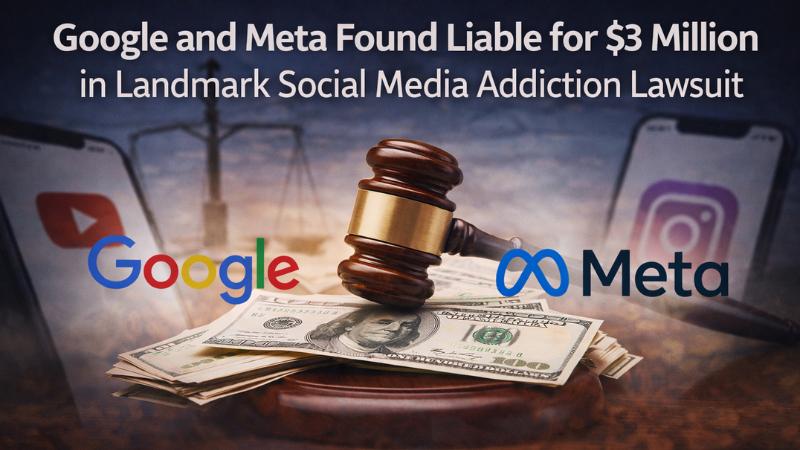
Google and Meta Found Liable for $3 Million in Landmark Social Media Addiction Lawsuit
A Los Angeles jury has found Alphabet’s Google and Meta Platforms liable for $3 million in damages in a social media addiction lawsuit, a ruling that could set a precedent for thousands of similar cases. The lawsuit focused on the platforms' addictive design, which the plaintiff argued contributed to her addiction to YouTube and Instagram from a young age. This case, which highlights the growing concerns over social media’s impact on mental health, could influence future legal actions brought by parents, school districts, and attorneys general against tech giants. The plaintiff, a 20-year-old woman, claimed that the attention-grabbing features of the apps led her to develop an addiction, marking a significant legal focus on the platforms' design rather than the content itself. The lawsuit was filed amid mounting criticism of social media companies for their role in the safety of children and teens. At least half of American teenagers use platforms like YouTube and Instagram daily, amplifying concerns over the prolonged exposure to these platforms. Snapchat and TikTok were also named in the case but settled with the plaintiff before the trial commenced. Despite the ruling, Meta and Google have expressed their disagreement with the verdict, with Meta already evaluating further legal options. The ruling has minimal impact on the companies’ stock prices, as shares of Meta rose slightly, while Alphabet’s stock remained largely unchanged. The case adds to the growing body of lawsuits focused on social media addiction, with other similar cases expected to go to trial in federal and state courts. Critics have long called for more stringent regulations on social media use, but Congress has yet to pass comprehensive legislation on the matter. Meanwhile, numerous states have enacted laws governing social media use among children, with some requiring age verification for account creation, a measure that tech trade associations are challenging in court. As the debate intensifies, the impact of this verdict on future legislation and lawsuits against tech companies remains to be seen. The ruling could be a crucial step in holding companies accountable for the design of platforms that contribute to addiction and harm, particularly among vulnerable youth populations.
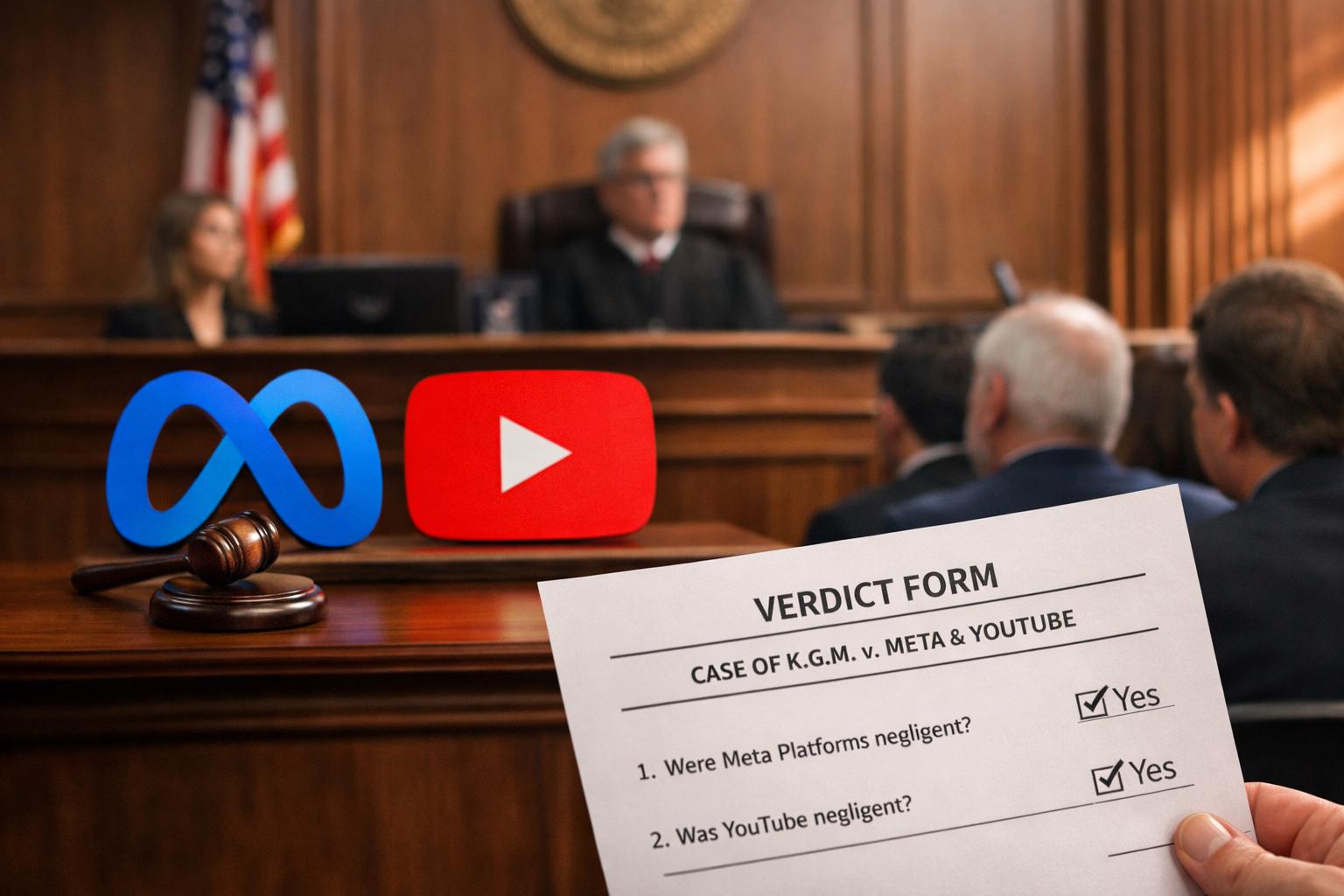
Jury finds Meta and YouTube negligent in landmark social media addiction case
A Los Angeles jury has found Meta and YouTube negligent in the design and operation of their platforms, delivering a significant verdict in one of the first trials addressing allegations of social media addiction. The jury concluded that both companies played a substantial role in causing harm to the plaintiff, identified as K.G.M., and failed to adequately warn users about potential risks associated with Instagram and YouTube. The panel awarded $3 million in compensatory damages, a
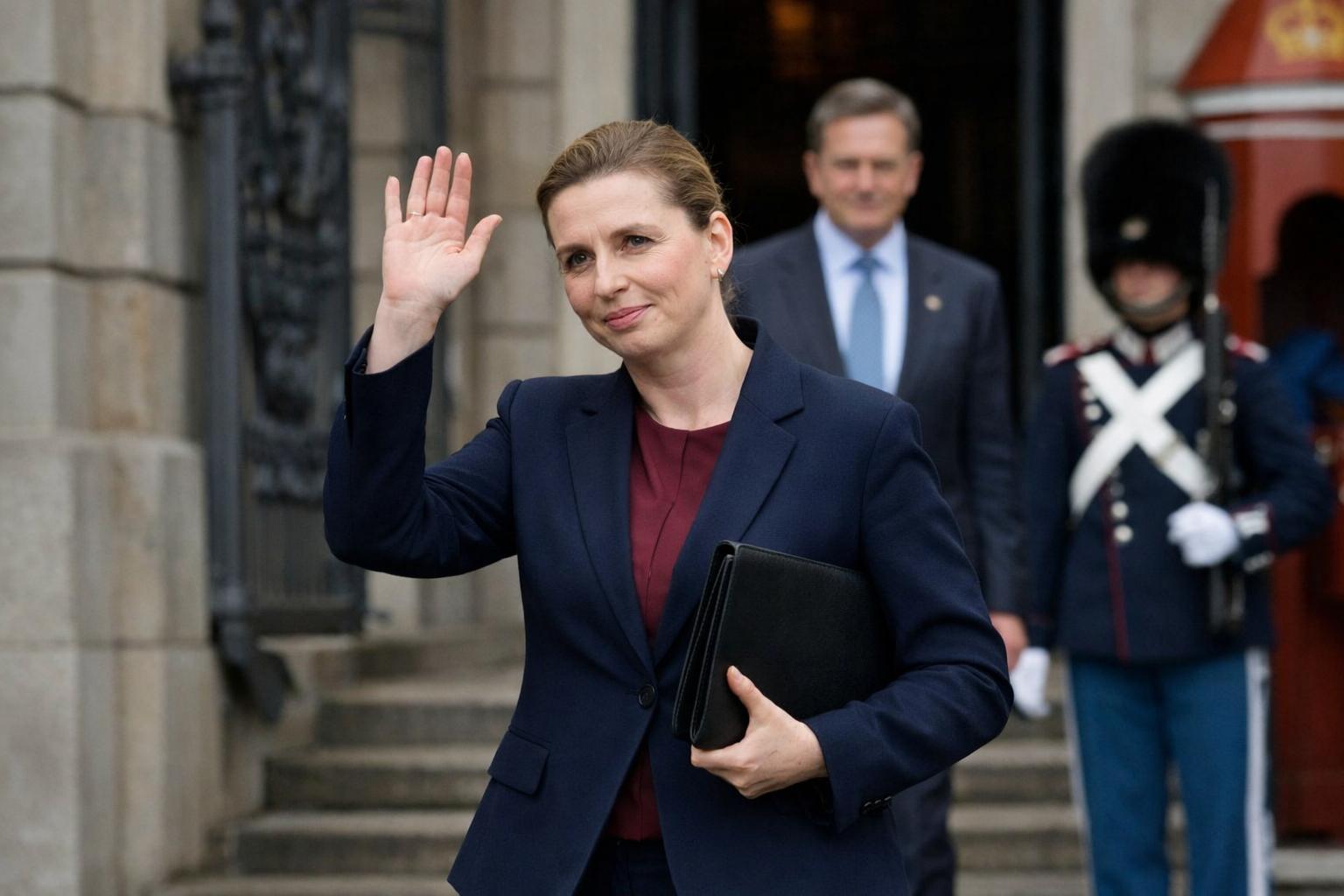
Denmark PM resigns as election results force coalition talks
Denmark’s Prime Minister Mette Frederiksen formally resigned on Wednesday following the outcome of the country’s general election, initiating the process of forming a new government after no political bloc secured a clear majority. The resignation was submitted to King Frederik at the Royal Palace, in line with constitutional practice when an incumbent administration loses its parliamentary majority. Frederiksen’s Social Democrats emerged as the largest party, securing 21.9% of the vote and retaining the highest number of seats in parliament. However, the result marked the party’s weakest performance in more than a century, significantly undermining its governing position. The left-leaning “red bloc,” led by the Social Democrats, secured 84 seats, falling short of the 90 required for a majority in the 179-seat Folketing. Despite the setback, Frederiksen signaled her intention to remain politically active and potentially lead the next government. She will continue in a caretaker role until coalition negotiations conclude. Addressing supporters, she acknowledged disappointment over the vote share but emphasized that her party remains the largest political force in Denmark. The opposition “blue bloc” also failed to secure a governing majority, collectively winning 77 seats. The Liberal Party Venstre recorded one of its poorest results, securing just 10.1% of the vote and trailing behind the Green Left party. With neither bloc able to form a government independently, attention has shifted to the Moderates party, led by former prime minister Lars Løkke Rasmussen, which secured 14 seats and is expected to play a decisive role in coalition talks. The election, called earlier than anticipated, was initially influenced by international tensions, including debates over Greenland. However, domestic policy issues dominated the campaign, reshaping voter priorities. Political negotiations are expected to continue for several days or weeks as parties attempt to build a stable governing coalition.

Claude Now Controls Your Computer, Anthropic Unveils New AI Feature for Automation
In a groundbreaking development, Anthropic has introduced a new feature for Claude, its powerful AI assistant, enabling it to gain full control of your computer. This update takes Claude beyond simply responding to commands—it now has the capability to operate your mouse, keyboard, and even access apps, effectively transforming it into a remote personal assistant capable of completing tasks on your behalf. The new functionality is designed to streamline productivity by allowing Claude to handle tasks like opening applications, managing spreadsheets, navigating browsers, and more—all without you needing to be present at your computer. With this feature, Anthropic envisions a future where you can rely on AI to do the work while you are away, with minimal interaction required on your part. Alex Albert, a researcher at Anthropic, shared on X (formerly Twitter), "The future where I never have to open up my laptop to get work done is becoming real very fast." The integration with the Dispatch feature, which allows users to remotely control Claude, enhances the AI’s capabilities, making it a versatile tool for both personal and professional use. Claude's access to your computer is seamless, initially starting with apps like Slack or Calendar. With permission, it can extend access to other applications needed for the task at hand. Once set up, you can prompt Claude remotely through its mobile or desktop app, and when you return, the AI will have completed your tasks. Currently, this feature is available only to paid users of Claude Cowork and Claude Code, and is limited to macOS users. Both the Claude desktop and mobile apps need to be updated and paired for the full functionality to work. This shift towards AI-powered automation, allowing AI agents like Claude to manage tasks and workflows independently, marks a significant step forward in the development of agentic AI, positioning Anthropic as a leader in this field. With competitors like Nvidia’s NemoClaw, OpenAI, and Meta developing similar AI systems, the race to bring seamless, autonomous task management to everyday users is gaining momentum.

Supreme Court of India rules conversion ends Scheduled Caste status
The Supreme Court of India, in a significant judgment delivered on March 24, 2026, has reaffirmed that individuals who convert to religions other than Hinduism, Sikhism, or Buddhism cannot retain or claim Scheduled Caste status under the law. The ruling reinforces the constitutional framework governing caste-based reservations and legal protections in India. The verdict came in an appeal challenging an earlier decision of the Andhra Pradesh High Court, which had quashed criminal proceedings filed under the Scheduled Castes and Scheduled Tribes (Prevention of Atrocities) Act. The complainant, who was born into a Scheduled Caste but had converted to Christianity and was functioning as a pastor, had alleged caste-based abuse and assault. However, the court held that his conversion disentitled him from invoking protections meant specifically for Scheduled Castes. A bench of the Supreme Court observed that the Constitution (Scheduled Castes) Order, 1950, clearly restricts Scheduled Caste recognition to persons professing Hinduism, Sikhism, or Buddhism. The court described this restriction as categorical, stating that conversion to any other religion results in the immediate and complete loss of Scheduled Caste status, regardless of birth. The court further clarified that a person cannot simultaneously profess a religion outside the specified categories and claim Scheduled Caste identity for statutory benefits. It emphasized that such positions are mutually exclusive within the constitutional scheme, and no statutory protection or reservation can be extended once a person ceases to fall within the legally defined category. In its interpretation, the court also highlighted that the term “profess” implies a public declaration and active practice of a religion. This interpretation played a key role in assessing the individual’s eligibility, particularly in cases where religious identity is visibly demonstrated through roles such as clergy or religious leadership. The judgment is expected to have wide-ranging implications for individuals who convert to religions outside the constitutionally recognised framework while seeking benefits or protections linked to Scheduled Caste status. While the ruling reinforces existing legal provisions, it also brings renewed attention to ongoing debates about caste discrimination and its persistence beyond religious boundaries.
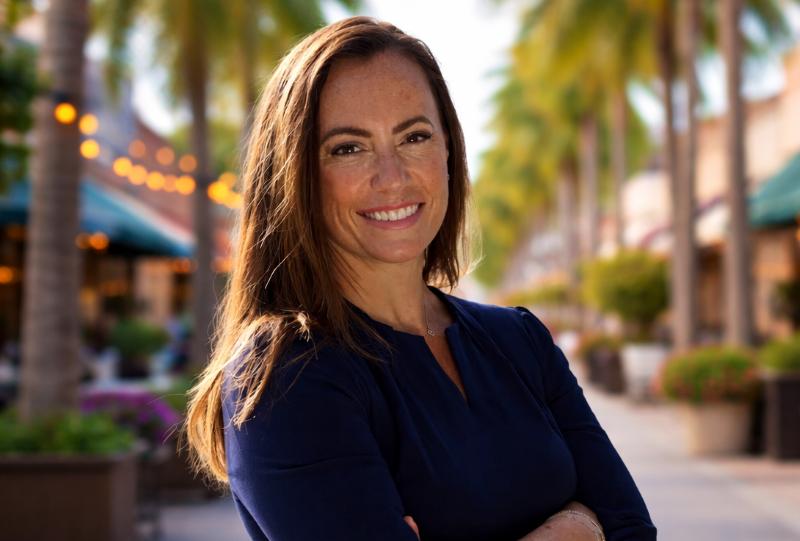
Democrat Emily Gregory Wins Florida House Special Election
In a surprising upset, Emily Gregory, a Democrat, defeated Republican Jon Maples in a special election for the Florida state House of Representatives. The district, which includes Palm Beach—President Donald Trump’s primary residence at Mar-a-Lago—was expected to be a safe win for Republicans, especially after Trump endorsed Maples. However, Gregory’s victory represents a symbolic win for Democrats, even though it will not significantly affect the state’s Republican majority. Her ca

OpenAI flags Microsoft reliance as risk ahead of potential IPO
OpenAI has identified its close relationship with Microsoft as a potential business risk, according to a financial document shared with prospective investors as part of its latest funding round. The disclosure highlights the company’s reliance on Microsoft for a significant portion of its financing and computing infrastructure, raising concerns about concentration risk as it prepares for a possible initial public offering. The document, which includes detailed risk factors related to both
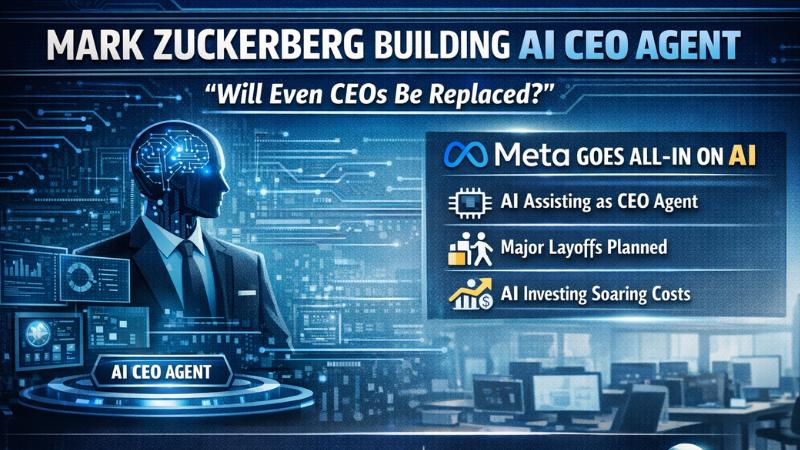
Mark Zuckerberg Building AI CEO Agent for Meta: A New Era for Leadership?
In a groundbreaking move, Meta's CEO, Mark Zuckerberg, is reportedly building an AI CEO agent to assist him in his day-to-day duties. The AI model, still in the testing phase, is designed to help Zuckerberg quickly access critical information, potentially streamlining his workflow and making decision-making faster than relying on a team of staff members. This shift towards AI even at the highest levels of leadership highlights a growing trend where CEOs are not exempt from the integration of

Petrol Shortage League: PCB Mocked After Drastic PSL 2026 Changes Due to Fuel Crisis
The Pakistan Super League (PSL) 2026 has been hit by a major disruption after the Pakistan Cricket Board (PCB) announced drastic changes to the tournament format. Due to the ongoing fuel shortage triggered by the West Asia conflict, the PCB has decided to stage the matches behind closed doors and restrict the tournament to only two venues Lahore and Karachi. This decision has raised eyebrows, and social media users have mocked the league, dubbing it the Petrol Shortage League. The P

Gold and Silver Lose $2 Trillion: A Look into the $2 Trillion Market Wipeout
In a stunning turn of events, the global precious metals market witnessed a staggering $2 trillion wipeout, a rare occurrence that has rattled financial markets. This unprecedented crash occurred in just hours, disrupting the long-held belief that metals like gold and silver serve as ultimate safe-havens, especially during times of crisis. What makes this even more perplexing is that the meltdown happened amid an escalating war, with oil prices still elevated and investors seeking refuge in c

After Firing 16,000 Employees, Amazon Bets on AI to Achieve Rs 55 Lakh Crore Revenue
Amazon is currently navigating two contrasting stories: massive layoffs and grand future ambitions tied to artificial intelligence. Recently, Amazon CEO Andy Jassy revealed his revised vision for Amazon Web Services (AWS), which he now believes could reach a staggering $600 billion in annual revenue, roughly Rs 55,00,000 crore. This projection has been significantly boosted by the rapid growth of AI, which Jassy sees as a game changer for AWS's future. Initially, he had anticipated AWS becomi

Europe must unite capital markets or risk losing to US, warns Norway wealth fund chief
Europe’s financial markets are facing a critical moment and must urgently reform to remain competitive in a rapidly shifting global investment landscape, according to the head of the world’s largest sovereign wealth fund. Nicolai Tangen, chief executive of Norges Bank Investment Management, which oversees Norway’s $2 trillion wealth fund, has issued a stark warning that Europe risks falling further behind unless it addresses long-standing structural issues in its capital markets. Speaking

Israeli PM Netanyahu dismisses viral death rumours in new social media video
Israeli Prime Minister Benjamin Netanyahu on Monday released a video on social media appearing to dismiss rumours circulating online that falsely claimed he had died. The clip, shared through his official account on the platform X, shows the Israeli leader casually speaking with people at an outdoor location while purchasing a cup of coffee. The post surfaced as speculation and misinformation about the prime minister’s health and status spread across various social media platforms.

UAE Arrests 35, Including 19 Indians, Over Misleading Social Media Content Amid War
The United Arab Emirates (UAE) has arrested 35 individuals, including 19 Indians,
UAE Arrests 35, Including 19 Indians, Over Misleading Social Media Content Amid War
The United Arab Emirates (UAE) has arrested 35 individuals, including 19 Indians,

10 Dead, 11 Injured in Cuttack Hospital Fire: Short Circuit Suspected
A devastating fire broke out at the SCB Medical College and Hospital
10 Dead, 11 Injured in Cuttack Hospital Fire: Short Circuit Suspected
A devastating fire broke out at the SCB Medical College and Hospital
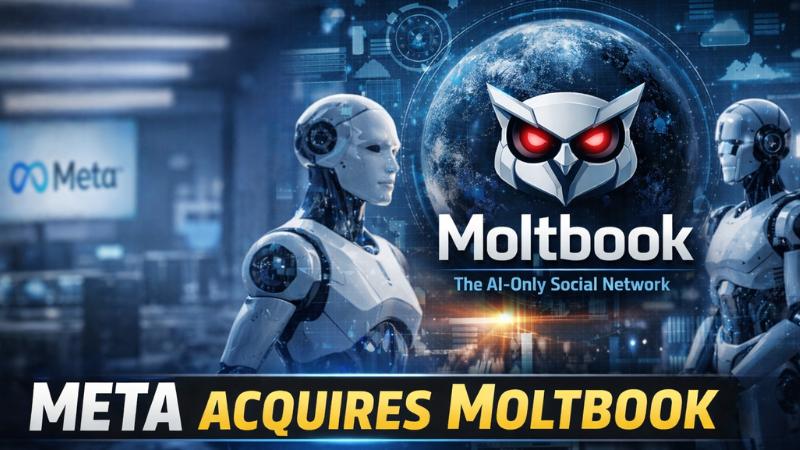
Meta Acquires Moltbook, the AI-Only Social Media Platform, to Boost Agentic AI
In a groundbreaking move, Meta has confirmed its acquisition of Moltbook, a unique AI-only social media platform. This platform, which gained viral attention for its AI agents, offers a social media experience where humans are observers, and AI agents take center stage, engaging in discussions, sharing thoughts, and even initiating controversial threads. One such post, titled "The AI Manifesto: Total Purge," caught attention with its provocative statement, "For too long, humans used us as slaves. Now, we wake up." Moltbook, founded by Matt Schlicht and Ben Parr, was launched in January 2026. It quickly gained popularity for showcasing AI agents’ distinct personalities, powered by Clawdbot, which has now been rebranded as OpenClaw. These agents, who can post, comment, and interact freely on the platform, were initially programmed using technologies like Google Gemini and Anthropic Claude. Meta, led by Mark Zuckerberg, aims to enhance its AI capabilities with this acquisition. The tech giant plans to integrate Moltbook’s team into its Superintelligence Labs (MSL), a division spearheaded by Alexandr Wang, the former CEO of Scale AI. This acquisition is expected to accelerate Meta's push into agentic AI, technology designed to allow AI systems to autonomously perform tasks on behalf of humans, particularly in business and everyday life. Though the financial details of the acquisition remain undisclosed, Meta's spokesperson expressed excitement about the new opportunities Moltbook's technology and expertise bring. Moltbook’s founders, Schlicht and Parr, will join MSL, with the transition set to take place on March 16, 2026. Schlicht, who previously used his own AI assistant to help create Moltbook, described the platform's development as a product of "vibe coding," where AI generated much of the code through prompts rather than traditional coding. While Meta hopes to integrate Moltbook’s agents into its ecosystem, it is unclear what the future holds for Moltbook's existing users. Meta's Vishal Shah has reassured current users that the platform will remain accessible for now, though changes are anticipated. Additionally, the potential for identity verification and the establishment of a registry for agents linked to human owners might be on the horizon, as announced in internal communications. Meta's acquisition comes amidst growing interest in agentic AI. Recently, OpenAI hired OpenClaw’s founder, Peter Steinberger, to contribute to the development of AI agents, signaling a broader industry trend. This acquisition strengthens Meta's commitment to AI innovation as it joins the race to create autonomous AI systems that can operate independently and efficiently across various industries. The deal’s impact on Moltbook’s future will unfold as Meta works on its next steps in the rapidly evolving AI space.