

































Ve
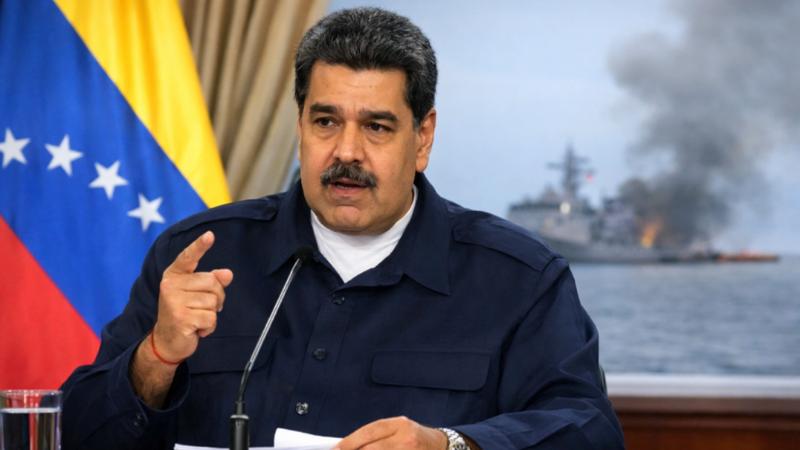
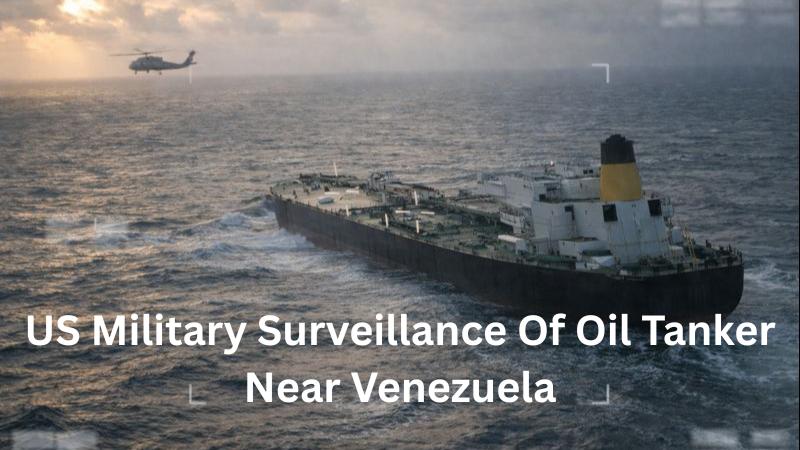
US military activity near Venezuela has intensified as the US Coast Guard moves to apprehend a third oil tanker operating in international waters, according to officials who confirmed the development on Sunday. The operation marks the second action of its kind during the weekend and the third within a week, highlighting an escalating enforcement strategy against oil tankers under sanctions. One official stated that the vessel involved is subject to restrictions linked to United States measure
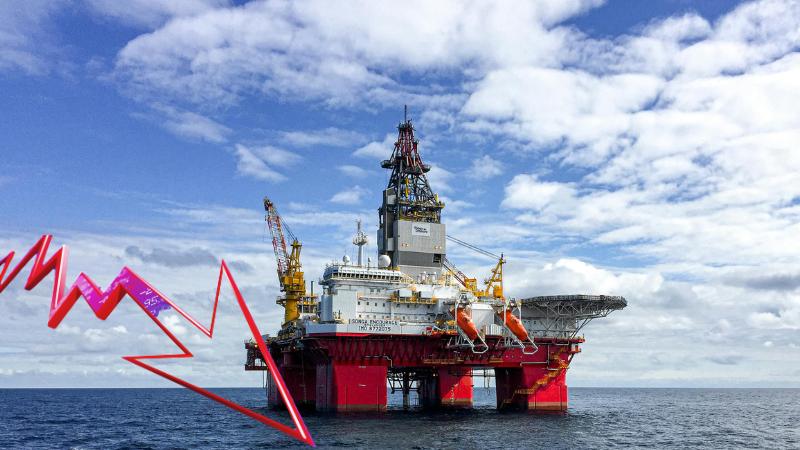
U.S. crude oil prices fell to their lowest level since May on Tuesday, deepening a prolonged downturn that has put the market on track for its weakest annual performance in seven years. The decline reflects growing concerns over a looming supply surplus and shifting expectations around geopolitical risks, particularly the possibility of a peace agreement between Ukraine and Russia. West Texas Intermediate crude briefly dropped to $55.69 per barrel, while global benchmark Brent crude
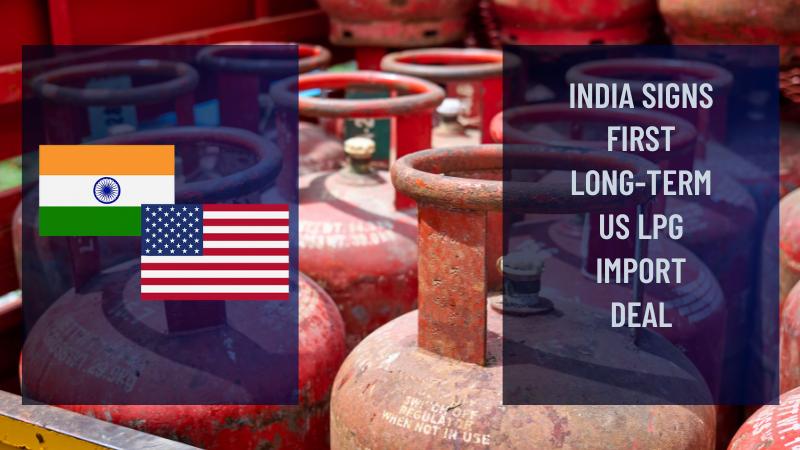
India has signed its first structured, long-term contract to import liquefied petroleum gas from the United States, marking what government officials describe as a major turning point in the country’s energy sourcing strategy. The announcement comes at a time when global energy markets remain highly volatile and nations are increasingly seeking diversified, stable supply lines. According to the Ministry of Petroleum and Natural Gas, the agreement will help safeguard India’s fuel supply du
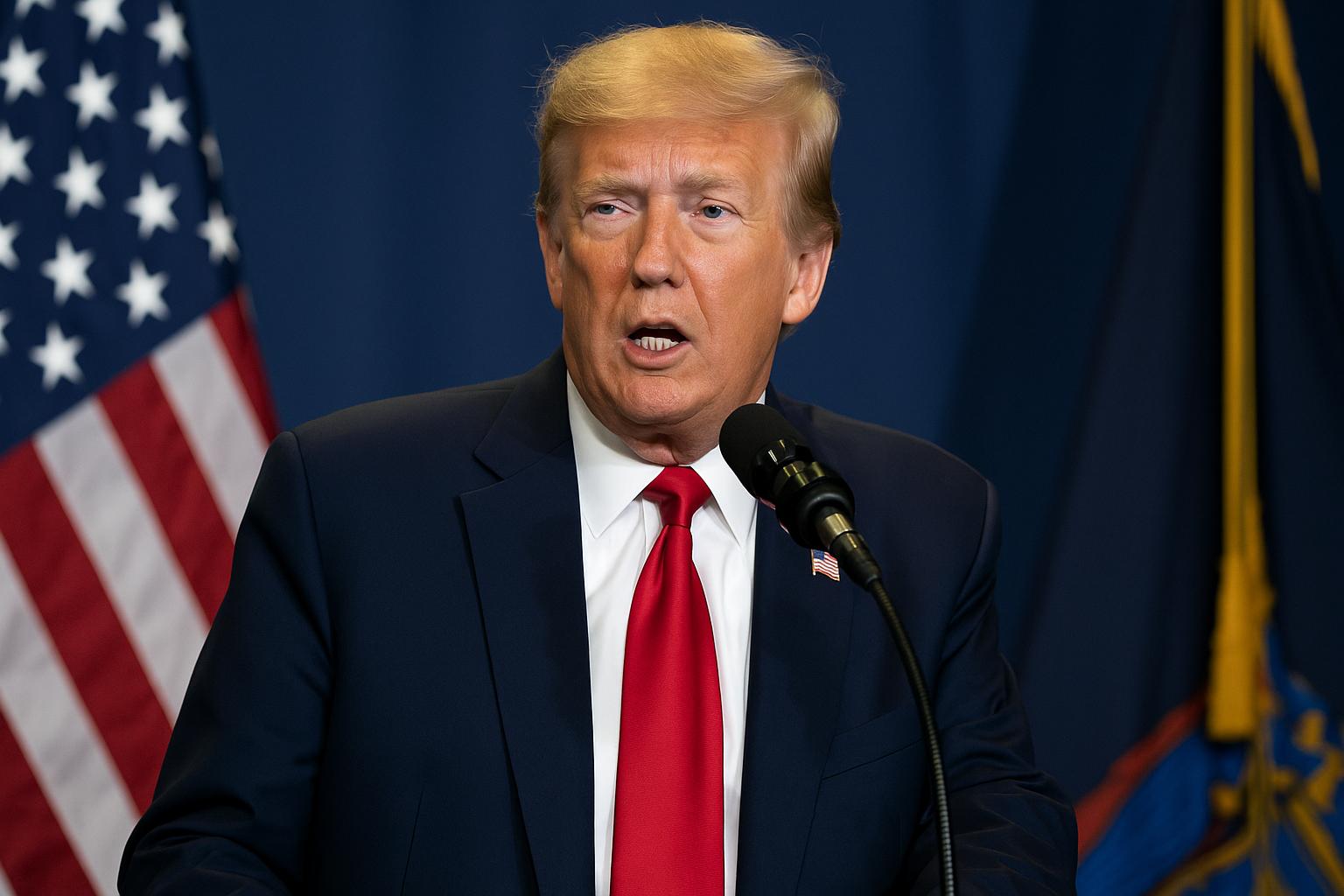
The United States is preparing a major escalation in its economic pressure campaign against Russia, with President Donald Trump announcing that he supports Senate legislation enabling Washington to impose tariffs of up to 500 percent on countries that continue significant trade with Moscow. The measure represents one of the most aggressive attempts yet to curtail Russian war funding and signals growing frustration in Washington over the prolonged conflict in Ukraine. Speaking before
In a significant policy reversal, U.S. President Donald Trump has imposed sweeping sanctions on Russia’s two largest oil producers, Rosneft and Lukoil, marking one of the most consequential economic measures against Moscow since the escalation of the war in Ukraine. The decision immediately triggered a 5% surge in global oil prices and prompted India, one of Russia’s biggest energy buyers, to reconsider its import strategy. The sanctions, announced on Wednesday, target companies
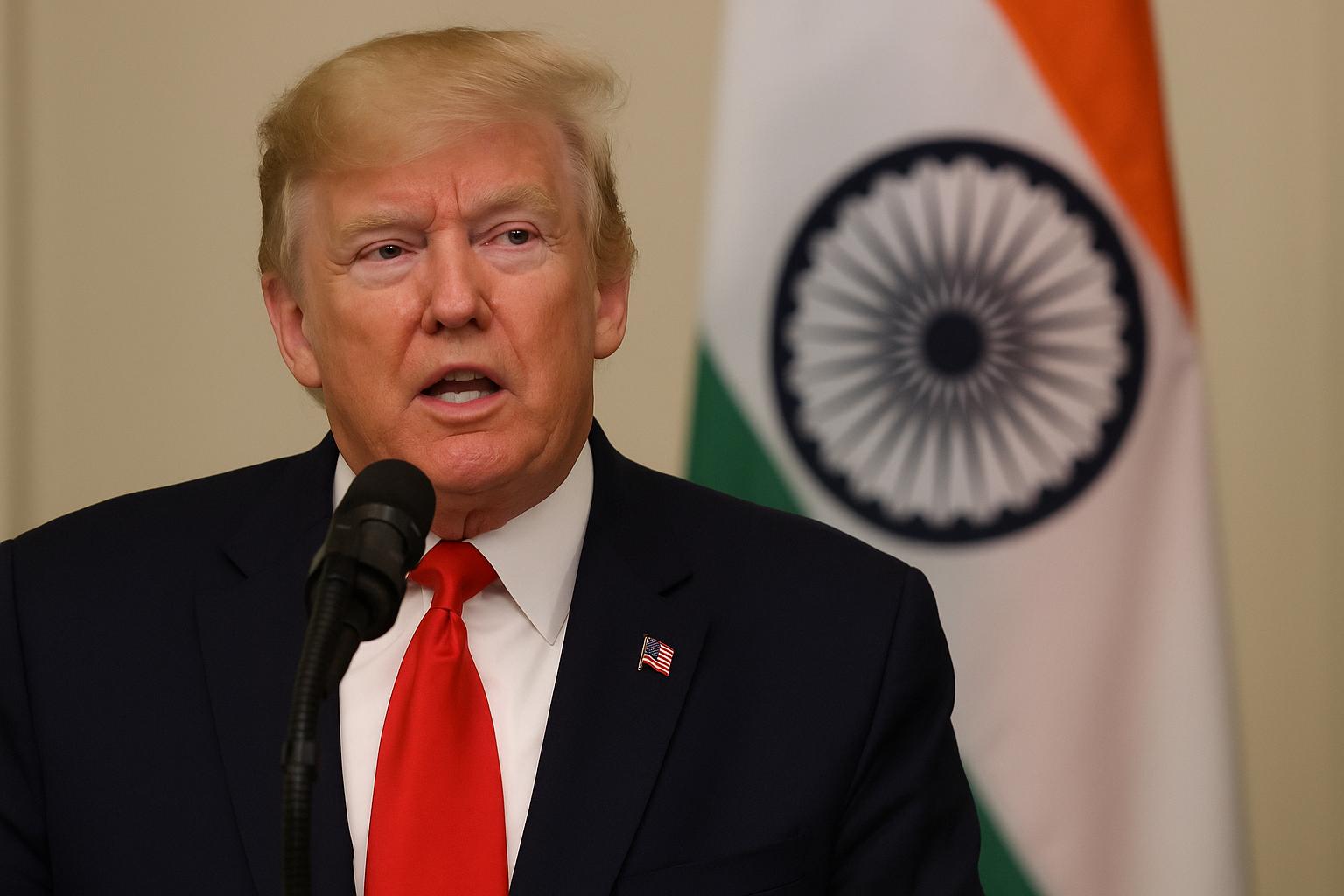
Washington — U.S. President Donald Trump reiterated on Friday that India will no longer buy oil from Russia, asserting that the South Asian nation has already begun reducing its dependence on Moscow’s energy supplies. Speaking at the White House during a meeting with Ukrainian President Volodymyr Zelenskyy, Trump said the move reflects a broader international effort to isolate Russia economically over its invasion of Ukraine. “India will not be buying oil from Russia,” Trump
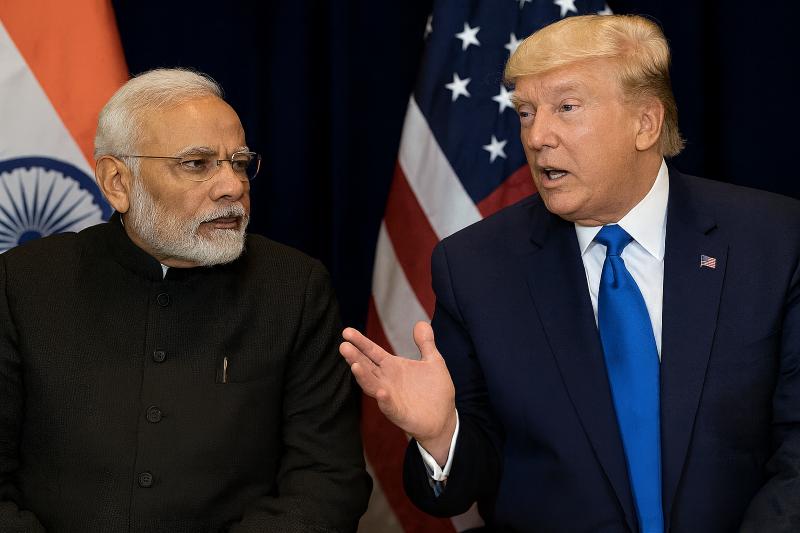
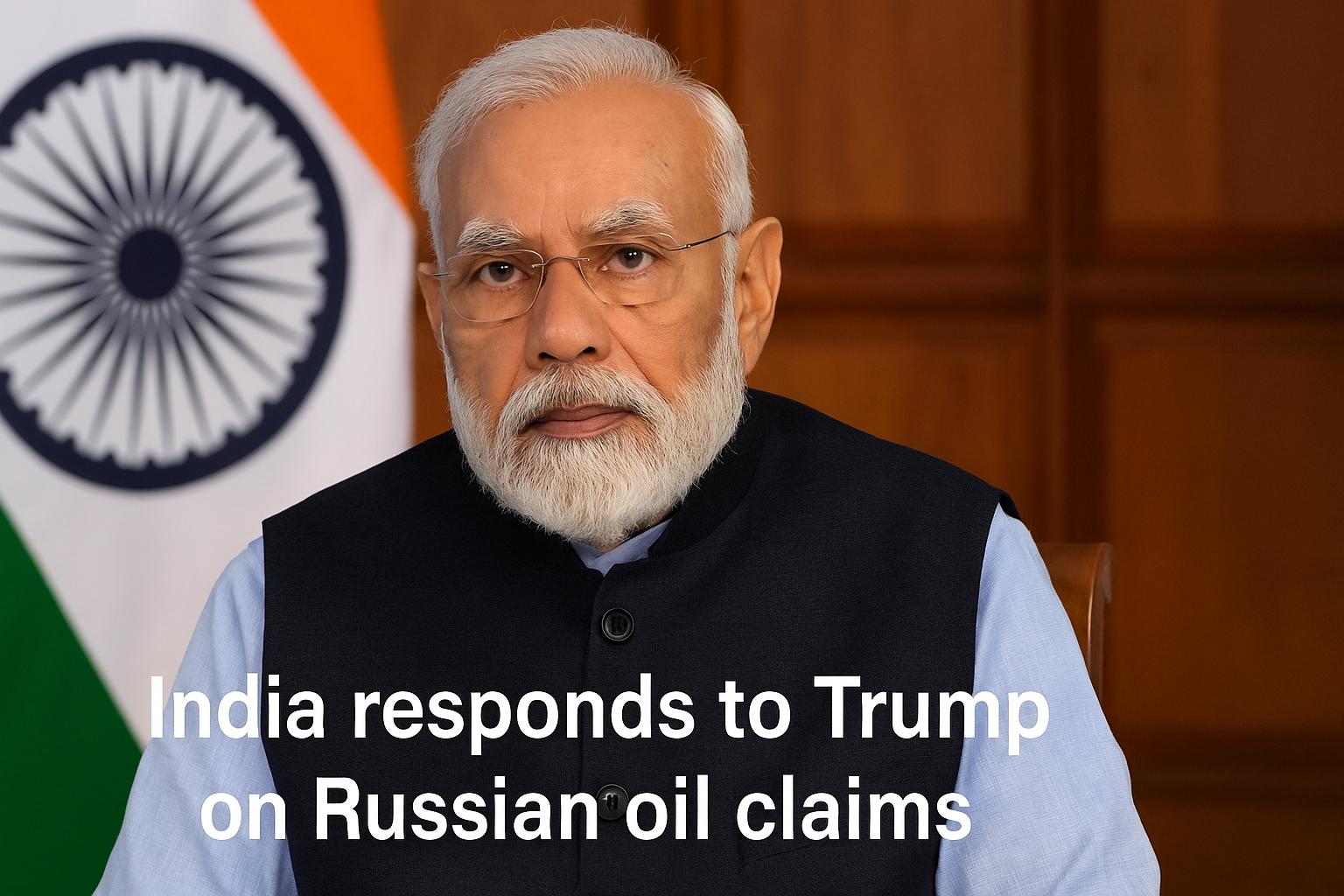
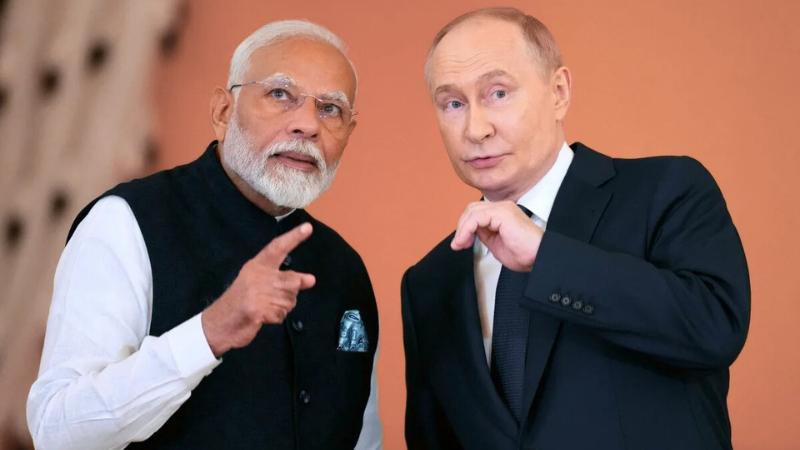
India is once again at the center of global diplomatic attention after former U.S. President Donald Trump claimed that Prime Minister Narendra Modi had agreed to halt Russian oil imports. The Indian government swiftly denied the statement, emphasizing that its energy decisions are made independently and based solely on national interest. This move highlights New Delhi’s determination to maintain strategic autonomy amid increasing international pressure. Over the past two years
Hours after United States President Donald Trump asserted that Indian Prime Minister Narendra Modi had personally assured him that New Delhi would soon halt the purchase of oil from Russia, the Indian government issued a carefully worded statement reiterating its independent energy policy. The clarification underscored India’s commitment to protecting its national interests and consumers amid global price volatility, without directly confirming or denying Trump’s remarks. In a s
Russia is offering India bigger oil discounts, with the price of its Ural grade oil dropping to a discount of $3 to $4 per barrel, as reported by Bloomberg. The price reduction applies to cargoes expected to load in late September and October, reflecting Moscow’s efforts to maintain its oil trade with India amid rising tensions with the US. India has become a significant importer of Russian crude oil, especiall
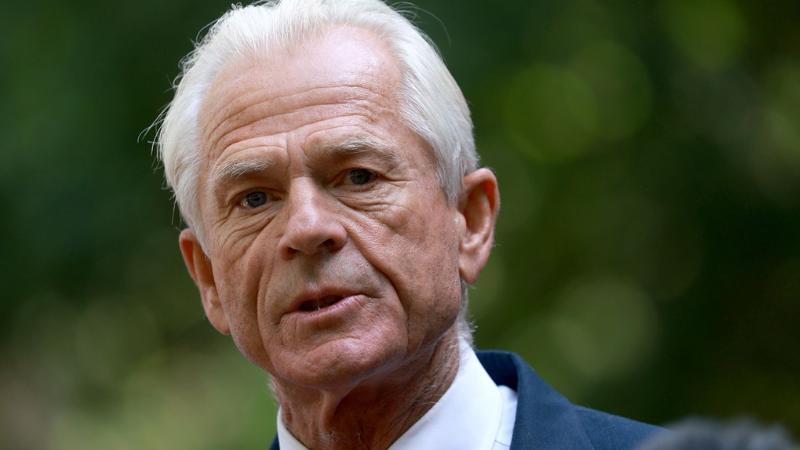
Peter Navarro, a senior White House trade adviser known for his protectionist stance on global trade, has once again turned his attention toward India, this time accusing New Delhi of running what he describes as a profiteering scheme through its purchase of discounted oil from Russia. His remarks have reignited debate over the geopolitical and economic implications of India’s energy policies since the outbreak of the Ukraine war.
US Secretary of State Marco Rubio has acknowledged that the idea of imposing secondary sanctions on China for refining Russian oil carries serious risks for the global economy, warning that such measures could drive up energy prices at a time when the market is already under strain. His remarks come amid ongoing friction over India’s continued oil trade with Moscow, which has led Washington to impose additional tariffs on New Delhi. The dual focus on China
Indian cuisine is known for its vibrant flavors and rich textures, but often these dishes come with a significant amount of oil, which adds to the calorie content. For those looking to enjoy the essence of Indian food without the excess fat, low-oil versions of traditional dishes are a great option. These low-oil Indian recipes are perfect for anyone aiming for a healthier lifestyle without compromising on taste. He
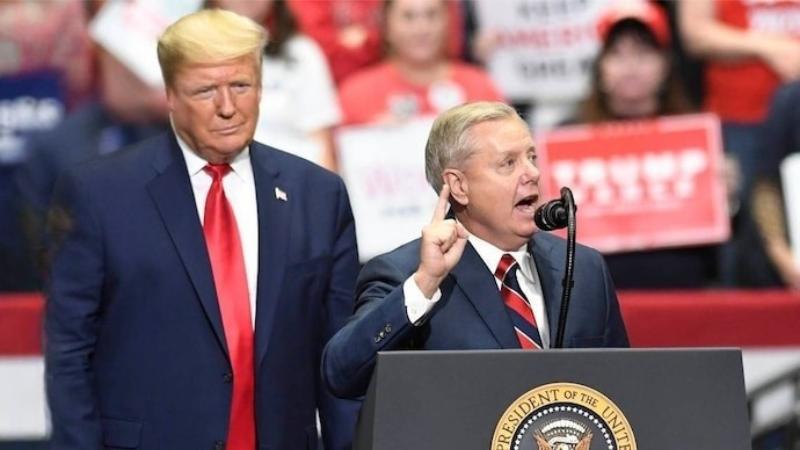
US Senator Lindsey Graham, a close ally of President Donald Trump, has issued a direct warning to India, China, and Brazil over their continued purchase of oil from Russia, suggesting that these nations could face severe economic consequences. Speaking during a live interview on Fox News, Graham revealed that the Trump administration plans to impose a 100% tariff on oil imports from countries that maintain trade relations with Russia. This bold statement comes
Oil sector stocks in India saw notable gains today, largely driven by major geopolitical developments. A ceasefire between Iran and Israel led to a sudden shift in oilarket sentiment, reversing a recent upward trend in crude prices. The announcement resulted in a noticeable decline in global oil benchmarks, which had been elevated due to the prior escalation of tensions. Brent crude, which had surged earlier in the week to a peak of $81.40 per barrel, dropped sharply following the
Oil prices jumped to their highest levels in five months while Asian markets tumbled on Monday, following coordinated airstrikes by the United States and Israel on Iran's key nuclear facilities. The escalation has sparked fears of a broader conflict in the Middle East, with particular concern over the potential closure of the Strait of Hormuz a strategic waterway that handles nearly 25 percent of global oil trade and 20 percent of liquefied natural gas mov
As the Israel-Iran conflict escalates, its effects are rippling beyond diplomacy and military affairs, directly impacting global trade and oil prices. The Strait of Hormuz, a critical maritime passage that connects the Persian Gulf with the Arabian Sea, is once again at the center of attention. In 2023, nearly 21 million barrels of oil passed through the strait daily, representing about 20% of global petroleum liquids consumption. Any disruption in this corridor could cause dramatic shifts in
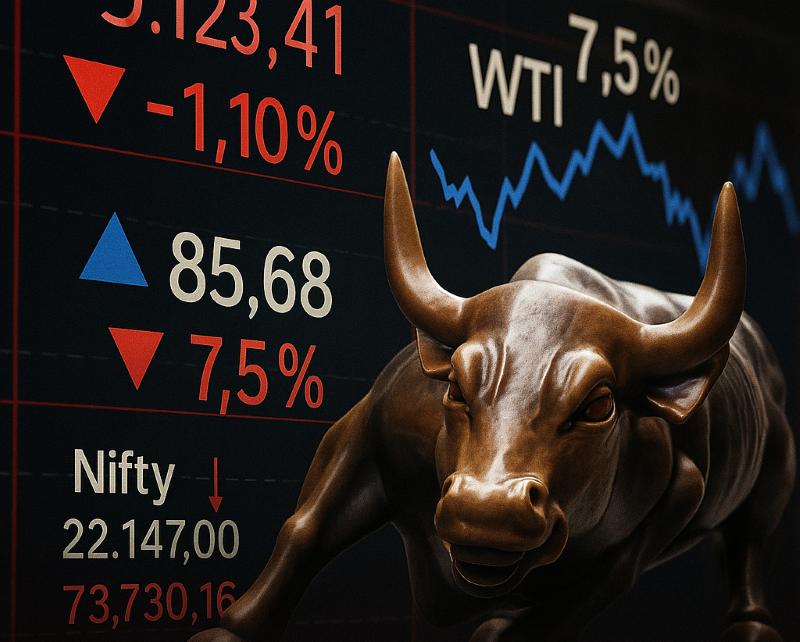
Global financial markets came under pressure on Friday as Iran launched hundreds of missiles toward Israel in retaliation for earlier airstrikes on its nuclear and military facilities. The geopolitical escalation sparked fears of a wider Middle East conflict, leading to a steep sell-off on Wall Street and sharp gains in oil and gold. The S&P 500 fell 1.1%, while crude oil futures jumped 7.5%, their largest single-day gain in over two years. The VIX fear g
Oil prices continued their downward trajectory for a third consecutive session as larger-than-expected builds in US crude and fuel inventories raised fresh doubts about demand strength. At the same time, market participants kept a close watch on the potential impact of renewed nuclear talks between Iran and the United States, which could alter global oil supply dynamics if sanctions are lifted. By Thursday morning, benchmark Brent crude slipped by 16 cents to $64.75 per barrel, wh