Diesel prices in the United States have climbed to record territory, with GasBuddy reporting the national average above $6 a gallon and AAA listing diesel at $5.9773 on September 10. That is sharply higher than AAA’s year-ago average of $3.7060 and raises fresh concerns about transport costs, inflation and pressure on businesses that depend on heavy-duty fuel.
Oil shock
The latest oil shock h
Diesel prices in the United States have climbed to record territory, with GasBuddy reporting the national average above $6 a gallon and AAA listing diesel at $5.9773 on September 10. That is sharply higher than AAA’s year-ago average of $3.7060 and raises fresh concerns about transport costs, inflation and pressure on businesses that depend on heavy-duty fuel.
Oil shock
The latest oil shock h
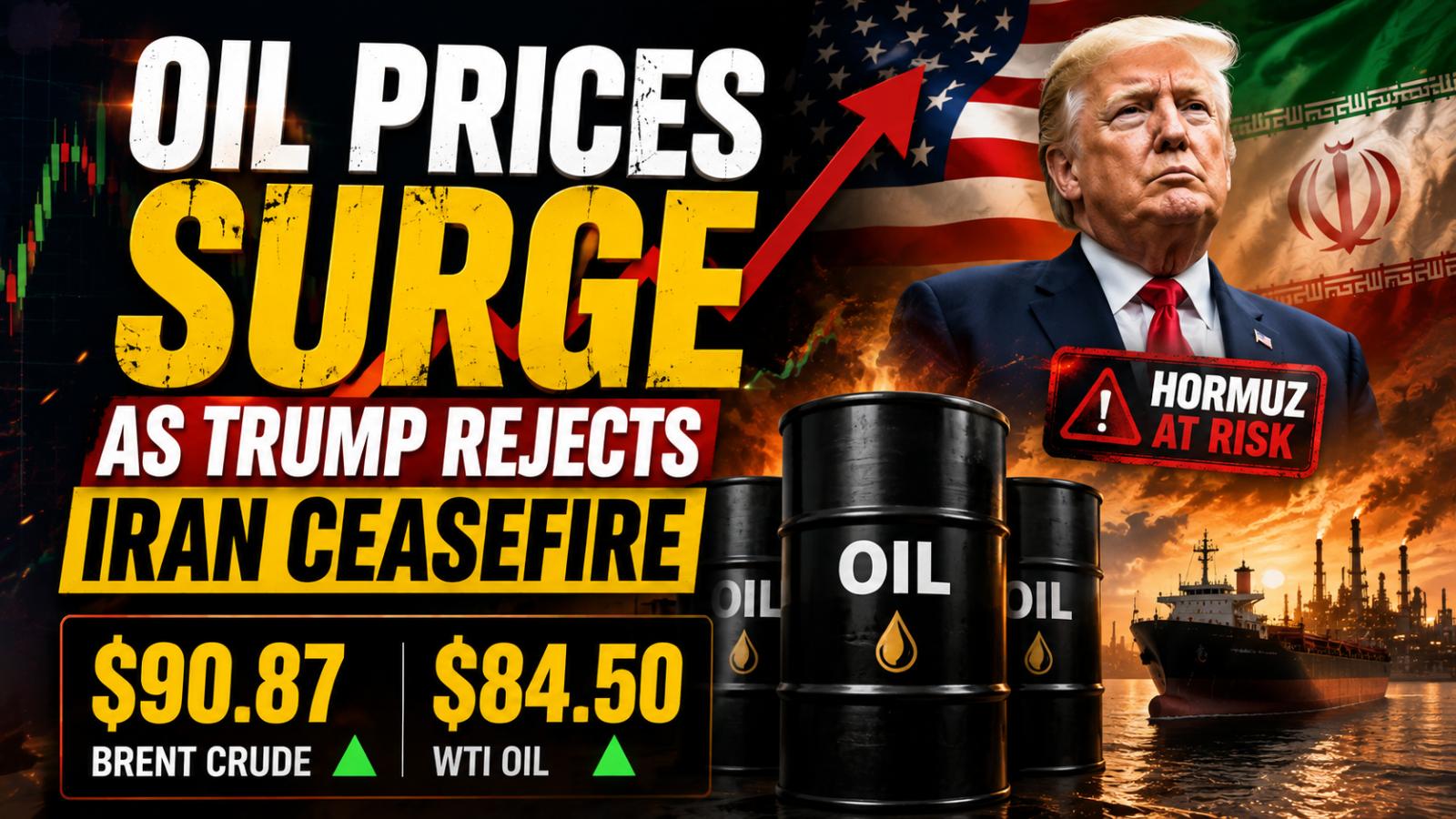
Oil prices surged on Monday as fading hopes for a US-Iran settlement renewed fears of prolonged supply disruptions in the Strait of Hormuz. Brent crude closed above $90 a barrel, while WTI oil also climbed sharply as traders reacted to stalled diplomacy and Iran's warning of possible military escalation.
Brent crude rises as Iran ceasefire hopes fade
Brent crude futures settled $2.22 higher at
Oil prices surged on Monday as fading hopes for a US-Iran settlement renewed fears of prolonged supply disruptions in the Strait of Hormuz. Brent crude closed above $90 a barrel, while WTI oil also climbed sharply as traders reacted to stalled diplomacy and Iran's warning of possible military escalation.
Brent crude rises as Iran ceasefire hopes fade
Brent crude futures settled $2.22 higher at
Oil prices jump as US-Iran conflict intensifies, raising fears of disruptions to global energy supplies through the Strait of Hormuz and the Red Sea. Brent crude and WTI posted strong weekly gains as traders priced in growing geopolitical risks while the International Energy Agency warned that prolonged instability could threaten energy security.
Oil Prices J
Oil prices jump as US-Iran conflict intensifies, raising fears of disruptions to global energy supplies through the Strait of Hormuz and the Red Sea. Brent crude and WTI posted strong weekly gains as traders priced in growing geopolitical risks while the International Energy Agency warned that prolonged instability could threaten energy security.
Oil Prices J
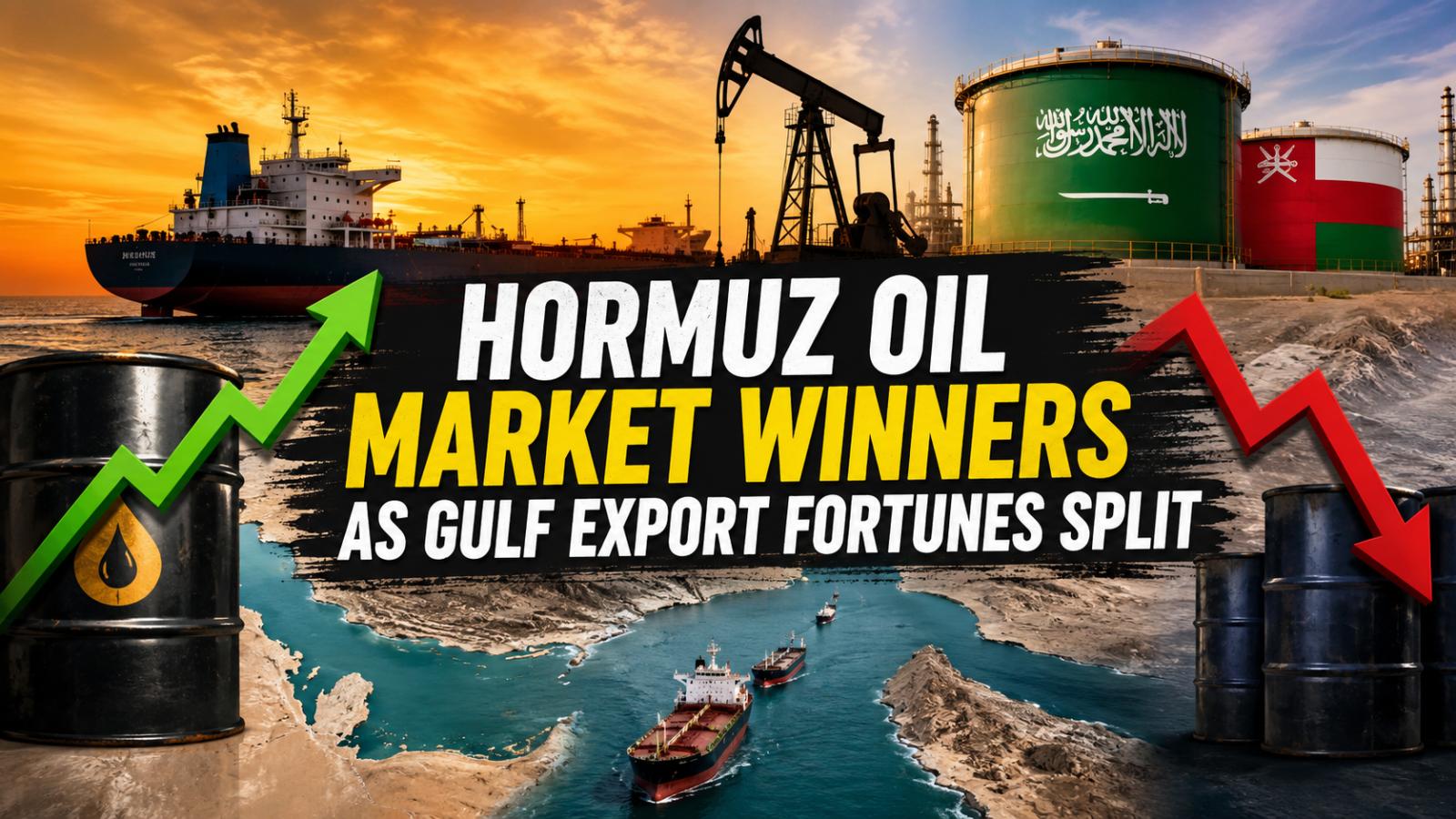
The disruption around the Strait of Hormuz has created sharply different outcomes across the global oil market. Saudi Arabia and Oman have benefited from higher prices and alternative export access, while Iraq, Kuwait and other Gulf producers remain constrained by geography. Refiners and non-Gulf exporters have also gained from changing crude and fuel prices.
Saudi Route Creates an Export Advantage
Saudi Arabia
The disruption around the Strait of Hormuz has created sharply different outcomes across the global oil market. Saudi Arabia and Oman have benefited from higher prices and alternative export access, while Iraq, Kuwait and other Gulf producers remain constrained by geography. Refiners and non-Gulf exporters have also gained from changing crude and fuel prices.
Saudi Route Creates an Export Advantage
Saudi Arabia
US ends Iran oil authorisation
The United States has revoked a temporary licence that had allowed certain transactions involving Iranian-origin crude oil, petroleum products and petrochemical products, tightening pressure on Tehran after tanker attacks near the Strait of Hormuz. A US official said Iran’s actions in the strategic waterway were “wholly unacceptable??
US ends Iran oil authorisation
The United States has revoked a temporary licence that had allowed certain transactions involving Iranian-origin crude oil, petroleum products and petrochemical products, tightening pressure on Tehran after tanker attacks near the Strait of Hormuz. A US official said Iran’s actions in the strategic waterway were “wholly unacceptable??
Saudi Arabia’s latest oil price cut has turned attention back to Asia, where refiners are getting more room to negotiate as Gulf crude supply improves. Saudi Aramco has reduced the August official selling price of Arab Light crude for Asian buyers by $11 per barrel, placing the grade at a $1.50 discount to the Oman-Dubai benchmark. The sharp move shows how quickly the market has shifted from supply fear to buyer advantage.
The cut is imp
Saudi Arabia’s latest oil price cut has turned attention back to Asia, where refiners are getting more room to negotiate as Gulf crude supply improves. Saudi Aramco has reduced the August official selling price of Arab Light crude for Asian buyers by $11 per barrel, placing the grade at a $1.50 discount to the Oman-Dubai benchmark. The sharp move shows how quickly the market has shifted from supply fear to buyer advantage.
The cut is imp
India’s Russian crude imports in June could reach a monthly record as more tankers travel toward major refining ports, according to energy economist Anas Alhajji.
Alhajji, chief economist at NGP Energy Capital Management, cited the unusually large number of vessels carrying Russian crude to India. He also shared a Kpler map showing tankers headed to ports across the country.
India Russian Crude Imports in June: What the Data Shows
The outlook
India’s Russian crude imports in June could reach a monthly record as more tankers travel toward major refining ports, according to energy economist Anas Alhajji.
Alhajji, chief economist at NGP Energy Capital Management, cited the unusually large number of vessels carrying Russian crude to India. He also shared a Kpler map showing tankers headed to ports across the country.
India Russian Crude Imports in June: What the Data Shows
The outlook
Global crude benchmarks have softened in recent sessions, driven by easing supply concerns and improved shipping conditions across key routes. Despite this decline, retail gasoline prices in the United States have not adjusted downward at the same pace, creating a widening gap between wholesale and consumer fuel costs.
Market data indicates Brent crude has eased compared to earlier highs, yet pump prices remain relatively sticky. This lag has triggered renewed scrutiny of how quickl
Global crude benchmarks have softened in recent sessions, driven by easing supply concerns and improved shipping conditions across key routes. Despite this decline, retail gasoline prices in the United States have not adjusted downward at the same pace, creating a widening gap between wholesale and consumer fuel costs.
Market data indicates Brent crude has eased compared to earlier highs, yet pump prices remain relatively sticky. This lag has triggered renewed scrutiny of how quickl
Oil Falls On Peace Deal Hopes
Oil prices fell sharply on Friday, June 12, 2026 as renewed hopes for a peace agreement between Iran and the United States eased fears of prolonged disruption to global energy supplies. Brent crude dropped below $86 a barrel during trading before recovering part of its losses, while market attention remained focused on whether diplomatic progress could reduce risks around Middle
Oil Falls On Peace Deal Hopes
Oil prices fell sharply on Friday, June 12, 2026 as renewed hopes for a peace agreement between Iran and the United States eased fears of prolonged disruption to global energy supplies. Brent crude dropped below $86 a barrel during trading before recovering part of its losses, while market attention remained focused on whether diplomatic progress could reduce risks around Middle
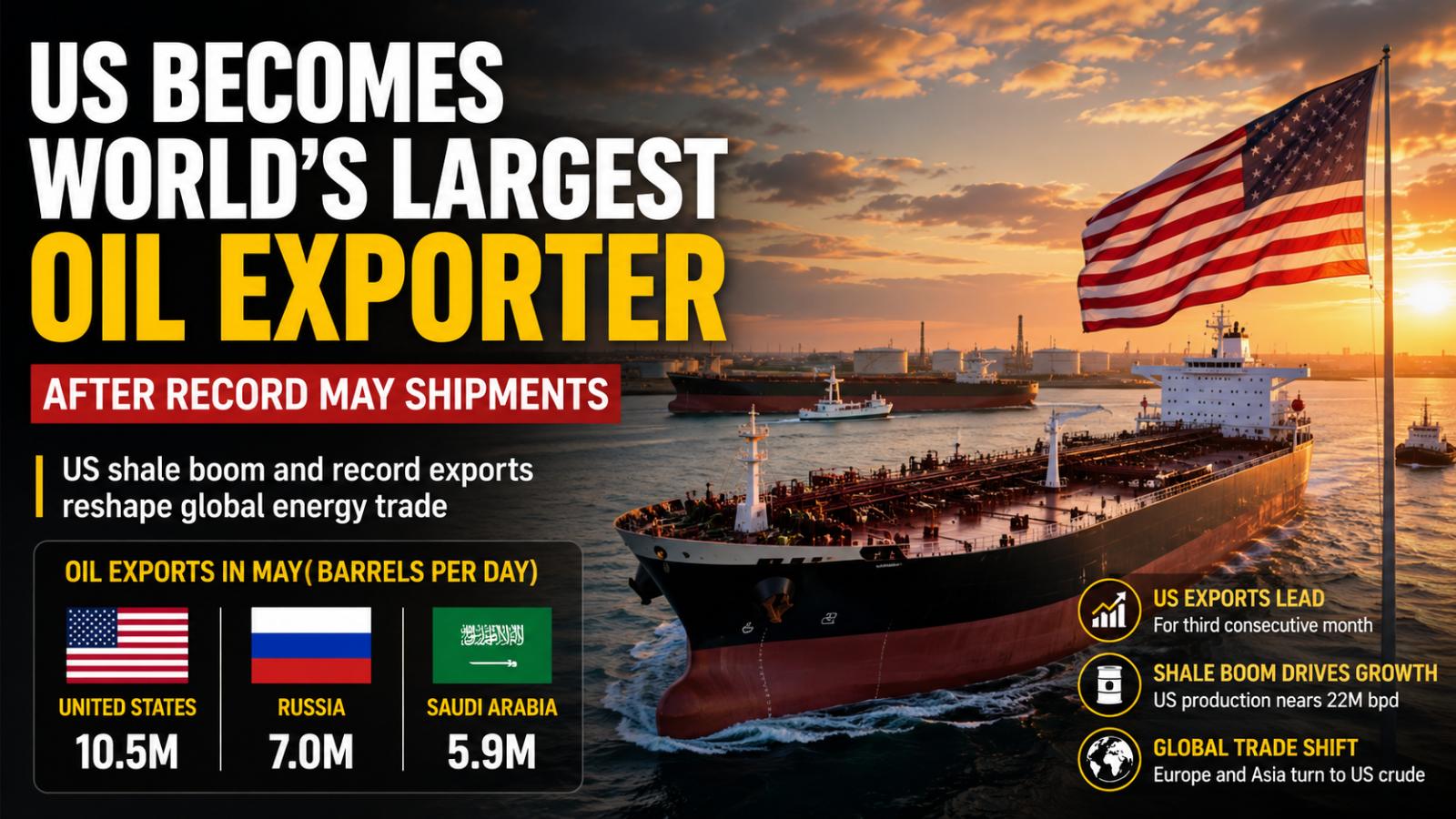
US shale oil exports reached a new milestone in May, pushing the United States ahead of Saudi Arabia and Russia in global crude oil and refined fuel shipments.
The shift marks a major reversal for a country that once depended heavily on West Asian oil and was deeply affected by the 1973 Arab oil embargo.
US Shale Oil Exports Reach May Record
Ship-tracking data cited by Reuters showed U.S. exports of crude oil and refined fuels reached about 10.
US shale oil exports reached a new milestone in May, pushing the United States ahead of Saudi Arabia and Russia in global crude oil and refined fuel shipments.
The shift marks a major reversal for a country that once depended heavily on West Asian oil and was deeply affected by the 1973 Arab oil embargo.
US Shale Oil Exports Reach May Record
Ship-tracking data cited by Reuters showed U.S. exports of crude oil and refined fuels reached about 10.
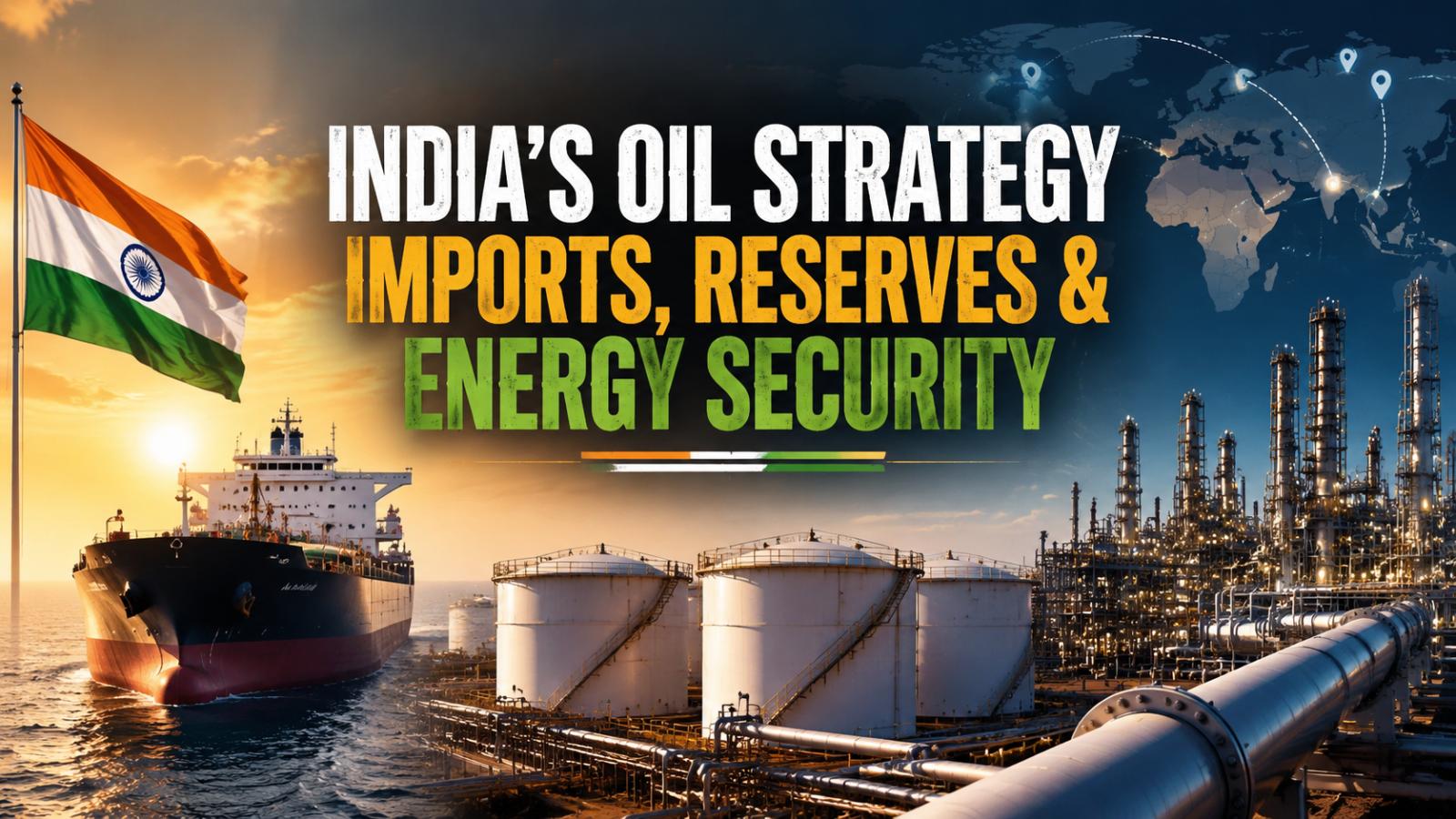
India relies heavily on imported crude oil, with domestic production covering only 10–15% of demand. Historically dependent on Middle Eastern oil, India is now sourcing crude from the U.S., West Africa, and Russia to reduce vulnerability to geopolitical risks. Very Large Crude Carriers (VLCCs) transport oil in shipments of 200,000–300,000 DWT to key ports on the west coast—Mumbai, Mundra, Kandla, Jamnagar—and east coast—Paradip, Visakhapatnam, Chennai. From ports, extensive pipeline
India relies heavily on imported crude oil, with domestic production covering only 10–15% of demand. Historically dependent on Middle Eastern oil, India is now sourcing crude from the U.S., West Africa, and Russia to reduce vulnerability to geopolitical risks. Very Large Crude Carriers (VLCCs) transport oil in shipments of 200,000–300,000 DWT to key ports on the west coast—Mumbai, Mundra, Kandla, Jamnagar—and east coast—Paradip, Visakhapatnam, Chennai. From ports, extensive pipeline
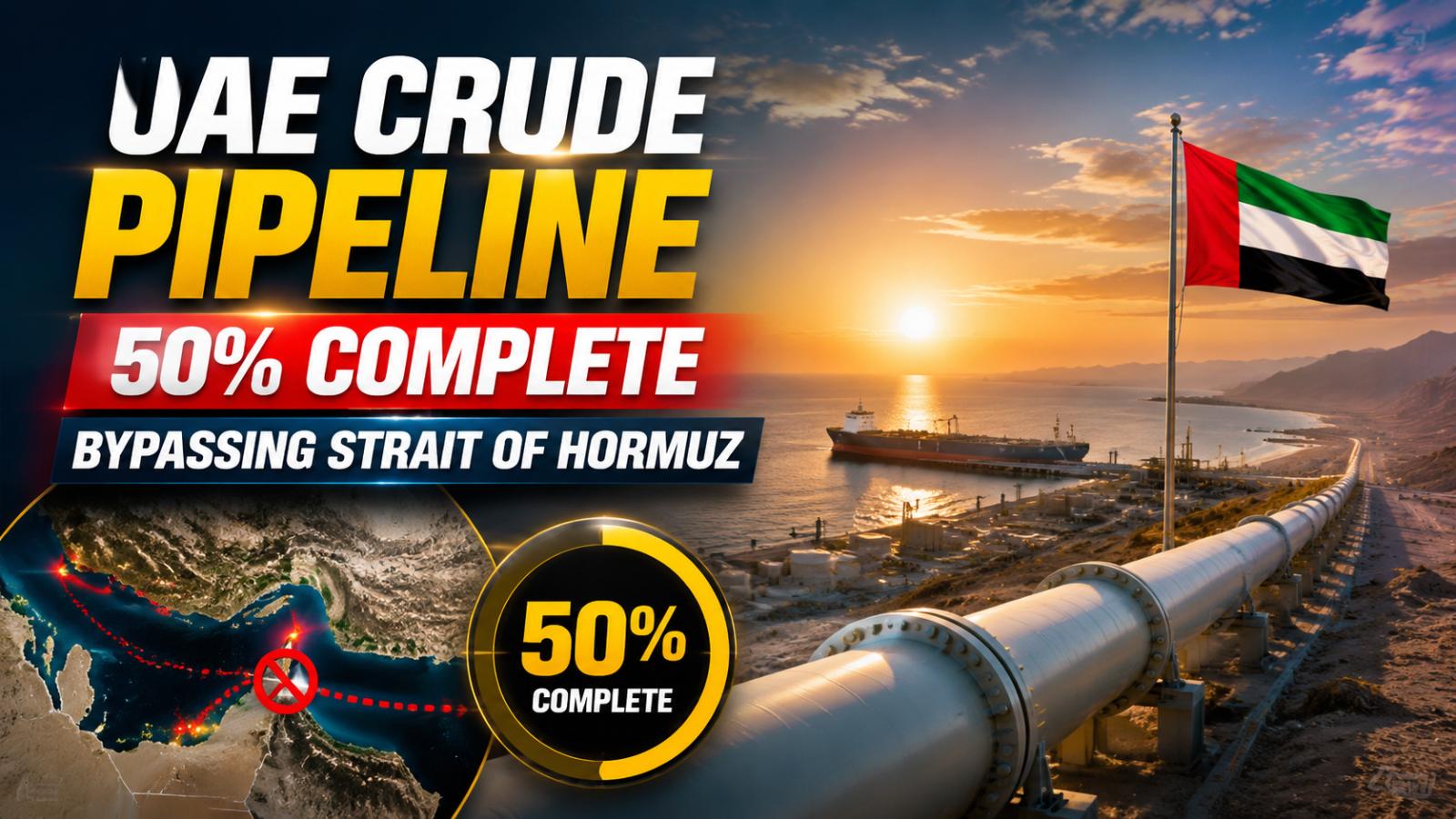
The United Arab Emirates has achieved a major milestone with 50% completion of the West-East Pipeline, a strategic crude oil project designed to bypass the Strait of Hormuz. Managed by ADNOC and accelerated under Crown Prince Sheikh Khaled bin Mohamed bin Zayed, the pipeline aims to increase crude export capacity via the port of Fujairah by 2027.
ADNOC CEO Sultan Al Jaber highlighted that even after the resolution of regional conflicts, global oil flows could take several months to
The United Arab Emirates has achieved a major milestone with 50% completion of the West-East Pipeline, a strategic crude oil project designed to bypass the Strait of Hormuz. Managed by ADNOC and accelerated under Crown Prince Sheikh Khaled bin Mohamed bin Zayed, the pipeline aims to increase crude export capacity via the port of Fujairah by 2027.
ADNOC CEO Sultan Al Jaber highlighted that even after the resolution of regional conflicts, global oil flows could take several months to
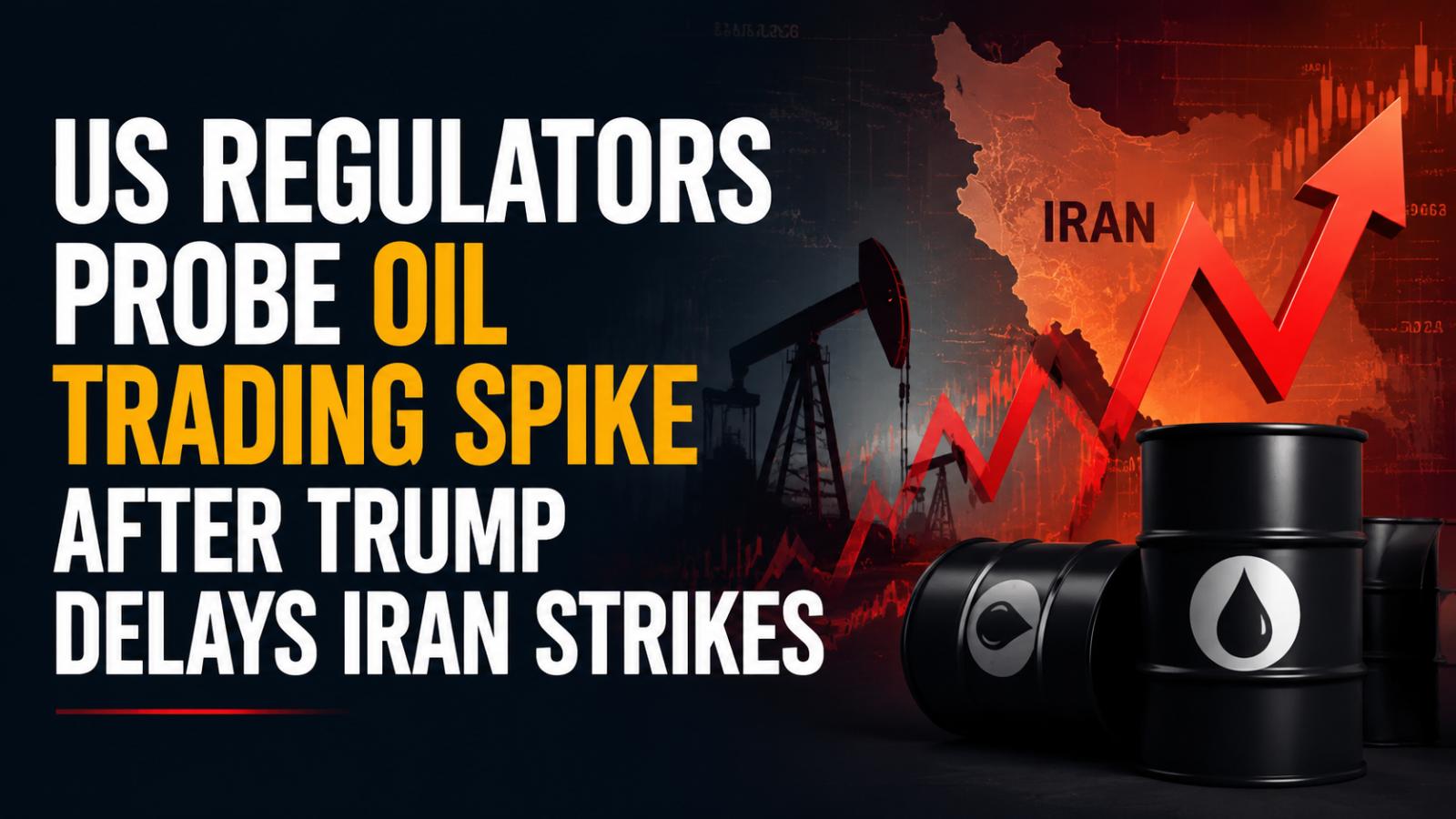
U.S. regulators are examining an unexpected spike in oil futures trading that occurred just before President Donald Trump announced a postponement of planned strikes on Iran’s energy sector. The Commodity Futures Trading Commission (CFTC) is reviewing unusual off-hours trading activity that reportedly generated millions in profits for several trading firms.
Trading Activity Details
U.S. regulators are examining an unexpected spike in oil futures trading that occurred just before President Donald Trump announced a postponement of planned strikes on Iran’s energy sector. The Commodity Futures Trading Commission (CFTC) is reviewing unusual off-hours trading activity that reportedly generated millions in profits for several trading firms.
Trading Activity Details
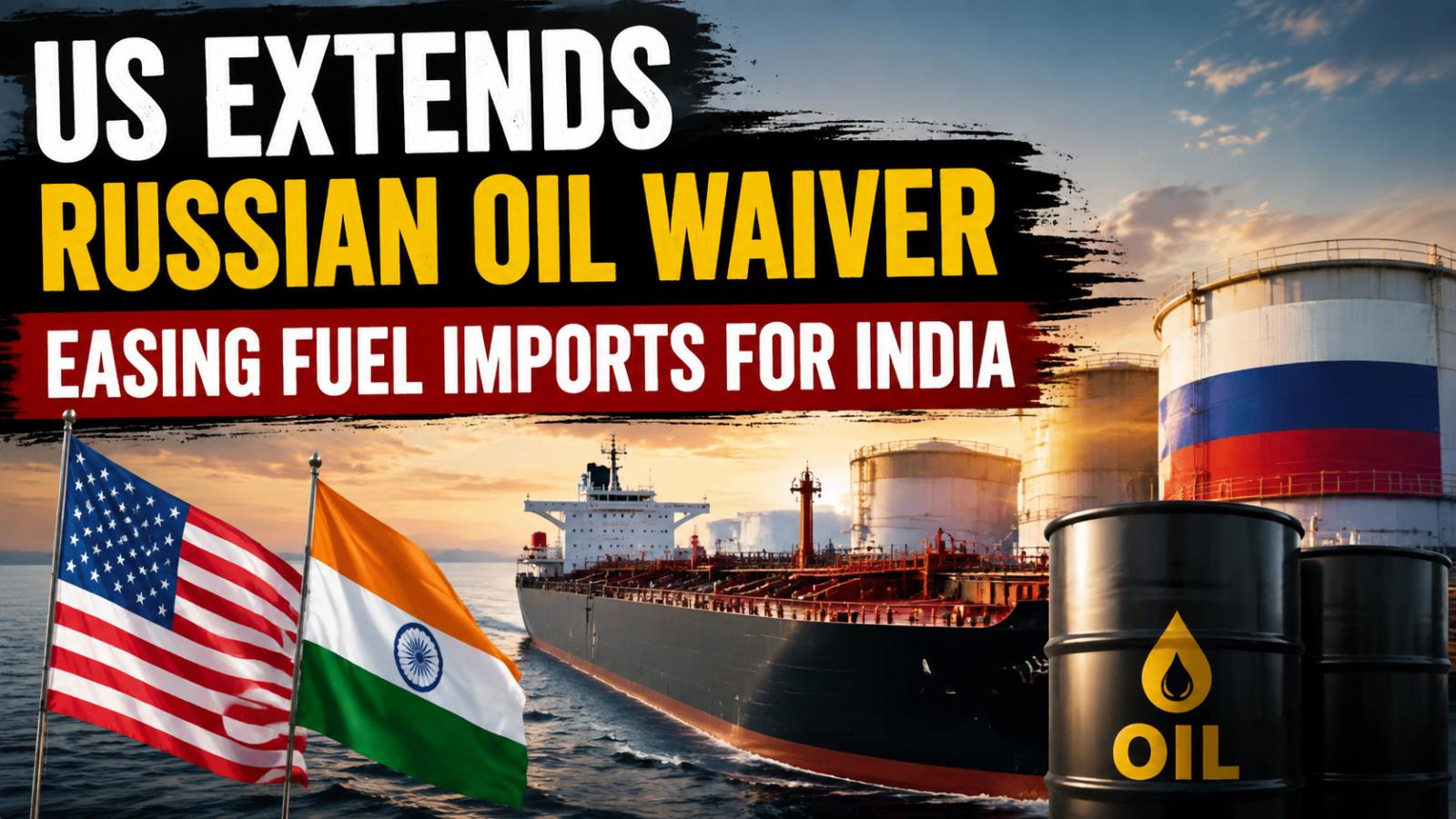
The United States has extended its sanctions waiver on Russian seaborne oil by 30 days, allowing continued imports to key global partners like India. This temporary extension reverses previous plans to let the waiver lapse, aiming to provide flexibility for nations managing critical energy needs.
Treasury officials stated the extension ensures that stranded Russian crude and petroleum products can reach markets without violating US sanctions on major Russian oil firms. This marks th
The United States has extended its sanctions waiver on Russian seaborne oil by 30 days, allowing continued imports to key global partners like India. This temporary extension reverses previous plans to let the waiver lapse, aiming to provide flexibility for nations managing critical energy needs.
Treasury officials stated the extension ensures that stranded Russian crude and petroleum products can reach markets without violating US sanctions on major Russian oil firms. This marks th
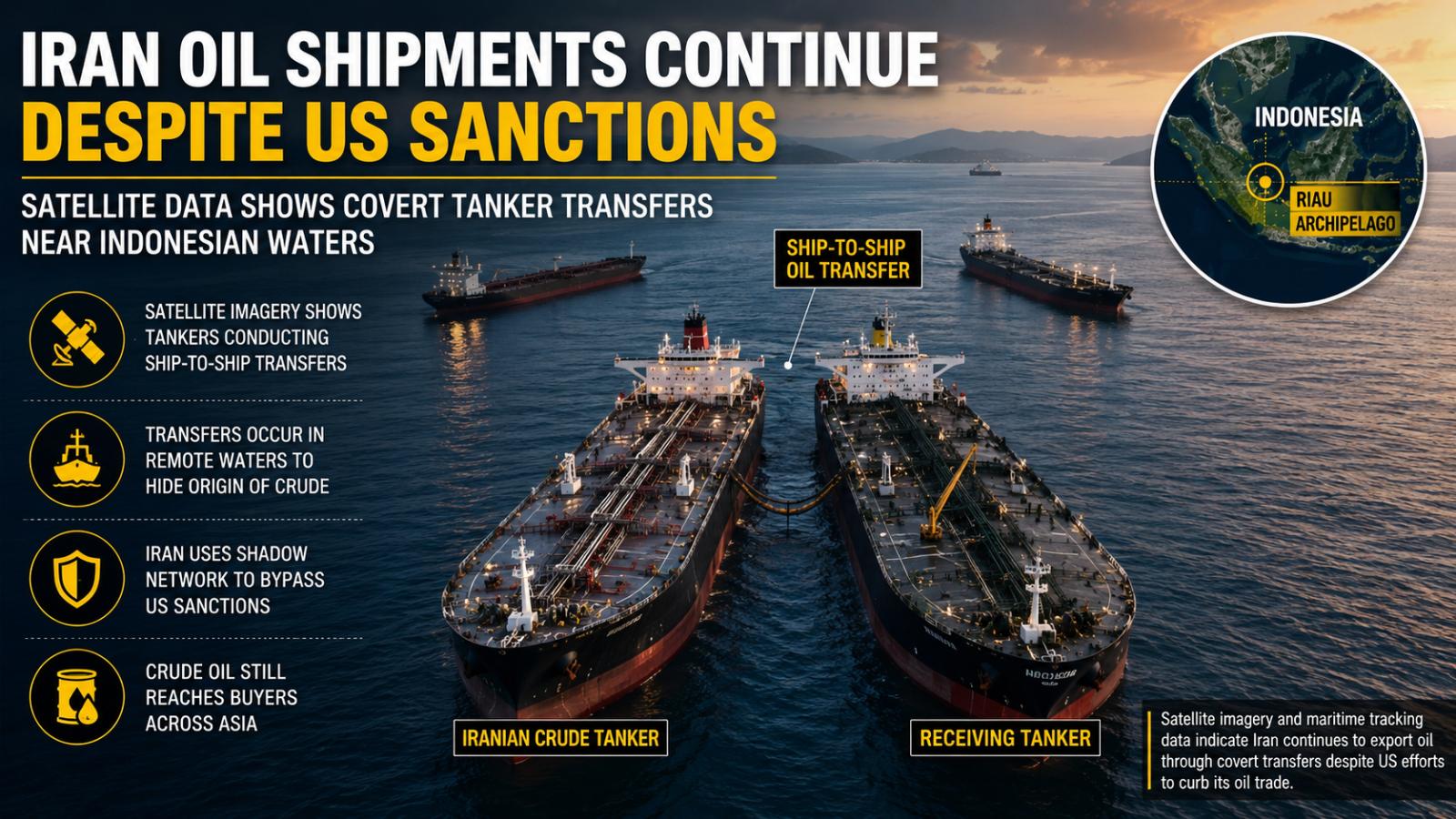
Iran oil shipments are continuing despite tighter U.S. sanctions, with satellite imagery and maritime tracking data suggesting Tehran is still moving crude through covert sea transfers.
The findings point to an active shadow shipping network that allows Iranian oil to reach buyers in Asia even as Washington works to restrict crude exports from the Persian Gulf.
Satellite Data Points To Covert Tanker Transfers
Maritime tracking records and satel
Iran oil shipments are continuing despite tighter U.S. sanctions, with satellite imagery and maritime tracking data suggesting Tehran is still moving crude through covert sea transfers.
The findings point to an active shadow shipping network that allows Iranian oil to reach buyers in Asia even as Washington works to restrict crude exports from the Persian Gulf.
Satellite Data Points To Covert Tanker Transfers
Maritime tracking records and satel
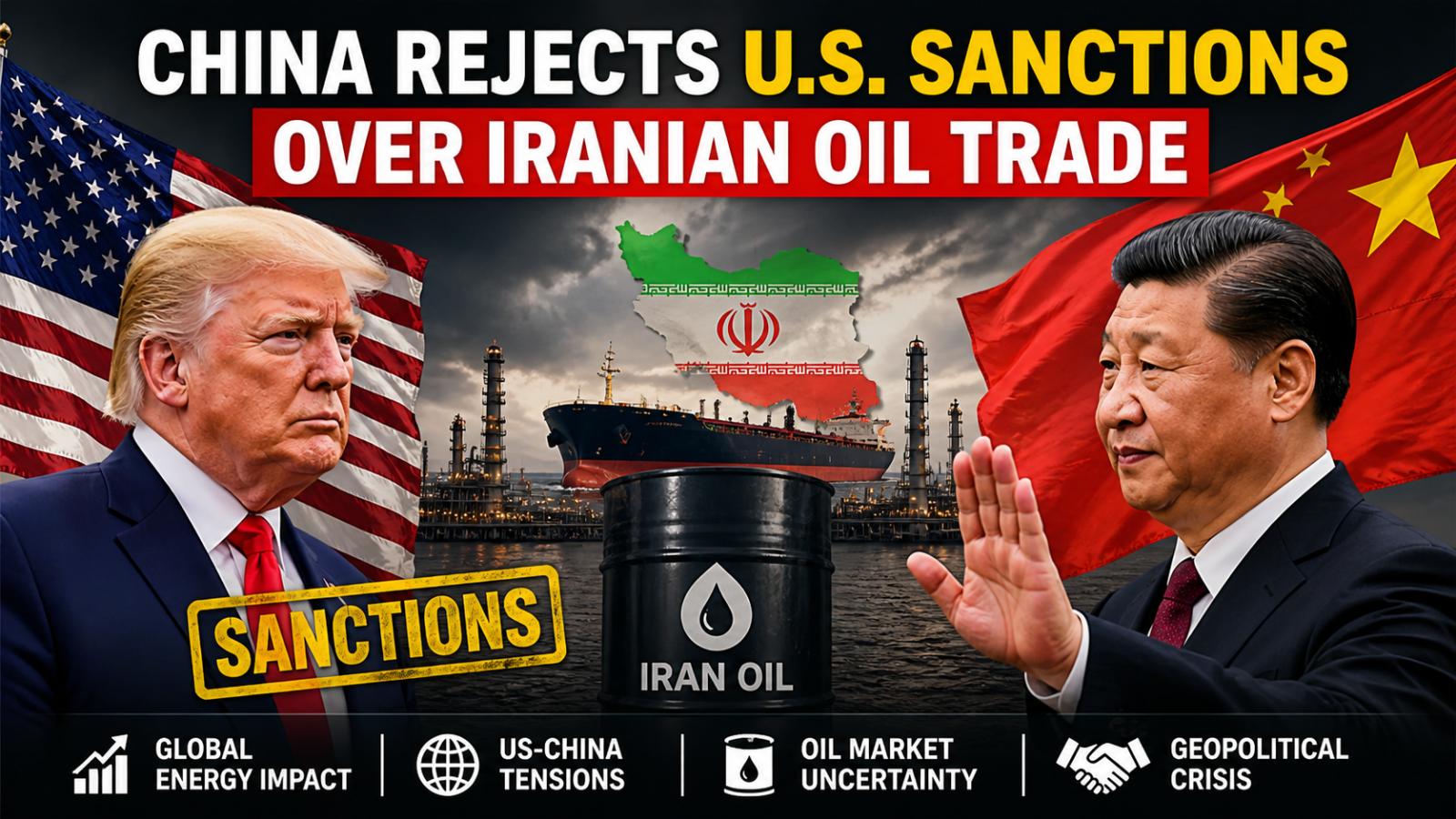
China has strongly rejected new sanctions imposed by the United States on Chinese firms accused of purchasing Iranian oil, calling the measures “unlawful” and a violation of international trade norms. The move marks a fresh escalation in tensions between China and Washington, with potential ripple effe
China has strongly rejected new sanctions imposed by the United States on Chinese firms accused of purchasing Iranian oil, calling the measures “unlawful” and a violation of international trade norms. The move marks a fresh escalation in tensions between China and Washington, with potential ripple effe
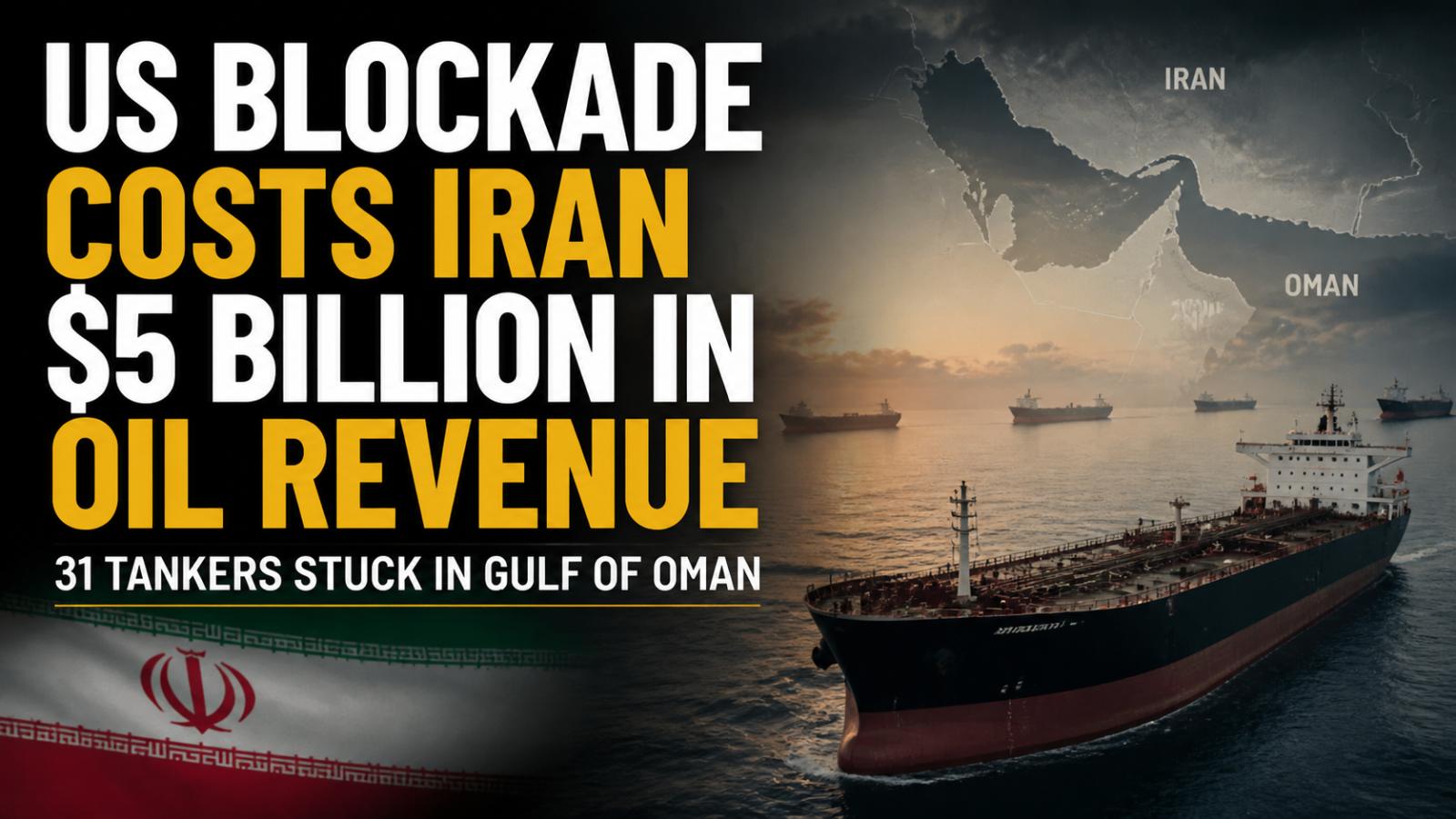
The ongoing US blockade in the Gulf of Oman has forced Iran to face a massive loss, with the US Defense Department estimating that Tehran has lost nearly $5 billion in oil revenue. This economic setback is the result of a blockade imposed by the US military in an effort to increase pressure on Iran’s economy. The blockade, which began on April 13, 2025, has been described as one of President Donald Trump’s most powerful tools to drive Iran into negotiations that aim to resolve the ongoing conflict. However, diplomatic talks have been repeatedly stalling and restarting, leaving both parties in a stalemate.
According to Pentagon officials, more than 40 vessels have been redirected since the operation’s start, as they attempted to smuggle oil and other contraband through the region. In total, 31 tankers carrying approximately 53 million barrels of Iranian crude are now stuck in the Gulf of Oman, and these shipments are valued at around $4.8 billion. Of these, two vessels have already been seized by US forces.
With storage capacity on land reaching its limits, Iran has resorted to using older tankers as floating storage units, as reported by analysts. These tankers, which are no longer fit for regular commercial routes, have become temporary storage sites for Iran’s oil. Some shipments are being rerouted along longer and more expensive paths, primarily to avoid interception by US forces. To achieve this, Iranian ships have been following coastlines near Pakistan and India and using safer maritime corridors towards the Strait of Malacca, a key transit point for oil bound for China.
Tanker tracking analysts such as Samir Madani, co-founder of TankerTrackers.com, have noted a shift in Iranian shipping patterns. He explained how one Iranian tanker, called “HUGE,” cleverly demonstrated how ships are using stealth routes to evade detection. According to Madani, ships are increasingly relying on hidden paths through regional waters to avoid the US military blockade. Madani also predicted that, in the future, Iran might attempt a large-scale breakout of its tankers.
"I think the Iranians will wait for an opportunity to launch an overnight 'Great Escape' once they have built up further storage near the border with Pakistan,” Madani told Axios.
This situation is part of a broader economic struggle between Iran and the United States, with both countries resorting to maritime pressure tactics. Iran has previously restricted access to the Strait of Hormuz, a critical shipping route, in retaliation. Meanwhile, the US has been tightening its control over the Gulf of Oman, an entry point to key waterways.
According to Gregory Brew, an analyst at Eurasia Group, Iran is just weeks away from running out of storage space for its oil, which could collapse its oil production capacity. "They're probably several weeks, or perhaps as much as a month, away from running out of storage," Brew said.
The Pentagon’s spokesperson, Joel Valdez, emphasized the severity of the situation, stating that the blockade is fully active and that the US military is delivering a devastating blow to Iran’s ability to fund terrorism and regional destabilization. “Our armed forces in the region will continue to maintain this unrelenting pressure,” Valdez said. This strategy, although harsh, seems designed to wear down Iran’s ability to sustain itself economically, and possibly force a change in its approach to negotiations.
The ongoing US blockade in the Gulf of Oman has forced Iran to face a massive loss, with the US Defense Department estimating that Tehran has lost nearly $5 billion in oil revenue. This economic setback is the result of a blockade imposed by the US military in an effort to increase pressure on Iran’s economy. The blockade, which began on April 13, 2025, has been described as one of President Donald Trump’s most powerful tools to drive Iran into negotiations that aim to resolve the ongoing conflict. However, diplomatic talks have been repeatedly stalling and restarting, leaving both parties in a stalemate.
According to Pentagon officials, more than 40 vessels have been redirected since the operation’s start, as they attempted to smuggle oil and other contraband through the region. In total, 31 tankers carrying approximately 53 million barrels of Iranian crude are now stuck in the Gulf of Oman, and these shipments are valued at around $4.8 billion. Of these, two vessels have already been seized by US forces.
With storage capacity on land reaching its limits, Iran has resorted to using older tankers as floating storage units, as reported by analysts. These tankers, which are no longer fit for regular commercial routes, have become temporary storage sites for Iran’s oil. Some shipments are being rerouted along longer and more expensive paths, primarily to avoid interception by US forces. To achieve this, Iranian ships have been following coastlines near Pakistan and India and using safer maritime corridors towards the Strait of Malacca, a key transit point for oil bound for China.
Tanker tracking analysts such as Samir Madani, co-founder of TankerTrackers.com, have noted a shift in Iranian shipping patterns. He explained how one Iranian tanker, called “HUGE,” cleverly demonstrated how ships are using stealth routes to evade detection. According to Madani, ships are increasingly relying on hidden paths through regional waters to avoid the US military blockade. Madani also predicted that, in the future, Iran might attempt a large-scale breakout of its tankers.
"I think the Iranians will wait for an opportunity to launch an overnight 'Great Escape' once they have built up further storage near the border with Pakistan,” Madani told Axios.
This situation is part of a broader economic struggle between Iran and the United States, with both countries resorting to maritime pressure tactics. Iran has previously restricted access to the Strait of Hormuz, a critical shipping route, in retaliation. Meanwhile, the US has been tightening its control over the Gulf of Oman, an entry point to key waterways.
According to Gregory Brew, an analyst at Eurasia Group, Iran is just weeks away from running out of storage space for its oil, which could collapse its oil production capacity. "They're probably several weeks, or perhaps as much as a month, away from running out of storage," Brew said.
The Pentagon’s spokesperson, Joel Valdez, emphasized the severity of the situation, stating that the blockade is fully active and that the US military is delivering a devastating blow to Iran’s ability to fund terrorism and regional destabilization. “Our armed forces in the region will continue to maintain this unrelenting pressure,” Valdez said. This strategy, although harsh, seems designed to wear down Iran’s ability to sustain itself economically, and possibly force a change in its approach to negotiations.
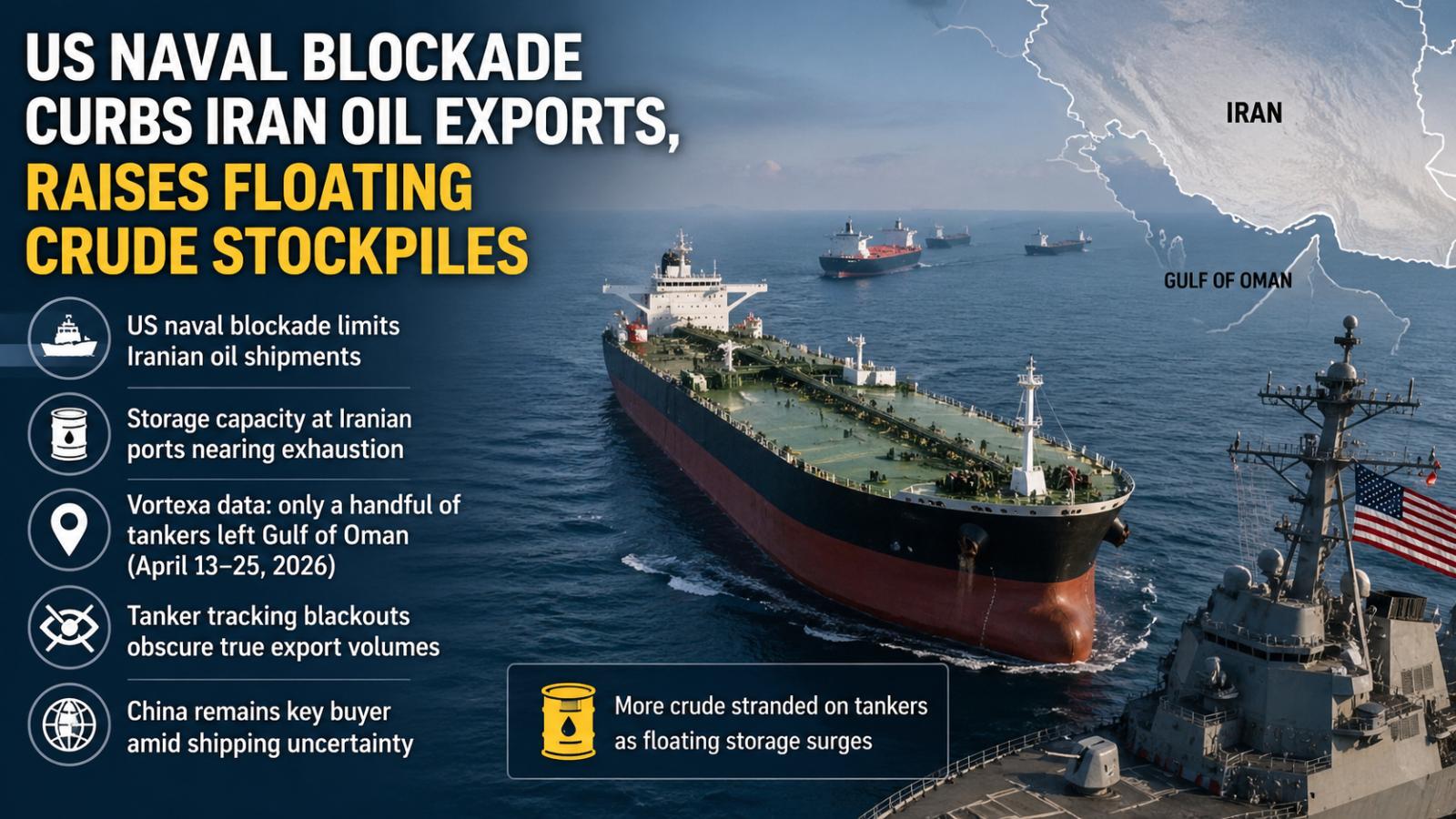
The US naval blockade has sharply reduced Iran’s oil exports, forcing crude into floating storage as onshore capacity fills. Limited tanker movement and tracking blackouts obscure shipments, raising concerns over global supply transparency and market stability
US naval blockade curbs Iran oil exports, raises floating crude stockpiles has significantly reduced Tehran’s oil shipments, leaving large volumes stranded at sea as storage capacity tightens. Analysts citing shipping data report that Iranian crude exports have dropped sharply due to heightened maritime restrictions and operational risks in key transit routes.
According to data from oil analytics firm Vortexa, only a limited number of tankers carrying Iranian crude departed the Gulf of Oman between Sunday, April 13, 2026, and Friday, April 25, 2026. This decline underscores the growing impact of the blockade, which has disrupted traditional export channels and created uncertainty across global energy markets. The situation is further complicated by tanker operators switching off tracking systems to avoid detection, making it difficult to accurately measure export volumes.
China remains Iran’s primary buyer, but the opacity surrounding shipments has increased as vessels attempt to evade monitoring systems. Analysts note that this lack of transparency could distort global supply assessments and complicate pricing trends in international oil markets. As Iranian onshore storage facilities reach capacity, more crude is being held on tankers, effectively turning them into floating storage units.
The blockade’s ripple effects extend beyond oil logistics. Broader policy measures tied to the maritime restrictions have contributed to operational challenges within U.S. federal systems. Since Friday, February 14, 2026, certain agencies have faced funding interruptions, leading to disruptions including extended wait times at major U.S. airports. While a recent measure supported by President Donald Trump has reopened the Department of Homeland Security, it does not allocate additional funding for Immigration and Customs Enforcement or the U.S. Border Patrol.
The evolving situation highlights the intersection of geopolitical strategy and global energy flows, with analysts warning that prolonged disruptions could tighten supply chains and influence oil prices worldwide.
The US naval blockade has sharply reduced Iran’s oil exports, forcing crude into floating storage as onshore capacity fills. Limited tanker movement and tracking blackouts obscure shipments, raising concerns over global supply transparency and market stability
US naval blockade curbs Iran oil exports, raises floating crude stockpiles has significantly reduced Tehran’s oil shipments, leaving large volumes stranded at sea as storage capacity tightens. Analysts citing shipping data report that Iranian crude exports have dropped sharply due to heightened maritime restrictions and operational risks in key transit routes.
According to data from oil analytics firm Vortexa, only a limited number of tankers carrying Iranian crude departed the Gulf of Oman between Sunday, April 13, 2026, and Friday, April 25, 2026. This decline underscores the growing impact of the blockade, which has disrupted traditional export channels and created uncertainty across global energy markets. The situation is further complicated by tanker operators switching off tracking systems to avoid detection, making it difficult to accurately measure export volumes.
China remains Iran’s primary buyer, but the opacity surrounding shipments has increased as vessels attempt to evade monitoring systems. Analysts note that this lack of transparency could distort global supply assessments and complicate pricing trends in international oil markets. As Iranian onshore storage facilities reach capacity, more crude is being held on tankers, effectively turning them into floating storage units.
The blockade’s ripple effects extend beyond oil logistics. Broader policy measures tied to the maritime restrictions have contributed to operational challenges within U.S. federal systems. Since Friday, February 14, 2026, certain agencies have faced funding interruptions, leading to disruptions including extended wait times at major U.S. airports. While a recent measure supported by President Donald Trump has reopened the Department of Homeland Security, it does not allocate additional funding for Immigration and Customs Enforcement or the U.S. Border Patrol.
The evolving situation highlights the intersection of geopolitical strategy and global energy flows, with analysts warning that prolonged disruptions could tighten supply chains and influence oil prices worldwide.
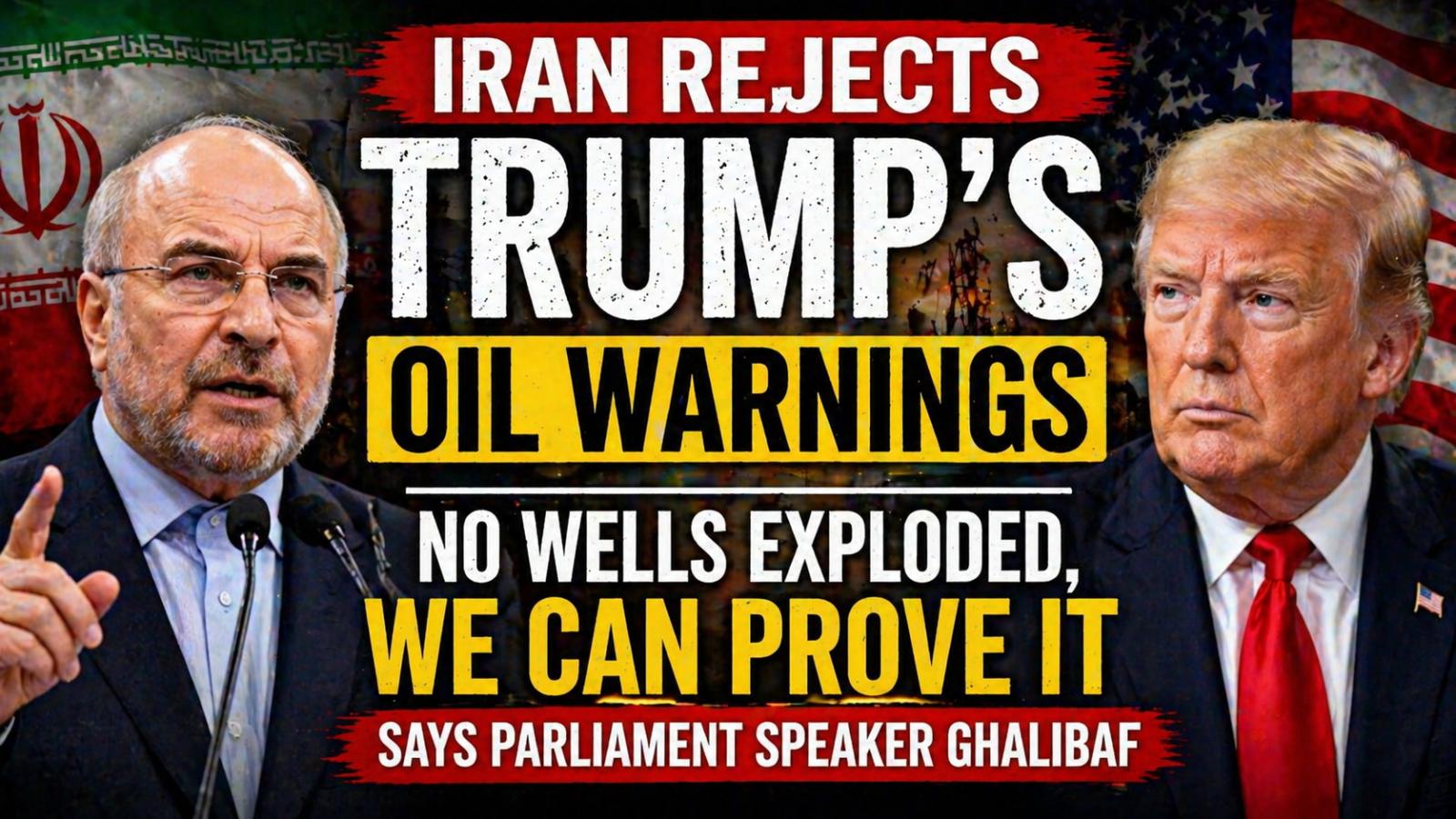
The Speaker of Iran’s Parliament, Mohammad Bagher Ghalibaf, has rejected recent claims made by US President Donald Trump regarding the stability of Iran’s oil infrastructure. Responding to warnings that Iran’s oil facilities were nearing critical failure, Ghalibaf dismissed the remarks as inaccurate and politically motivated, stating that conditions on the ground do not support such assessments. He emphasized that several days have passed without any reported incidents and suggested that extended monitoring could further demonstrate the resilience of Iran’s oil sector.
Ghalibaf also criticized the broader economic reasoning behind US policy measures, arguing that sanctions-based strategies have produced unintended consequences. He stated that approaches centered on economic pressure have contributed to rising oil prices rather than stabilizing global markets. According to his remarks, such policies reflect not only flawed strategies but also a deeper issue in decision-making.
The exchange follows recent developments in US policy toward Iranian oil exports. Washington moved to temporarily ease restrictions on a significant volume of Iranian crude already stored on tankers, allowing limited transactions involving existing shipments. US officials described the move as a calculated effort to influence oil markets while maintaining restrictions on new production or expanded trade.
Earlier, Trump had suggested that storage limitations and sanctions pressure could lead to disruptions in Iran’s oil infrastructure. However, Iranian officials have consistently maintained that both land-based and offshore storage capacities remain sufficient to manage production and exports. They argue that the country’s energy sector continues to operate within manageable limits despite ongoing sanctions.
The situation highlights continuing tensions between Tehran and Washington over energy policy and economic measures. As both sides present differing assessments, the broader impact on global oil markets and geopolitical stability remains closely watched.
The Speaker of Iran’s Parliament, Mohammad Bagher Ghalibaf, has rejected recent claims made by US President Donald Trump regarding the stability of Iran’s oil infrastructure. Responding to warnings that Iran’s oil facilities were nearing critical failure, Ghalibaf dismissed the remarks as inaccurate and politically motivated, stating that conditions on the ground do not support such assessments. He emphasized that several days have passed without any reported incidents and suggested that extended monitoring could further demonstrate the resilience of Iran’s oil sector.
Ghalibaf also criticized the broader economic reasoning behind US policy measures, arguing that sanctions-based strategies have produced unintended consequences. He stated that approaches centered on economic pressure have contributed to rising oil prices rather than stabilizing global markets. According to his remarks, such policies reflect not only flawed strategies but also a deeper issue in decision-making.
The exchange follows recent developments in US policy toward Iranian oil exports. Washington moved to temporarily ease restrictions on a significant volume of Iranian crude already stored on tankers, allowing limited transactions involving existing shipments. US officials described the move as a calculated effort to influence oil markets while maintaining restrictions on new production or expanded trade.
Earlier, Trump had suggested that storage limitations and sanctions pressure could lead to disruptions in Iran’s oil infrastructure. However, Iranian officials have consistently maintained that both land-based and offshore storage capacities remain sufficient to manage production and exports. They argue that the country’s energy sector continues to operate within manageable limits despite ongoing sanctions.
The situation highlights continuing tensions between Tehran and Washington over energy policy and economic measures. As both sides present differing assessments, the broader impact on global oil markets and geopolitical stability remains closely watched.
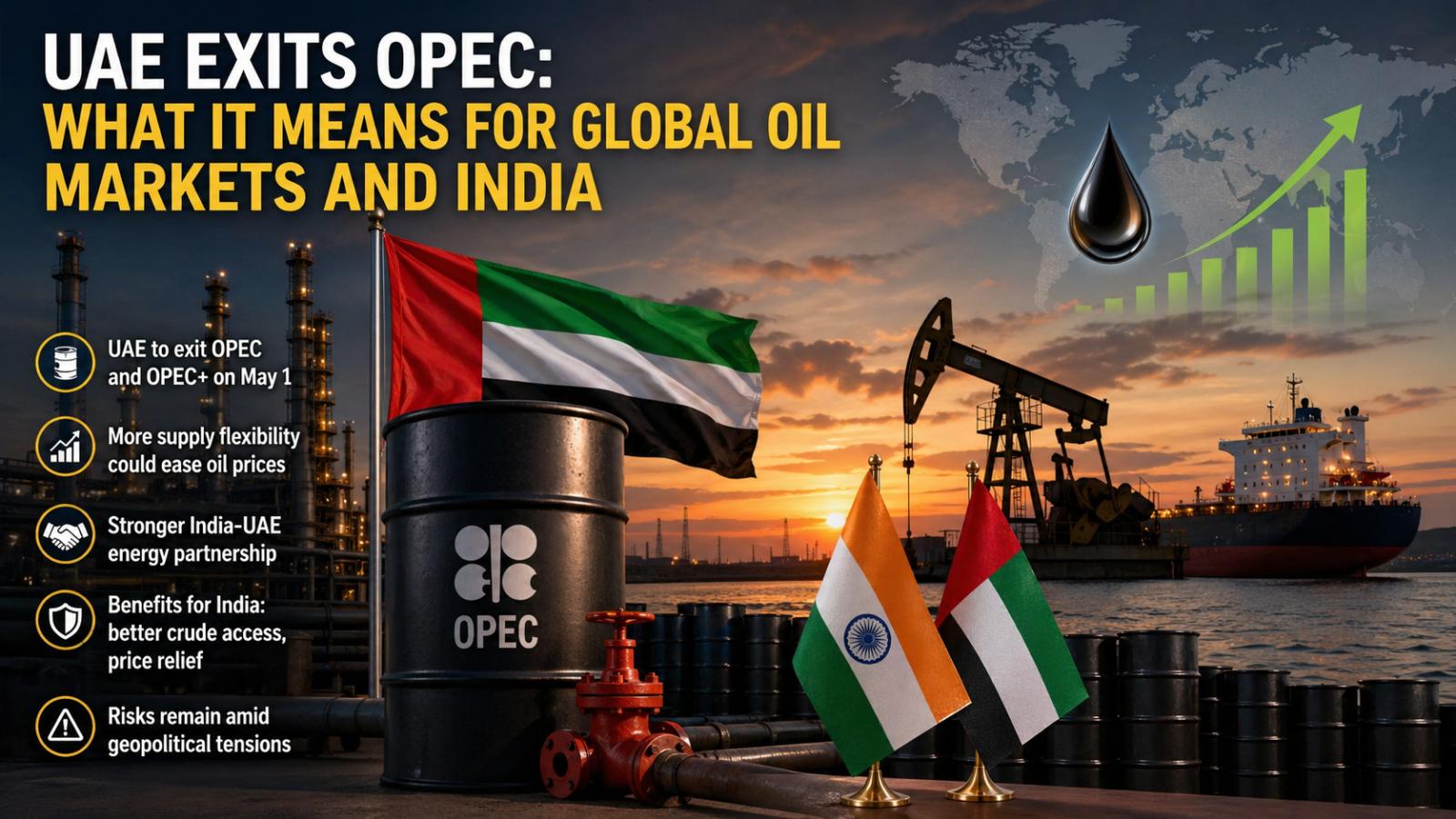
UAE’s exit from OPEC may boost oil supply, ease prices, and strengthen India energy ties, while raising volatility risks in global markets amid geopolitical tensions.
Will UAE leaving OPEC lower oil prices? Yes, it could ease global supply pressure as the United Arab Emirates prepares to formally exit Organization of the Petroleum Exporting Countries and OPEC+ on May 1,
UAE’s exit from OPEC may boost oil supply, ease prices, and strengthen India energy ties, while raising volatility risks in global markets amid geopolitical tensions.
Will UAE leaving OPEC lower oil prices? Yes, it could ease global supply pressure as the United Arab Emirates prepares to formally exit Organization of the Petroleum Exporting Countries and OPEC+ on May 1,