India growth slowdown: oil price surge impacts economy
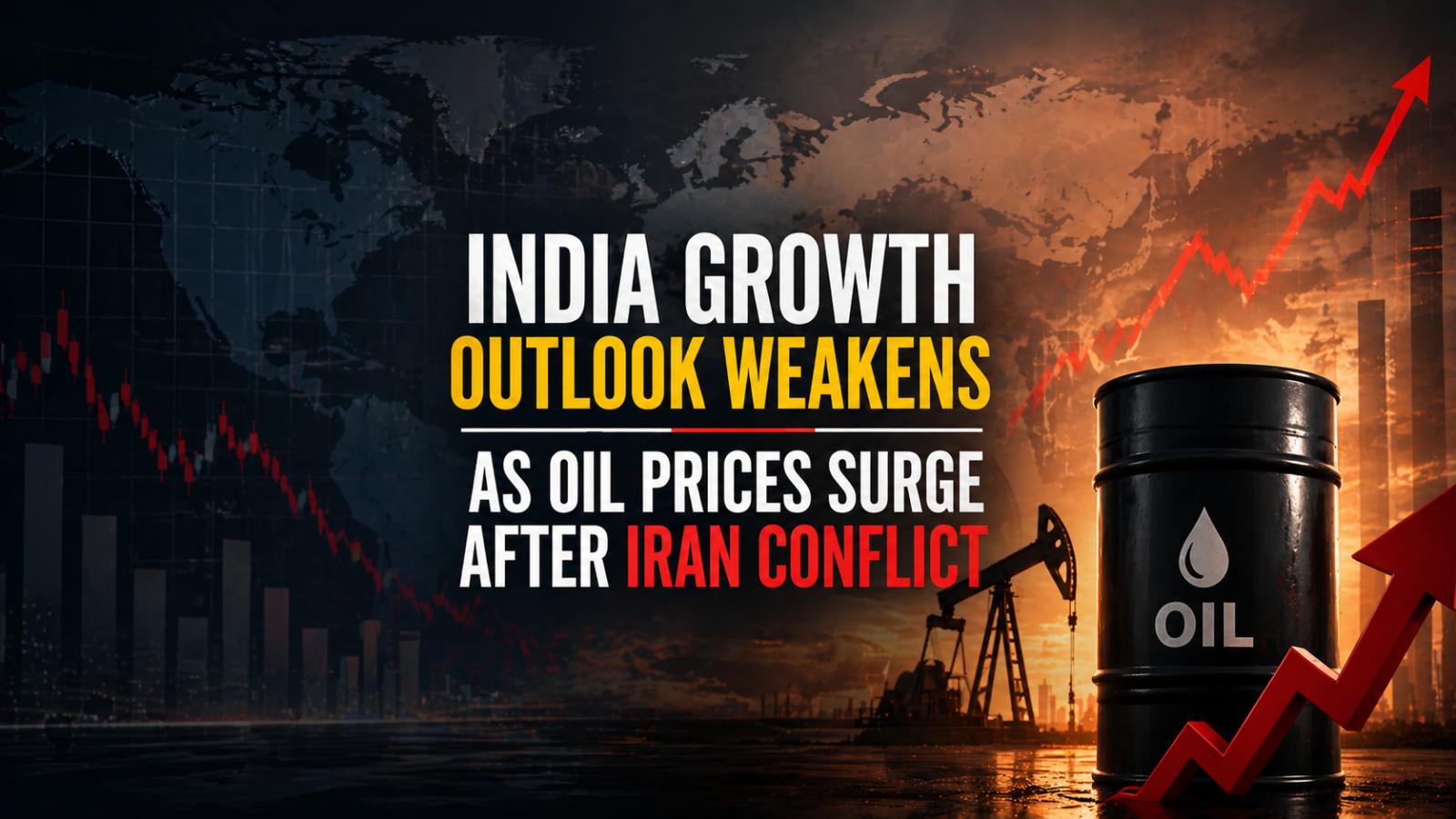
India growth slowdown has become a major concern after crude oil prices crossed $100 per barrel following tensions linked to the Iran conflict. The sharp increase in energy costs is already affecting corporate earnings and is expected to impact the FY27 outlook, according to analysts tracking the India economy slowdown.
The rising oil price surge is not seen as a short-term issue. Higher crude oil prices are likely to continue putting pressure on multiple sectors including consumer, auto, and financial industries. JP Morgan has warned that supply disruptions and elevated energy costs India could persist for months, even after a ceasefire, delaying full normalization. The firm has reduced its FY27 earnings forecast by 2–10 percent across major sectors, highlighting the growing risks to corporate earnings India.
Experts point out that the impact will be visible in different ways. Companies may face margin compression, reduced demand, and operational challenges, while consumers may experience the effects through higher prices and inflation India. These combined factors are expected to slow overall economic momentum.
Market estimates show that Nifty EPS growth could drop sharply from earlier expectations of around 15 percent to nearly 7–8 percent if crude oil prices remain high. Key industries such as automobiles, oil and gas, and airlines are likely to be the most affected due to their heavy dependence on fuel.
Despite these pressures, India Inc revenue growth remains stable, but the growth pattern is shifting from volume-driven to price-led expansion. This means companies are increasing prices to maintain revenues, a strategy that may not be sustainable if inflation continues to rise.
West Asia continues to play a crucial role in India’s economy. The region accounts for a significant share of exports and remittances, making India highly sensitive to disruptions in West Asia trade and income flows. Any prolonged instability could further deepen the India growth slowdown.
Investor sentiment has also weakened amid global uncertainty. Foreign portfolio investors have turned net sellers, with total FPI outflows reaching nearly ₹1.68 trillion since early 2026, reflecting concerns over geopolitical risks and economic stability.
India growth slowdown: oil price surge impacts economy
India growth slowdown has become a major concern after crude oil prices crossed $100 per barrel following tensions linked to the Iran conflict. The sharp increase in energy costs is already affecting corporate earnings and is expected to impact the FY27 outlook, according to analysts tracking the India economy slowdown.
The rising oil price surge is not seen as a short-term issue. Higher crude oil prices are likely to continue putting pressure on multiple sectors including consumer, auto, and financial industries. JP Morgan has warned that supply disruptions and elevated energy costs India could persist for months, even after a ceasefire, delaying full normalization. The firm has reduced its FY27 earnings forecast by 2–10 percent across major sectors, highlighting the growing risks to corporate earnings India.
Experts point out that the impact will be visible in different ways. Companies may face margin compression, reduced demand, and operational challenges, while consumers may experience the effects through higher prices and inflation India. These combined factors are expected to slow overall economic momentum.
Market estimates show that Nifty EPS growth could drop sharply from earlier expectations of around 15 percent to nearly 7–8 percent if crude oil prices remain high. Key industries such as automobiles, oil and gas, and airlines are likely to be the most affected due to their heavy dependence on fuel.
Despite these pressures, India Inc revenue growth remains stable, but the growth pattern is shifting from volume-driven to price-led expansion. This means companies are increasing prices to maintain revenues, a strategy that may not be sustainable if inflation continues to rise.
West Asia continues to play a crucial role in India’s economy. The region accounts for a significant share of exports and remittances, making India highly sensitive to disruptions in West Asia trade and income flows. Any prolonged instability could further deepen the India growth slowdown.
Investor sentiment has also weakened amid global uncertainty. Foreign portfolio investors have turned net sellers, with total FPI outflows reaching nearly ₹1.68 trillion since early 2026, reflecting concerns over geopolitical risks and economic stability.
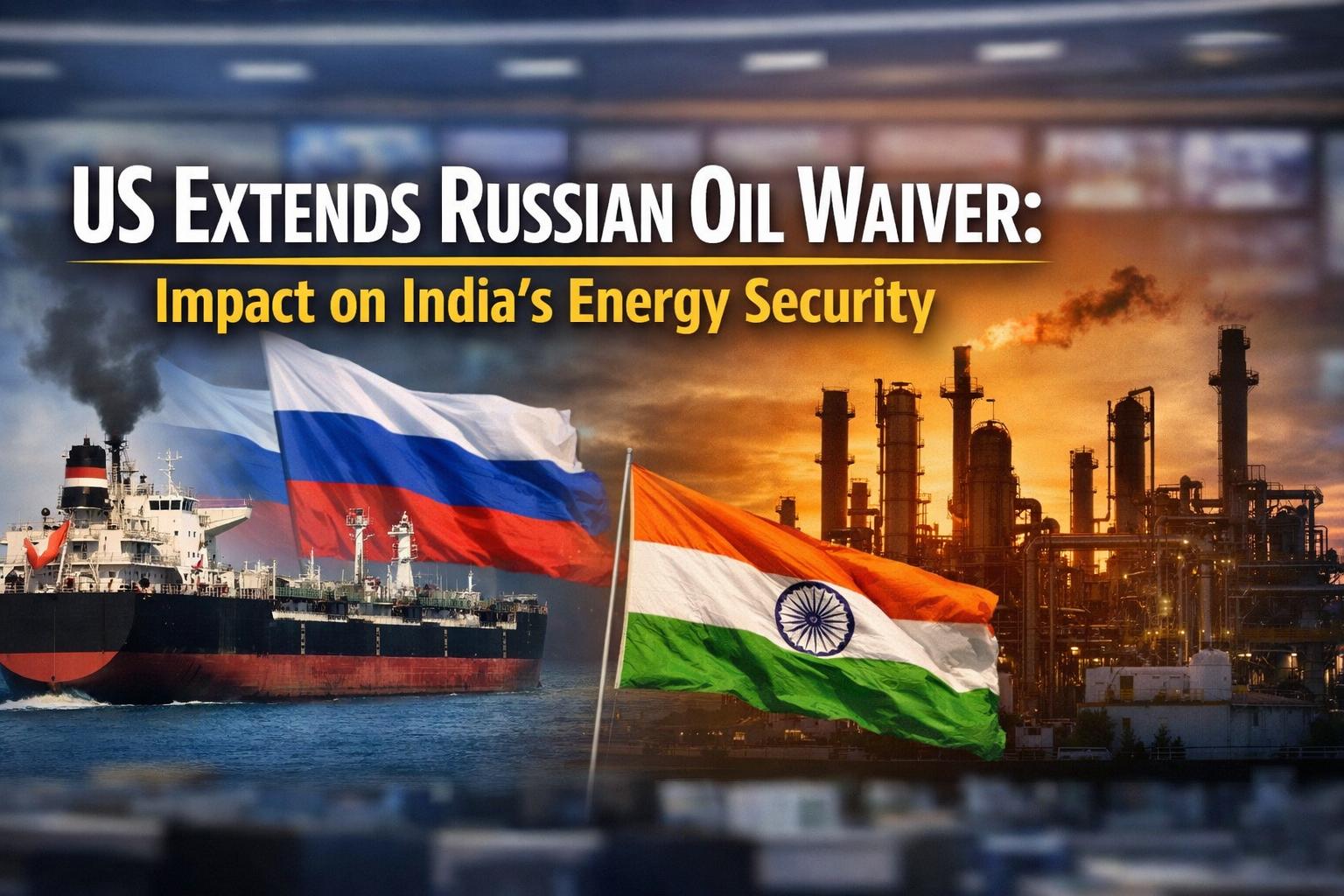
The United States has issued a fresh month-long sanctions waiver permitting transactions involving Russian crude oil already in transit, marking a notable policy reversal within days of signaling a stricter stance. The waiver allows purchases of oil loaded onto vessels as of April 17 to continue until May 16, providing limited flexibility to global buyers amid ongoing disruptions in the energy market.
The decision comes shortly after earlier statements ruled out any extension, highlighting the pressure created by rising fuel costs and tightening supply conditions. With gasoline prices climbing and geopolitical tensions affecting key supply routes, the move reflects an effort to stabilize markets rather than signal a broader policy shift. Importantly, the waiver applies only to cargo already at sea and does not authorize new purchases, reinforcing its temporary and targeted nature.
For India, one of the largest importers of Russian crude, the extension offers short-term operational relief. Russian supplies currently account for nearly 38 to 40 percent of India’s total crude imports, making them a critical component of the country’s energy mix. Given that India relies on imports for more than 88 percent of its energy needs, even minor disruptions can have significant economic implications.
Indian refiners had previously indicated their intent to continue sourcing Russian oil regardless of external sanctions frameworks, emphasizing that energy procurement remains a sovereign decision. The waiver, however, reduces immediate logistical and financial uncertainties by ensuring smoother completion of shipments already underway.
As geopolitical tensions continue to reshape global energy flows, the temporary waiver underscores the balancing act between policy objectives and market realities. For India, it reinforces the importance of maintaining diversified supply channels while navigating an increasingly complex international energy landscape.
The United States has issued a fresh month-long sanctions waiver permitting transactions involving Russian crude oil already in transit, marking a notable policy reversal within days of signaling a stricter stance. The waiver allows purchases of oil loaded onto vessels as of April 17 to continue until May 16, providing limited flexibility to global buyers amid ongoing disruptions in the energy market.
The decision comes shortly after earlier statements ruled out any extension, highlighting the pressure created by rising fuel costs and tightening supply conditions. With gasoline prices climbing and geopolitical tensions affecting key supply routes, the move reflects an effort to stabilize markets rather than signal a broader policy shift. Importantly, the waiver applies only to cargo already at sea and does not authorize new purchases, reinforcing its temporary and targeted nature.
For India, one of the largest importers of Russian crude, the extension offers short-term operational relief. Russian supplies currently account for nearly 38 to 40 percent of India’s total crude imports, making them a critical component of the country’s energy mix. Given that India relies on imports for more than 88 percent of its energy needs, even minor disruptions can have significant economic implications.
Indian refiners had previously indicated their intent to continue sourcing Russian oil regardless of external sanctions frameworks, emphasizing that energy procurement remains a sovereign decision. The waiver, however, reduces immediate logistical and financial uncertainties by ensuring smoother completion of shipments already underway.
As geopolitical tensions continue to reshape global energy flows, the temporary waiver underscores the balancing act between policy objectives and market realities. For India, it reinforces the importance of maintaining diversified supply channels while navigating an increasingly complex international energy landscape.
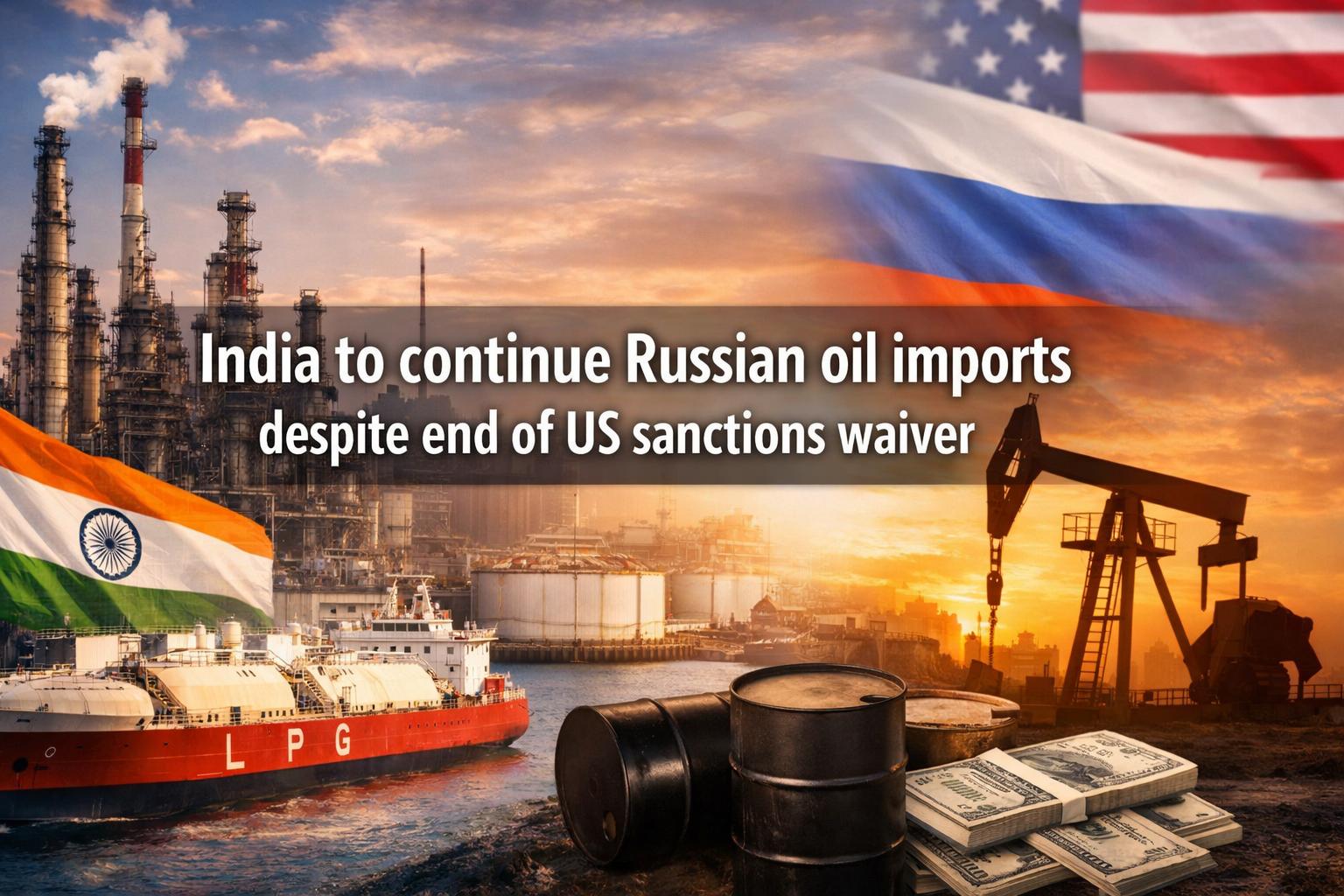
India is set to continue importing Russian crude oil and Liquefied Petroleum Gas (LPG) even after the expiration of the 30-day sanctions waiver granted by the United States on April 11, 2026. Officials indicated that the country’s energy import strategy is guided by sovereign priorities and commercial considerations rather than external sanctions frameworks. Indian refineries are expected to maintain their existing procurement approach by sourcing supplies from non-sanctioned entities and c
India is set to continue importing Russian crude oil and Liquefied Petroleum Gas (LPG) even after the expiration of the 30-day sanctions waiver granted by the United States on April 11, 2026. Officials indicated that the country’s energy import strategy is guided by sovereign priorities and commercial considerations rather than external sanctions frameworks. Indian refineries are expected to maintain their existing procurement approach by sourcing supplies from non-sanctioned entities and c
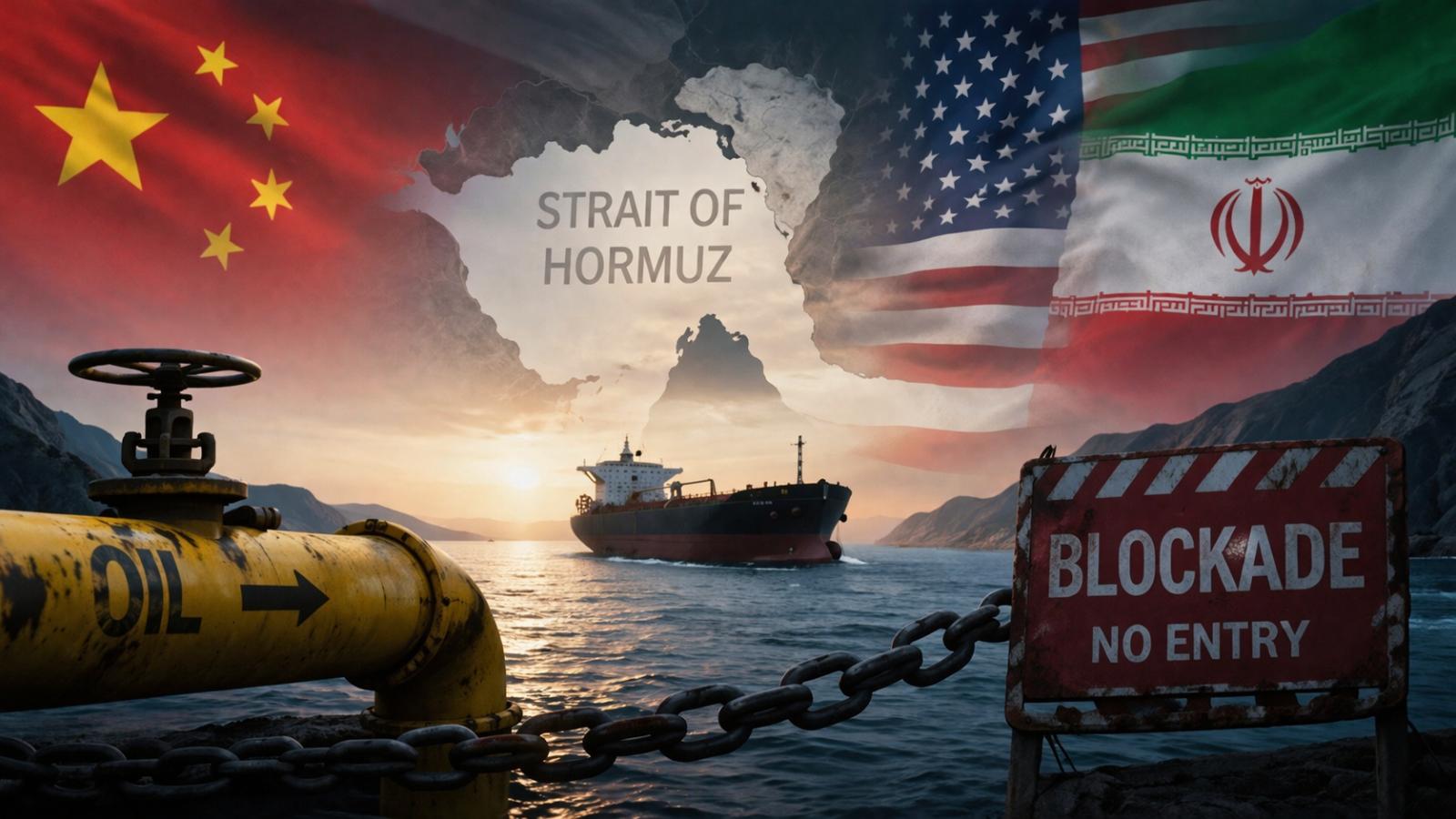
China has expressed strong disapproval over the United States' blockade of Iranian ports in the Strait of Hormuz, calling it a “dangerous and irresponsible act” that could escalate tensions in an already volatile region. In a statement issued on April 14, 2026, the Chinese Ministry of Foreign Affairs warned that the blockade, which began at 10:00 a.m. ET on Monday, along with increased U.S. military deployment in the area, risks undermining the fragile ceasefire that had
China has expressed strong disapproval over the United States' blockade of Iranian ports in the Strait of Hormuz, calling it a “dangerous and irresponsible act” that could escalate tensions in an already volatile region. In a statement issued on April 14, 2026, the Chinese Ministry of Foreign Affairs warned that the blockade, which began at 10:00 a.m. ET on Monday, along with increased U.S. military deployment in the area, risks undermining the fragile ceasefire that had
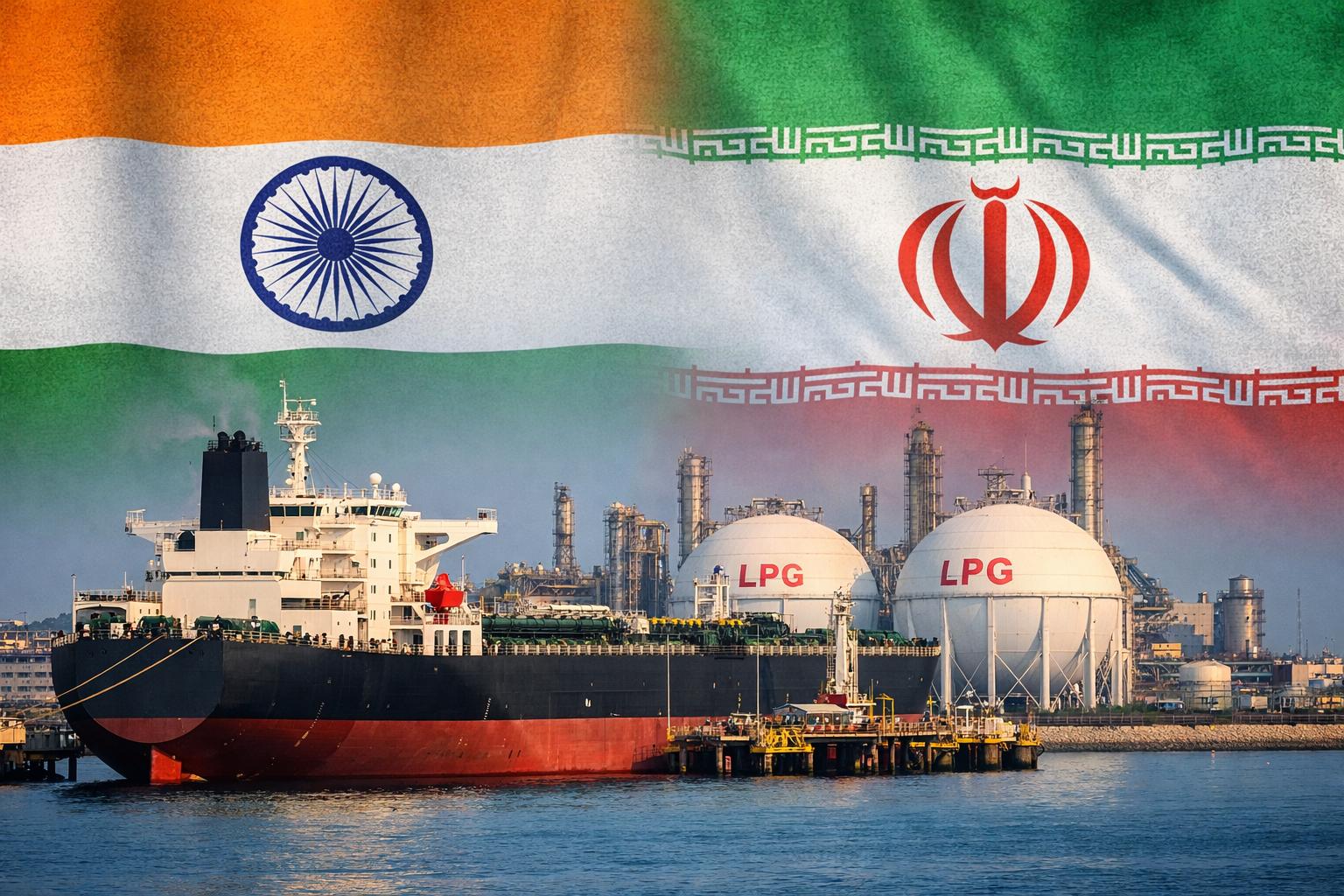
India has officially confirmed that it is importing crude oil and liquefied petroleum gas (LPG) from Iran, marking a notable development in its energy policy amid evolving global market conditions. The confirmation was issued by India’s Petroleum Ministry on Saturday, April 4, 2026 (IST), providing clarity on ongoing reports about energy trade involving Iranian supplies.
The acknowledgment highlights India’s continued reliance on diversified fuel sources to meet rising domestic demand. As one of the world’s largest importers of crude oil, India depends heavily on international suppliers to sustain economic growth, industrial activity, and consumer energy needs. Iranian crude and LPG are considered commercially attractive due to pricing advantages and established supply channels.
Officials emphasized that India’s crude supply remains secure and that there are no reported payment-related disruptions affecting imports from Iran. The clarification comes amid heightened global scrutiny over transactions involving Iranian energy exports, which remain sensitive due to international sanctions frameworks and geopolitical considerations.
Energy analysts note that India’s confirmation underscores a broader trend among major economies seeking flexibility in sourcing oil and gas. With global oil markets experiencing volatility, countries are increasingly prioritizing energy security and affordability over rigid sourcing constraints. India’s approach reflects a pragmatic balance between domestic economic priorities and external diplomatic pressures.
The development may also influence broader market sentiment, particularly if it signals sustained or increased flows of Iranian crude into global supply chains. At the same time, it highlights the complexities of international energy trade, where economic necessity, regulatory environments, and geopolitical dynamics intersect.
India’s confirmation on Saturday, April 4, 2026 (IST) reinforces its strategic focus on ensuring uninterrupted fuel access while navigating a rapidly shifting global energy landscape.
India has officially confirmed that it is importing crude oil and liquefied petroleum gas (LPG) from Iran, marking a notable development in its energy policy amid evolving global market conditions. The confirmation was issued by India’s Petroleum Ministry on Saturday, April 4, 2026 (IST), providing clarity on ongoing reports about energy trade involving Iranian supplies.
The acknowledgment highlights India’s continued reliance on diversified fuel sources to meet rising domestic demand. As one of the world’s largest importers of crude oil, India depends heavily on international suppliers to sustain economic growth, industrial activity, and consumer energy needs. Iranian crude and LPG are considered commercially attractive due to pricing advantages and established supply channels.
Officials emphasized that India’s crude supply remains secure and that there are no reported payment-related disruptions affecting imports from Iran. The clarification comes amid heightened global scrutiny over transactions involving Iranian energy exports, which remain sensitive due to international sanctions frameworks and geopolitical considerations.
Energy analysts note that India’s confirmation underscores a broader trend among major economies seeking flexibility in sourcing oil and gas. With global oil markets experiencing volatility, countries are increasingly prioritizing energy security and affordability over rigid sourcing constraints. India’s approach reflects a pragmatic balance between domestic economic priorities and external diplomatic pressures.
The development may also influence broader market sentiment, particularly if it signals sustained or increased flows of Iranian crude into global supply chains. At the same time, it highlights the complexities of international energy trade, where economic necessity, regulatory environments, and geopolitical dynamics intersect.
India’s confirmation on Saturday, April 4, 2026 (IST) reinforces its strategic focus on ensuring uninterrupted fuel access while navigating a rapidly shifting global energy landscape.
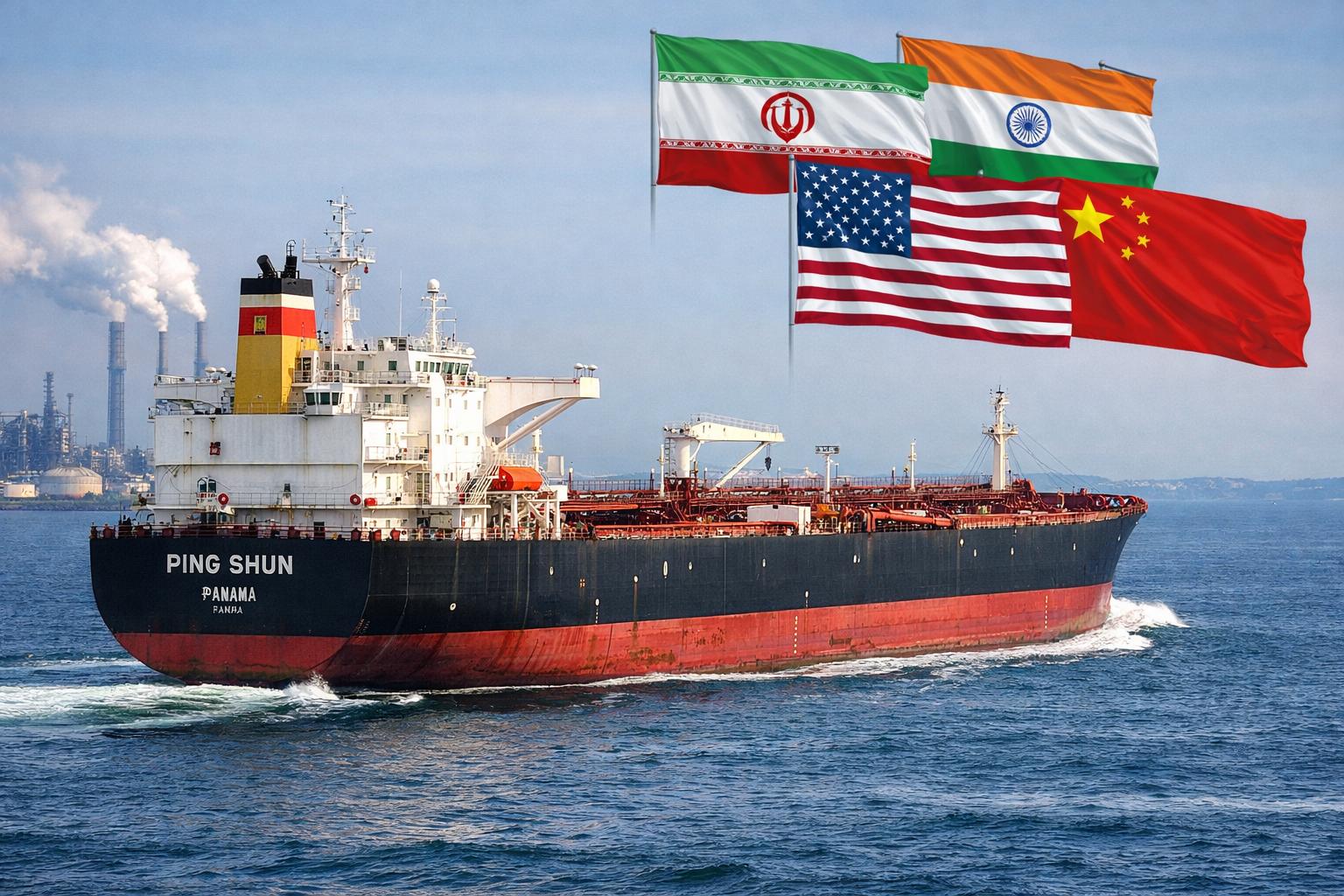
A U.S.-sanctioned oil tanker carrying Iranian crude has changed course from India to China, raising uncertainty over what could have been India’s first Iranian oil import in nearly seven years. The Aframax tanker Ping Shun, built in 2002 and sanctioned by the United States in 2025, is now signaling Dongying, China, as its destination instead of Vadinar in Gujarat, according to data from Kpler.
A U.S.-sanctioned oil tanker carrying Iranian crude has changed course from India to China, raising uncertainty over what could have been India’s first Iranian oil import in nearly seven years. The Aframax tanker Ping Shun, built in 2002 and sanctioned by the United States in 2025, is now signaling Dongying, China, as its destination instead of Vadinar in Gujarat, according to data from Kpler.
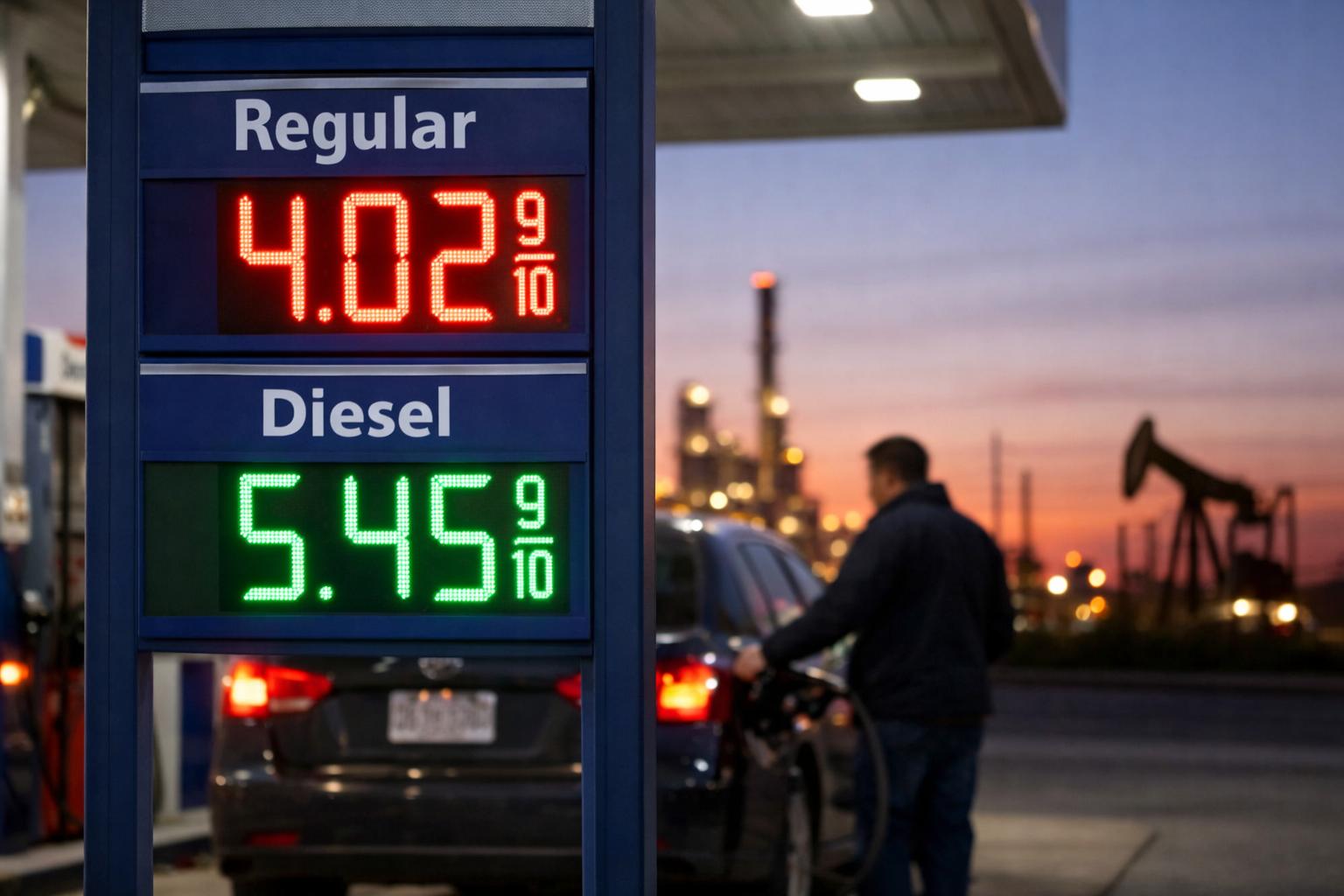
Gas prices across the United States climbed above an average of $4 per gallon on Tuesday, March 31, 2026, marking the first time since 2022 that national fuel costs have reached this level, according to data released by AAA. The national average for regular gasoline rose to $4.02 per gallon, reflecting a sharp increase of more than $1 compared to prices before the ongoing Iran conflict began on Friday, February 28, 2026.
The surge is largely tied to disruptions in global oil markets followin
Gas prices across the United States climbed above an average of $4 per gallon on Tuesday, March 31, 2026, marking the first time since 2022 that national fuel costs have reached this level, according to data released by AAA. The national average for regular gasoline rose to $4.02 per gallon, reflecting a sharp increase of more than $1 compared to prices before the ongoing Iran conflict began on Friday, February 28, 2026.
The surge is largely tied to disruptions in global oil markets followin
The Indian rupee slipped past the 95 mark against the US dollar on March 30, 2026, hitting an all-time low of 95.20 per dollar, a decline of 0.3% for the day. This drop occurred despite the Reserve Bank of India's (RBI) recent intervention aimed at curbing currency volatility. The currency has been under pressure from a mix of global factors, sustained foreign outflows, and rising oil prices.
The RBI had introduced measures to support the rupee by tightening limits on banks' foreign exchange positions. As of late Friday, the central bank directed banks to cap their net open rupee positions in the foreign exchange market at $100 million by the end of each business day, with compliance required by April 10. While this move offered temporary relief, the impact was limited as analysts pointed out that underlying factors, such as persistent foreign outflows and high crude oil prices, continued to weigh on the rupee.
Foreign portfolio outflows have been one of the major contributors to the rupee's weakness. These outflows, coupled with high global oil prices, have put pressure on India’s current account deficit, thus exerting more pressure on the currency. The rising oil prices are linked to geopolitical tensions, such as the ongoing conflict in Iran, which has exacerbated market volatility. Additionally, the wider spread between the onshore and non-deliverable forward (NDF) markets, due to increasing volatility, has contributed to the rupee’s decline.
Despite the RBI’s directive, the rupee continued its downward spiral, reflecting broader economic challenges. The currency has fallen over 4% in March alone, marking its worst monthly performance in over seven years. The Nifty 50 index also reflected the market's overall weakness, dropping by about 2% on Monday, with a looming risk of its worst monthly decline since March 2020.
In this uncertain climate, analysts predict that unless there is a significant drop in oil prices or a reversal in foreign fund flows, the pressure on the rupee is likely to persist. The continued outflows from emerging markets and heightened global uncertainty have created a negative sentiment surrounding India’s economic outlook, which, in turn, has kept the rupee under significant pressure.
The Indian rupee slipped past the 95 mark against the US dollar on March 30, 2026, hitting an all-time low of 95.20 per dollar, a decline of 0.3% for the day. This drop occurred despite the Reserve Bank of India's (RBI) recent intervention aimed at curbing currency volatility. The currency has been under pressure from a mix of global factors, sustained foreign outflows, and rising oil prices.
The RBI had introduced measures to support the rupee by tightening limits on banks' foreign exchange positions. As of late Friday, the central bank directed banks to cap their net open rupee positions in the foreign exchange market at $100 million by the end of each business day, with compliance required by April 10. While this move offered temporary relief, the impact was limited as analysts pointed out that underlying factors, such as persistent foreign outflows and high crude oil prices, continued to weigh on the rupee.
Foreign portfolio outflows have been one of the major contributors to the rupee's weakness. These outflows, coupled with high global oil prices, have put pressure on India’s current account deficit, thus exerting more pressure on the currency. The rising oil prices are linked to geopolitical tensions, such as the ongoing conflict in Iran, which has exacerbated market volatility. Additionally, the wider spread between the onshore and non-deliverable forward (NDF) markets, due to increasing volatility, has contributed to the rupee’s decline.
Despite the RBI’s directive, the rupee continued its downward spiral, reflecting broader economic challenges. The currency has fallen over 4% in March alone, marking its worst monthly performance in over seven years. The Nifty 50 index also reflected the market's overall weakness, dropping by about 2% on Monday, with a looming risk of its worst monthly decline since March 2020.
In this uncertain climate, analysts predict that unless there is a significant drop in oil prices or a reversal in foreign fund flows, the pressure on the rupee is likely to persist. The continued outflows from emerging markets and heightened global uncertainty have created a negative sentiment surrounding India’s economic outlook, which, in turn, has kept the rupee under significant pressure.
India has moved to strengthen its energy security as global tensions rise in West Asia, with Prime Minister Narendra Modi confirming that the country currently holds a strategic petroleum reserve of 53 lakh metric tonnes. Addressing the Lok Sabha, he also revealed plans to expand this reserve to 65 lakh metric tonnes in the near future.
India has moved to strengthen its energy security as global tensions rise in West Asia, with Prime Minister Narendra Modi confirming that the country currently holds a strategic petroleum reserve of 53 lakh metric tonnes. Addressing the Lok Sabha, he also revealed plans to expand this reserve to 65 lakh metric tonnes in the near future.
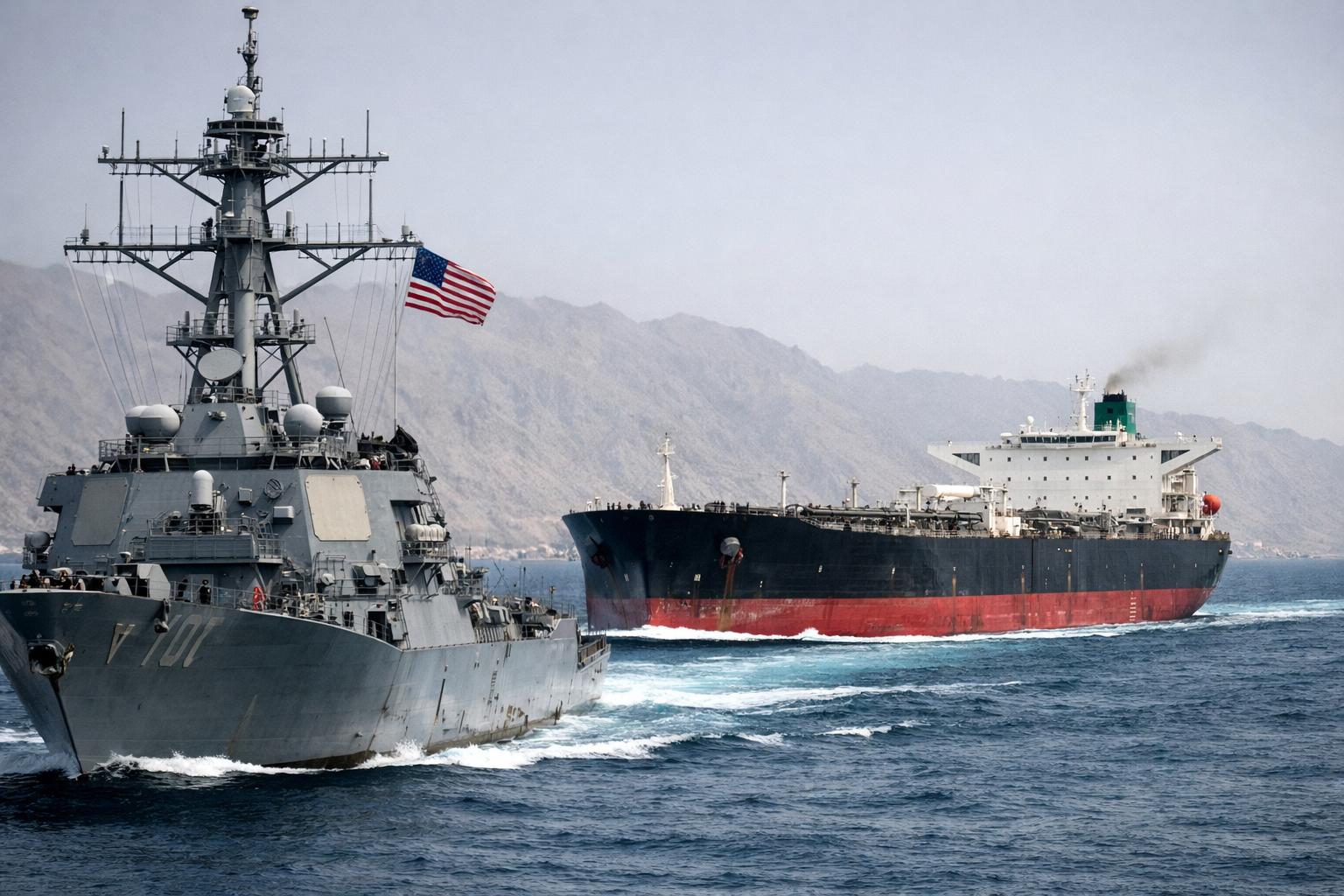
Global oil prices fell sharply on Tuesday after the United States confirmed that a naval escort ensured the safe passage of an oil tanker through the Strait of Hormuz, a critical shipping lane for the world’s energy markets. The announcement helped calm investors who had been reacting to escalating geopolitical tensions and fears of a major oil supply disruption linked to the ongoing Iran conflict.
U.S. crude oil dropped around 15 percent to $79.96 per barrel, while Brent crude, t
Global oil prices fell sharply on Tuesday after the United States confirmed that a naval escort ensured the safe passage of an oil tanker through the Strait of Hormuz, a critical shipping lane for the world’s energy markets. The announcement helped calm investors who had been reacting to escalating geopolitical tensions and fears of a major oil supply disruption linked to the ongoing Iran conflict.
U.S. crude oil dropped around 15 percent to $79.96 per barrel, while Brent crude, t
Global crude oil prices have surged past $110 per barrel as escalating tensions in the Gulf region shake energy markets worldwide. The sharp increase has triggered concerns about potential supply disruptions, particularly through the Strait of Hormuz, one of the most critical oil transit routes globally. The sudden spike represents the biggest jump in crude prices since 2020 and has raised fears about its possible ripple effects on economies that depend heavily on imported oil.
Desp
Global crude oil prices have surged past $110 per barrel as escalating tensions in the Gulf region shake energy markets worldwide. The sharp increase has triggered concerns about potential supply disruptions, particularly through the Strait of Hormuz, one of the most critical oil transit routes globally. The sudden spike represents the biggest jump in crude prices since 2020 and has raised fears about its possible ripple effects on economies that depend heavily on imported oil.
Desp
Global oil markets experienced unprecedented volatility this week as escalating tensions in the Middle East disrupted key energy supply routes and triggered the largest weekly surge in U.S. crude futures since trading began in 1983. The sharp rise in oil prices reflects growing concerns among investors and governments that prolonged conflict in the region could severely affect global fuel supply chains and economic stability.
West Texas Intermediate crude futures climbed sharply on
Global oil markets experienced unprecedented volatility this week as escalating tensions in the Middle East disrupted key energy supply routes and triggered the largest weekly surge in U.S. crude futures since trading began in 1983. The sharp rise in oil prices reflects growing concerns among investors and governments that prolonged conflict in the region could severely affect global fuel supply chains and economic stability.
West Texas Intermediate crude futures climbed sharply on
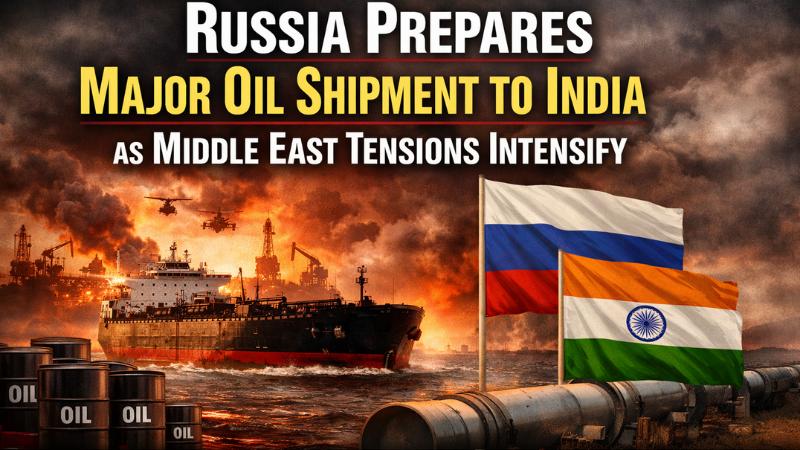
In response to the escalating crisis in the Middle East, Russia is preparing to ship 9.5 million barrels of crude oil to India. This move comes as India faces severe supply disruptions, particularly after Iranian attacks targeted vessels in the Strait of Hormuz, a critical oil route that handles 40% of India's crude imports. The current geopolitical tensions have left India vulnerable, as its crude stocks cover only about 25 days of demand, and inventories of refined products like gasoline, g
In response to the escalating crisis in the Middle East, Russia is preparing to ship 9.5 million barrels of crude oil to India. This move comes as India faces severe supply disruptions, particularly after Iranian attacks targeted vessels in the Strait of Hormuz, a critical oil route that handles 40% of India's crude imports. The current geopolitical tensions have left India vulnerable, as its crude stocks cover only about 25 days of demand, and inventories of refined products like gasoline, g
Amid escalating geopolitical tensions in West Asia and growing concerns over potential disruptions in the Strait of Hormuz, government sources have reassured citizens that India’s oil reserves and fuel stocks remain sufficient, urging the public not to panic or hoard essential petroleum products. Officials said the country currently maintains around 25 days of crude oil and petroleum products, including petrol and diesel, ensuring stability in the event of short-term supply disruptions. Liq
Amid escalating geopolitical tensions in West Asia and growing concerns over potential disruptions in the Strait of Hormuz, government sources have reassured citizens that India’s oil reserves and fuel stocks remain sufficient, urging the public not to panic or hoard essential petroleum products. Officials said the country currently maintains around 25 days of crude oil and petroleum products, including petrol and diesel, ensuring stability in the event of short-term supply disruptions. Liq
Oil prices climbed sharply on Wednesday, rising more than 4% as investors reacted to escalating tensions between the United States and Iran following the latest round of nuclear negotiations. Market sentiment shifted after U.S. Vice President JD Vance indicated that Tehran had failed to address key American demands and warned that military options remain under consideration.
U.S. West Texas Intermediate crude settled up $2.86, or 4.59%, at $65.19 per barrel, while global benchmark B
Oil prices climbed sharply on Wednesday, rising more than 4% as investors reacted to escalating tensions between the United States and Iran following the latest round of nuclear negotiations. Market sentiment shifted after U.S. Vice President JD Vance indicated that Tehran had failed to address key American demands and warned that military options remain under consideration.
U.S. West Texas Intermediate crude settled up $2.86, or 4.59%, at $65.19 per barrel, while global benchmark B
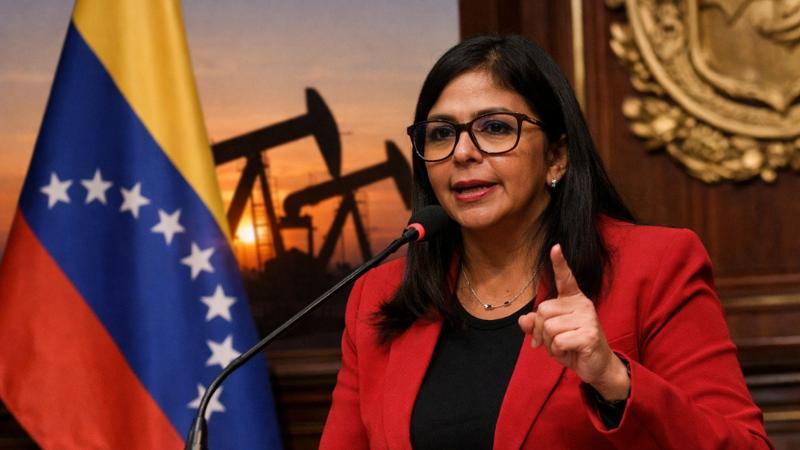
Venezuela’s interim president Delcy Rodríguez has accused the United States of using allegations related to drug trafficking, democracy, and human rights as a pretext to pursue control over the country’s vast oil resources. Speaking before the Venezuelan Parliament, Rodríguez said that external pressure on the country has long been driven by energy interests rather than genuine political or humanitarian concerns, while emphasizing that Caracas remains open to energy cooperation based on
Venezuela’s interim president Delcy Rodríguez has accused the United States of using allegations related to drug trafficking, democracy, and human rights as a pretext to pursue control over the country’s vast oil resources. Speaking before the Venezuelan Parliament, Rodríguez said that external pressure on the country has long been driven by energy interests rather than genuine political or humanitarian concerns, while emphasizing that Caracas remains open to energy cooperation based on
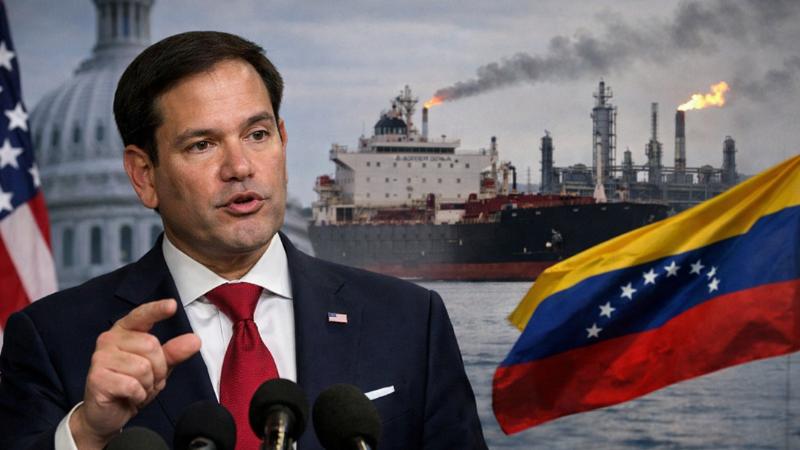
United States Secretary of State Marco Rubio said on Wednesday that Washington holds significant leverage over Venezuela’s interim authorities and is preparing to execute a plan that would place control of the country’s oil exports firmly in US hands. Speaking to reporters on Capitol Hill, Rubio said the administration is finalising an arrangement to take possession of oil currently immobilised in Venezuela and sell it on global markets at full market prices.
According to Rubio,
United States Secretary of State Marco Rubio said on Wednesday that Washington holds significant leverage over Venezuela’s interim authorities and is preparing to execute a plan that would place control of the country’s oil exports firmly in US hands. Speaking to reporters on Capitol Hill, Rubio said the administration is finalising an arrangement to take possession of oil currently immobilised in Venezuela and sell it on global markets at full market prices.
According to Rubio,
U.S. crude oil prices fell to their lowest level since May on Tuesday, deepening a prolonged downturn that has put the market on track for its weakest annual performance in seven years. The decline reflects growing concerns over a looming supply surplus and shifting expectations around geopolitical risks, particularly the possibility of a peace agreement between Ukraine and Russia.
West Texas Intermediate crude briefly dropped to $55.69 per barrel, while global benchmark Brent crude
U.S. crude oil prices fell to their lowest level since May on Tuesday, deepening a prolonged downturn that has put the market on track for its weakest annual performance in seven years. The decline reflects growing concerns over a looming supply surplus and shifting expectations around geopolitical risks, particularly the possibility of a peace agreement between Ukraine and Russia.
West Texas Intermediate crude briefly dropped to $55.69 per barrel, while global benchmark Brent crude