








Trump criticizes NATO support amid tensions over Iran conflict
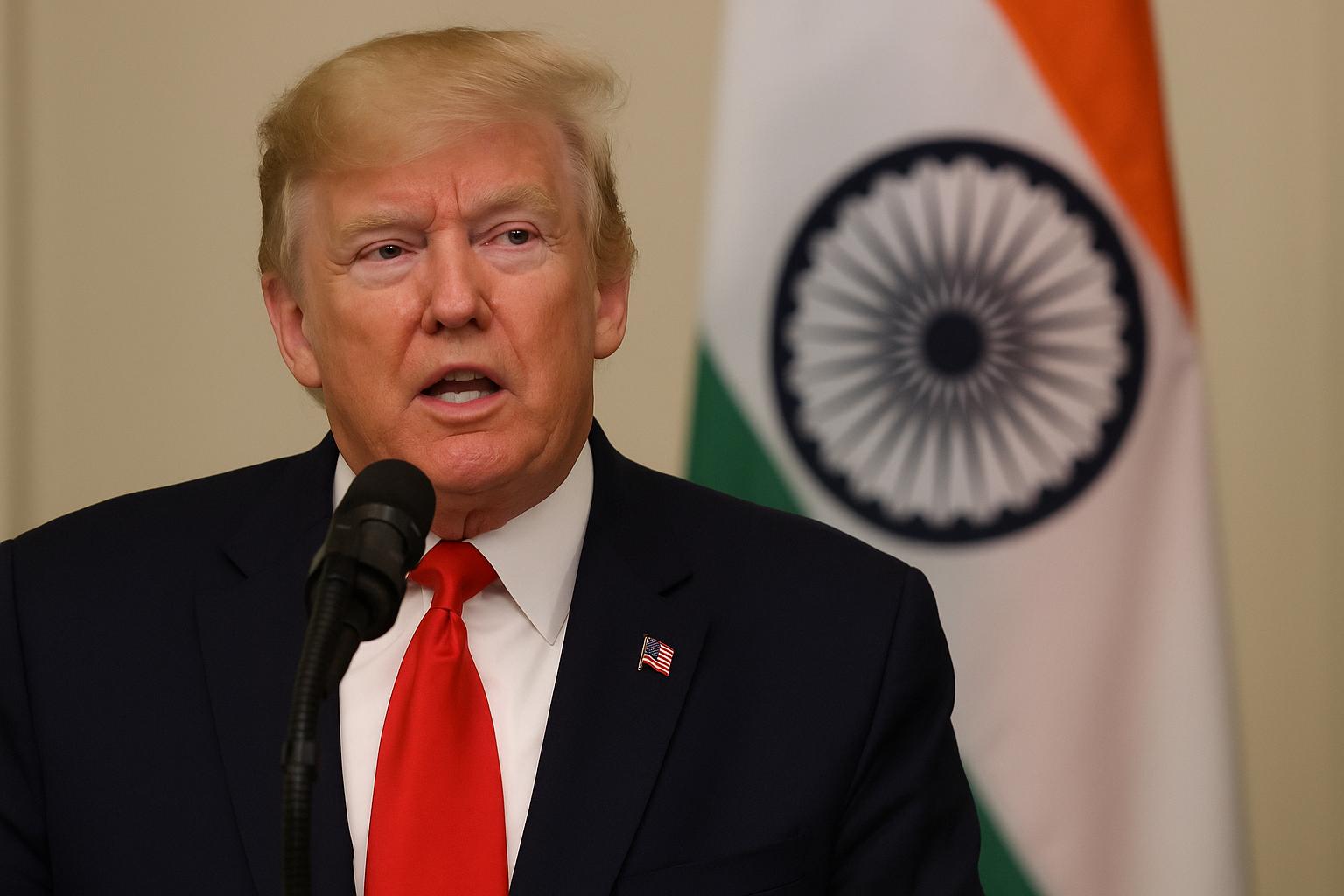
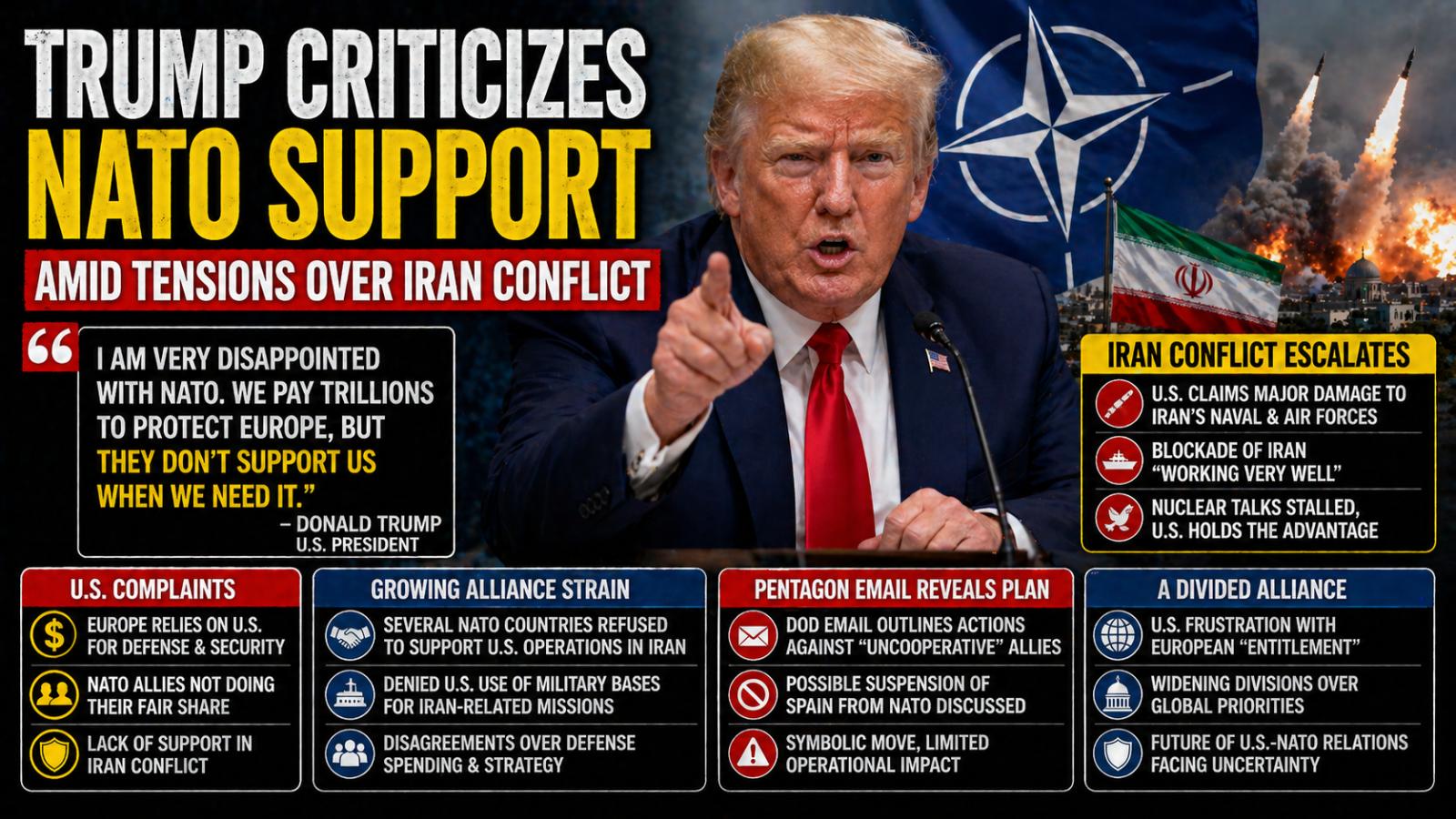
Trump criticized NATO for lack of support during the Iran conflict, highlighting growing US-alliance tensions and potential policy consequences for member states. A growing rift between the United States and NATO allies intensified after President Donald Trump voiced disappointment over support during the Iran conflict and broader security concerns. Amid escalating tensions between the United States and its allies, Donald Trump said on Sunday April 26, 2026 that he was “very disappointed” with NATO, accusing the alliance of failing to support Washington during a critical period. His remarks followed heightened security concerns earlier that day at the White House Correspondents’ Dinner. In an interview with Fox News, Trump emphasized the scale of US financial contributions to NATO, arguing that the alliance depends heavily on American resources. He said the United States has invested trillions of dollars to protect Europe from threats such as Russia and suggested that NATO members have not reciprocated adequately. The comments come as the Trump administration faces frustration with Western allies over their reluctance to back US actions in the ongoing Iran conflict. During the same interview, Trump shifted focus to Iran, asserting that the United States holds a strategic advantage despite stalled negotiations. He claimed US forces had significantly weakened Iran’s naval and air capabilities and described a blockade as highly effective. Tensions with NATO have been building since Trump returned to office, particularly as he has pushed member nations to increase defense spending. Disagreements intensified after several NATO countries declined to support US military operations in Iran or allow the use of their bases. The strain deepened further after a controversial email from the United States Department of Defense outlined potential actions against NATO allies perceived as unsupportive. Among the measures discussed was the possible suspension of Spain from NATO, a move officials indicated would carry symbolic significance but limited operational impact. Officials said the communication reflected growing frustration within the US government, describing what it characterized as a sense of entitlement among European partners. The developments underscore widening divisions within the alliance as geopolitical and military priorities diverge.
Trump criticizes NATO support amid tensions over Iran conflict
Trump criticized NATO for lack of support during the Iran conflict, highlighting growing US-alliance tensions and potential policy consequences for member states. A growing rift between the United States and NATO allies intensified after President Donald Trump voiced disappointment over support during the Iran conflict and broader security concerns. Amid escalating tensions between the United States and its allies, Donald Trump said on Sunday April 26, 2026 that he was “very disappointed” with NATO, accusing the alliance of failing to support Washington during a critical period. His remarks followed heightened security concerns earlier that day at the White House Correspondents’ Dinner. In an interview with Fox News, Trump emphasized the scale of US financial contributions to NATO, arguing that the alliance depends heavily on American resources. He said the United States has invested trillions of dollars to protect Europe from threats such as Russia and suggested that NATO members have not reciprocated adequately. The comments come as the Trump administration faces frustration with Western allies over their reluctance to back US actions in the ongoing Iran conflict. During the same interview, Trump shifted focus to Iran, asserting that the United States holds a strategic advantage despite stalled negotiations. He claimed US forces had significantly weakened Iran’s naval and air capabilities and described a blockade as highly effective. Tensions with NATO have been building since Trump returned to office, particularly as he has pushed member nations to increase defense spending. Disagreements intensified after several NATO countries declined to support US military operations in Iran or allow the use of their bases. The strain deepened further after a controversial email from the United States Department of Defense outlined potential actions against NATO allies perceived as unsupportive. Among the measures discussed was the possible suspension of Spain from NATO, a move officials indicated would carry symbolic significance but limited operational impact. Officials said the communication reflected growing frustration within the US government, describing what it characterized as a sense of entitlement among European partners. The developments underscore widening divisions within the alliance as geopolitical and military priorities diverge.
What damage did Iran war cause? US bases hit hard after airstrikes
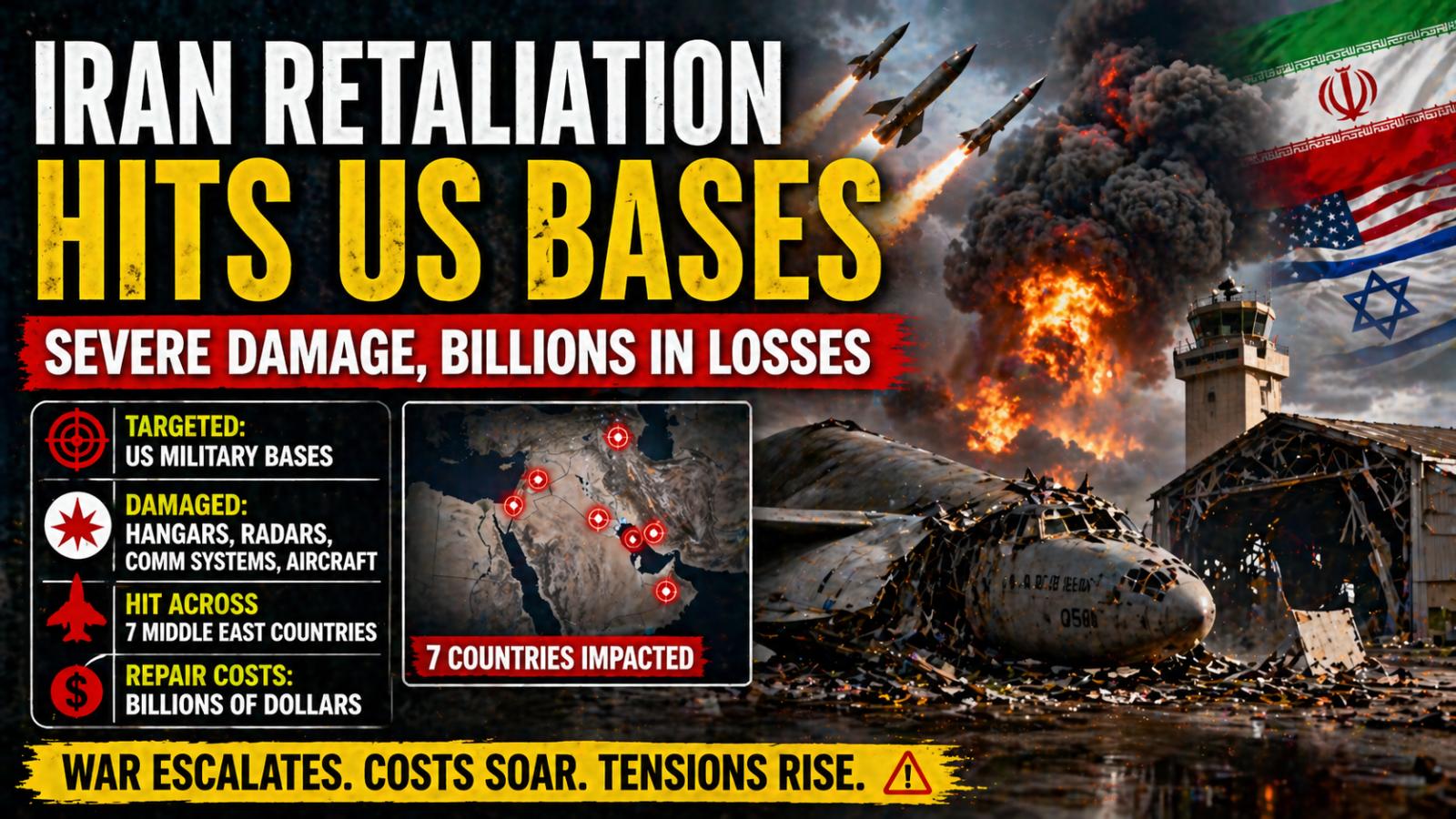
The Iran war, which began on Friday, February 28, 2026, following joint airstrikes by the United States and Israel, has led to widespread infrastructure destruction across Iran while also triggering significant retaliation. New reporting indicates that Iranian counterattacks have caused extensive damage to US military installations across the Middle East, raising concerns about escalating defense costs and regional instability. Escalation after joint US-Israel airstrikes on
What damage did Iran war cause? US bases hit hard after airstrikes
The Iran war, which began on Friday, February 28, 2026, following joint airstrikes by the United States and Israel, has led to widespread infrastructure destruction across Iran while also triggering significant retaliation. New reporting indicates that Iranian counterattacks have caused extensive damage to US military installations across the Middle East, raising concerns about escalating defense costs and regional instability. Escalation after joint US-Israel airstrikes on
US deploys three aircraft carriers to Middle East amid Iran tensions
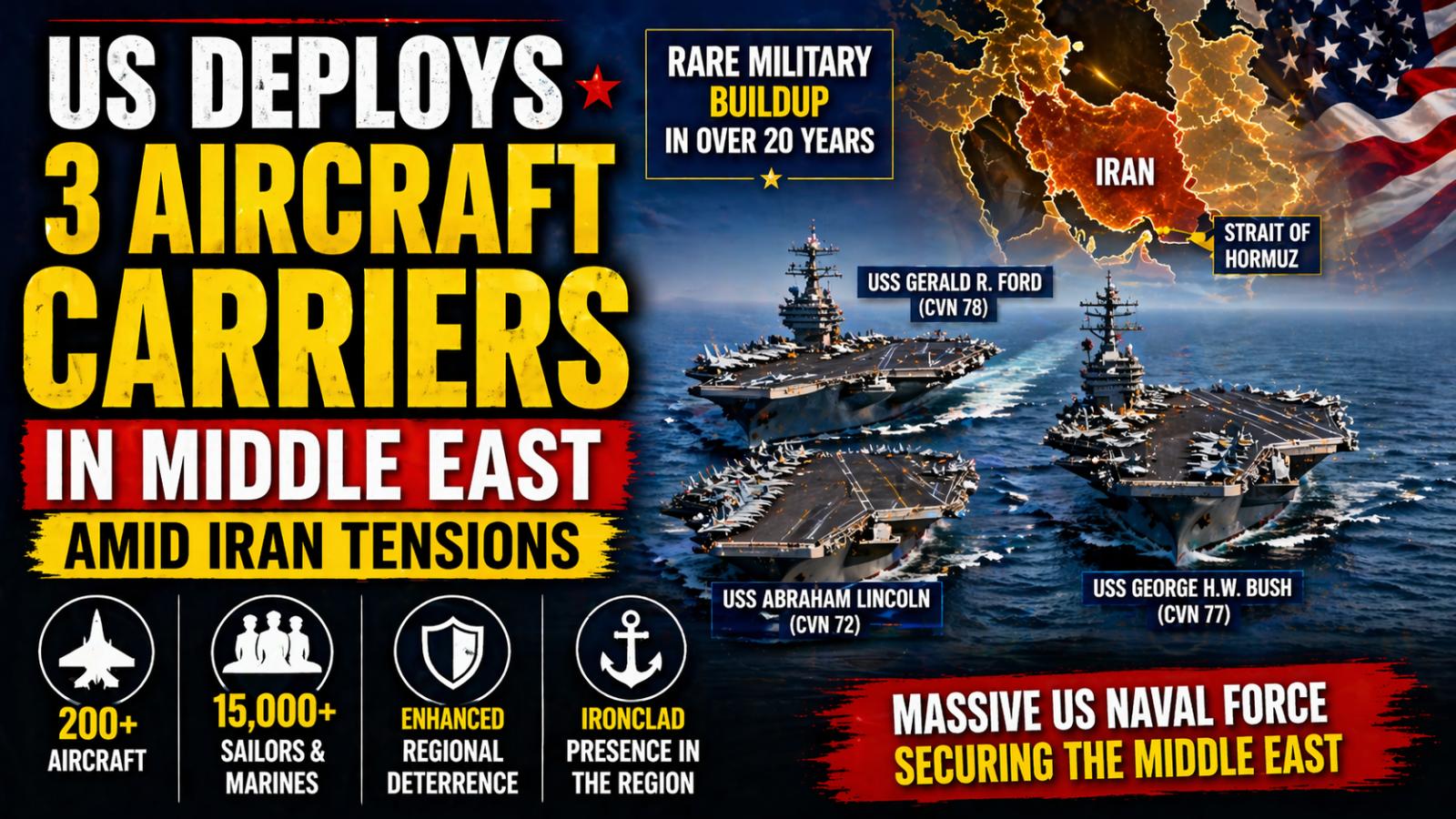
US deploys three aircraft carriers to the Middle East amid Iran tensions, expanding naval operations and reinforcing security in key maritime routes including the Strait of Hormuz. US deploys three aircraft carriers to Middle East amid Iran tensions as Washington significantly expands its military footprint across the region, marking one of the largest naval concentrations in more than two decades. Officials confirmed that three carrier strike groups—the USS Abraham Lincoln, USS Gerald R. Ford, and USS George H.W. Bush—are operating simultaneously, supported by more than 200 aircraft and approximately 15,000 sailors and Marines. A statement from US Central Command on Thursday confirmed the rare deployment, describing it as a significant concentration of naval power aimed at maintaining operational readiness amid rising tensions involving Iran. The carrier groups and their air wings are conducting coordinated missions, underscoring the strategic importance of key maritime routes in the Middle East and reinforcing a broader posture of deterrence. The announcement coincided with remarks from Donald Trump on Thursday, who declined to provide a timeline for a potential resolution to the Iran conflict. He indicated that any agreement would depend on conditions favorable to US interests, highlighting ongoing uncertainty surrounding diplomatic efforts. The absence of a clear timeline has aligned with increased military activity and messaging focused on regional stability. Defense officials stated on Friday that the US blockade of Iranian vessels in the Strait of Hormuz remains “ironclad,” with additional naval assets expected to join the operation in the coming days. The expanding mission signals a broader enforcement effort in one of the world’s most critical shipping corridors. The USS George H.W. Bush, commissioned in 2009, is among the newest Nimitz-class carriers involved, measuring nearly 1,000 feet in length and powered by two nuclear reactors, with the capacity to carry more than 80 aircraft and support a crew exceeding 5,500 personnel.
US deploys three aircraft carriers to Middle East amid Iran tensions
US deploys three aircraft carriers to the Middle East amid Iran tensions, expanding naval operations and reinforcing security in key maritime routes including the Strait of Hormuz. US deploys three aircraft carriers to Middle East amid Iran tensions as Washington significantly expands its military footprint across the region, marking one of the largest naval concentrations in more than two decades. Officials confirmed that three carrier strike groups—the USS Abraham Lincoln, USS Gerald R. Ford, and USS George H.W. Bush—are operating simultaneously, supported by more than 200 aircraft and approximately 15,000 sailors and Marines. A statement from US Central Command on Thursday confirmed the rare deployment, describing it as a significant concentration of naval power aimed at maintaining operational readiness amid rising tensions involving Iran. The carrier groups and their air wings are conducting coordinated missions, underscoring the strategic importance of key maritime routes in the Middle East and reinforcing a broader posture of deterrence. The announcement coincided with remarks from Donald Trump on Thursday, who declined to provide a timeline for a potential resolution to the Iran conflict. He indicated that any agreement would depend on conditions favorable to US interests, highlighting ongoing uncertainty surrounding diplomatic efforts. The absence of a clear timeline has aligned with increased military activity and messaging focused on regional stability. Defense officials stated on Friday that the US blockade of Iranian vessels in the Strait of Hormuz remains “ironclad,” with additional naval assets expected to join the operation in the coming days. The expanding mission signals a broader enforcement effort in one of the world’s most critical shipping corridors. The USS George H.W. Bush, commissioned in 2009, is among the newest Nimitz-class carriers involved, measuring nearly 1,000 feet in length and powered by two nuclear reactors, with the capacity to carry more than 80 aircraft and support a crew exceeding 5,500 personnel.
US President Says No Plans for Nuclear Strike on Iran
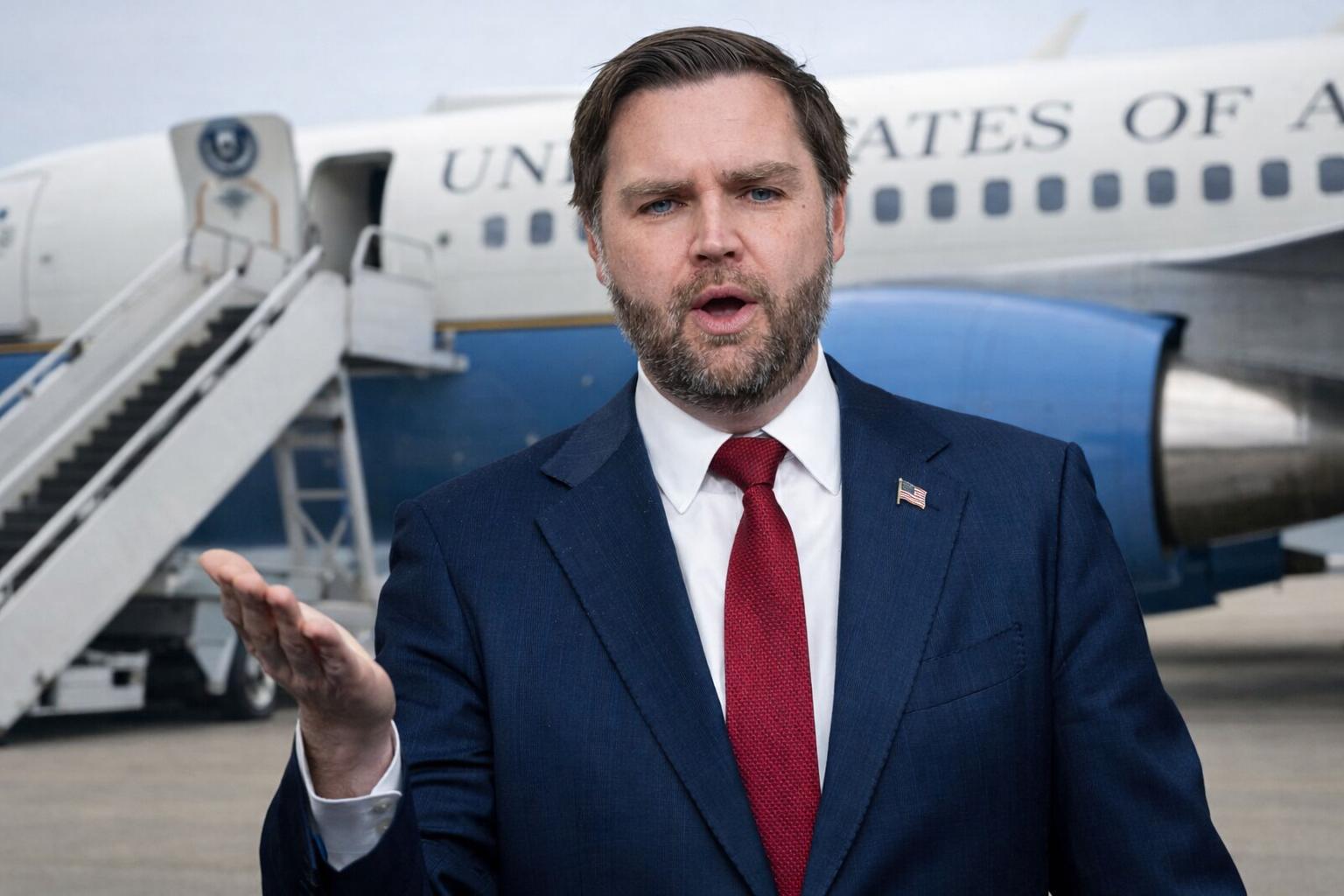
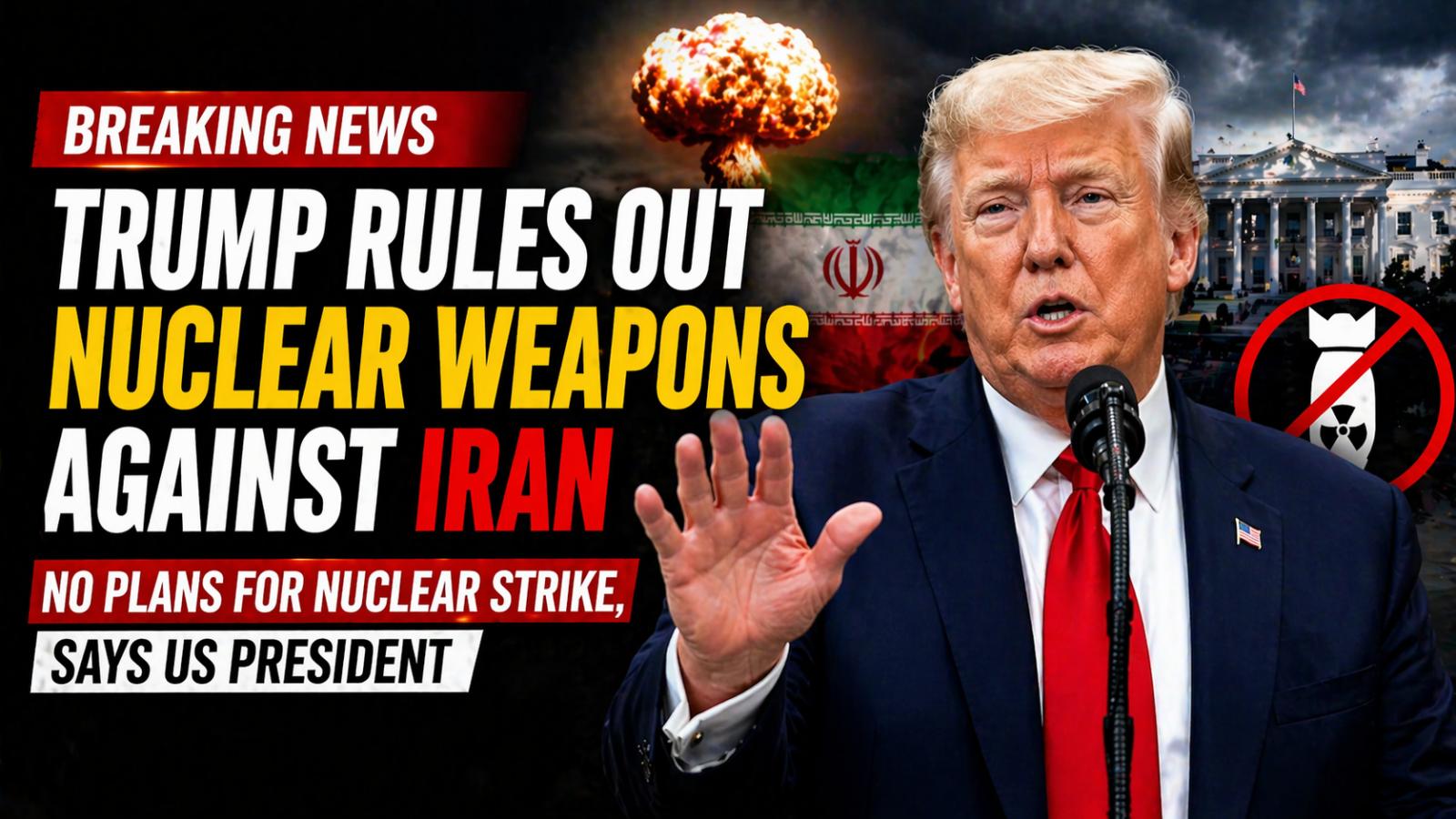
Donald Trump stated that the United States currently has no intention of using nuclear weapons against Iran, offering clarity on a key concern amid ongoing geopolitical tensions. Speaking to reporters at the White House, Trump emphasized that conventional military actions had already achieved significant results without the need for nuclear escalation. Addressing recent speculation, Trump said there was no justification for deploying nuclear weapons, noting that existing strategies had been effective. His remarks come after earlier statements that had drawn international attention, where strong rhetoric raised concerns about the potential use of extreme measures during the conflict that began earlier this year. The president reiterated that nuclear weapons should not be used by any nation, signaling a shift toward a more restrained public stance. At the same time, he underscored the administration’s objective of preventing Iran from developing nuclear capabilities that could pose a threat to regional and global security. Comments from senior officials have also contributed to the broader discussion. JD Vance had previously indicated that the United States was prepared to escalate its response if necessary, though the White House clarified that such remarks did not imply nuclear action. Trump’s latest statement appears to balance deterrence with reassurance, highlighting a focus on maintaining pressure through conventional means while avoiding the risks associated with nuclear engagement. As tensions persist, the administration continues to stress its commitment to preventing further escalation while safeguarding national interests and stability in the region.
US President Says No Plans for Nuclear Strike on Iran
Donald Trump stated that the United States currently has no intention of using nuclear weapons against Iran, offering clarity on a key concern amid ongoing geopolitical tensions. Speaking to reporters at the White House, Trump emphasized that conventional military actions had already achieved significant results without the need for nuclear escalation. Addressing recent speculation, Trump said there was no justification for deploying nuclear weapons, noting that existing strategies had been effective. His remarks come after earlier statements that had drawn international attention, where strong rhetoric raised concerns about the potential use of extreme measures during the conflict that began earlier this year. The president reiterated that nuclear weapons should not be used by any nation, signaling a shift toward a more restrained public stance. At the same time, he underscored the administration’s objective of preventing Iran from developing nuclear capabilities that could pose a threat to regional and global security. Comments from senior officials have also contributed to the broader discussion. JD Vance had previously indicated that the United States was prepared to escalate its response if necessary, though the White House clarified that such remarks did not imply nuclear action. Trump’s latest statement appears to balance deterrence with reassurance, highlighting a focus on maintaining pressure through conventional means while avoiding the risks associated with nuclear engagement. As tensions persist, the administration continues to stress its commitment to preventing further escalation while safeguarding national interests and stability in the region.
US Deploys Third Aircraft Carrier as Trump Signals No Urgency for Iran Deal
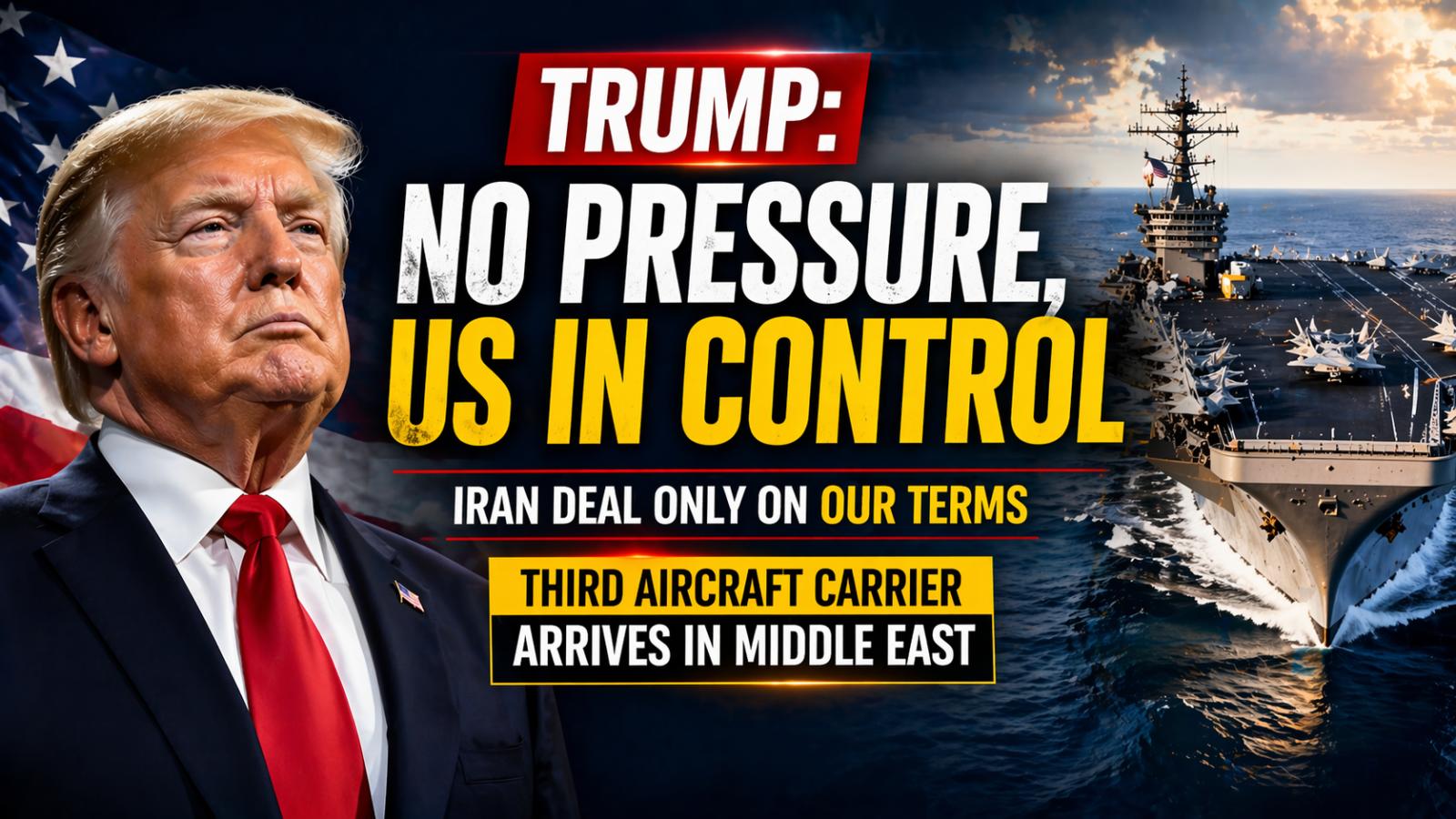
US President Donald Trump has dismissed speculation that Washington is under pressure to secure a deal with Iran, stating that the United States is in no rush to negotiate amid ongoing tensions. In a recent statement, Trump emphasized that while the US has the flexibility to wait, Iran faces increasing urgency as conditions evolve. He asserted that recent developments have significantly weakened Iran’s military capabilities, pointing to setbacks across its naval and air forces as well as the degradation of its defense systems. Trump also highlighted what he described as a tightening blockade, suggesting that the strategic balance currently favors the United States and its allies. He reiterated that any agreement would only move forward if it aligns with American interests and broader global stability, rejecting claims that his administration is eager to conclude talks quickly. At the same time, the US military has reinforced its presence in the region. United States Central Command confirmed the arrival of a third aircraft carrier, the USS George H.W. Bush, into its operational zone. The carrier is currently positioned in the Indian Ocean, joining the USS Abraham Lincoln in the Arabian Sea and the USS Gerald R. Ford in the Red Sea. The deployment marks a notable expansion of US naval strength in the Middle East during a fragile ceasefire period. The USS George H.W. Bush followed an unusual route, traveling around the Horn of Africa before entering the region, underscoring the strategic importance of its positioning. These developments reflect a continued emphasis on military readiness while diplomatic uncertainty persists, with Washington signaling that timing and terms of any agreement will remain firmly under its control.
US Deploys Third Aircraft Carrier as Trump Signals No Urgency for Iran Deal
US President Donald Trump has dismissed speculation that Washington is under pressure to secure a deal with Iran, stating that the United States is in no rush to negotiate amid ongoing tensions. In a recent statement, Trump emphasized that while the US has the flexibility to wait, Iran faces increasing urgency as conditions evolve. He asserted that recent developments have significantly weakened Iran’s military capabilities, pointing to setbacks across its naval and air forces as well as the degradation of its defense systems. Trump also highlighted what he described as a tightening blockade, suggesting that the strategic balance currently favors the United States and its allies. He reiterated that any agreement would only move forward if it aligns with American interests and broader global stability, rejecting claims that his administration is eager to conclude talks quickly. At the same time, the US military has reinforced its presence in the region. United States Central Command confirmed the arrival of a third aircraft carrier, the USS George H.W. Bush, into its operational zone. The carrier is currently positioned in the Indian Ocean, joining the USS Abraham Lincoln in the Arabian Sea and the USS Gerald R. Ford in the Red Sea. The deployment marks a notable expansion of US naval strength in the Middle East during a fragile ceasefire period. The USS George H.W. Bush followed an unusual route, traveling around the Horn of Africa before entering the region, underscoring the strategic importance of its positioning. These developments reflect a continued emphasis on military readiness while diplomatic uncertainty persists, with Washington signaling that timing and terms of any agreement will remain firmly under its control.
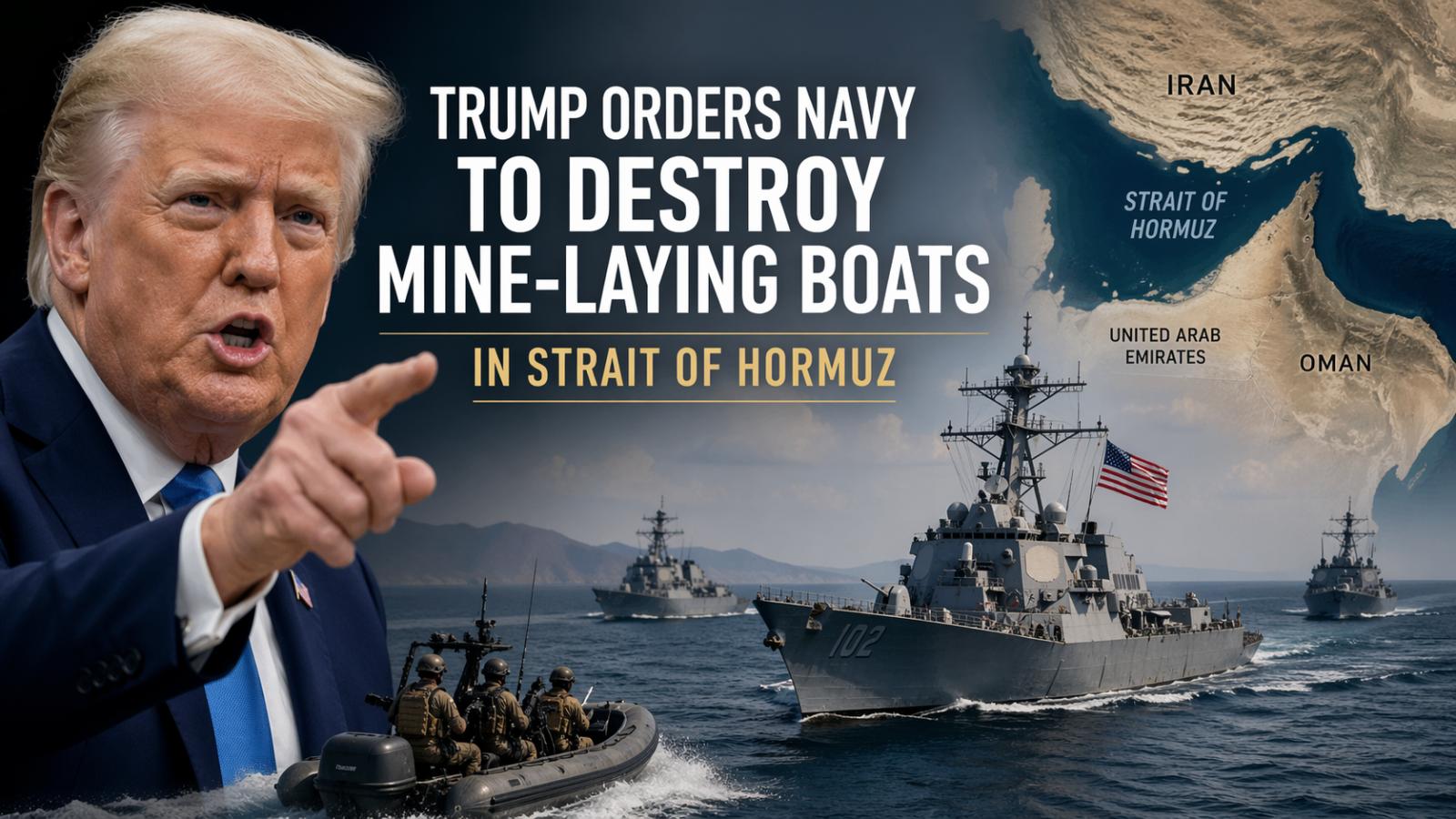
Trump orders Navy to destroy mine-laying boats in Strait of Hormuz
President Trump orders US Navy to target mine-laying boats in Strait of Hormuz, escalating Gulf tensions and raising concerns over maritime security and global oil shipping stability.
Trump orders Navy to destroy mine-laying boats in Strait of Hormuz
President Trump orders US Navy to target mine-laying boats in Strait of Hormuz, escalating Gulf tensions and raising concerns over maritime security and global oil shipping stability.
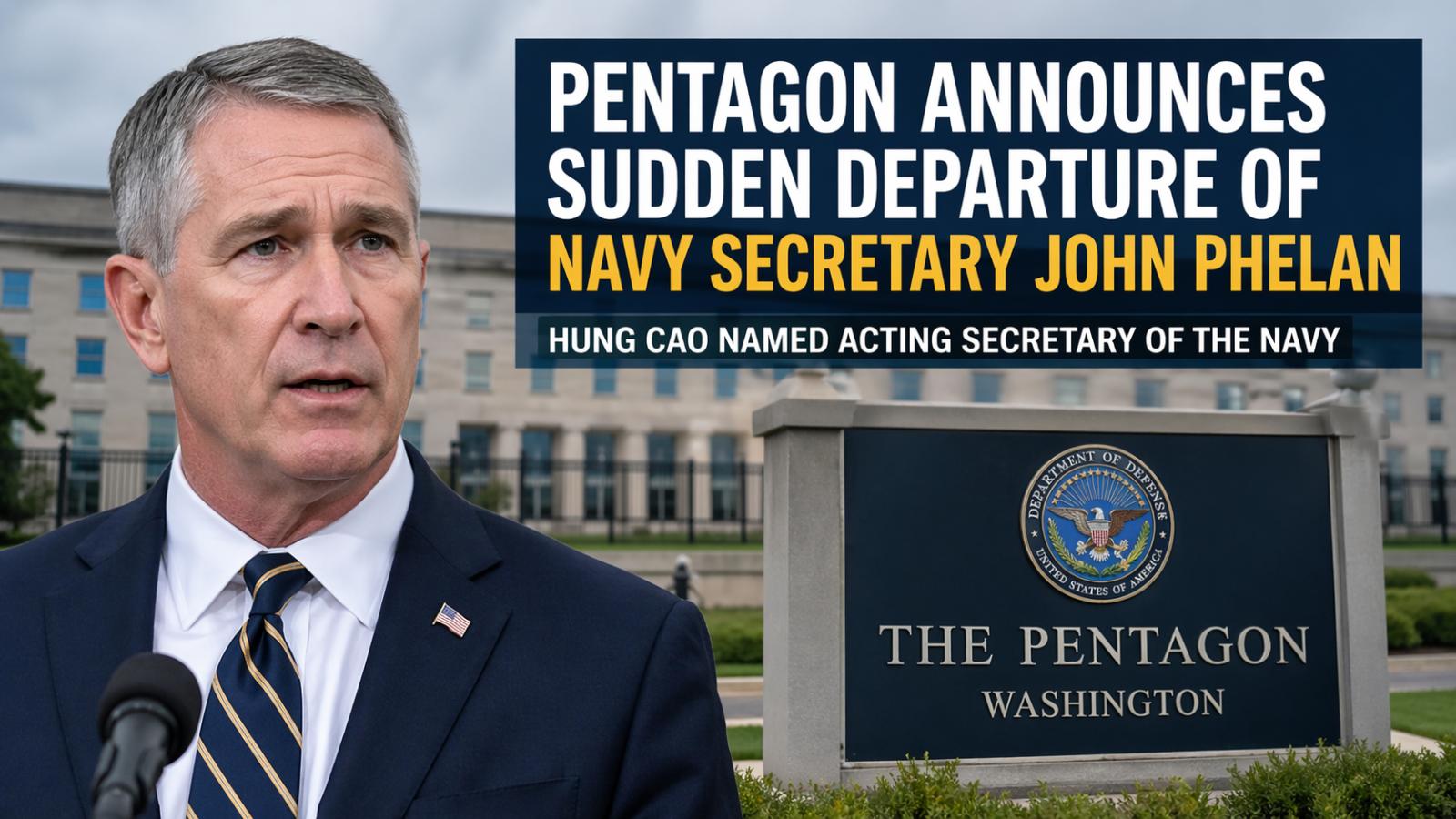
Pentagon announces sudden departure of Navy Secretary John Phelan
Pentagon confirms Navy Secretary John Phelan's sudden exit as Hung Cao becomes acting leader, signaling a major US defense leadership shift in Washington, DC. Pentagon announces sudden departure of Navy Secretary John Phelan as the Defense Department confirmed on Wednesday, April 23, 2026, that John Phelan is leaving his position effective immediately, marking a su
Pentagon announces sudden departure of Navy Secretary John Phelan
Pentagon confirms Navy Secretary John Phelan's sudden exit as Hung Cao becomes acting leader, signaling a major US defense leadership shift in Washington, DC. Pentagon announces sudden departure of Navy Secretary John Phelan as the Defense Department confirmed on Wednesday, April 23, 2026, that John Phelan is leaving his position effective immediately, marking a su
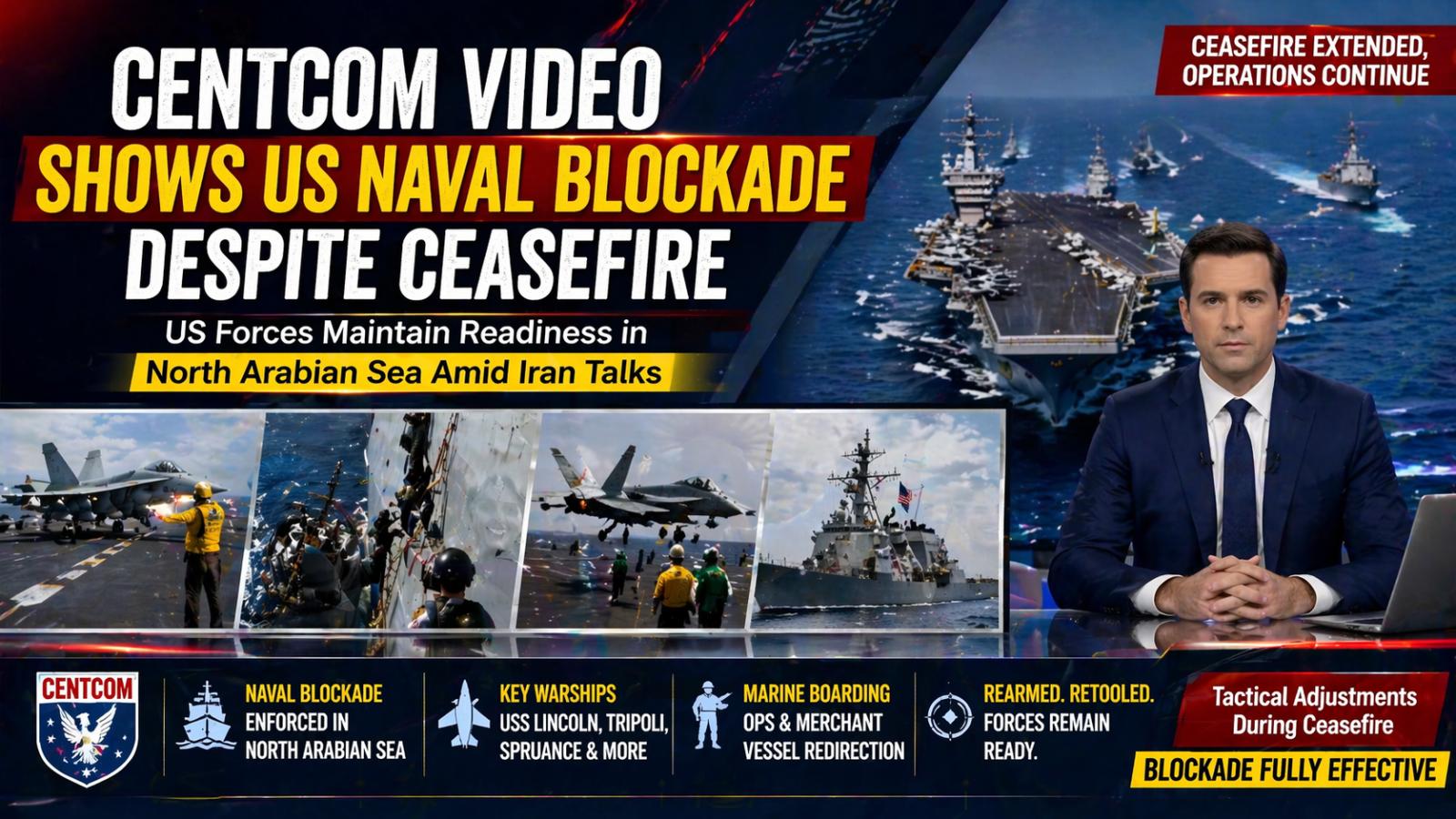
CENTCOM Highlights Military Preparedness Amid Iran Talks
A newly released video by United States Central Command (CENTCOM) has drawn attention to ongoing military operations in the North Arabian Sea, even as a ceasefire extension remains in place. The footage, shared shortly after an announcement by US President Donald Trump, emphasizes that American forces continue to maintain operational readiness and strategic positioning in the region.
CENTCOM Highlights Military Preparedness Amid Iran Talks
A newly released video by United States Central Command (CENTCOM) has drawn attention to ongoing military operations in the North Arabian Sea, even as a ceasefire extension remains in place. The footage, shared shortly after an announcement by US President Donald Trump, emphasizes that American forces continue to maintain operational readiness and strategic positioning in the region.
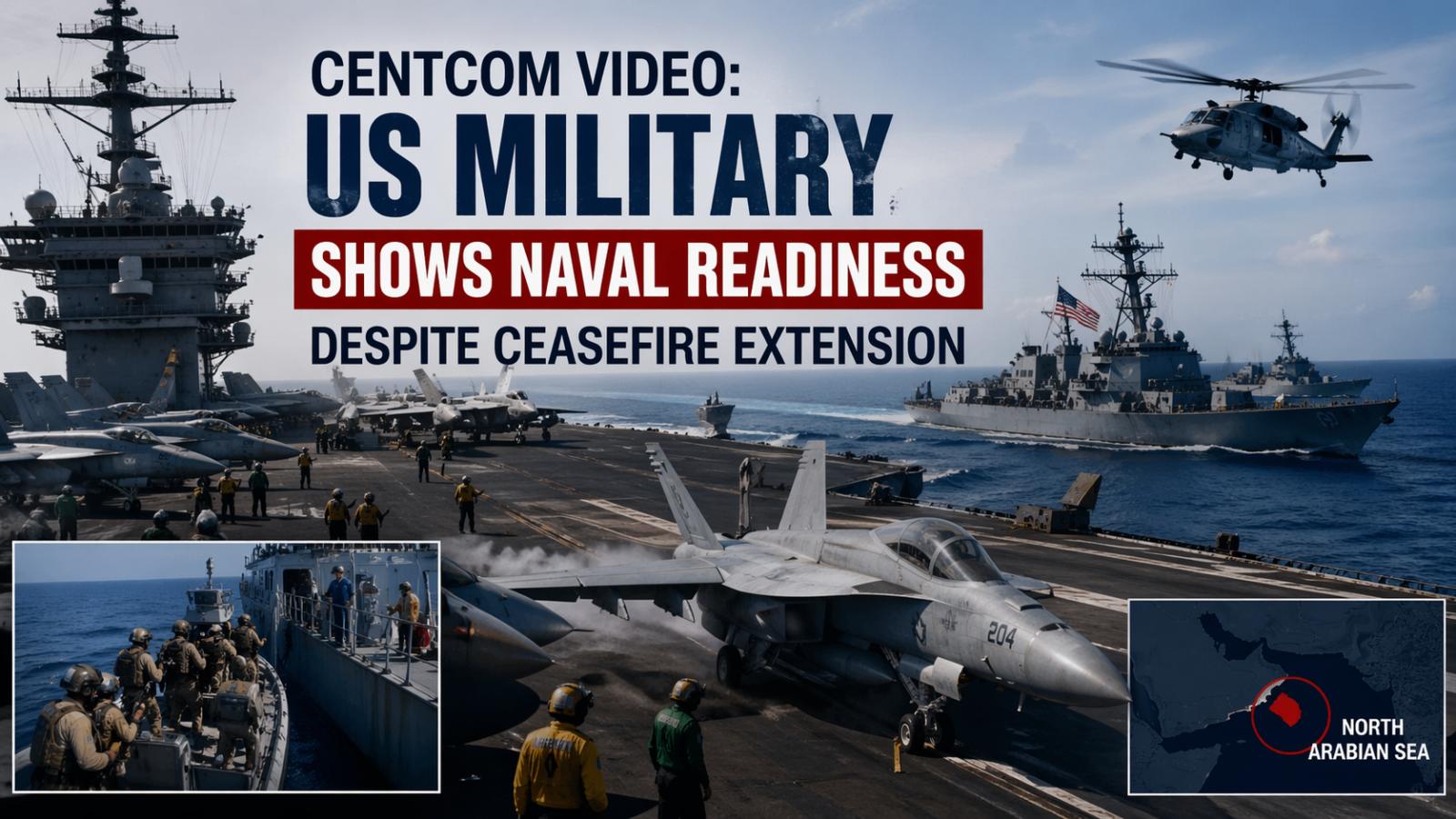
CENTCOM shows naval blockade operations in North Arabian Sea amid truce
A newly released video by United States Central Command highlights continued US military readiness and naval operations in the North Arabian Sea, even as a ceasefire extension remains in place. The footage, published shortly after Donald Trump announced an extension of the truce, underscores the United Sta
CENTCOM shows naval blockade operations in North Arabian Sea amid truce
A newly released video by United States Central Command highlights continued US military readiness and naval operations in the North Arabian Sea, even as a ceasefire extension remains in place. The footage, published shortly after Donald Trump announced an extension of the truce, underscores the United Sta
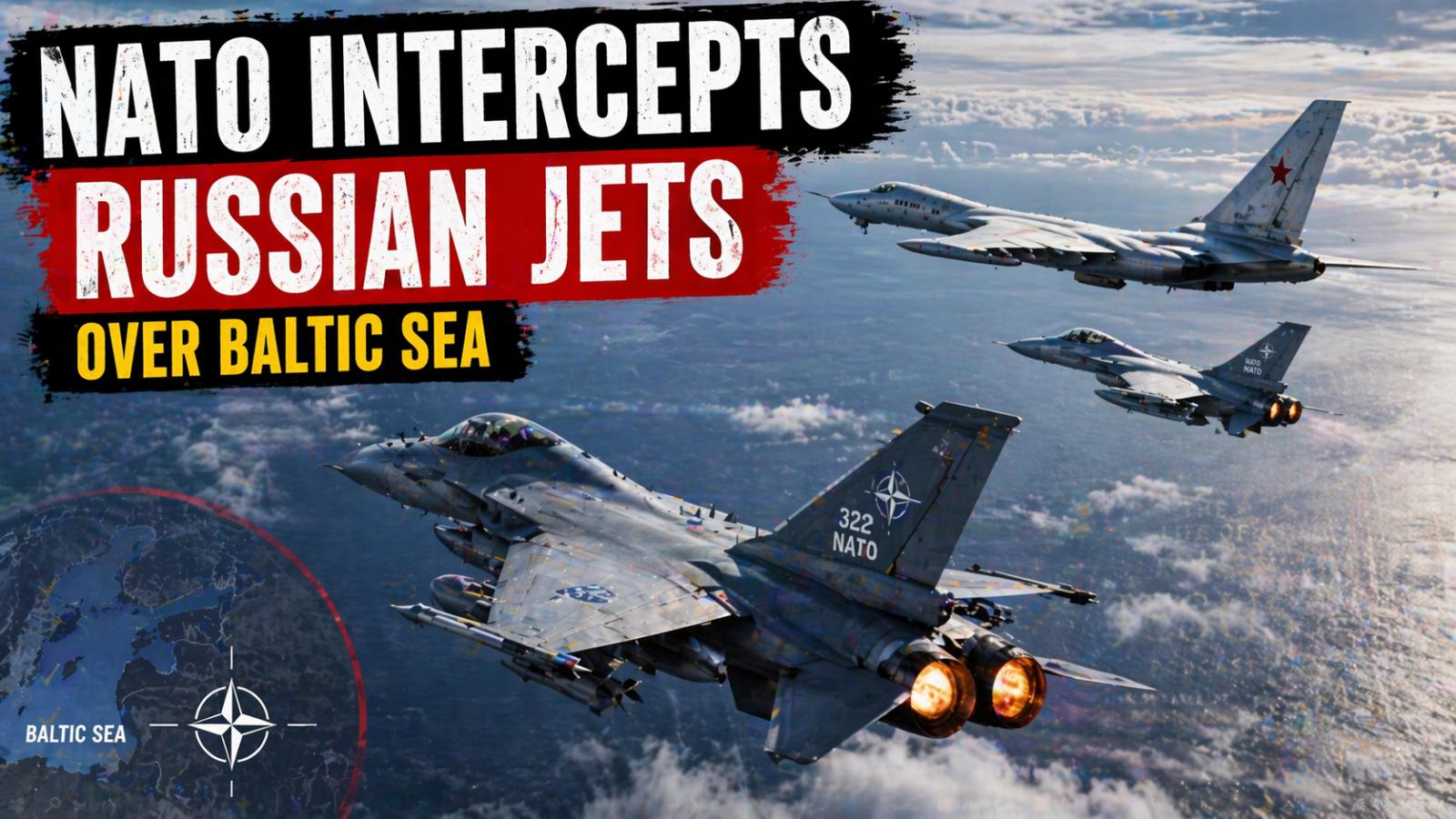
NATO intercepts Russian jets over Baltic Sea: What it means for rising tensions
The NATO intercept Russian jets Baltic Sea incident has once again highlighted rising military tensions in Europe. Fighter jets from multiple NATO nations were scrambled to monitor Russian aircraft, signaling a strong show of force along the alliance’s eastern flank. What happened and why it matters On April 22, 2026, NATO forces launched a coordinated
NATO intercepts Russian jets over Baltic Sea: What it means for rising tensions
The NATO intercept Russian jets Baltic Sea incident has once again highlighted rising military tensions in Europe. Fighter jets from multiple NATO nations were scrambled to monitor Russian aircraft, signaling a strong show of force along the alliance’s eastern flank. What happened and why it matters On April 22, 2026, NATO forces launched a coordinated
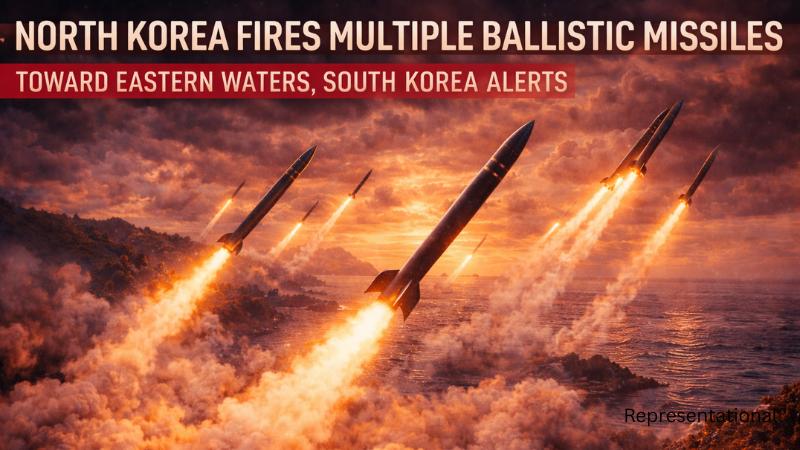
North Korea Fires Multiple Ballistic Missiles Toward Eastern Waters, South Korea Alerts
Tensions on the Korean Peninsula have escalated once again after North Korea launched multiple ballistic missiles toward its eastern waters, according to officials from South Korea. The launches, which were detected and tracked by South Korea’s military, have raised fresh concerns over regional security
North Korea Fires Multiple Ballistic Missiles Toward Eastern Waters, South Korea Alerts
Tensions on the Korean Peninsula have escalated once again after North Korea launched multiple ballistic missiles toward its eastern waters, according to officials from South Korea. The launches, which were detected and tracked by South Korea’s military, have raised fresh concerns over regional security
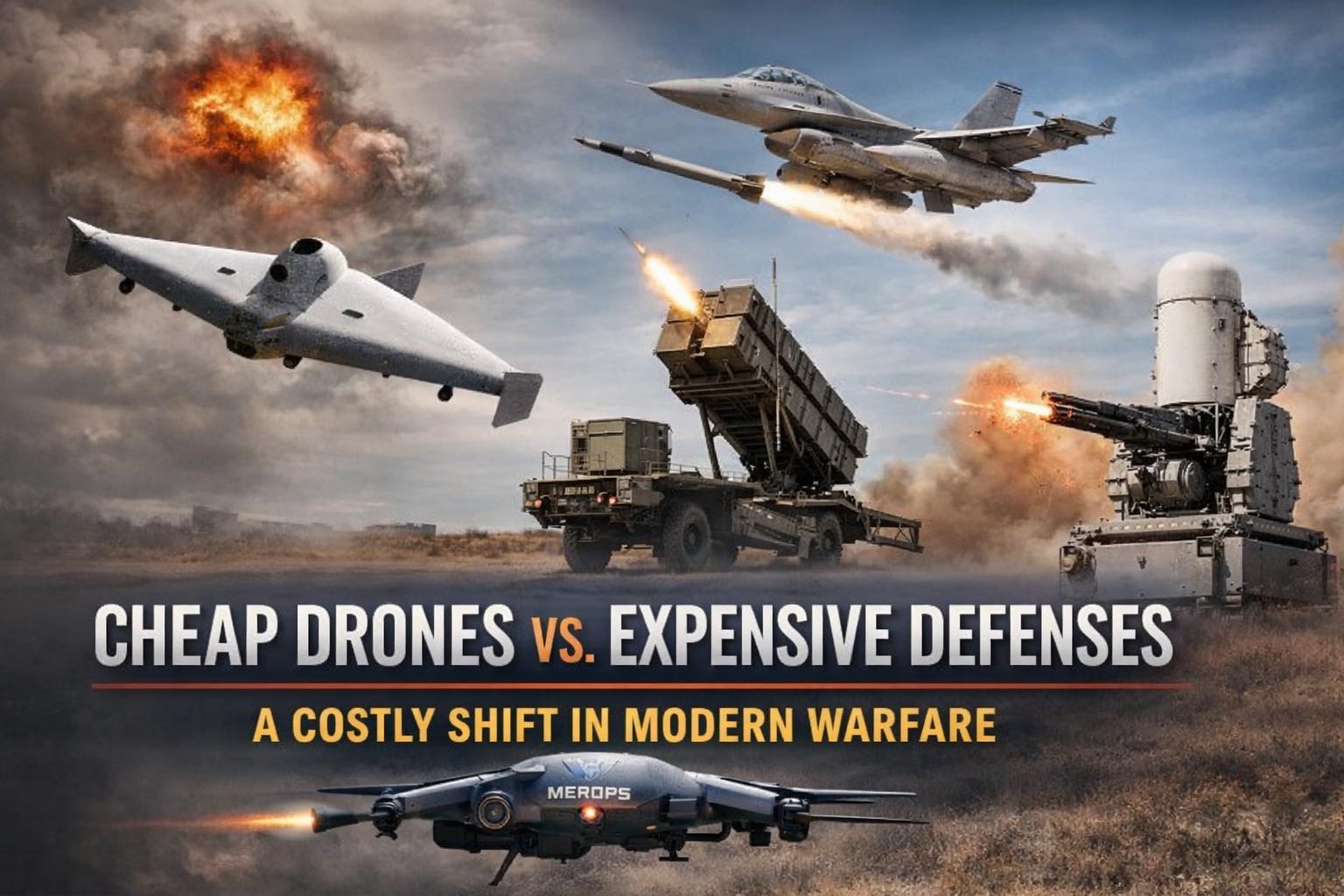
How Iran’s affordable drones are challenging America’s expensive interceptors
One of the most striking lessons from the war with Iran is how a relatively low-cost adversary has exposed vulnerabilities in U.S. defense strategy. Iran has demonstrated both a willingness to go on the offensive and an ability to leverage inexpensive drone technology at scale. These drones, often built with commercial-grade components, cost roughly $35,000 each—far less than the high-end interceptors used to destroy them. This imbalance has forced the United States and its allies to confront a new reality: modern warfare is no longer dominated solely by precision and sophistication, but also by affordability and volume. Cheap drones had already reshaped the battlefield in Ukraine, and Iran has now applied similar tactics in the Middle East, exploiting a long-standing gap in U.S. defense investments that favored fewer, more expensive systems over scalable solutions. Why are U.S. defenses struggling with cost efficiency? Because interceptors far exceed drone prices The financial mismatch is stark. In just the first six days of the conflict, the U.S. spent $11.3 billion, with estimates later rising to between $25 billion and $35 billion. A significant portion of that cost comes from interceptor missiles used to shoot down relatively inexpensive drones. Despite years of Pentagon focus on counter-drone capabilities, experts like Michael C. Horowitz note that there has been little urgency to scale affordable solutions. The result is a defense strategy where each engagement can cost far more than the threat itself—an unsustainable model in prolonged conflicts. How do air-based defenses work against drones? By using early detection and precision strikes—when available In an ideal scenario, airborne early warning systems detect drones hundreds of miles away. Fighter jets such as the F-16 Fighting Falcon are then deployed to intercept them using relatively cheaper rocket systems like APKWS II. This method is among the most cost-efficient, but it depends heavily on maintaining constant air patrols and intact detection systems. Iran has targeted these early warning assets, limiting their effectiveness and reducing the availability of this optimal defense approach. What role do ground and naval systems play? They offer range and reliability but at a steep price When air defenses are unavailable, the U.S. relies on ground- and sea-based systems. These include: Short-range systems like the Coyote, designed specifically for drones and relatively cost-effective—but in short supply. Naval destroyers using radar and SM-2 interceptors, which are powerful but expensive and designed for larger threats. The Patriot missile system, capable of intercepting drones from long distances using costly PAC-3 missiles. These systems were originally built to counter high-end threats like ballistic missiles, not swarms of cheap drones. As a result, they are often overkill—both technologically and financially—for the task at hand. Still, their use can be justified when defending high-value assets, such as billion-dollar radar installations or critical military infrastructure. What are the emerging solutions to counter drones? AI interceptors and lasers show promise but remain unproven New approaches aim to fix the cost imbalance. AI-powered interceptor drones, such as the Merops system developed by a company founded by Eric Schmidt, represent a potential shift toward cheaper, scalable defenses. These systems have been tested in collaboration with Ukrainian forces experienced in countering Iranian drones. The U.S. has already sent thousands of these units to the Middle East and begun training troops, though it remains unclear whether they have been deployed in combat. Meanwhile, the Pentagon has invested heavily in directed energy weapons—lasers that could cost as little as $3 per shot and reach targets up to 12 miles away. However, these systems have yet to be fielded in real-world combat. Why is ammunition depletion a growing concern? Because stockpiles may run out faster than they can be replaced Beyond cost, a more immediate concern is supply. Experts warn that interceptor stockpiles are being depleted at an alarming rate. As Tom Karako explains, the issue is not just affordability but availability: the U.S. risks running out of munitions before it can replenish them. This highlights a deeper strategic challenge. Modern conflicts—defined by mass-produced, low-cost threats—require not just advanced technology, but also sustainable production and scalable defense systems.
How Iran’s affordable drones are challenging America’s expensive interceptors
One of the most striking lessons from the war with Iran is how a relatively low-cost adversary has exposed vulnerabilities in U.S. defense strategy. Iran has demonstrated both a willingness to go on the offensive and an ability to leverage inexpensive drone technology at scale. These drones, often built with commercial-grade components, cost roughly $35,000 each—far less than the high-end interceptors used to destroy them. This imbalance has forced the United States and its allies to confront a new reality: modern warfare is no longer dominated solely by precision and sophistication, but also by affordability and volume. Cheap drones had already reshaped the battlefield in Ukraine, and Iran has now applied similar tactics in the Middle East, exploiting a long-standing gap in U.S. defense investments that favored fewer, more expensive systems over scalable solutions. Why are U.S. defenses struggling with cost efficiency? Because interceptors far exceed drone prices The financial mismatch is stark. In just the first six days of the conflict, the U.S. spent $11.3 billion, with estimates later rising to between $25 billion and $35 billion. A significant portion of that cost comes from interceptor missiles used to shoot down relatively inexpensive drones. Despite years of Pentagon focus on counter-drone capabilities, experts like Michael C. Horowitz note that there has been little urgency to scale affordable solutions. The result is a defense strategy where each engagement can cost far more than the threat itself—an unsustainable model in prolonged conflicts. How do air-based defenses work against drones? By using early detection and precision strikes—when available In an ideal scenario, airborne early warning systems detect drones hundreds of miles away. Fighter jets such as the F-16 Fighting Falcon are then deployed to intercept them using relatively cheaper rocket systems like APKWS II. This method is among the most cost-efficient, but it depends heavily on maintaining constant air patrols and intact detection systems. Iran has targeted these early warning assets, limiting their effectiveness and reducing the availability of this optimal defense approach. What role do ground and naval systems play? They offer range and reliability but at a steep price When air defenses are unavailable, the U.S. relies on ground- and sea-based systems. These include: Short-range systems like the Coyote, designed specifically for drones and relatively cost-effective—but in short supply. Naval destroyers using radar and SM-2 interceptors, which are powerful but expensive and designed for larger threats. The Patriot missile system, capable of intercepting drones from long distances using costly PAC-3 missiles. These systems were originally built to counter high-end threats like ballistic missiles, not swarms of cheap drones. As a result, they are often overkill—both technologically and financially—for the task at hand. Still, their use can be justified when defending high-value assets, such as billion-dollar radar installations or critical military infrastructure. What are the emerging solutions to counter drones? AI interceptors and lasers show promise but remain unproven New approaches aim to fix the cost imbalance. AI-powered interceptor drones, such as the Merops system developed by a company founded by Eric Schmidt, represent a potential shift toward cheaper, scalable defenses. These systems have been tested in collaboration with Ukrainian forces experienced in countering Iranian drones. The U.S. has already sent thousands of these units to the Middle East and begun training troops, though it remains unclear whether they have been deployed in combat. Meanwhile, the Pentagon has invested heavily in directed energy weapons—lasers that could cost as little as $3 per shot and reach targets up to 12 miles away. However, these systems have yet to be fielded in real-world combat. Why is ammunition depletion a growing concern? Because stockpiles may run out faster than they can be replaced Beyond cost, a more immediate concern is supply. Experts warn that interceptor stockpiles are being depleted at an alarming rate. As Tom Karako explains, the issue is not just affordability but availability: the U.S. risks running out of munitions before it can replenish them. This highlights a deeper strategic challenge. Modern conflicts—defined by mass-produced, low-cost threats—require not just advanced technology, but also sustainable production and scalable defense systems.
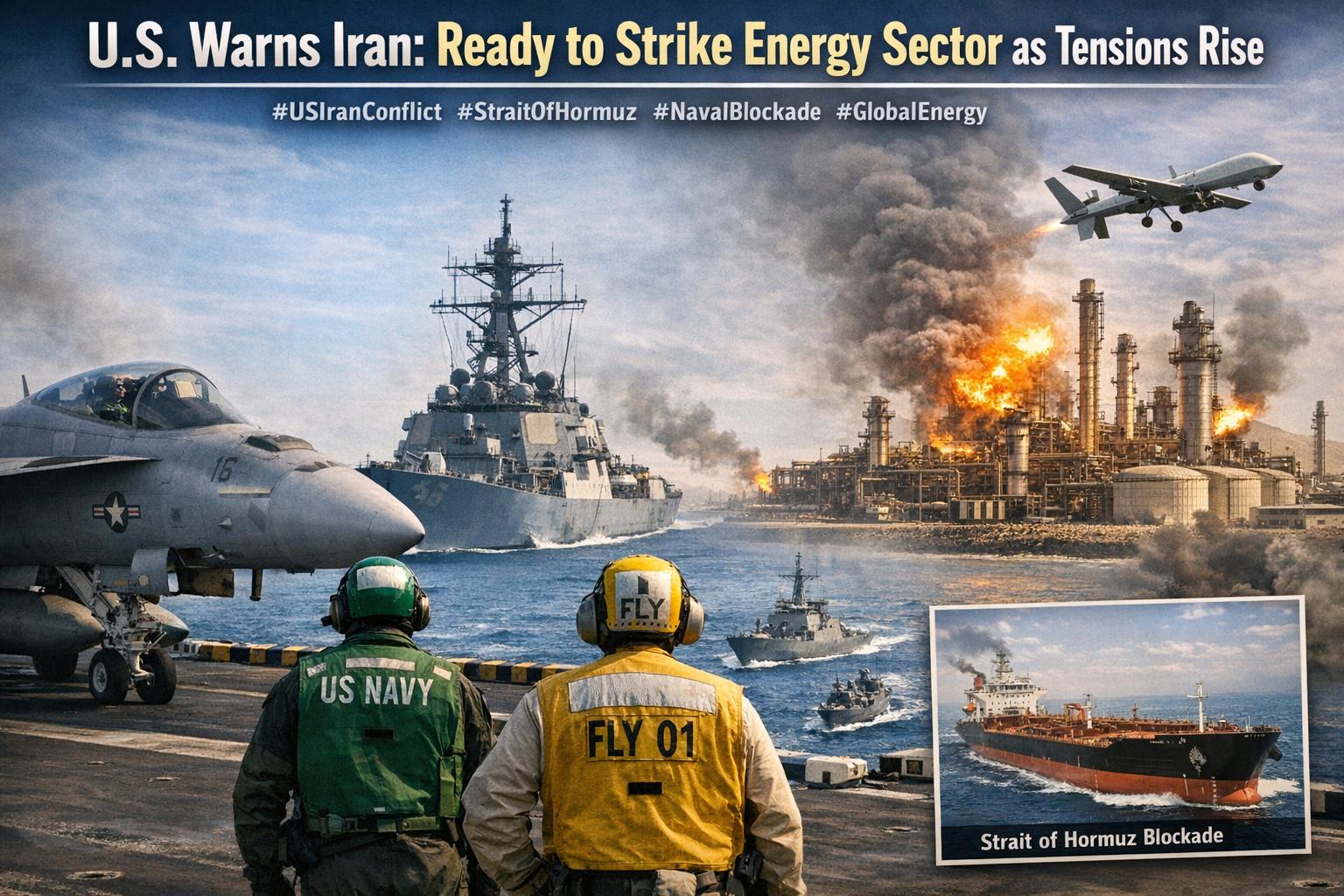
US signals readiness to strike Iran energy sector amid ceasefire tensions
WASHINGTON — The United States signaled a heightened military posture toward Iran on Thursday, April 16, 2026, as senior defense officials warned that U.S. forces are prepared to strike Iran’s energy infrastructure if directed by the president. Speaking in Washington, Defense Secretary Pete Hegseth said current U.S. actions, including a naval blockade, reflect what he described as restrained measures during an ongoing ceasefire period. He emphasized that Iran faces critical decisi
US signals readiness to strike Iran energy sector amid ceasefire tensions
WASHINGTON — The United States signaled a heightened military posture toward Iran on Thursday, April 16, 2026, as senior defense officials warned that U.S. forces are prepared to strike Iran’s energy infrastructure if directed by the president. Speaking in Washington, Defense Secretary Pete Hegseth said current U.S. actions, including a naval blockade, reflect what he described as restrained measures during an ongoing ceasefire period. He emphasized that Iran faces critical decisi

Russia signals unlimited energy supply to India, ambassador says
Russia has signaled its readiness to expand energy exports to India, reinforcing a long-standing strategic partnership that continues to evolve across multiple sectors. In remarks made during a recent interaction, Russian Ambassador to India Denis Alipov emphasized Moscow’s willingness to supply “as much energy as India wants,” underscoring the central role of energy cooperation in bilateral ties. Alipov also pointed to upcoming high-level engagements that are expected to furthe
Russia signals unlimited energy supply to India, ambassador says
Russia has signaled its readiness to expand energy exports to India, reinforcing a long-standing strategic partnership that continues to evolve across multiple sectors. In remarks made during a recent interaction, Russian Ambassador to India Denis Alipov emphasized Moscow’s willingness to supply “as much energy as India wants,” underscoring the central role of energy cooperation in bilateral ties. Alipov also pointed to upcoming high-level engagements that are expected to furthe
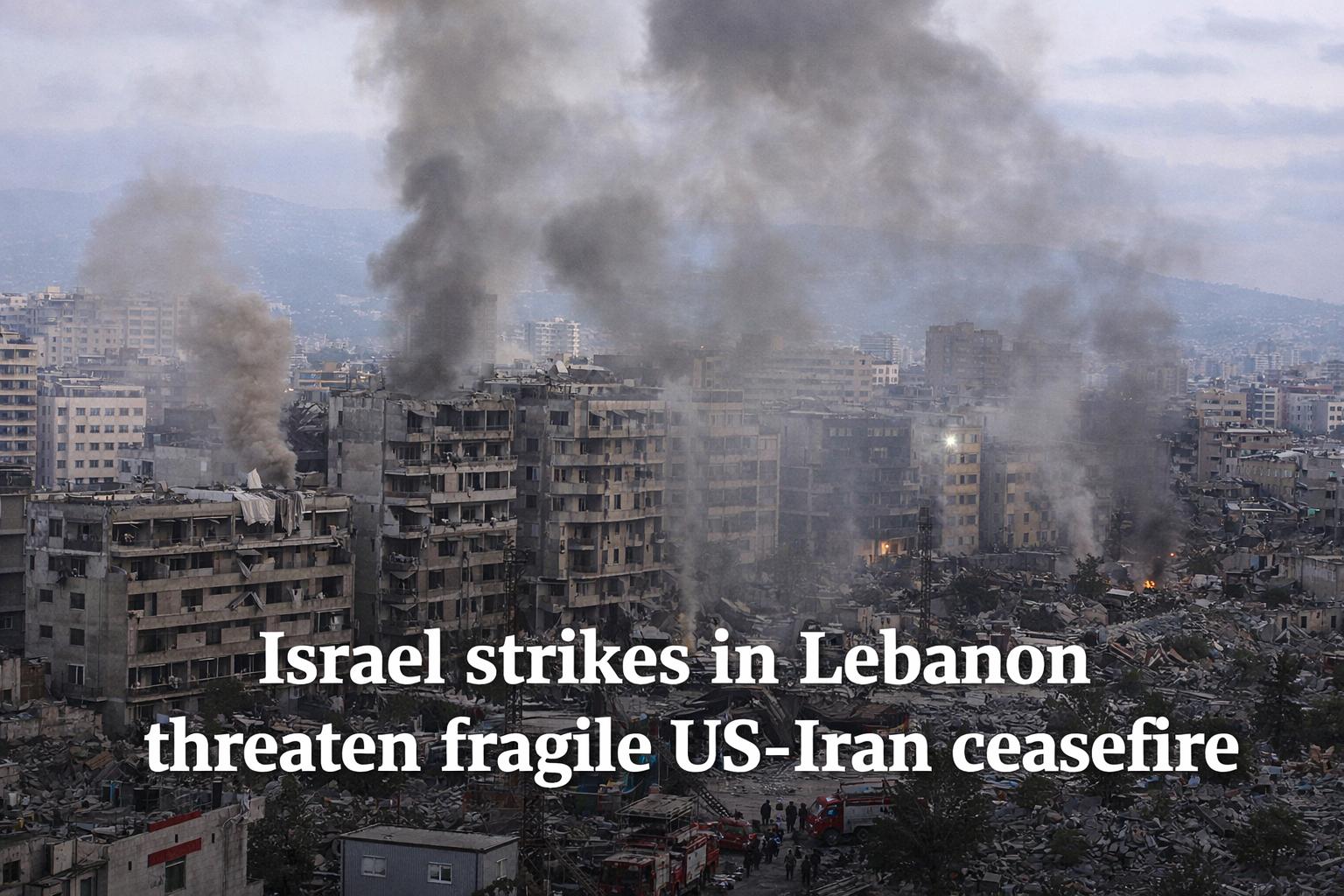
Israel strikes in Lebanon threaten fragile US-Iran ceasefire
Israel’s intensified military campaign in Lebanon is raising concerns about the stability of a fragile ceasefire between the United States and Iran, with both sides disputing whether Lebanon was included in the agreement. Iranian officials argue that Israeli strikes violate the truce, while U.S. and Israeli authorities maintain the deal does not extend to Lebanon. The disagreement comes as Israeli airstrikes across Lebanon, including Beirut, caused widespread destruction and signi
Israel strikes in Lebanon threaten fragile US-Iran ceasefire
Israel’s intensified military campaign in Lebanon is raising concerns about the stability of a fragile ceasefire between the United States and Iran, with both sides disputing whether Lebanon was included in the agreement. Iranian officials argue that Israeli strikes violate the truce, while U.S. and Israeli authorities maintain the deal does not extend to Lebanon. The disagreement comes as Israeli airstrikes across Lebanon, including Beirut, caused widespread destruction and signi
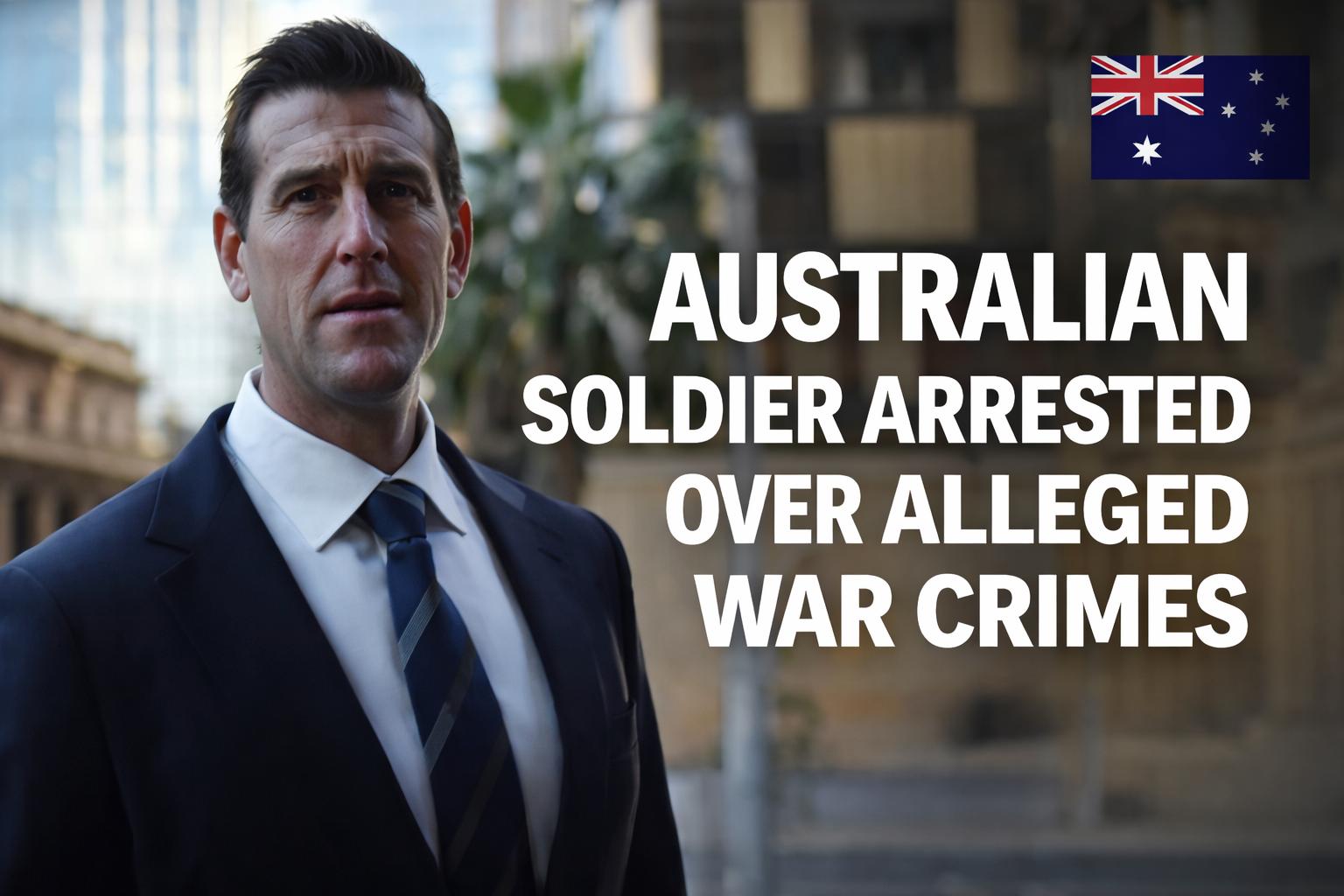
Australian soldier Ben Roberts-Smith arrested over alleged war crimes
A former member of Australia’s armed forces, widely recognized for his military honors, has been arrested and is expected to face multiple war crime charges tied to alleged killings in Afghanistan. Authorities confirmed the arrest took place at Sydney Airport on Tuesday, though an exact date and time were not disclosed. The individual, identified by police as a 47-year-old former Australian Defence Force member and publicly named as Ben Roberts-Smith, is set to be charged with fiv
Australian soldier Ben Roberts-Smith arrested over alleged war crimes
A former member of Australia’s armed forces, widely recognized for his military honors, has been arrested and is expected to face multiple war crime charges tied to alleged killings in Afghanistan. Authorities confirmed the arrest took place at Sydney Airport on Tuesday, though an exact date and time were not disclosed. The individual, identified by police as a 47-year-old former Australian Defence Force member and publicly named as Ben Roberts-Smith, is set to be charged with fiv
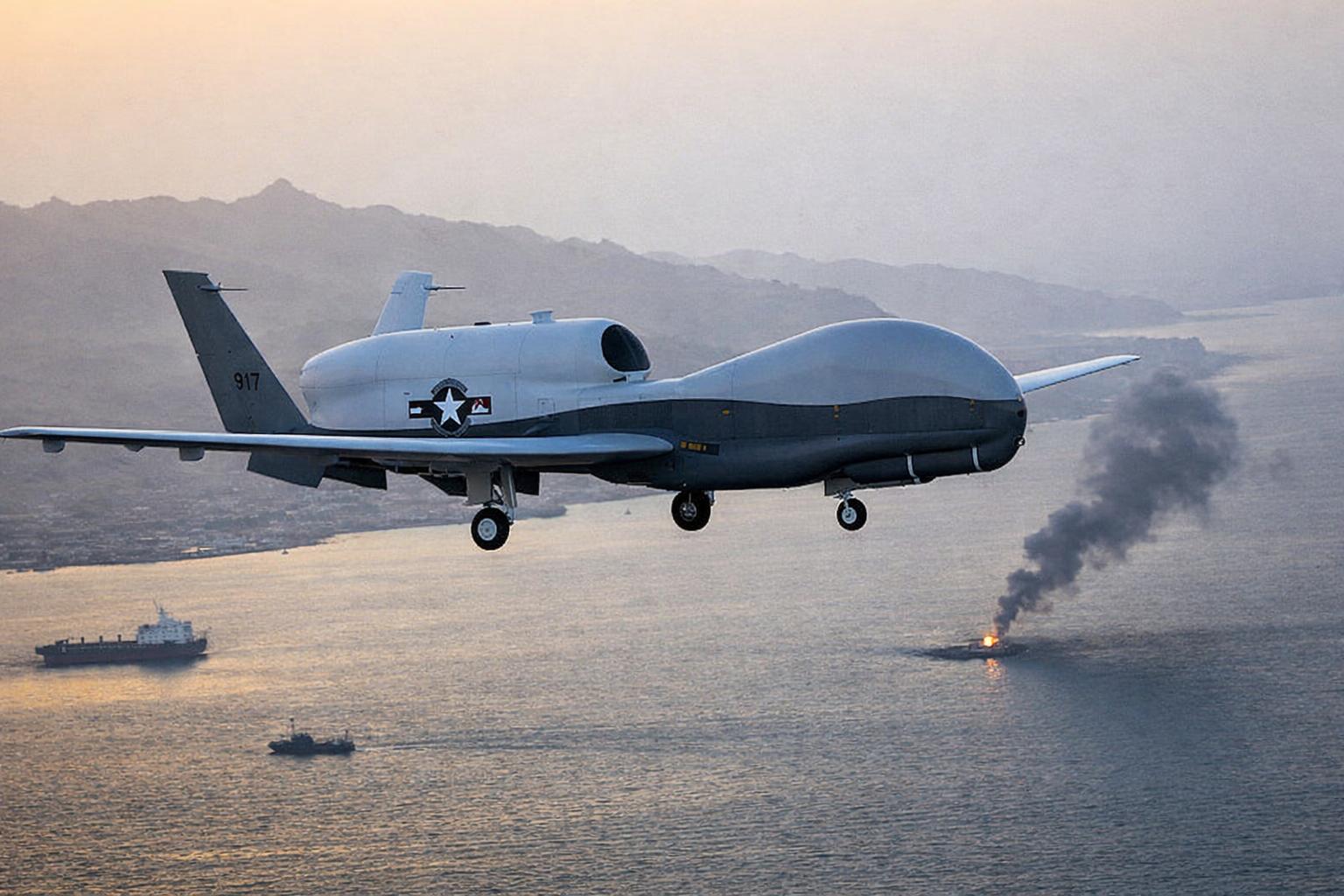
US Navy MQ-4C Triton drone disappears over Strait of Hormuz after emergency
A U.S. Navy MQ-4C Triton surveillance drone disappeared over the Strait of Hormuz after declaring an in-flight emergency on Thursday, April 9, raising uncertainty about its fate amid ongoing regional tensions involving Iran and key maritime routes. Flight tracking data from Flightradar24 indicates the unmanned aircraft had been conducting surveillance operations over the Persian Gulf for nearly three hours before beginning its return to Naval Air Station Sigonella in Italy. During its
US Navy MQ-4C Triton drone disappears over Strait of Hormuz after emergency
A U.S. Navy MQ-4C Triton surveillance drone disappeared over the Strait of Hormuz after declaring an in-flight emergency on Thursday, April 9, raising uncertainty about its fate amid ongoing regional tensions involving Iran and key maritime routes. Flight tracking data from Flightradar24 indicates the unmanned aircraft had been conducting surveillance operations over the Persian Gulf for nearly three hours before beginning its return to Naval Air Station Sigonella in Italy. During its
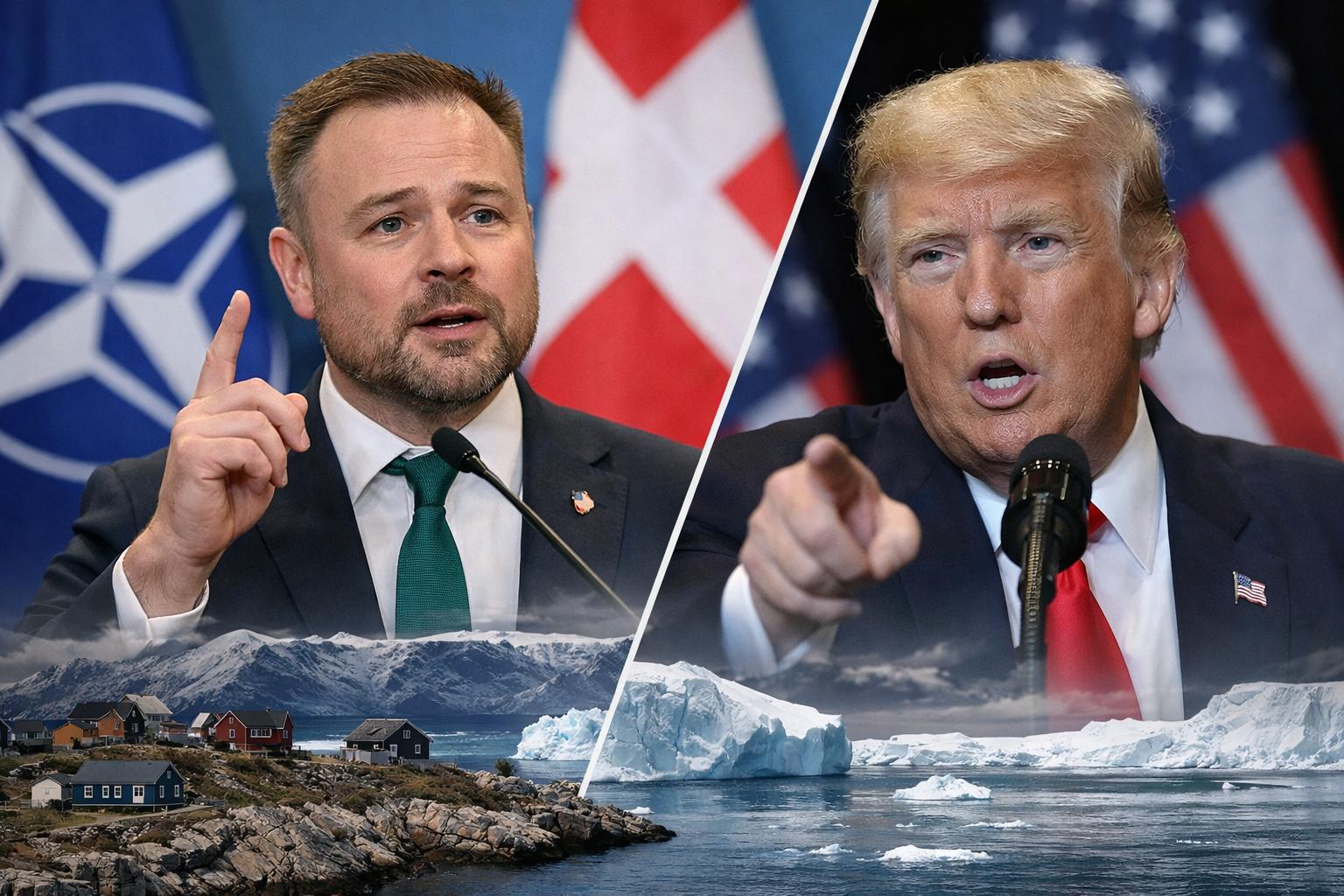
Greenland rejects Trump comments, calls for NATO support on international law
Greenland’s Prime Minister Jens-Frederik Nielsen called on allies within NATO to stand united in defense of international law following renewed remarks by U.S. President Donald Trump regarding the Arctic island. Speaking on Thursday, Nielsen emphasized the importance of maintaining global alliances and post-war geopolitical norms amid rising tensions. The statement followed Trump’s criticism of NATO’s role in recent international conflicts, including its perceived lack of support during U.S. military actions involving Iran. In a social media post, Trump expressed frustration with the alliance and referenced Greenland in dismissive terms, prompting a swift response from Greenland’s leadership. Nielsen rejected the characterization, stating that Greenland is “not some piece of ice,” but a community of approximately 57,000 people committed to international cooperation and respect for allies. He stressed that institutions such as NATO and established international law are increasingly under pressure and require collective defense from member nations. Concerns about U.S. intentions toward Greenland have persisted since earlier in the year, when Trump renewed interest in asserting control over the island, which is an autonomous territory within the Kingdom of Denmark. In January, U.S. officials signaled that military options had not been ruled out, prompting European allies, including Germany and France, to deploy limited forces to Greenland as a precautionary measure. Subsequent discussions between Trump and NATO Secretary General Mark Rutte led to a shift toward diplomatic engagement. Ongoing talks between Greenland, Denmark, and the United States began in late January and continue, with further meetings expected. The United States maintains a military presence in Greenland under a 1951 agreement and has the option to expand operations. Trump and his supporters argue that control of Greenland is strategically important to counter growing influence from Russia and China in the Arctic region. Despite ongoing negotiations, Nielsen indicated skepticism about U.S. intentions, stating that he does not believe the possibility of U.S. control over Greenland has been removed from consideration. He reiterated that any future cooperation must respect Greenland’s autonomy and align with international law.
Greenland rejects Trump comments, calls for NATO support on international law
Greenland’s Prime Minister Jens-Frederik Nielsen called on allies within NATO to stand united in defense of international law following renewed remarks by U.S. President Donald Trump regarding the Arctic island. Speaking on Thursday, Nielsen emphasized the importance of maintaining global alliances and post-war geopolitical norms amid rising tensions. The statement followed Trump’s criticism of NATO’s role in recent international conflicts, including its perceived lack of support during U.S. military actions involving Iran. In a social media post, Trump expressed frustration with the alliance and referenced Greenland in dismissive terms, prompting a swift response from Greenland’s leadership. Nielsen rejected the characterization, stating that Greenland is “not some piece of ice,” but a community of approximately 57,000 people committed to international cooperation and respect for allies. He stressed that institutions such as NATO and established international law are increasingly under pressure and require collective defense from member nations. Concerns about U.S. intentions toward Greenland have persisted since earlier in the year, when Trump renewed interest in asserting control over the island, which is an autonomous territory within the Kingdom of Denmark. In January, U.S. officials signaled that military options had not been ruled out, prompting European allies, including Germany and France, to deploy limited forces to Greenland as a precautionary measure. Subsequent discussions between Trump and NATO Secretary General Mark Rutte led to a shift toward diplomatic engagement. Ongoing talks between Greenland, Denmark, and the United States began in late January and continue, with further meetings expected. The United States maintains a military presence in Greenland under a 1951 agreement and has the option to expand operations. Trump and his supporters argue that control of Greenland is strategically important to counter growing influence from Russia and China in the Arctic region. Despite ongoing negotiations, Nielsen indicated skepticism about U.S. intentions, stating that he does not believe the possibility of U.S. control over Greenland has been removed from consideration. He reiterated that any future cooperation must respect Greenland’s autonomy and align with international law.
Trump vows action against media after Iran rescue leak controversy
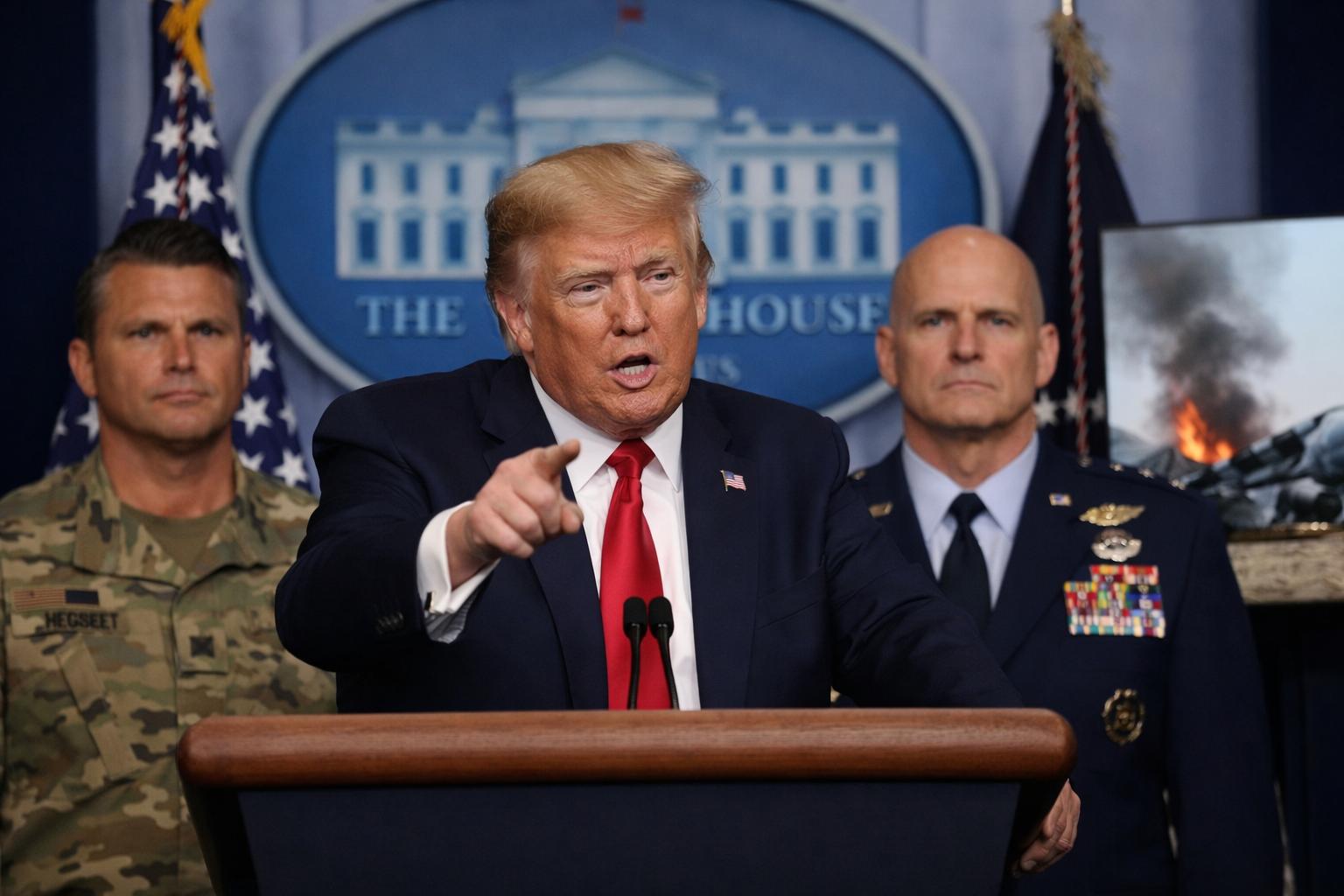
President Donald Trump said he would pursue legal action against journalists and media organizations involved in reporting that a second U.S. airman was missing following the downing of an American fighter jet in Iran last week, calling the leak a threat to national security. Speaking during a White House press conference held on Monday, April 6, 2026, alongside Defense Secretary Pete Hegseth and Joint Chiefs Chairman Dan Caine, Trump confirmed that both crew members had been successfully recovered in separate operations conducted by U.S. forces. The pilot was rescued within hours of the incident, while the second airman remained stranded inside Iranian territory until early Sunday, April 5, 2026, when a rescue team secured his extraction. Trump strongly criticized the disclosure of the second airman’s status, stating that the information had been intentionally withheld by the U.S. government to protect the individual from capture or harm. He warned that his administration would attempt to identify the source of the leak and could compel cooperation from the media outlet that first reported the information. “We are going to find out who leaked it,” Trump said during the briefing. “We will go to the media company and say, ‘This is national security. Provide the information or face legal consequences.’” Officials emphasized that operational secrecy was critical during the mission, as public knowledge of the stranded airman could have increased the risk of interception by Iranian forces. Trump claimed that Iranian authorities had issued a reward for information leading to the capture of the missing servicemember, further complicating rescue efforts. The White House did not specify which media organization initially reported the second airman’s status. The incident has raised renewed concerns about the balance between press freedom and national security, particularly in situations involving active military operations in hostile territory.
Trump vows action against media after Iran rescue leak controversy
President Donald Trump said he would pursue legal action against journalists and media organizations involved in reporting that a second U.S. airman was missing following the downing of an American fighter jet in Iran last week, calling the leak a threat to national security. Speaking during a White House press conference held on Monday, April 6, 2026, alongside Defense Secretary Pete Hegseth and Joint Chiefs Chairman Dan Caine, Trump confirmed that both crew members had been successfully recovered in separate operations conducted by U.S. forces. The pilot was rescued within hours of the incident, while the second airman remained stranded inside Iranian territory until early Sunday, April 5, 2026, when a rescue team secured his extraction. Trump strongly criticized the disclosure of the second airman’s status, stating that the information had been intentionally withheld by the U.S. government to protect the individual from capture or harm. He warned that his administration would attempt to identify the source of the leak and could compel cooperation from the media outlet that first reported the information. “We are going to find out who leaked it,” Trump said during the briefing. “We will go to the media company and say, ‘This is national security. Provide the information or face legal consequences.’” Officials emphasized that operational secrecy was critical during the mission, as public knowledge of the stranded airman could have increased the risk of interception by Iranian forces. Trump claimed that Iranian authorities had issued a reward for information leading to the capture of the missing servicemember, further complicating rescue efforts. The White House did not specify which media organization initially reported the second airman’s status. The incident has raised renewed concerns about the balance between press freedom and national security, particularly in situations involving active military operations in hostile territory.
US rescues second airman after F-15E shot down in Iran firefight
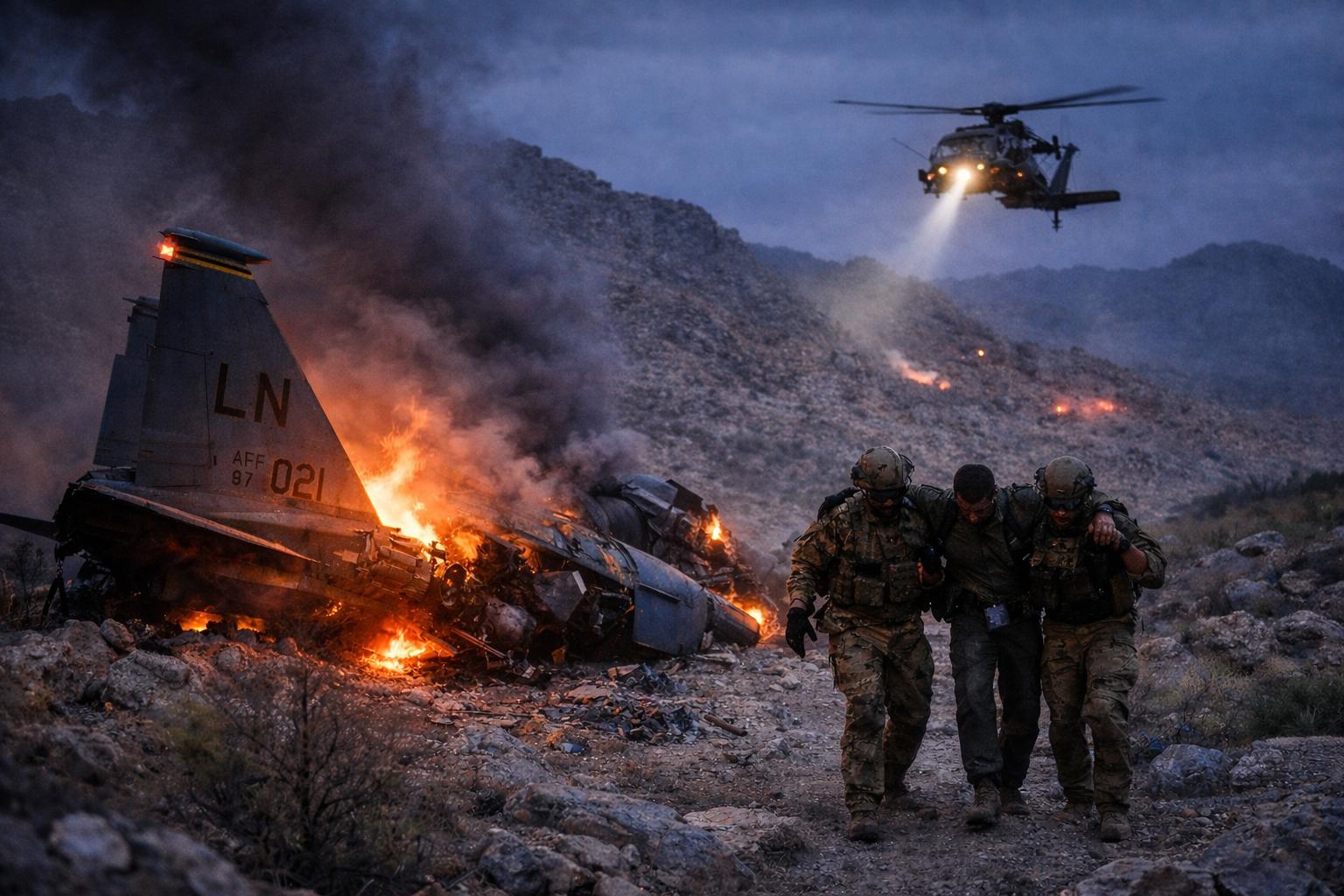
A missing United States airman whose F-15E fighter jet was shot down inside Iranian territory was recovered by American forces on Saturday, April 4, 2026, according to official statements, marking a significant development in an escalating military confrontation. Earlier reports had indicated that the rescue mission was still underway and that the second crew member remained unaccounted for behind enemy lines. The aircraft’s downing represents the first such incident involving a US
US rescues second airman after F-15E shot down in Iran firefight
A missing United States airman whose F-15E fighter jet was shot down inside Iranian territory was recovered by American forces on Saturday, April 4, 2026, according to official statements, marking a significant development in an escalating military confrontation. Earlier reports had indicated that the rescue mission was still underway and that the second crew member remained unaccounted for behind enemy lines. The aircraft’s downing represents the first such incident involving a US










