Trump signals Iran ceasefire may end, hints at deal and White House celebration
U.S. President Donald Trump signaled both optimism and uncertainty regarding ongoing tensions with Iran, stating that a potential agreement could end hostilities while warning that military action may resume if negotiations fail. Speaking aboard Air Force One at 09:05 AM IST on Saturday, April 18, 2026, Trump said he would host a celebratory gathering at the White House if the conflict concludes throug
Trump signals Iran ceasefire may end, hints at deal and White House celebration
U.S. President Donald Trump signaled both optimism and uncertainty regarding ongoing tensions with Iran, stating that a potential agreement could end hostilities while warning that military action may resume if negotiations fail. Speaking aboard Air Force One at 09:05 AM IST on Saturday, April 18, 2026, Trump said he would host a celebratory gathering at the White House if the conflict concludes throug
Trump and European populists divide: What the growing rift means for global politics
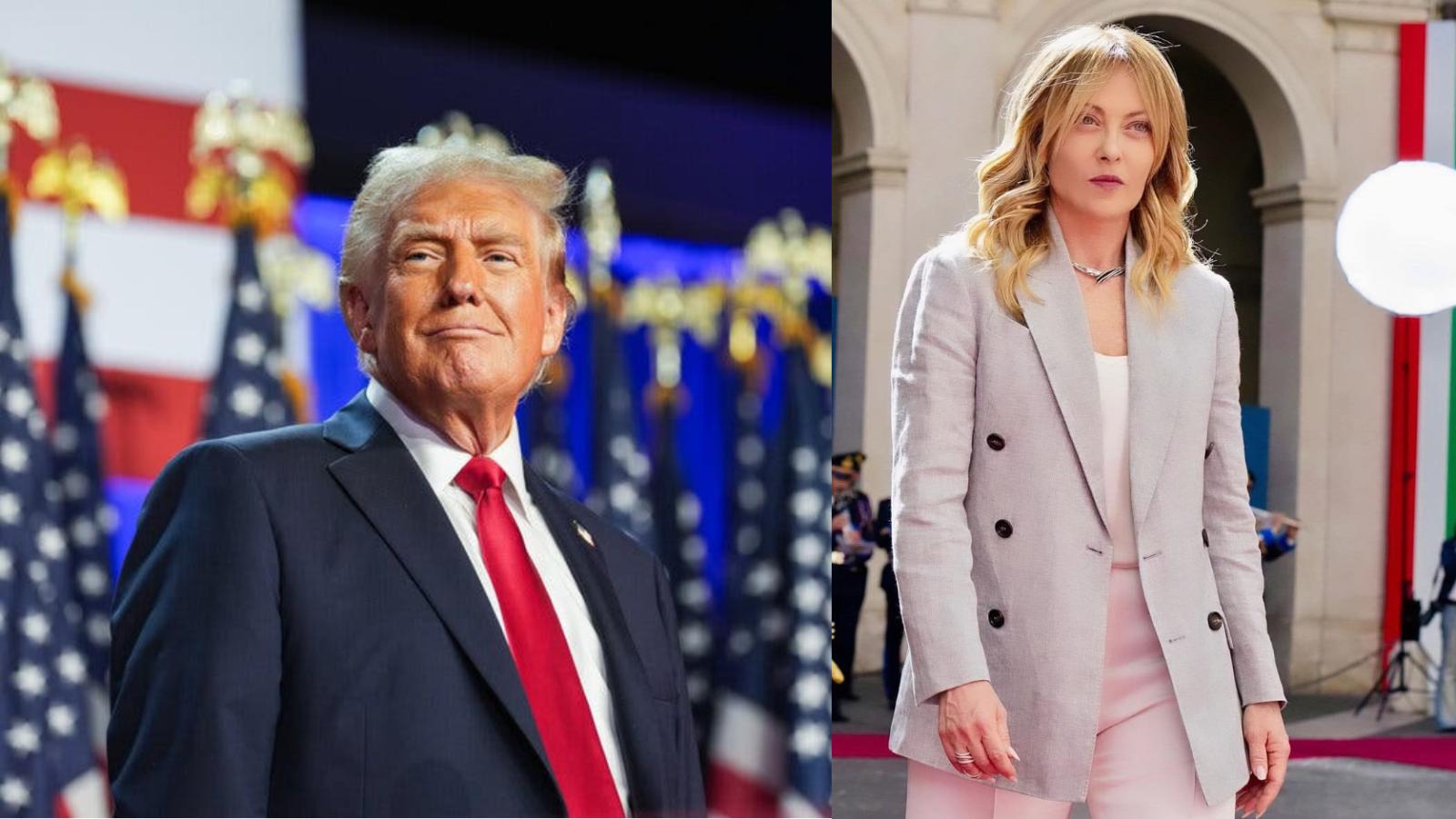
Trump European populist rift deepens over war and policy tensions The relationship between former U.S. President Donald Trump and Europe’s nationalist leaders is showing signs of strain, raising questions about the future of global political alliances. Once seen as natural allies, the growing divide reflects disagreements over foreign policy, particularly the Iran conflict, and shifting public opinion across Europe. European leaders step back from Trump alliances In recent months, several prominent European populist figures who once openly supported Trump have begun to distance themselves. Leaders across the United Kingdom, France, Germany, and Italy are reconsidering their alignment as criticism of U.S. actions abroad intensifies. Policies linked to military interventions and controversial rhetoric have sparked backlash among European voters. This has put pressure on nationalist leaders who had previously embraced Trump’s political style and agenda. In some cases, declining poll numbers suggest that close ties to Trump are becoming a political liability. Why this political shift matters globally The evolving rift highlights a broader shift in global politics. For years, Trump’s “America First” approach aligned with European nationalist movements advocating for stricter borders and reduced international cooperation. Now, disagreements over foreign interventions and economic consequences—such as rising fuel prices—are changing that dynamic. European leaders must balance domestic public opinion with their political alliances, especially as voters express concerns about economic stability and international conflicts. This shift could weaken transatlantic cooperation among right-leaning political movements and reshape political strategies across the continent. From strong alignment to growing tensions Initially, Trump’s leadership energized nationalist parties across Europe. His stance on immigration, trade, and sovereignty resonated with leaders seeking similar policies in their own countries. However, recent developments—including military actions and disputes with global institutions—have exposed differences. Some European leaders have criticized these moves as inconsistent with their own national interests, while others worry about long-term geopolitical consequences. Public opinion has also played a major role. Surveys across Europe indicate high levels of skepticism toward Trump’s policies, forcing politicians to adjust their positions ahead of elections. What happens next for US-Europe political ties Looking ahead, the relationship between Trump-aligned politics and European populism may continue to evolve. Analysts suggest that nationalist leaders will increasingly focus on domestic priorities rather than relying on alignment with U.S. leadership. Future elections across Europe will likely test whether distancing from Trump helps these leaders regain public support. At the same time, ongoing global conflicts and economic pressures could further influence political strategies. A turning point in global populist politics The growing divide between Trump and European populists marks a significant moment in international politics. What was once a strong ideological partnership is now facing real challenges. As political landscapes shift, leaders on both sides of the Atlantic will need to adapt. The outcome of this rift could redefine alliances, influence elections, and shape the future direction of populist movements worldwide.

Trump and European populists divide: What the growing rift means for global politics
Trump European populist rift deepens over war and policy tensions The relationship between former U.S. President Donald Trump and Europe’s nationalist leaders is showing signs of strain, raising questions about the future of global political alliances. Once seen as natural allies, the growing divide reflects disagreements over foreign policy, particularly the Iran conflict, and shifting public opinion across Europe. European leaders step back from Trump alliances In recent months, several prominent European populist figures who once openly supported Trump have begun to distance themselves. Leaders across the United Kingdom, France, Germany, and Italy are reconsidering their alignment as criticism of U.S. actions abroad intensifies. Policies linked to military interventions and controversial rhetoric have sparked backlash among European voters. This has put pressure on nationalist leaders who had previously embraced Trump’s political style and agenda. In some cases, declining poll numbers suggest that close ties to Trump are becoming a political liability. Why this political shift matters globally The evolving rift highlights a broader shift in global politics. For years, Trump’s “America First” approach aligned with European nationalist movements advocating for stricter borders and reduced international cooperation. Now, disagreements over foreign interventions and economic consequences—such as rising fuel prices—are changing that dynamic. European leaders must balance domestic public opinion with their political alliances, especially as voters express concerns about economic stability and international conflicts. This shift could weaken transatlantic cooperation among right-leaning political movements and reshape political strategies across the continent. From strong alignment to growing tensions Initially, Trump’s leadership energized nationalist parties across Europe. His stance on immigration, trade, and sovereignty resonated with leaders seeking similar policies in their own countries. However, recent developments—including military actions and disputes with global institutions—have exposed differences. Some European leaders have criticized these moves as inconsistent with their own national interests, while others worry about long-term geopolitical consequences. Public opinion has also played a major role. Surveys across Europe indicate high levels of skepticism toward Trump’s policies, forcing politicians to adjust their positions ahead of elections. What happens next for US-Europe political ties Looking ahead, the relationship between Trump-aligned politics and European populism may continue to evolve. Analysts suggest that nationalist leaders will increasingly focus on domestic priorities rather than relying on alignment with U.S. leadership. Future elections across Europe will likely test whether distancing from Trump helps these leaders regain public support. At the same time, ongoing global conflicts and economic pressures could further influence political strategies. A turning point in global populist politics The growing divide between Trump and European populists marks a significant moment in international politics. What was once a strong ideological partnership is now facing real challenges. As political landscapes shift, leaders on both sides of the Atlantic will need to adapt. The outcome of this rift could redefine alliances, influence elections, and shape the future direction of populist movements worldwide.

Trump confirms Iran blockade despite Strait of Hormuz reopening
U.S. President Donald Trump said the United States will continue its naval blockade targeting Iran, even after the Strait of Hormuz was reopened for commercial passage. The statement underscores that the broader conflict involving the United States, Iran, and Israel remains unresolved. In a public message, Trump acknowledged Iran’s move to reopen the strategic waterway, a critical route
Trump confirms Iran blockade despite Strait of Hormuz reopening
U.S. President Donald Trump said the United States will continue its naval blockade targeting Iran, even after the Strait of Hormuz was reopened for commercial passage. The statement underscores that the broader conflict involving the United States, Iran, and Israel remains unresolved. In a public message, Trump acknowledged Iran’s move to reopen the strategic waterway, a critical route
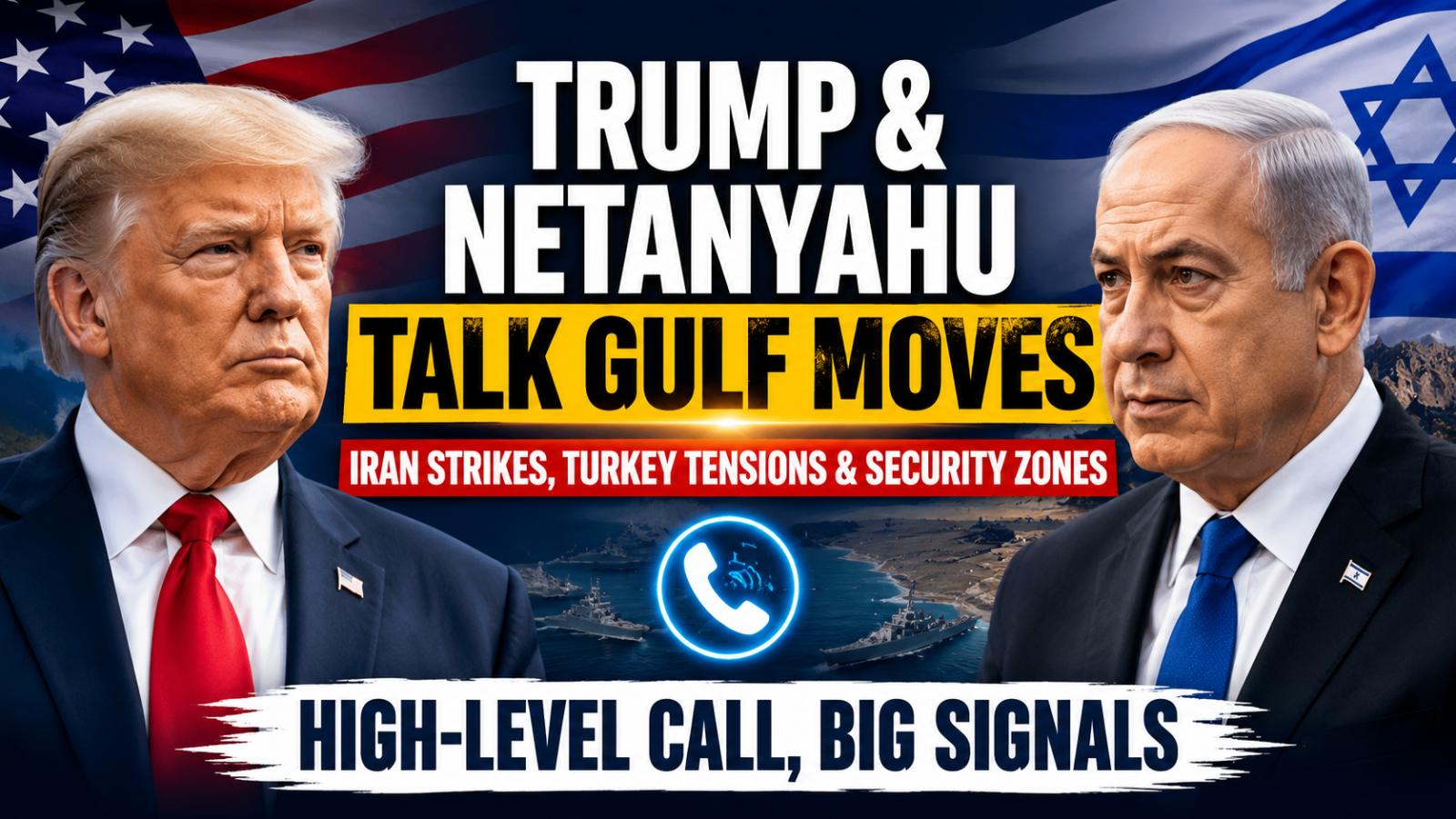
Trump-backed cease-fire in Lebanon puts Netanyahu under pressure at home
A cease-fire between Israel and Lebanon, pressed forward by Donald Trump, is drawing sharp criticism within Israel, where Prime Minister Benjamin Netanyahu faces mounting political pressure over the decision to halt military operations against
Trump-backed cease-fire in Lebanon puts Netanyahu under pressure at home
A cease-fire between Israel and Lebanon, pressed forward by Donald Trump, is drawing sharp criticism within Israel, where Prime Minister Benjamin Netanyahu faces mounting political pressure over the decision to halt military operations against
India-US leaders review strategic ties amid Strait of Hormuz concerns
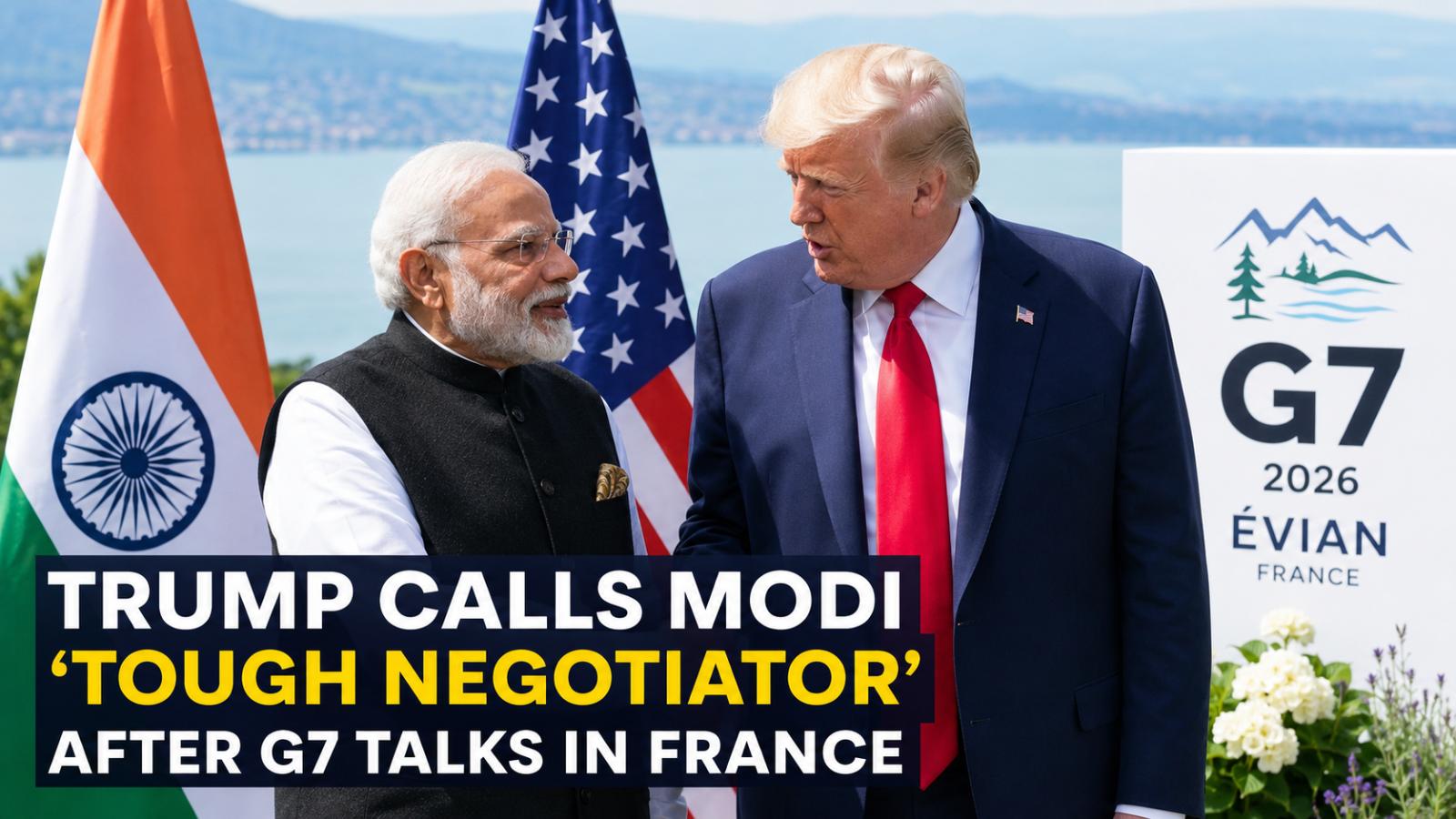
United States President Donald Trump on Thursday said he had a “very good conversation” with Indian Prime Minister Narendra Modi, describing the discussion as constructive and reaffirming strong ties between the two nations. The leaders spoke for approximately 40 minutes, focusing on regional security

India-US leaders review strategic ties amid Strait of Hormuz concerns
United States President Donald Trump on Thursday said he had a “very good conversation” with Indian Prime Minister Narendra Modi, describing the discussion as constructive and reaffirming strong ties between the two nations. The leaders spoke for approximately 40 minutes, focusing on regional security

Lebanon rejects Israel talks until ceasefire as US brokers temporary truce
Lebanese President Joseph Aoun declined to engage in direct talks with Israeli Prime Minister Benjamin Netanyahu, despite indications from U.S. President Donald Trump that discussions between the two leaders were im
Lebanon rejects Israel talks until ceasefire as US brokers temporary truce
Lebanese President Joseph Aoun declined to engage in direct talks with Israeli Prime Minister Benjamin Netanyahu, despite indications from U.S. President Donald Trump that discussions between the two leaders were im
Trump announces 10-day Israel-Lebanon ceasefire after diplomatic talks
U.S. President Donald Trump announced a 10-day pause in fighting between Israel and Lebanon set to begin at 5:00 PM ET on Thursday, April 16, 2026, following what he described as “excellent” conversations with the leaders of both nations. The announcement comes amid escalating violence tied to Israel’s ongoing conflict with the Iran-backed Hezbollah militant group operating in Lebanon.


Trump announces 10-day Israel-Lebanon ceasefire after diplomatic talks
U.S. President Donald Trump announced a 10-day pause in fighting between Israel and Lebanon set to begin at 5:00 PM ET on Thursday, April 16, 2026, following what he described as “excellent” conversations with the leaders of both nations. The announcement comes amid escalating violence tied to Israel’s ongoing conflict with the Iran-backed Hezbollah militant group operating in Lebanon.
Chinese social media mocks US blockade of Iran as “second toll booth”
Chinese social media platforms have erupted with criticism and satire following the United States’ decision to impose a blockade on Iran, with many users describing the move as a “second toll booth” controlled by Washington. The reactions come amid escalating geopolitical tensions after the United States and Israel launched strikes on Iran on Friday, February 28, 2026, prompting Tehran to leverage its geographic position to restrict access through the strategically vital Strait of Hormuz.
Chinese social media mocks US blockade of Iran as “second toll booth”
Chinese social media platforms have erupted with criticism and satire following the United States’ decision to impose a blockade on Iran, with many users describing the move as a “second toll booth” controlled by Washington. The reactions come amid escalating geopolitical tensions after the United States and Israel launched strikes on Iran on Friday, February 28, 2026, prompting Tehran to leverage its geographic position to restrict access through the strategically vital Strait of Hormuz.
Iran threatens to halt Gulf trade if US naval blockade continues
Iran has issued a warning that it may escalate tensions with the United States by blocking major international shipping routes if a US naval blockade targeting its vessels continues. The statement, broadcast on state television, came from Ali Abdollahi, commander of the Khatam al-Anbiya Central Headquarters,
Iran threatens to halt Gulf trade if US naval blockade continues
Iran has issued a warning that it may escalate tensions with the United States by blocking major international shipping routes if a US naval blockade targeting its vessels continues. The statement, broadcast on state television, came from Ali Abdollahi, commander of the Khatam al-Anbiya Central Headquarters,
Trump signals possible resumption of US-Iran talks in Pakistan within days
U.S. President Donald Trump indicated that negotiations between the United States and Iran could resume within the next two days following a recent breakdown in talks held in Pakistan. Speaking in an interview publi
Trump signals possible resumption of US-Iran talks in Pakistan within days
U.S. President Donald Trump indicated that negotiations between the United States and Iran could resume within the next two days following a recent breakdown in talks held in Pakistan. Speaking in an interview publi
Modi and Trump discuss Hormuz security amid US-Iran ceasefire
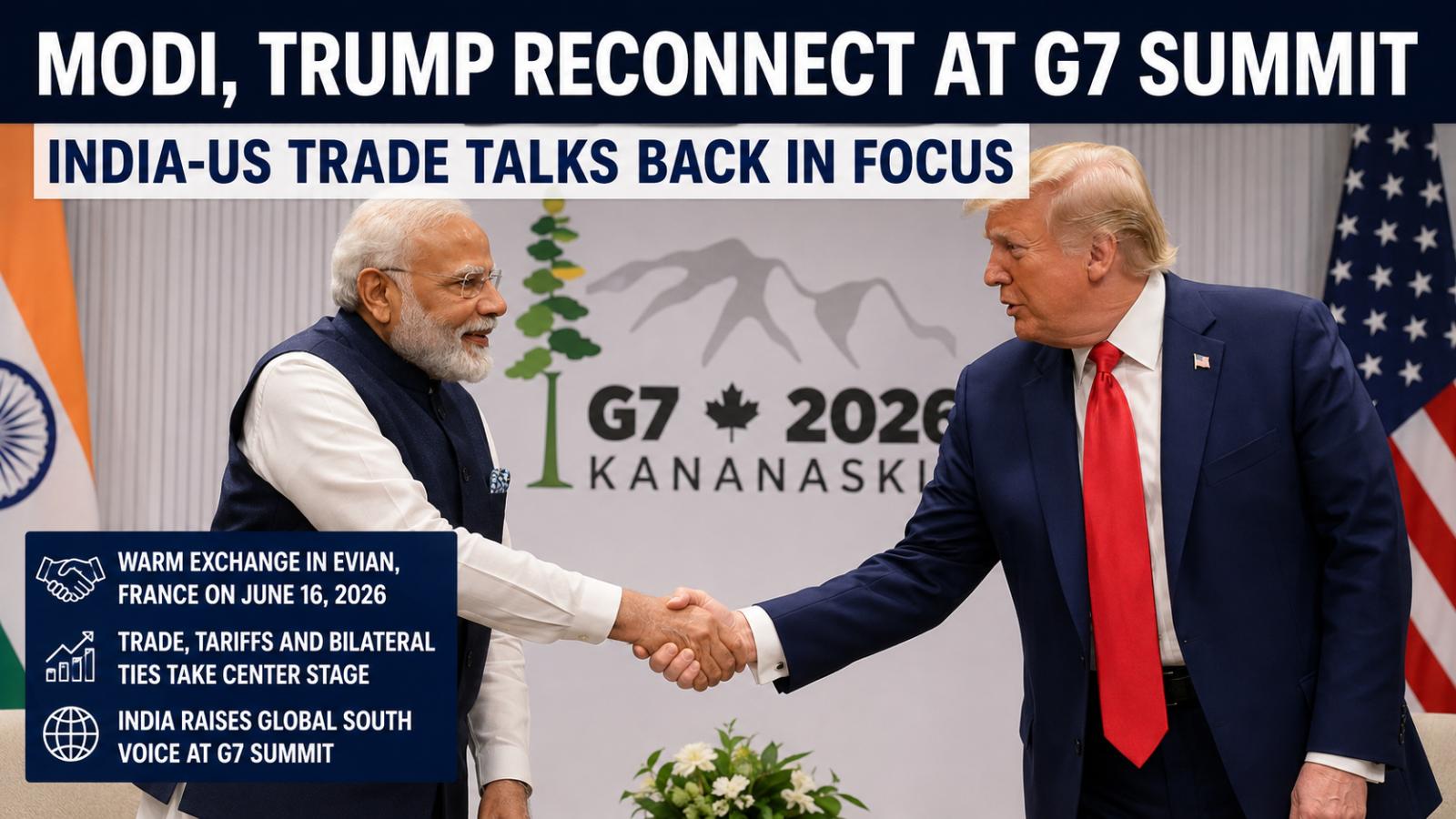
Indian Prime Minister Narendra Modi held a phone conversation with U.S. President Donald Trump on Tuesday, April 14, 2026, marking their first discussion since a ceasefire between the United States and Iran took effect on Tuesday, April 8, 2026, following nearly 39 days of intense conflict that disrupted ener
Modi and Trump discuss Hormuz security amid US-Iran ceasefire
Indian Prime Minister Narendra Modi held a phone conversation with U.S. President Donald Trump on Tuesday, April 14, 2026, marking their first discussion since a ceasefire between the United States and Iran took effect on Tuesday, April 8, 2026, following nearly 39 days of intense conflict that disrupted ener
Modi-Trump call highlights rising tensions in Iran conflict
Indian Prime Minister Narendra Modi and U.S. President Donald Trump held a nearly 40-minute phone conversation on Tuesday, April 14, 2026, according to official reports. The call took place as tensions continue to rise amid the ongoing Iran conflict. The discussion comes shortly after peace talks betwee
Modi-Trump call highlights rising tensions in Iran conflict
Indian Prime Minister Narendra Modi and U.S. President Donald Trump held a nearly 40-minute phone conversation on Tuesday, April 14, 2026, according to official reports. The call took place as tensions continue to rise amid the ongoing Iran conflict. The discussion comes shortly after peace talks betwee
US-Iran conflict prompts Trump to question NATO’s role
President Donald Trump renewed criticism of NATO on Saturday, April 12, 2026, saying the alliance could face a “very serious examining” after it did not support the United States during its recent conflict with Iran
US-Iran conflict prompts Trump to question NATO’s role
President Donald Trump renewed criticism of NATO on Saturday, April 12, 2026, saying the alliance could face a “very serious examining” after it did not support the United States during its recent conflict with Iran
Trump faces criticism over AI post resembling Jesus Christ imagery
U.S. President Donald Trump removed an AI-generated image from his account on Truth Social on Monday, April 13, 2026, after it remained online for nearly 13 hours and sparked significant backlash from segments of his political base, particularly religious conservatives. The image depicted Trump in
Trump faces criticism over AI post resembling Jesus Christ imagery
U.S. President Donald Trump removed an AI-generated image from his account on Truth Social on Monday, April 13, 2026, after it remained online for nearly 13 hours and sparked significant backlash from segments of his political base, particularly religious conservatives. The image depicted Trump in
US President Trump on Failed Talks: Iran Will Not Have a Nuclear Weapon
In the wake of a failed peace negotiation between the United States and Iran in Pakistan, US President Donald Trump announced a blockade on the Strait of Hormuz, which would come into effect at 10 AM on 13th April 2026. Speaking outside Air Force One, Trump stated that Iran is in a "very bad shape," emphasizing that the United States had a superior understanding of the situation. Despite the 21-hour long talks between the two nations, no agreement was reached, particularly on the issue of Ira
US President Trump on Failed Talks: Iran Will Not Have a Nuclear Weapon
In the wake of a failed peace negotiation between the United States and Iran in Pakistan, US President Donald Trump announced a blockade on the Strait of Hormuz, which would come into effect at 10 AM on 13th April 2026. Speaking outside Air Force One, Trump stated that Iran is in a "very bad shape," emphasizing that the United States had a superior understanding of the situation. Despite the 21-hour long talks between the two nations, no agreement was reached, particularly on the issue of Ira
Trump warns China of 50% tariffs over alleged Iran military support
U.S. President Donald Trump on Sunday, April 12, 2026, warned that the United States could impose steep new tariffs on China if Beijing is found to be providing military assistance to Iran during the ongoing West As
Trump warns China of 50% tariffs over alleged Iran military support
U.S. President Donald Trump on Sunday, April 12, 2026, warned that the United States could impose steep new tariffs on China if Beijing is found to be providing military assistance to Iran during the ongoing West As
U.S. Navy clears Hormuz mines as historic Iran talks resume
Two U.S. Navy destroyers entered the Strait of Hormuz to begin mine-clearing operations, U.S. Central Command confirmed on Saturday, April 10, 2026, as Washington simultaneously engaged in rare direct talks with Iran aimed at reducing regional tensions. The vessels transited the critical waterway and began operations in the Arabian Gulf, with additional U.S. assets, including underwater drones, expected to support efforts in the coming days. The move follows concerns that naval mine
U.S. Navy clears Hormuz mines as historic Iran talks resume
Two U.S. Navy destroyers entered the Strait of Hormuz to begin mine-clearing operations, U.S. Central Command confirmed on Saturday, April 10, 2026, as Washington simultaneously engaged in rare direct talks with Iran aimed at reducing regional tensions. The vessels transited the critical waterway and began operations in the Arabian Gulf, with additional U.S. assets, including underwater drones, expected to support efforts in the coming days. The move follows concerns that naval mine
UK pauses Chagos Islands deal after Trump criticism over Diego Garcia
The United Kingdom has paused its plan to transfer control of the Chagos Islands to Mauritius following strong criticism from U.S. President Donald Trump, raising new uncertainty over the future of a key military base in the Indian Ocean. British Prime Minister Keir Starmer’s government has not abandoned the agreement but acknowledged delays in advancing the proposal through Parliament. Officials indicated there is insufficient time in the current legislative session to formalize
UK pauses Chagos Islands deal after Trump criticism over Diego Garcia
The United Kingdom has paused its plan to transfer control of the Chagos Islands to Mauritius following strong criticism from U.S. President Donald Trump, raising new uncertainty over the future of a key military base in the Indian Ocean. British Prime Minister Keir Starmer’s government has not abandoned the agreement but acknowledged delays in advancing the proposal through Parliament. Officials indicated there is insufficient time in the current legislative session to formalize
Trump praises Palantir as AI stock faces sharp weekly decline
Shares of Palantir Technologies declined sharply over the week ending Friday, April 10, 2026, even as Donald Trump publicly praised the company’s role in defense technology. The stock fell approximately 15% during the week, reflecting broader pressure across the software and artificial intelligence sectors. In a post on Truth Social on Friday, April 10, 2026, Trump highlighted Palantir’s capabilities, stating that the company has demonstrated strong “war fighting capabilities and equipment.” His remarks come as reports indicate that the U.S. military is using Palantir’s AI-powered Maven Smart System platform to assist with target identification in operations in the Middle East. The company derives a significant portion of its U.S. revenue from government contracts, including work with the Pentagon and immigration enforcement agencies. Palantir CEO Alex Karp has consistently supported the use of advanced technology in defense, aligning more closely with current administration policies despite previously backing Joe Biden. Karp has also defended the company against criticism over surveillance concerns involving both immigrants and U.S. citizens. The company’s political positioning has drawn internal and external scrutiny. In October 2025, a senior communications executive described the firm’s perceived political shift as “concerning,” though related public footage was later removed from online platforms. Palantir’s partnerships in the AI sector have also raised questions. Its platform integrates models from multiple labs, including Anthropic, which has faced restrictions from the Department of Defense due to concerns over potential misuse in autonomous weapons and surveillance. Although Karp previously indicated plans to phase out Anthropic’s models, no such move has yet been confirmed. Market sentiment toward AI stocks weakened further after Anthropic introduced a new model with limited release, citing risks of misuse. This has fueled broader concerns that rapid AI advancements could disrupt traditional software business models. Investor skepticism has also been amplified by Michael Burry, who has taken bearish positions on several AI-related companies, including Palantir. In recent commentary, Burry suggested the stock may experience short-term gains but maintained that its fundamental value remains significantly lower than current levels. Following the week’s decline, Palantir shares were trading near $128, reflecting ongoing volatility in the AI-driven technology sector.
Trump praises Palantir as AI stock faces sharp weekly decline
Shares of Palantir Technologies declined sharply over the week ending Friday, April 10, 2026, even as Donald Trump publicly praised the company’s role in defense technology. The stock fell approximately 15% during the week, reflecting broader pressure across the software and artificial intelligence sectors. In a post on Truth Social on Friday, April 10, 2026, Trump highlighted Palantir’s capabilities, stating that the company has demonstrated strong “war fighting capabilities and equipment.” His remarks come as reports indicate that the U.S. military is using Palantir’s AI-powered Maven Smart System platform to assist with target identification in operations in the Middle East. The company derives a significant portion of its U.S. revenue from government contracts, including work with the Pentagon and immigration enforcement agencies. Palantir CEO Alex Karp has consistently supported the use of advanced technology in defense, aligning more closely with current administration policies despite previously backing Joe Biden. Karp has also defended the company against criticism over surveillance concerns involving both immigrants and U.S. citizens. The company’s political positioning has drawn internal and external scrutiny. In October 2025, a senior communications executive described the firm’s perceived political shift as “concerning,” though related public footage was later removed from online platforms. Palantir’s partnerships in the AI sector have also raised questions. Its platform integrates models from multiple labs, including Anthropic, which has faced restrictions from the Department of Defense due to concerns over potential misuse in autonomous weapons and surveillance. Although Karp previously indicated plans to phase out Anthropic’s models, no such move has yet been confirmed. Market sentiment toward AI stocks weakened further after Anthropic introduced a new model with limited release, citing risks of misuse. This has fueled broader concerns that rapid AI advancements could disrupt traditional software business models. Investor skepticism has also been amplified by Michael Burry, who has taken bearish positions on several AI-related companies, including Palantir. In recent commentary, Burry suggested the stock may experience short-term gains but maintained that its fundamental value remains significantly lower than current levels. Following the week’s decline, Palantir shares were trading near $128, reflecting ongoing volatility in the AI-driven technology sector.
Israel-Lebanon conflict threatens fragile US-Iran ceasefire deal
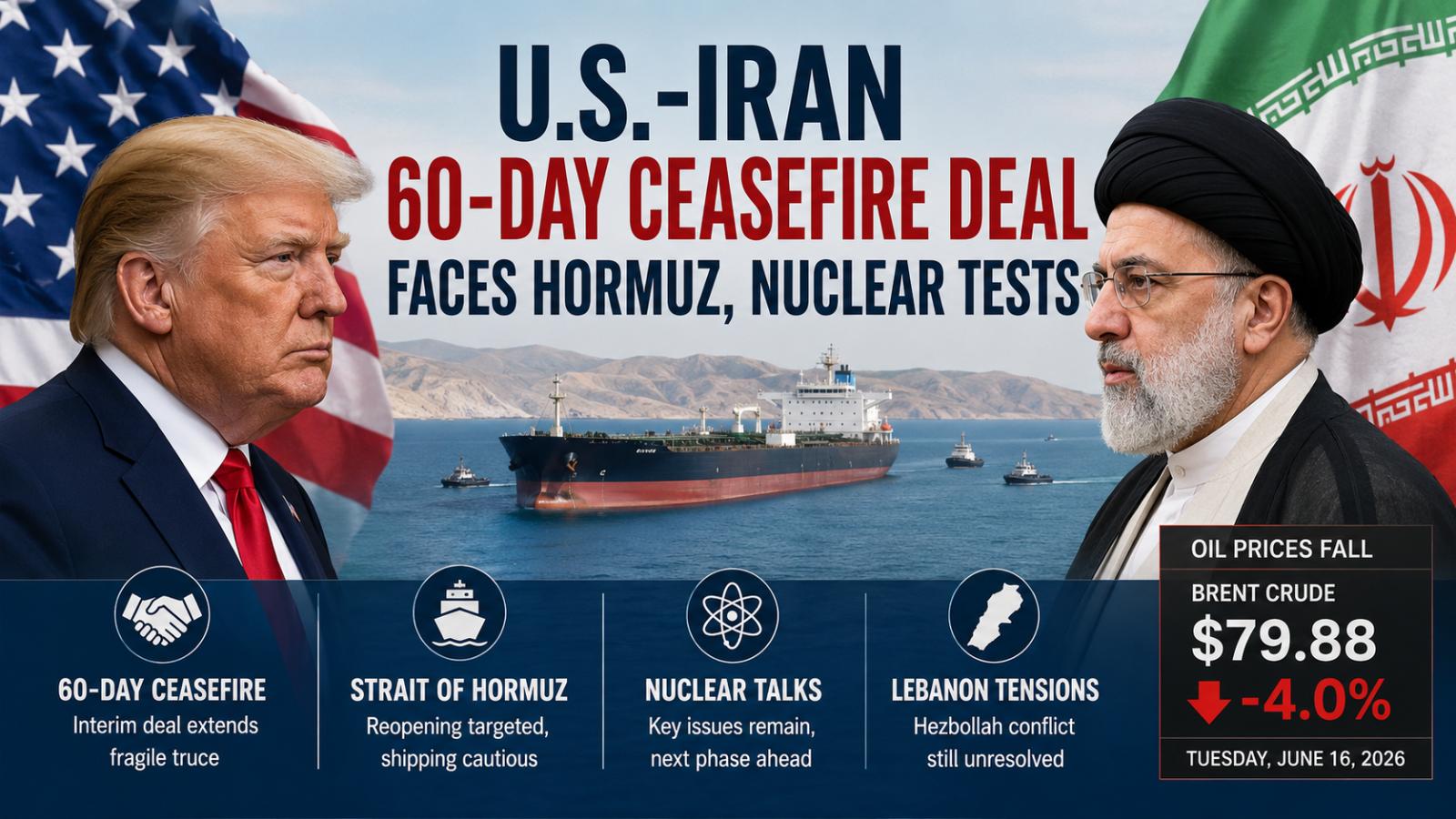
A fragile two-week ceasefire between the United States and Iran is facing renewed uncertainty after Israel launched military strikes targeting Lebanon, a key regional ally of Tehran. The escalation has raised concerns about the stability of the agreement, which was brokered with diplomatic involvement from Pakistan and was expected to ease tensions across parts of the Middle East. Iranian officials have maintained that the ceasefire framework extended beyond bilateral commitments and
Israel-Lebanon conflict threatens fragile US-Iran ceasefire deal
A fragile two-week ceasefire between the United States and Iran is facing renewed uncertainty after Israel launched military strikes targeting Lebanon, a key regional ally of Tehran. The escalation has raised concerns about the stability of the agreement, which was brokered with diplomatic involvement from Pakistan and was expected to ease tensions across parts of the Middle East. Iranian officials have maintained that the ceasefire framework extended beyond bilateral commitments and