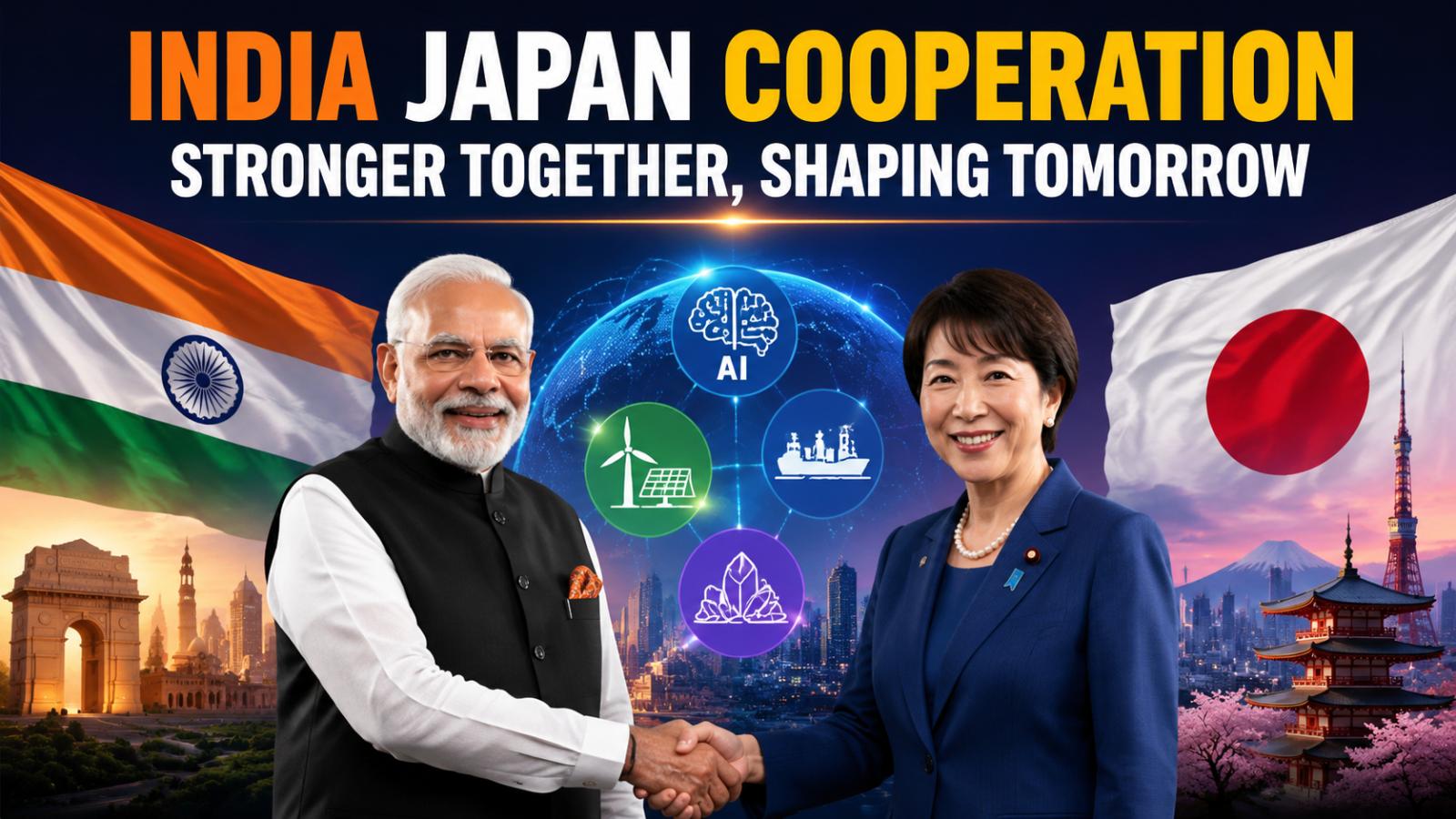
India Japan unveil 16 point roadmap to expand strategic partnership
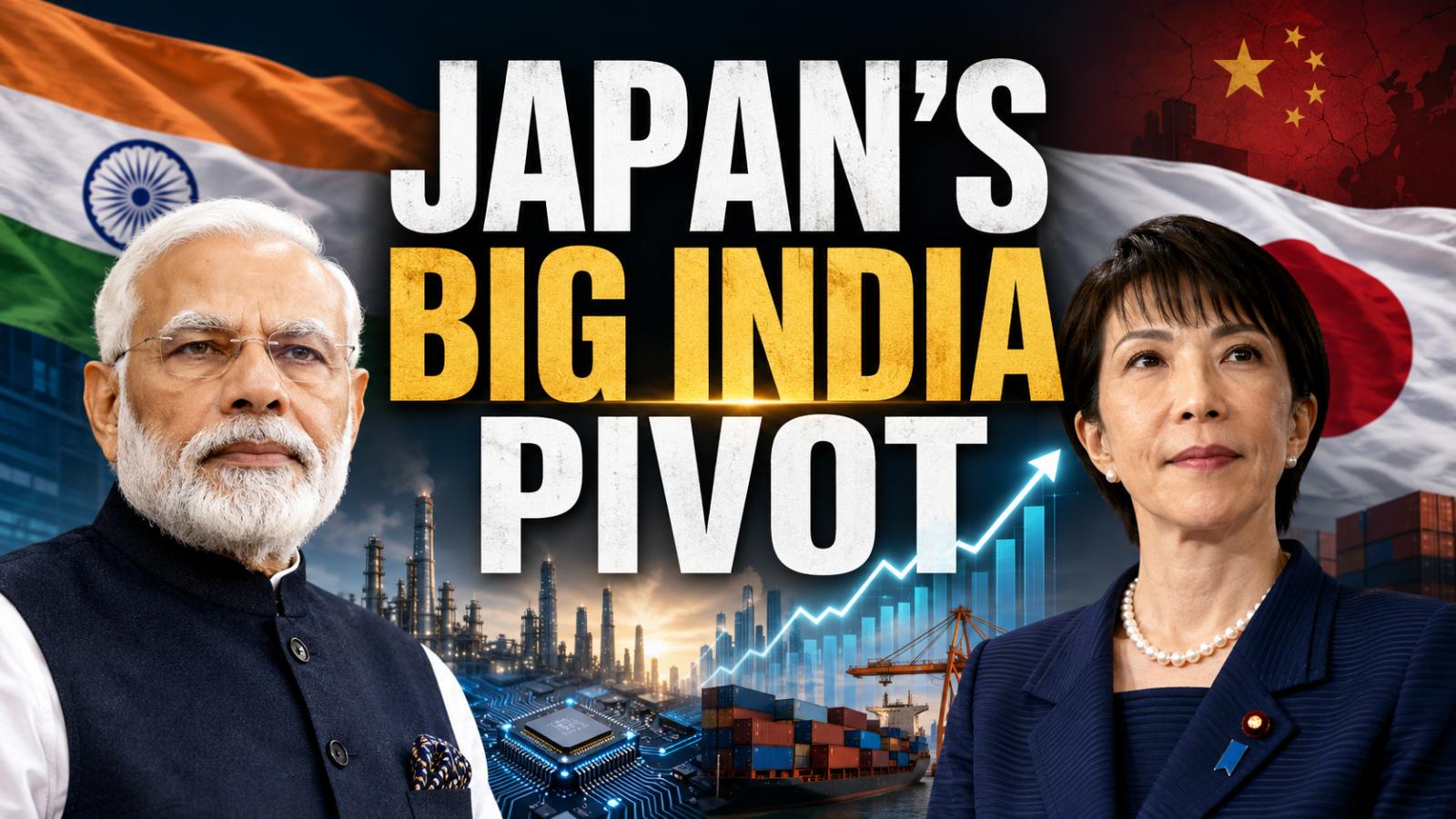
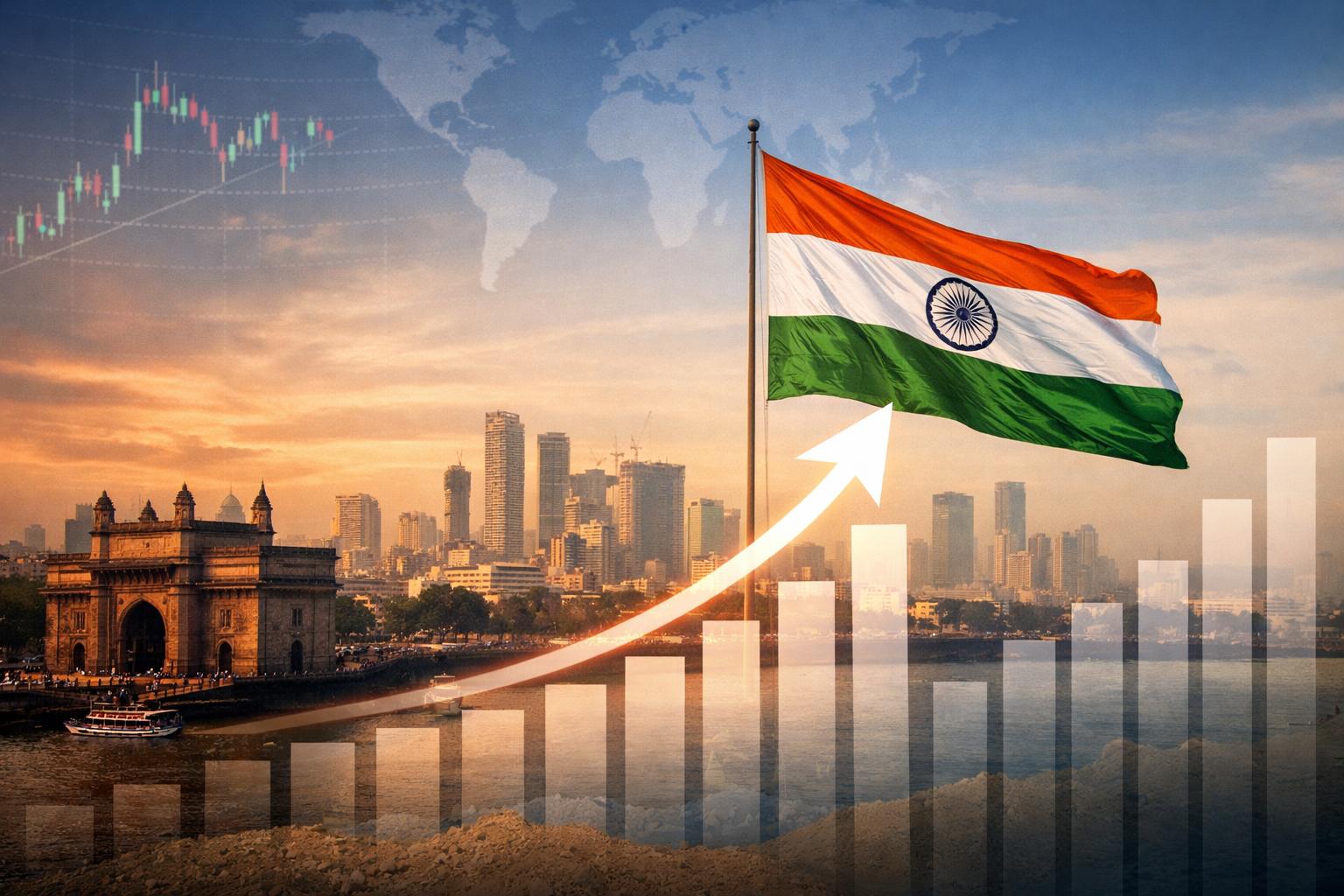
India Japan expand strategic partnership framework India and Japan have announced a 16-point roadmap aimed at significantly expanding their Special Strategic and Global Partnership, marking a shift toward deeper cooperation in economic security, advanced technology and energy resilience. The initiative was unveiled following the 16th India-Japan Annual Summit held in
India Japan unveil 16 point roadmap to expand strategic partnership
India Japan expand strategic partnership framework India and Japan have announced a 16-point roadmap aimed at significantly expanding their Special Strategic and Global Partnership, marking a shift toward deeper cooperation in economic security, advanced technology and energy resilience. The initiative was unveiled following the 16th India-Japan Annual Summit held in
India Japan economic ties shift toward supply chain resilience
India and Japan are steadily moving their partnership beyond routine trade discussions into a broader realignment shaped by global risk and industrial restructuring. What looks like increased investment flows is actually part of a deeper repositioning of how both countries want to secure long-term economic stability in an uncertain global environment. Investment growth driven by risk recalibration Japanese companies are expanding their footprint in India not only for growth but also to reduce exposure to concentrated supply networks in East Asia. Rising geopolitical friction and periodic trade restrictions have forced firms to reconsider how dependent they are on single-country manufacturing systems. India is increasingly viewed as a viable diversification hub due to its scale, labor availability, and expanding industrial base. Supply chain restructuring becomes the core driver The most significant shift is happening in supply chains rather than headline investment figures. Japanese manufacturers are gradually redesigning sourcing and production models to reduce vulnerabilities in electronics, automotive components, and precision engineering. India fits into this transition as an alternative production and assembly base, especially for sectors where demand is growing but diversification is still limited. Technology and industrial cooperation deepen Cooperation is also expanding into advanced sectors such as semiconductors, digital systems, and artificial intelligence. These areas are no longer treated as purely commercial exchanges but as strategic capabilities. Both countries are aligning on technology resilience, where production continuity and security of supply matter as much as cost efficiency. Rare earths and critical materials gain importance Another emerging focus is critical minerals and rare earth supply chains. These materials are essential for electronics, renewable energy systems, and defence manufacturing. Dependence on concentrated suppliers has pushed both India and Japan to explore alternative sourcing strategies and joint development frameworks to reduce long-term risk. Financial flows signal long-term positioning Japanese capital inflows into Indian financial institutions and industrial projects suggest more than short-term investment interest. Financial participation typically indicates long-term confidence in policy stability and market expansion. However, the real test will be whether this capital flow expands into deeper manufacturing integration rather than remaining portfolio-based exposure. Economic security becomes the defining theme At the core of this evolving relationship is economic security. Trade decisions are increasingly shaped by geopolitical uncertainty rather than pure cost advantage. This marks a shift from efficiency-driven globalization to resilience-driven partnerships, where countries prioritize stability over optimization. A cautious but strategic realignment The India–Japan partnership is gradually becoming a case study in how middle and advanced economies adjust to global fragmentation. While the direction is clear—greater cooperation in technology, investment, and supply chains—the pace will depend on regulatory alignment, infrastructure readiness, and how effectively both sides manage external geopolitical pressures.
India Japan economic ties shift toward supply chain resilience
India and Japan are steadily moving their partnership beyond routine trade discussions into a broader realignment shaped by global risk and industrial restructuring. What looks like increased investment flows is actually part of a deeper repositioning of how both countries want to secure long-term economic stability in an uncertain global environment. Investment growth driven by risk recalibration Japanese companies are expanding their footprint in India not only for growth but also to reduce exposure to concentrated supply networks in East Asia. Rising geopolitical friction and periodic trade restrictions have forced firms to reconsider how dependent they are on single-country manufacturing systems. India is increasingly viewed as a viable diversification hub due to its scale, labor availability, and expanding industrial base. Supply chain restructuring becomes the core driver The most significant shift is happening in supply chains rather than headline investment figures. Japanese manufacturers are gradually redesigning sourcing and production models to reduce vulnerabilities in electronics, automotive components, and precision engineering. India fits into this transition as an alternative production and assembly base, especially for sectors where demand is growing but diversification is still limited. Technology and industrial cooperation deepen Cooperation is also expanding into advanced sectors such as semiconductors, digital systems, and artificial intelligence. These areas are no longer treated as purely commercial exchanges but as strategic capabilities. Both countries are aligning on technology resilience, where production continuity and security of supply matter as much as cost efficiency. Rare earths and critical materials gain importance Another emerging focus is critical minerals and rare earth supply chains. These materials are essential for electronics, renewable energy systems, and defence manufacturing. Dependence on concentrated suppliers has pushed both India and Japan to explore alternative sourcing strategies and joint development frameworks to reduce long-term risk. Financial flows signal long-term positioning Japanese capital inflows into Indian financial institutions and industrial projects suggest more than short-term investment interest. Financial participation typically indicates long-term confidence in policy stability and market expansion. However, the real test will be whether this capital flow expands into deeper manufacturing integration rather than remaining portfolio-based exposure. Economic security becomes the defining theme At the core of this evolving relationship is economic security. Trade decisions are increasingly shaped by geopolitical uncertainty rather than pure cost advantage. This marks a shift from efficiency-driven globalization to resilience-driven partnerships, where countries prioritize stability over optimization. A cautious but strategic realignment The India–Japan partnership is gradually becoming a case study in how middle and advanced economies adjust to global fragmentation. While the direction is clear—greater cooperation in technology, investment, and supply chains—the pace will depend on regulatory alignment, infrastructure readiness, and how effectively both sides manage external geopolitical pressures.
India Japan cooperation expands into AI and energy pact
India and Japan have moved to broaden their strategic cooperation with a new framework focused on technology, energy security and resilient supply chains. The latest engagement signals a shift from traditional diplomatic alignment toward deeper economic and innovation-driven collaboration aimed at long-term stability in the Indo-Pacific region. Focus shifts toward AI and digit
India Japan cooperation expands into AI and energy pact
India and Japan have moved to broaden their strategic cooperation with a new framework focused on technology, energy security and resilient supply chains. The latest engagement signals a shift from traditional diplomatic alignment toward deeper economic and innovation-driven collaboration aimed at long-term stability in the Indo-Pacific region. Focus shifts toward AI and digit
India Japan summit 2026 boosts FOIP rare earth strategy
The India Japan Summit 2026 is emerging as more than diplomatic engagement, shifting toward a structured economic alignment under the Free and Open Indo-Pacific (FOIP) framework. Japan is positioning India as a long-term partner in building alternative production networks outside China’s dominant supply ecosystem. The focus is no longer symbolic cooperation but measurable industrial integration across energy, technology, and critical materials. Rare Earth Dependency and Strategic Diversification A major driver of the summit is global concern over rare earth concentration in China. These materials are essential for electric vehicles, defence systems, and semiconductor manufacturing. Japan has been actively seeking diversification, and India is being viewed as a viable partner due to its untapped mineral reserves and growing extraction capability. However, this shift is not immediate. India still faces infrastructure gaps in refining and processing, which limits its ability to fully replace existing supply chains. The partnership therefore focuses on joint development rather than replacement. Northeast India as an Emerging Industrial Bridge Northeast India is increasingly being integrated into strategic planning as a logistics and manufacturing connector between South Asia and Southeast Asia. Its geographical position near the Bay of Bengal makes it relevant for regional trade routes, especially under Japan-backed connectivity initiatives. The long-term expectation is the development of corridors linking manufacturing zones, ports, and resource hubs. But execution remains a challenge due to terrain, infrastructure bottlenecks, and slow industrial scaling. EV Batteries and Semiconductor Collaboration Expands The summit is expected to accelerate cooperation in electric mobility and chip production. Japan’s technology strength in precision manufacturing complements India’s expanding industrial base and domestic demand growth. Instead of simple export-import trade, both countries are moving toward localized production ecosystems. This includes battery supply chains, semiconductor assembly, and joint research in advanced materials. The real shift here is from consumption-driven trade to production-sharing models. Investment Flow and Industrial Integration Japanese investment in India continues to grow steadily, with a strong presence in automobiles, electronics, and infrastructure. The partnership now appears to be entering a deeper phase where investment is tied to strategic supply chain redesign rather than isolated projects. This creates a long-term dependency loop where both economies benefit from shared manufacturing ecosystems, but also become more structurally linked to global market fluctuations. Strategic Outcome: A Competing Supply Chain Bloc The broader outcome of the India Japan Summit 2026 is the gradual formation of an alternative industrial network in Asia. It does not replace existing systems overnight but creates parallel pathways in critical sectors like energy storage, semiconductors, and defence manufacturing. The key question going forward is execution speed. Policy alignment is strong, but infrastructure readiness and capital deployment will decide how quickly this partnership moves from strategy to reality.
India Japan summit 2026 boosts FOIP rare earth strategy
The India Japan Summit 2026 is emerging as more than diplomatic engagement, shifting toward a structured economic alignment under the Free and Open Indo-Pacific (FOIP) framework. Japan is positioning India as a long-term partner in building alternative production networks outside China’s dominant supply ecosystem. The focus is no longer symbolic cooperation but measurable industrial integration across energy, technology, and critical materials. Rare Earth Dependency and Strategic Diversification A major driver of the summit is global concern over rare earth concentration in China. These materials are essential for electric vehicles, defence systems, and semiconductor manufacturing. Japan has been actively seeking diversification, and India is being viewed as a viable partner due to its untapped mineral reserves and growing extraction capability. However, this shift is not immediate. India still faces infrastructure gaps in refining and processing, which limits its ability to fully replace existing supply chains. The partnership therefore focuses on joint development rather than replacement. Northeast India as an Emerging Industrial Bridge Northeast India is increasingly being integrated into strategic planning as a logistics and manufacturing connector between South Asia and Southeast Asia. Its geographical position near the Bay of Bengal makes it relevant for regional trade routes, especially under Japan-backed connectivity initiatives. The long-term expectation is the development of corridors linking manufacturing zones, ports, and resource hubs. But execution remains a challenge due to terrain, infrastructure bottlenecks, and slow industrial scaling. EV Batteries and Semiconductor Collaboration Expands The summit is expected to accelerate cooperation in electric mobility and chip production. Japan’s technology strength in precision manufacturing complements India’s expanding industrial base and domestic demand growth. Instead of simple export-import trade, both countries are moving toward localized production ecosystems. This includes battery supply chains, semiconductor assembly, and joint research in advanced materials. The real shift here is from consumption-driven trade to production-sharing models. Investment Flow and Industrial Integration Japanese investment in India continues to grow steadily, with a strong presence in automobiles, electronics, and infrastructure. The partnership now appears to be entering a deeper phase where investment is tied to strategic supply chain redesign rather than isolated projects. This creates a long-term dependency loop where both economies benefit from shared manufacturing ecosystems, but also become more structurally linked to global market fluctuations. Strategic Outcome: A Competing Supply Chain Bloc The broader outcome of the India Japan Summit 2026 is the gradual formation of an alternative industrial network in Asia. It does not replace existing systems overnight but creates parallel pathways in critical sectors like energy storage, semiconductors, and defence manufacturing. The key question going forward is execution speed. Policy alignment is strong, but infrastructure readiness and capital deployment will decide how quickly this partnership moves from strategy to reality.
Trump earns over $1 billion from crypto ventures financial filing shows
Financial Disclosure Reveals Major Crypto Earnings US financial disclosure documents released by the Office of Government Ethics show that President Donald Trump earned more than $1 billion from cryptocurrency-related ventures over the past year. The filings outline a significant increase in income during the first year of his return to the White House, highlighting t
Trump earns over $1 billion from crypto ventures financial filing shows
Financial Disclosure Reveals Major Crypto Earnings US financial disclosure documents released by the Office of Government Ethics show that President Donald Trump earned more than $1 billion from cryptocurrency-related ventures over the past year. The filings outline a significant increase in income during the first year of his return to the White House, highlighting t
EU India trade talks near final approval stage
The proposed free trade agreement between the European Union and India has moved into its last procedural stage after years of negotiation. Both sides have already agreed on the core framework, and the current focus is on legal refinement and institutional clearance before formal approval. Officials describe this phase as technical but decisive, as even small wording changes can affect implementation across sectors. The agreement is being revi
EU India trade talks near final approval stage
The proposed free trade agreement between the European Union and India has moved into its last procedural stage after years of negotiation. Both sides have already agreed on the core framework, and the current focus is on legal refinement and institutional clearance before formal approval. Officials describe this phase as technical but decisive, as even small wording changes can affect implementation across sectors. The agreement is being revi
India pushes sunset clause in proposed US trade deal
India considers expiry safeguard in US trade talks India is reportedly preparing to seek a sunset clause in its proposed interim trade agreement with the United States, reflecting a growing global trend among trading partners to build expiry mechanisms into major economic deals. The move aligns closely with recent developments in European Union–US trade arrangements, where similar provisions have been introduced to limit long-term exposure
India pushes sunset clause in proposed US trade deal
India considers expiry safeguard in US trade talks India is reportedly preparing to seek a sunset clause in its proposed interim trade agreement with the United States, reflecting a growing global trend among trading partners to build expiry mechanisms into major economic deals. The move aligns closely with recent developments in European Union–US trade arrangements, where similar provisions have been introduced to limit long-term exposure
India’s Russian Crude Imports in June Could Reach Record High
India’s Russian crude imports in June could reach a monthly record as more tankers travel toward major refining ports, according to energy economist Anas Alhajji. Alhajji, chief economist at NGP Energy Capital Management, cited the unusually large number of vessels carrying Russian crude to India. He also shared a Kpler map showing tankers headed to ports across the country. India Russian Crude Imports in June: What the Data Shows The outlook
India’s Russian Crude Imports in June Could Reach Record High
India’s Russian crude imports in June could reach a monthly record as more tankers travel toward major refining ports, according to energy economist Anas Alhajji. Alhajji, chief economist at NGP Energy Capital Management, cited the unusually large number of vessels carrying Russian crude to India. He also shared a Kpler map showing tankers headed to ports across the country. India Russian Crude Imports in June: What the Data Shows The outlook
London court orders Nirav Modi to repay Bank of India dues
A London court has ruled against diamond merchant Nirav Modi in a financial dispute involving Bank of India, ordering him to repay approximately $10.7 million linked to a defaulted corporate loan. The judgment strengthens the bank’s claim that Modi remains personally liable under a guarantee tied to funding extended to his overseas diamond trading entity. Court upholds personal guarantee obligation
London court orders Nirav Modi to repay Bank of India dues
A London court has ruled against diamond merchant Nirav Modi in a financial dispute involving Bank of India, ordering him to repay approximately $10.7 million linked to a defaulted corporate loan. The judgment strengthens the bank’s claim that Modi remains personally liable under a guarantee tied to funding extended to his overseas diamond trading entity. Court upholds personal guarantee obligation
India-US Trade Talks Edge Toward Interim Agreement
India-US Trade Talks Progress Trade negotiations between India and the United States moved closer to a potential interim agreement after four days of discussions in New Delhi. Officials from both sides described the talks as constructive, reflecting a shared commitment to deepening trade ties. The Office of the United States Trade Representative (USTR) led the American delegation, advancing discussions on t
India-US Trade Talks Edge Toward Interim Agreement
India-US Trade Talks Progress Trade negotiations between India and the United States moved closer to a potential interim agreement after four days of discussions in New Delhi. Officials from both sides described the talks as constructive, reflecting a shared commitment to deepening trade ties. The Office of the United States Trade Representative (USTR) led the American delegation, advancing discussions on t
Oil prices surge as US-Iran tensions stir global markets
Oil prices rose sharply as Brent crude touched $98.20 per barrel on Wednesday, fueled by rising tensions between the United States and Iran. Recent missile activity in the Gulf region and disrupted shipping routes have intensified concerns about energy supply. Although strategic oil reserves remain untapped for now, the market is reacting to potential risks in the Strait of Hormuz. August contracts have jumped over 2% since early June and more than 5% in just the past week.
Oil prices surge as US-Iran tensions stir global markets
Oil prices rose sharply as Brent crude touched $98.20 per barrel on Wednesday, fueled by rising tensions between the United States and Iran. Recent missile activity in the Gulf region and disrupted shipping routes have intensified concerns about energy supply. Although strategic oil reserves remain untapped for now, the market is reacting to potential risks in the Strait of Hormuz. August contracts have jumped over 2% since early June and more than 5% in just the past week.
San Francisco Budget Plan Targets $642M Deficit
The San Francisco budget plan proposed by Mayor Daniel Lurie seeks to protect core city services while addressing a $642 million deficit over the next two fiscal years. Lurie announced the proposal in San Francisco on Monday, June 1, 2026, presenting it as a spending plan built around fiscal discipline, service protection and preparation for possible federal funding cuts. San Francisco Budget Plan Focuses on Services and Deficit Control The pro
San Francisco Budget Plan Targets $642M Deficit
The San Francisco budget plan proposed by Mayor Daniel Lurie seeks to protect core city services while addressing a $642 million deficit over the next two fiscal years. Lurie announced the proposal in San Francisco on Monday, June 1, 2026, presenting it as a spending plan built around fiscal discipline, service protection and preparation for possible federal funding cuts. San Francisco Budget Plan Focuses on Services and Deficit Control The pro
Credit Card Swipe Fees Raise Costs for U.S. Shoppers and Stores
Credit Card Swipe Fees Raise Costs for U.S. Shoppers and Stores Credit card swipe fees are adding pressure on U.S. shoppers and small businesses as more purchases move away from cash. Retailers say the fees charged on card transactions are becoming a larger cost of doing business, with some of that burden reflected in everyday prices. At a Tiger Fuel gas station and convenience store near the Blue Ridge Mountains in Ruckersville, Virginia, managers say t
Credit Card Swipe Fees Raise Costs for U.S. Shoppers and Stores
Credit Card Swipe Fees Raise Costs for U.S. Shoppers and Stores Credit card swipe fees are adding pressure on U.S. shoppers and small businesses as more purchases move away from cash. Retailers say the fees charged on card transactions are becoming a larger cost of doing business, with some of that burden reflected in everyday prices. At a Tiger Fuel gas station and convenience store near the Blue Ridge Mountains in Ruckersville, Virginia, managers say t
Delhi Court Upholds Ban on Pernod Ricard Liquor Sales
The Delhi High Court has rejected Pernod Ricard’s appeal to resume sales of its popular brands, Absolut Vodka and Chivas Regal, keeping the ban in place for the third consecutive year. The ruling comes amid ongoing corporate investigations and a $314 million tax dispute, intensifying pressure on the French liquor giant. Delhi is a critical market for Pernod Ricard, representing nearly 5% of its nationwide sales. B
Delhi Court Upholds Ban on Pernod Ricard Liquor Sales
The Delhi High Court has rejected Pernod Ricard’s appeal to resume sales of its popular brands, Absolut Vodka and Chivas Regal, keeping the ban in place for the third consecutive year. The ruling comes amid ongoing corporate investigations and a $314 million tax dispute, intensifying pressure on the French liquor giant. Delhi is a critical market for Pernod Ricard, representing nearly 5% of its nationwide sales. B
Iran tensions lift oil, AI, defense stocks worldwide
Recent developments in Iran have sent shockwaves through global financial markets. Investors are recalibrating portfolios as oil prices climb, geopolitical uncertainty rises, and economic pressures mount. While energy producers, defense companies, and AI-driven technology firms see gains, sectors like airlines and energy-importing economies face increasing strain. The US dollar and other safe-haven assets are also attracting attention amid market volatility.

Iran tensions lift oil, AI, defense stocks worldwide
Recent developments in Iran have sent shockwaves through global financial markets. Investors are recalibrating portfolios as oil prices climb, geopolitical uncertainty rises, and economic pressures mount. While energy producers, defense companies, and AI-driven technology firms see gains, sectors like airlines and energy-importing economies face increasing strain. The US dollar and other safe-haven assets are also attracting attention amid market volatility.

US Tariffs Expected In Mexico Trade Talks
US Pushes Tariffs Into Mexico Trade Talks The United States expects tariffs to be part of trade negotiations with Mexico this week as Washington prepares for talks tied to the future of the U.S.-Mexico-Canada Agreement. U.S. Trade Representative Jamieson Greer said President Donald Trump remains concerned about the trade deficit with Mexico and indicated that tariffs are likely to remain a tool in the administration’s broader trade strategy, even with close regional partners. Rules Of Origin Face Fresh Scrutiny Greer said officials are expected to discuss changes to USMCA rules of origin, including requirements that could increase the share of American-made content in goods produced across North America. The issue is especially important for manufacturing and supply chains, as the United States seeks to reduce dependence on Asia and bring more production closer to home. Greer said Mexico has benefited from American efforts to diversify away from China, but Washington wants a more balanced distribution of production. Mexico Talks Seen As Productive The United States views Mexico as a major part of its regional supply chain strategy because it competes with Asian economies for access to the US market. Greer said the administration wants supply chains sourced from the Western Hemisphere wherever possible, pointing to pandemic-era disruptions that limited access to goods from Asia. The goal, he said, is to strengthen North American manufacturing while reducing the deficit with Mexico. Canada Negotiations Look More Difficult Trade talks with Canada appear more complicated. Greer said the United States has significant trade challenges with Canada and noted that Ottawa’s response to tariffs has differed from that of many other partners. Canada has argued that USMCA remains a strong agreement and does not require major renegotiation. The disagreement sets up a difficult review process as Washington seeks tariff-related changes while Canada pushes to preserve the existing framework.

US Tariffs Expected In Mexico Trade Talks
US Pushes Tariffs Into Mexico Trade Talks The United States expects tariffs to be part of trade negotiations with Mexico this week as Washington prepares for talks tied to the future of the U.S.-Mexico-Canada Agreement. U.S. Trade Representative Jamieson Greer said President Donald Trump remains concerned about the trade deficit with Mexico and indicated that tariffs are likely to remain a tool in the administration’s broader trade strategy, even with close regional partners. Rules Of Origin Face Fresh Scrutiny Greer said officials are expected to discuss changes to USMCA rules of origin, including requirements that could increase the share of American-made content in goods produced across North America. The issue is especially important for manufacturing and supply chains, as the United States seeks to reduce dependence on Asia and bring more production closer to home. Greer said Mexico has benefited from American efforts to diversify away from China, but Washington wants a more balanced distribution of production. Mexico Talks Seen As Productive The United States views Mexico as a major part of its regional supply chain strategy because it competes with Asian economies for access to the US market. Greer said the administration wants supply chains sourced from the Western Hemisphere wherever possible, pointing to pandemic-era disruptions that limited access to goods from Asia. The goal, he said, is to strengthen North American manufacturing while reducing the deficit with Mexico. Canada Negotiations Look More Difficult Trade talks with Canada appear more complicated. Greer said the United States has significant trade challenges with Canada and noted that Ottawa’s response to tariffs has differed from that of many other partners. Canada has argued that USMCA remains a strong agreement and does not require major renegotiation. The disagreement sets up a difficult review process as Washington seeks tariff-related changes while Canada pushes to preserve the existing framework.
UK GCC Trade Deal Could Add £3.7 Billion as Tariffs Fall
The UK GCC trade deal could add an estimated £3.7 billion a year to Britain’s economy in the long run, while cutting tariffs for exporters selling into Gulf markets. The U.K. Department for Business and Trade announced the agreement on Wednesday, May 20, 2026, calling it a major step in economic ties with the Gulf Cooperation Council, which includes Bahrain, Kuwait, Oman, Qatar, Saudi Arabia and the United Arab Emirates. The gove
UK GCC Trade Deal Could Add £3.7 Billion as Tariffs Fall
The UK GCC trade deal could add an estimated £3.7 billion a year to Britain’s economy in the long run, while cutting tariffs for exporters selling into Gulf markets. The U.K. Department for Business and Trade announced the agreement on Wednesday, May 20, 2026, calling it a major step in economic ties with the Gulf Cooperation Council, which includes Bahrain, Kuwait, Oman, Qatar, Saudi Arabia and the United Arab Emirates. The gove
India’s 1991 Gold Pledge: How a Crisis Built Today’s Reserve Shield
India’s 1991 gold pledge remains one of the clearest examples of how a financial crisis reshaped the country’s economic direction. The episode matters again in 2026 as India holds larger foreign exchange and gold reserves, signaling preparation rather than panic. India’s 1991 gold pledge and the Gulf shock India’s balance-of-payments crisis deepened after Iraq invaded Kuwait on Thursday, August 2, 1990, triggering a Gulf crisis that added pressur
India’s 1991 Gold Pledge: How a Crisis Built Today’s Reserve Shield
India’s 1991 gold pledge remains one of the clearest examples of how a financial crisis reshaped the country’s economic direction. The episode matters again in 2026 as India holds larger foreign exchange and gold reserves, signaling preparation rather than panic. India’s 1991 gold pledge and the Gulf shock India’s balance-of-payments crisis deepened after Iraq invaded Kuwait on Thursday, August 2, 1990, triggering a Gulf crisis that added pressur
Royal Enfield Plans Rs 2,500 Crore Andhra Plant To Boost Future Growth
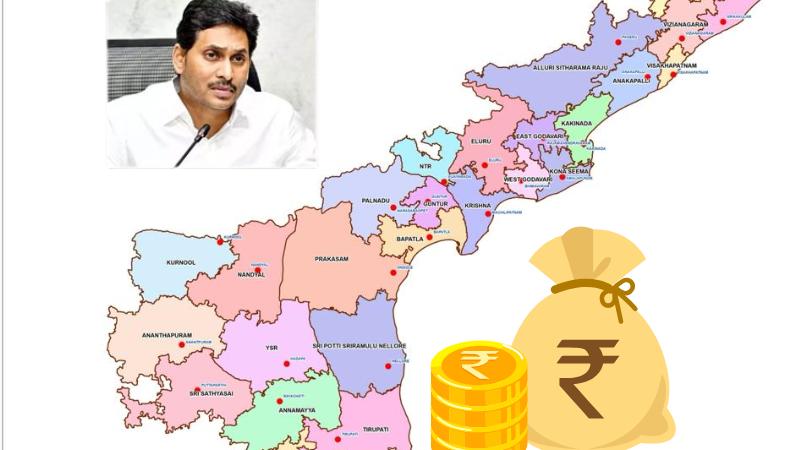
Royal Enfield is preparing for its next major growth phase with a proposed Rs 2,500 crore investment in a new greenfield manufacturing facility in Andhra Pradesh. The Chennai-based motorcycle maker has announced plans to acquire land in Tada, near Tirupati, as it looks to expand production capacity and strengthen its manufacturing base in southern India. The investment is subject to approval from the board of Eicher Motors, Royal Enfield’s parent company, and the project is expected to be deve
Royal Enfield Plans Rs 2,500 Crore Andhra Plant To Boost Future Growth
Royal Enfield is preparing for its next major growth phase with a proposed Rs 2,500 crore investment in a new greenfield manufacturing facility in Andhra Pradesh. The Chennai-based motorcycle maker has announced plans to acquire land in Tada, near Tirupati, as it looks to expand production capacity and strengthen its manufacturing base in southern India. The investment is subject to approval from the board of Eicher Motors, Royal Enfield’s parent company, and the project is expected to be deve
California Gas Prices Near $7 Warning as Bay Area Pays Over $6
California gas prices remain above $6 a gallon, and state energy officials are warning that pump prices could rise further if fuel supply pressure worsens in the coming weeks. As of Saturday, May 16, 2026, AAA listed California’s average regular gas price at $6.140 per gallon, far above the national average of $4.517. In the Bay Area, AAA showed regular gas averaging $6.315 in San Francisco, $6.205 in Oakland and $6.130 in San Jose. California Gas Prices Stay Ab
California Gas Prices Near $7 Warning as Bay Area Pays Over $6
California gas prices remain above $6 a gallon, and state energy officials are warning that pump prices could rise further if fuel supply pressure worsens in the coming weeks. As of Saturday, May 16, 2026, AAA listed California’s average regular gas price at $6.140 per gallon, far above the national average of $4.517. In the Bay Area, AAA showed regular gas averaging $6.315 in San Francisco, $6.205 in Oakland and $6.130 in San Jose. California Gas Prices Stay Ab