






Rising oil costs push US gas above $4 for first time since 2022
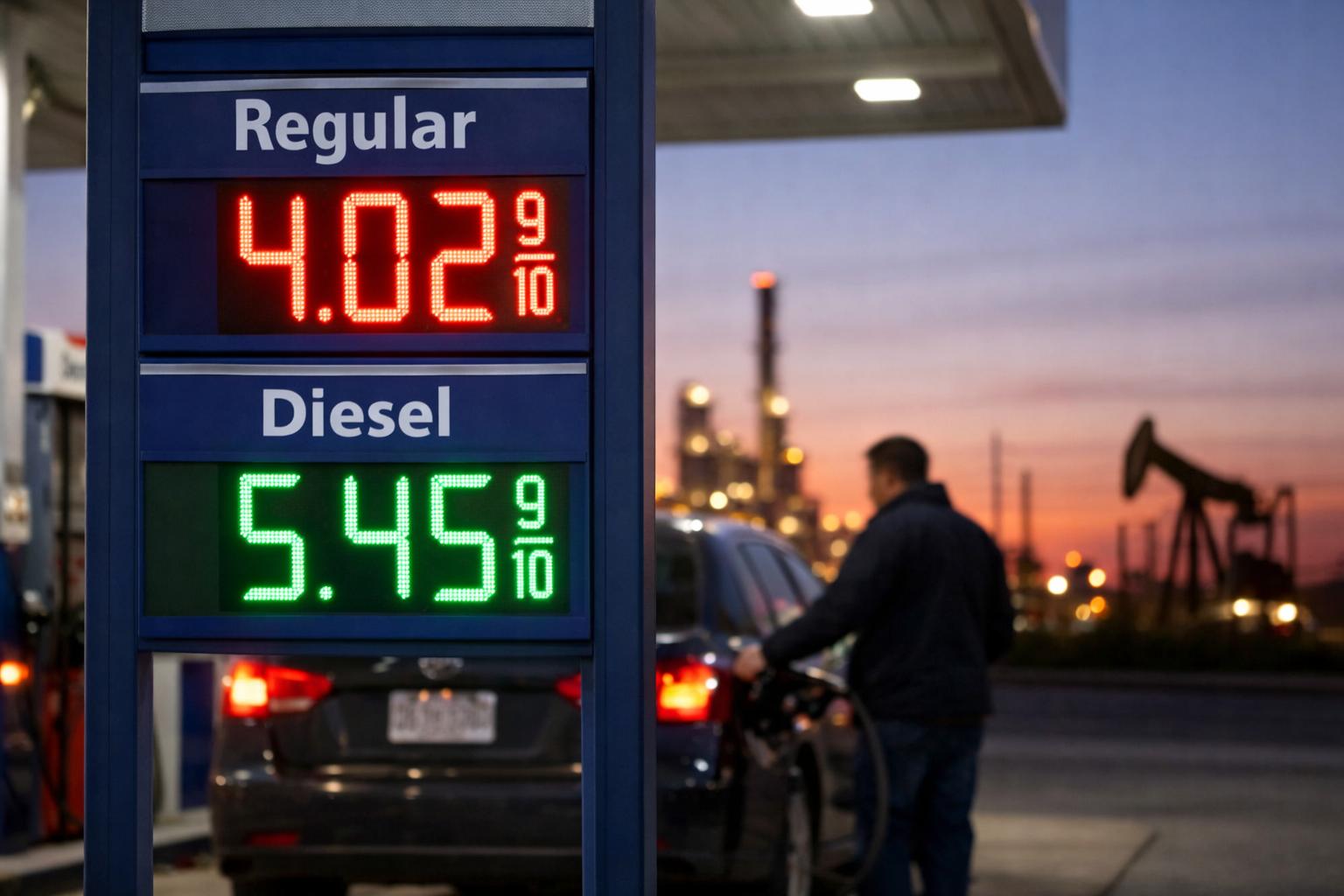
Gas prices across the United States climbed above an average of $4 per gallon on Tuesday, March 31, 2026, marking the first time since 2022 that national fuel costs have reached this level, according to data released by AAA. The national average for regular gasoline rose to $4.02 per gallon, reflecting a sharp increase of more than $1 compared to prices before the ongoing Iran conflict began on Friday, February 28, 2026. The surge is largely tied to disruptions in global oil markets followin
Rising oil costs push US gas above $4 for first time since 2022
Gas prices across the United States climbed above an average of $4 per gallon on Tuesday, March 31, 2026, marking the first time since 2022 that national fuel costs have reached this level, according to data released by AAA. The national average for regular gasoline rose to $4.02 per gallon, reflecting a sharp increase of more than $1 compared to prices before the ongoing Iran conflict began on Friday, February 28, 2026. The surge is largely tied to disruptions in global oil markets followin
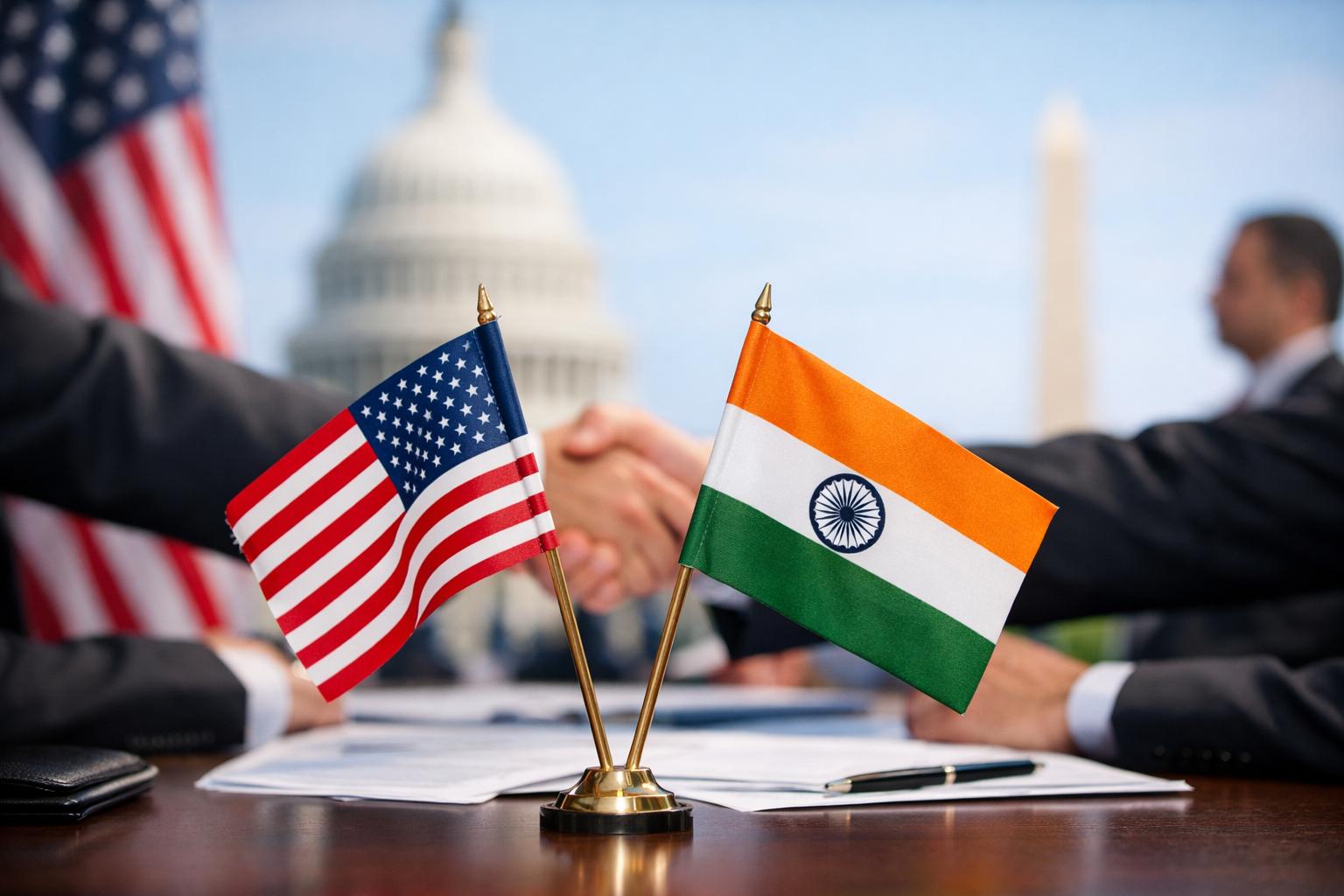
India reschedules US trade talks after Supreme Court tariff ruling
The Indian government has decided to reschedule a planned visit by its trade delegation to Washington, DC, following fresh uncertainty triggered by the US Supreme Court’s decision to strike down former president Donald Trump’s “Liberation Day” tariffs. Officials indicated that the move reflects a cautious approach as both sides assess the legal and strategic implications of the ruling on the ongoing India-US trade deal discussions. The Indian delegation, led by chief negotiator Darpa
India reschedules US trade talks after Supreme Court tariff ruling
The Indian government has decided to reschedule a planned visit by its trade delegation to Washington, DC, following fresh uncertainty triggered by the US Supreme Court’s decision to strike down former president Donald Trump’s “Liberation Day” tariffs. Officials indicated that the move reflects a cautious approach as both sides assess the legal and strategic implications of the ruling on the ongoing India-US trade deal discussions. The Indian delegation, led by chief negotiator Darpa
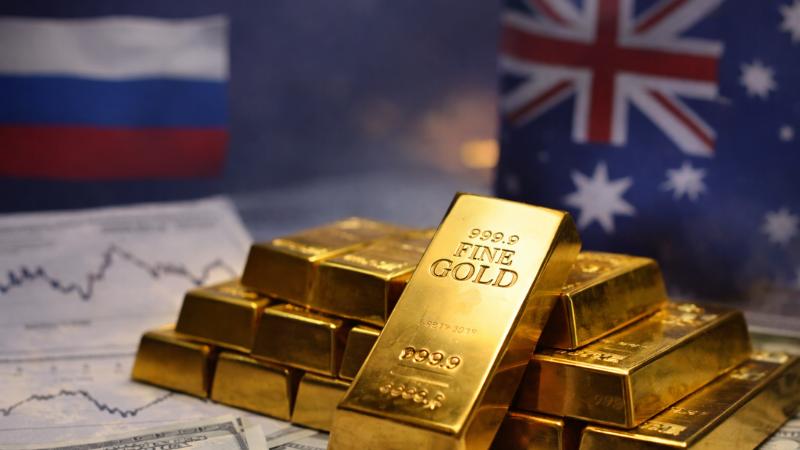
Global gold wealth mapped as seven nations dominate trillion-dollar reserves
Global gold reserves have come under renewed scrutiny as bullion prices climb to historic levels, strengthening the strategic and economic significance of mineral-rich nations. Gold is currently trading at approximately $4,290 an ounce in the international market, sharply raising the value of unmined deposits and drawing attention from investors, governments and mining companies seeking long-term supply security. Against this backdrop, geological estimates highlight a small group of countries
Global gold wealth mapped as seven nations dominate trillion-dollar reserves
Global gold reserves have come under renewed scrutiny as bullion prices climb to historic levels, strengthening the strategic and economic significance of mineral-rich nations. Gold is currently trading at approximately $4,290 an ounce in the international market, sharply raising the value of unmined deposits and drawing attention from investors, governments and mining companies seeking long-term supply security. Against this backdrop, geological estimates highlight a small group of countries
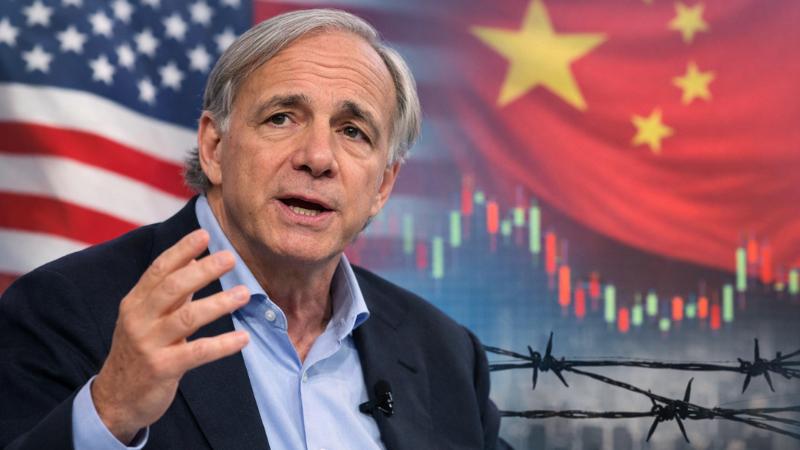
Ray Dalio flags risk of capital war as geopolitics unsettle global financial markets
Legendary investor Ray Dalio has cautioned that the global economy is approaching a dangerous tipping point, warning that mounting geopolitical frictions and unstable financial markets could trigger what he describes as a “capital war,” in which nations weaponize money, trade, and investment flows to exert influence over one another. Speaking at the World Governments Summit in Dubai, Dalio said the international system is not yet in such a conflict but is “on the brink,” with conditions that could quickly escalate. He described capital war as a scenario where governments restrict access to markets, impose sanctions, enforce capital controls, or use debt holdings and trade leverage to pressure rivals. According to Dalio, rising mistrust among major economies is increasing the likelihood of these tools being deployed more aggressively. He pointed to growing tensions between the United States and its allies and competitors as a key source of concern. Discussions surrounding Washington’s interest in Greenland, a Danish territory, as well as broader disagreements over trade and security policy, have unsettled investors. Dalio said some European holders of U.S.-denominated assets fear potential sanctions or restrictions, while American policymakers may worry about losing reliable foreign buyers for government debt. European investors have played a significant role in financing U.S. borrowing needs, accounting for a large share of foreign purchases of Treasurys in recent months. Any disruption to those flows could amplify volatility in global markets and increase funding pressures. Dalio noted that “capital, money, matters,” emphasizing that financial interdependence has become both a strength and a vulnerability for the global system. Since returning to office, President Donald Trump has introduced and, at times, rolled back punitive tariffs targeting several trading partners. Those policy shifts have added to market swings and uncertainty. Dalio said similar patterns in the past have often preceded broader economic confrontations, with governments imposing foreign exchange restrictions and tightening controls to protect domestic interests. Drawing parallels with history, he referenced periods leading up to major conflicts, when sanctions and trade barriers intensified rivalries between nations. He suggested that today’s environment could produce comparable strains, particularly in relations between the United States and China, or between the United States and Europe, where trade deficits and capital imbalances remain sensitive issues. Against this backdrop, Dalio reiterated his long-standing view that gold remains an effective hedge during periods of stress. Although prices have fluctuated recently, he said the precious metal continues to serve as a reliable diversifier for portfolios. Rather than focusing on short-term movements, he advised investors, central banks, and sovereign wealth funds to maintain a steady allocation to gold as protection against systemic risk. Ultimately, Dalio urged a disciplined approach to investing, stressing that diversification across assets and regions is the best defense in an increasingly uncertain economic landscape.
Ray Dalio flags risk of capital war as geopolitics unsettle global financial markets
Legendary investor Ray Dalio has cautioned that the global economy is approaching a dangerous tipping point, warning that mounting geopolitical frictions and unstable financial markets could trigger what he describes as a “capital war,” in which nations weaponize money, trade, and investment flows to exert influence over one another. Speaking at the World Governments Summit in Dubai, Dalio said the international system is not yet in such a conflict but is “on the brink,” with conditions that could quickly escalate. He described capital war as a scenario where governments restrict access to markets, impose sanctions, enforce capital controls, or use debt holdings and trade leverage to pressure rivals. According to Dalio, rising mistrust among major economies is increasing the likelihood of these tools being deployed more aggressively. He pointed to growing tensions between the United States and its allies and competitors as a key source of concern. Discussions surrounding Washington’s interest in Greenland, a Danish territory, as well as broader disagreements over trade and security policy, have unsettled investors. Dalio said some European holders of U.S.-denominated assets fear potential sanctions or restrictions, while American policymakers may worry about losing reliable foreign buyers for government debt. European investors have played a significant role in financing U.S. borrowing needs, accounting for a large share of foreign purchases of Treasurys in recent months. Any disruption to those flows could amplify volatility in global markets and increase funding pressures. Dalio noted that “capital, money, matters,” emphasizing that financial interdependence has become both a strength and a vulnerability for the global system. Since returning to office, President Donald Trump has introduced and, at times, rolled back punitive tariffs targeting several trading partners. Those policy shifts have added to market swings and uncertainty. Dalio said similar patterns in the past have often preceded broader economic confrontations, with governments imposing foreign exchange restrictions and tightening controls to protect domestic interests. Drawing parallels with history, he referenced periods leading up to major conflicts, when sanctions and trade barriers intensified rivalries between nations. He suggested that today’s environment could produce comparable strains, particularly in relations between the United States and China, or between the United States and Europe, where trade deficits and capital imbalances remain sensitive issues. Against this backdrop, Dalio reiterated his long-standing view that gold remains an effective hedge during periods of stress. Although prices have fluctuated recently, he said the precious metal continues to serve as a reliable diversifier for portfolios. Rather than focusing on short-term movements, he advised investors, central banks, and sovereign wealth funds to maintain a steady allocation to gold as protection against systemic risk. Ultimately, Dalio urged a disciplined approach to investing, stressing that diversification across assets and regions is the best defense in an increasingly uncertain economic landscape.
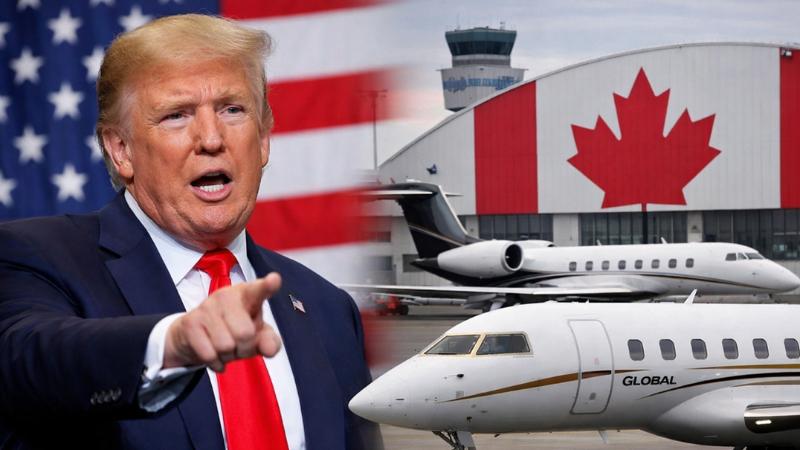
Trump threatens 50% tariffs on Canadian aircraft amid certification dispute
US President Donald Trump has intensified trade tensions with Canada by threatening to impose sweeping tariffs on Canadian-made aircraft, opening a new chapter in an already strained bilateral relationship. In a statement issued on Thursday, Trump said the United States could levy tariffs of up to 50 per cent on aircraft sold from Canada into the US market, citing what he described as Canada’s refusal to certify American-made business jets. The president also announced plans to decertify all aircraft manufactured in Canada for use in the United States, a move he said would remain in effect until Canadian regulators approve a series of jets produced by Gulfstream Aerospace. The warning was delivered through a post on Truth Social, where Trump accused Canadian authorities of erecting regulatory barriers that unfairly block American products. In his remarks, Trump singled out the Bombardier Global Express business jet, which is manufactured in Quebec, arguing that Ottawa has benefited from access to the US market while allegedly denying similar treatment to American manufacturers. He claimed Canada had “wrongfully and illegally” refused to certify the Gulfstream 500, 600, 700, and 800 models, which he described as among the most advanced aircraft in the world. According to Trump, the lack of certification effectively prevents Gulfstream from selling its jets in Canada. Trump warned that unless the situation is resolved immediately, the United States would move forward with punitive tariffs on all aircraft imported from Canada. He framed the threat as a matter of fairness and reciprocity, asserting that American companies should not face obstacles abroad while foreign competitors enjoy broad access to the US market. The aircraft dispute is the latest flashpoint in a broader deterioration of relations between the United States and Canada since Trump returned to office last year. Political and economic friction between the two long-time allies has grown steadily, with trade policy emerging as a central source of conflict. Earlier the same day as Trump’s comments, Canadian Prime Minister Mark Carney publicly urged Washington to respect Canadian sovereignty, following reports of contacts between US officials and Alberta separatist groups. Trade tensions have also been fueled by Canada’s recent diplomatic engagement with China. Trump has repeatedly warned Ottawa against deepening economic ties with Beijing, arguing that such moves could undermine US interests. He has threatened to impose tariffs as high as 100 per cent on Canadian goods if Canada proceeds with a trade agreement with China, a warning he reiterated over the weekend. In a series of earlier social media posts, Trump mocked Carney by referring to him as “Governor” and cautioned that Canada should not act as a conduit for Chinese goods entering the US market. He claimed that closer ties with Beijing would leave Canada economically vulnerable and pledged swift retaliation if such an agreement were finalized. The remarks came shortly after Carney visited Beijing, marking the first visit by a Canadian leader to China in nearly a decade. The escalating rhetoric underscores the growing uncertainty surrounding North American trade and the aerospace sector in particular. With aircraft manufacturing representing a significant industry for both countries, analysts say prolonged disputes over certification and tariffs could have far-reaching economic consequences. For now, the standoff highlights how regulatory disagreements and geopolitical concerns are increasingly shaping trade relations between Washington and Ottawa.
Trump threatens 50% tariffs on Canadian aircraft amid certification dispute
US President Donald Trump has intensified trade tensions with Canada by threatening to impose sweeping tariffs on Canadian-made aircraft, opening a new chapter in an already strained bilateral relationship. In a statement issued on Thursday, Trump said the United States could levy tariffs of up to 50 per cent on aircraft sold from Canada into the US market, citing what he described as Canada’s refusal to certify American-made business jets. The president also announced plans to decertify all aircraft manufactured in Canada for use in the United States, a move he said would remain in effect until Canadian regulators approve a series of jets produced by Gulfstream Aerospace. The warning was delivered through a post on Truth Social, where Trump accused Canadian authorities of erecting regulatory barriers that unfairly block American products. In his remarks, Trump singled out the Bombardier Global Express business jet, which is manufactured in Quebec, arguing that Ottawa has benefited from access to the US market while allegedly denying similar treatment to American manufacturers. He claimed Canada had “wrongfully and illegally” refused to certify the Gulfstream 500, 600, 700, and 800 models, which he described as among the most advanced aircraft in the world. According to Trump, the lack of certification effectively prevents Gulfstream from selling its jets in Canada. Trump warned that unless the situation is resolved immediately, the United States would move forward with punitive tariffs on all aircraft imported from Canada. He framed the threat as a matter of fairness and reciprocity, asserting that American companies should not face obstacles abroad while foreign competitors enjoy broad access to the US market. The aircraft dispute is the latest flashpoint in a broader deterioration of relations between the United States and Canada since Trump returned to office last year. Political and economic friction between the two long-time allies has grown steadily, with trade policy emerging as a central source of conflict. Earlier the same day as Trump’s comments, Canadian Prime Minister Mark Carney publicly urged Washington to respect Canadian sovereignty, following reports of contacts between US officials and Alberta separatist groups. Trade tensions have also been fueled by Canada’s recent diplomatic engagement with China. Trump has repeatedly warned Ottawa against deepening economic ties with Beijing, arguing that such moves could undermine US interests. He has threatened to impose tariffs as high as 100 per cent on Canadian goods if Canada proceeds with a trade agreement with China, a warning he reiterated over the weekend. In a series of earlier social media posts, Trump mocked Carney by referring to him as “Governor” and cautioned that Canada should not act as a conduit for Chinese goods entering the US market. He claimed that closer ties with Beijing would leave Canada economically vulnerable and pledged swift retaliation if such an agreement were finalized. The remarks came shortly after Carney visited Beijing, marking the first visit by a Canadian leader to China in nearly a decade. The escalating rhetoric underscores the growing uncertainty surrounding North American trade and the aerospace sector in particular. With aircraft manufacturing representing a significant industry for both countries, analysts say prolonged disputes over certification and tariffs could have far-reaching economic consequences. For now, the standoff highlights how regulatory disagreements and geopolitical concerns are increasingly shaping trade relations between Washington and Ottawa.
Gold And Silver Hit Record Highs: What’s Fueling The Rally And Should You Buy Now
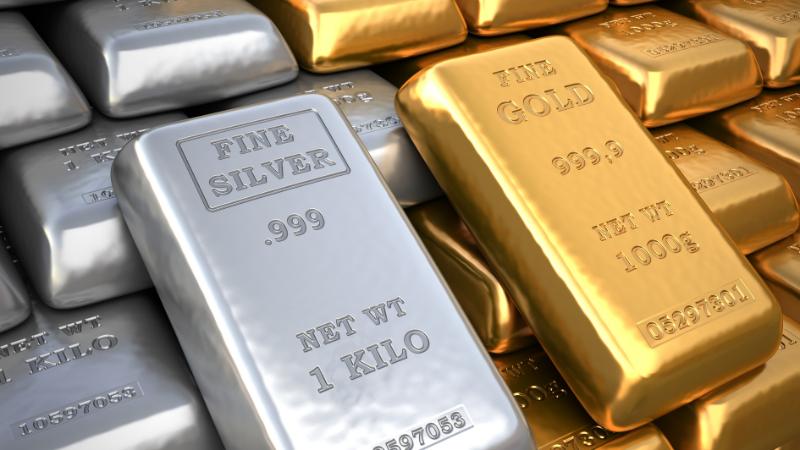
Gold and silver prices have surged to record highs as investors rush back to precious metals, turning them into one of the strongest signals of global economic anxiety. A year that began cautiously is ending with aggressive buying, driven by inflation concerns, interest rate expectations, geopolitical tensions, and fears emerging from global bond markets. On Tuesday, gold prices climbed sharply, with spot gold rising to fresh all-time highs and futures also posting strong gains. Sil
Gold And Silver Hit Record Highs: What’s Fueling The Rally And Should You Buy Now
Gold and silver prices have surged to record highs as investors rush back to precious metals, turning them into one of the strongest signals of global economic anxiety. A year that began cautiously is ending with aggressive buying, driven by inflation concerns, interest rate expectations, geopolitical tensions, and fears emerging from global bond markets. On Tuesday, gold prices climbed sharply, with spot gold rising to fresh all-time highs and futures also posting strong gains. Sil
Silver prices cross Rs 2 lakh on MCX as industrial demand and global cues boost rally
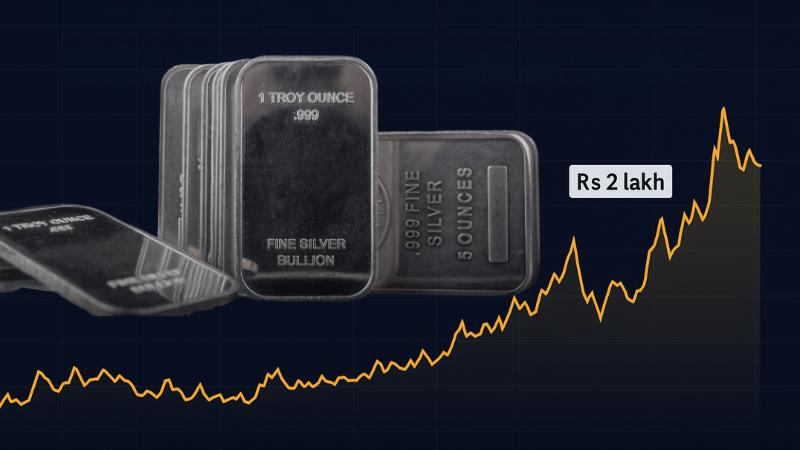
Silver prices touched a key psychological level on Friday as March futures on the Multi Commodity Exchange briefly crossed the Rs 2 lakh mark, reflecting strong momentum in the bullion market. The contract rose to an intraday high of Rs 2,00,362 before easing slightly in late trade. By 3:54 pm, silver was quoted at Rs 1,99,238, still holding most of the day’s gains as traders assessed near-term cues. The move marks the continuation of a steady rally seen over the past several weeks, driven by a combination of supportive global and domestic factors. A softer US dollar and declining global interest rates have improved the appeal of non-yielding assets such as precious metals, encouraging investor participation. At the same time, broader strength across industrial commodities has added to bullish sentiment in silver, which straddles both investment and industrial demand. Market participants point to global monetary easing as a key driver behind the recent surge. With the US Federal Reserve cutting rates again, expectations of a prolonged low-rate environment have strengthened. This has reduced the opportunity cost of holding metals and increased demand from investors seeking diversification and protection against currency volatility. A weaker dollar has further supported prices by making silver cheaper for overseas buyers, lifting global demand. Industrial consumption has also emerged as a significant pillar for prices. Silver remains a critical input for solar panels, electric vehicles, semiconductors and a wide range of electronic components. As global investment in clean energy and technology accelerates, demand for the metal continues to expand. Several industry estimates suggest that supply growth from mining has not kept pace with rising consumption, resulting in a persistent global supply deficit. In India, demand has been reinforced by the rapid expansion of solar power capacity and the government’s push to strengthen domestic electronics manufacturing. Traders noted that once silver moved decisively above the Rs 1.90 lakh resistance zone, momentum-based buying gathered pace, carrying prices toward the Rs 2 lakh threshold. The longer-term outlook remains constructive, supported by structural demand trends. Analysts tracking the market highlight that the imbalance between supply and consumption is likely to persist, keeping prices elevated. Based on these fundamentals, some projections point to a potential upside toward Rs 2.40 lakh over the medium to long term, provided global demand remains steady and mining output does not rise sharply. From a technical perspective, the ability of silver to sustain levels near Rs 2 lakh will be closely watched. Immediate resistance is seen around Rs 2,00,500, while support is placed near Rs 1,96,000. A firm close above resistance could strengthen expectations of a move toward the Rs 2.10 lakh to Rs 2.15 lakh range. However, traders caution that short-term volatility is likely, with profit booking or shifts in global rate expectations capable of triggering temporary corrections. Despite the possibility of near-term swings, the broader fundamentals continue to favour silver. Growing demand from solar, electronics and EV segments, combined with limited supply expansion, underpins the bullish outlook. The recent move past Rs 2 lakh has set a new reference point for the market, and its ability to build on this milestone will depend on how global monetary policy, industrial consumption and investor sentiment evolve in the weeks ahead.
Silver prices cross Rs 2 lakh on MCX as industrial demand and global cues boost rally
Silver prices touched a key psychological level on Friday as March futures on the Multi Commodity Exchange briefly crossed the Rs 2 lakh mark, reflecting strong momentum in the bullion market. The contract rose to an intraday high of Rs 2,00,362 before easing slightly in late trade. By 3:54 pm, silver was quoted at Rs 1,99,238, still holding most of the day’s gains as traders assessed near-term cues. The move marks the continuation of a steady rally seen over the past several weeks, driven by a combination of supportive global and domestic factors. A softer US dollar and declining global interest rates have improved the appeal of non-yielding assets such as precious metals, encouraging investor participation. At the same time, broader strength across industrial commodities has added to bullish sentiment in silver, which straddles both investment and industrial demand. Market participants point to global monetary easing as a key driver behind the recent surge. With the US Federal Reserve cutting rates again, expectations of a prolonged low-rate environment have strengthened. This has reduced the opportunity cost of holding metals and increased demand from investors seeking diversification and protection against currency volatility. A weaker dollar has further supported prices by making silver cheaper for overseas buyers, lifting global demand. Industrial consumption has also emerged as a significant pillar for prices. Silver remains a critical input for solar panels, electric vehicles, semiconductors and a wide range of electronic components. As global investment in clean energy and technology accelerates, demand for the metal continues to expand. Several industry estimates suggest that supply growth from mining has not kept pace with rising consumption, resulting in a persistent global supply deficit. In India, demand has been reinforced by the rapid expansion of solar power capacity and the government’s push to strengthen domestic electronics manufacturing. Traders noted that once silver moved decisively above the Rs 1.90 lakh resistance zone, momentum-based buying gathered pace, carrying prices toward the Rs 2 lakh threshold. The longer-term outlook remains constructive, supported by structural demand trends. Analysts tracking the market highlight that the imbalance between supply and consumption is likely to persist, keeping prices elevated. Based on these fundamentals, some projections point to a potential upside toward Rs 2.40 lakh over the medium to long term, provided global demand remains steady and mining output does not rise sharply. From a technical perspective, the ability of silver to sustain levels near Rs 2 lakh will be closely watched. Immediate resistance is seen around Rs 2,00,500, while support is placed near Rs 1,96,000. A firm close above resistance could strengthen expectations of a move toward the Rs 2.10 lakh to Rs 2.15 lakh range. However, traders caution that short-term volatility is likely, with profit booking or shifts in global rate expectations capable of triggering temporary corrections. Despite the possibility of near-term swings, the broader fundamentals continue to favour silver. Growing demand from solar, electronics and EV segments, combined with limited supply expansion, underpins the bullish outlook. The recent move past Rs 2 lakh has set a new reference point for the market, and its ability to build on this milestone will depend on how global monetary policy, industrial consumption and investor sentiment evolve in the weeks ahead.
Trump signals new tariffs on Indian rice and Canadian fertiliser amid farmer concerns
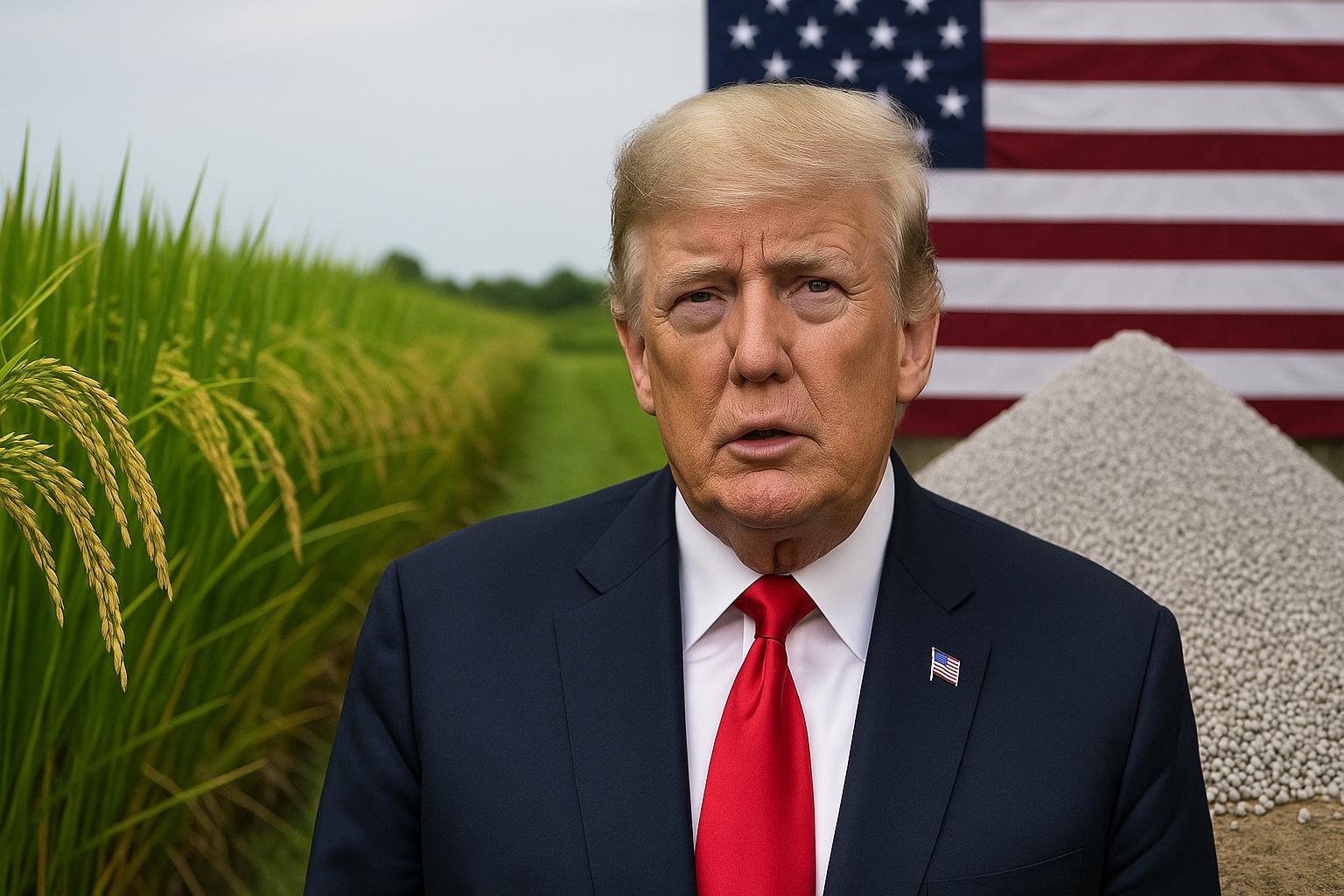
US President Donald Trump indicated that his administration is prepared to examine new tariffs on a range of agricultural imports, including Canadian fertiliser and Indian rice, after American farmers raised concerns that low-priced foreign goods were eroding their competitiveness. The comments came during a roundtable discussion at the White House, where the President unveiled a $12 billion support package intended to cushion farmers from mounting price pressures and market volatility. Througho
Trump signals new tariffs on Indian rice and Canadian fertiliser amid farmer concerns
US President Donald Trump indicated that his administration is prepared to examine new tariffs on a range of agricultural imports, including Canadian fertiliser and Indian rice, after American farmers raised concerns that low-priced foreign goods were eroding their competitiveness. The comments came during a roundtable discussion at the White House, where the President unveiled a $12 billion support package intended to cushion farmers from mounting price pressures and market volatility. Througho
India seals historic US LPG import contract for 2026 supply
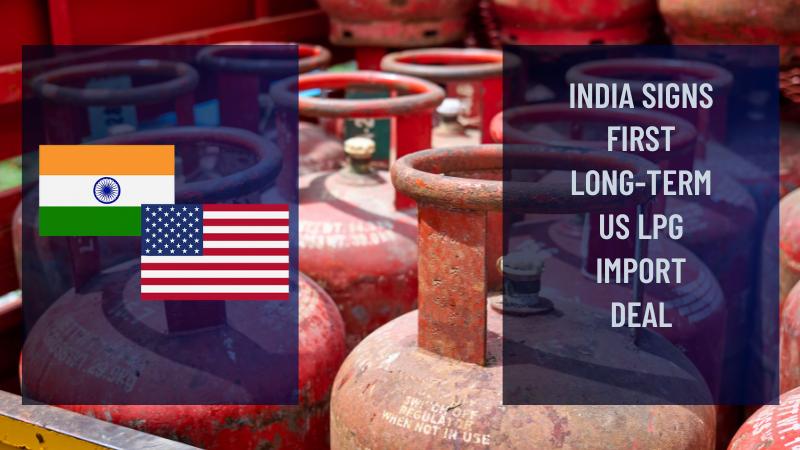
India has signed its first structured, long-term contract to import liquefied petroleum gas from the United States, marking what government officials describe as a major turning point in the country’s energy sourcing strategy. The announcement comes at a time when global energy markets remain highly volatile and nations are increasingly seeking diversified, stable supply lines. According to the Ministry of Petroleum and Natural Gas, the agreement will help safeguard India’s fuel supply du
India seals historic US LPG import contract for 2026 supply
India has signed its first structured, long-term contract to import liquefied petroleum gas from the United States, marking what government officials describe as a major turning point in the country’s energy sourcing strategy. The announcement comes at a time when global energy markets remain highly volatile and nations are increasingly seeking diversified, stable supply lines. According to the Ministry of Petroleum and Natural Gas, the agreement will help safeguard India’s fuel supply du
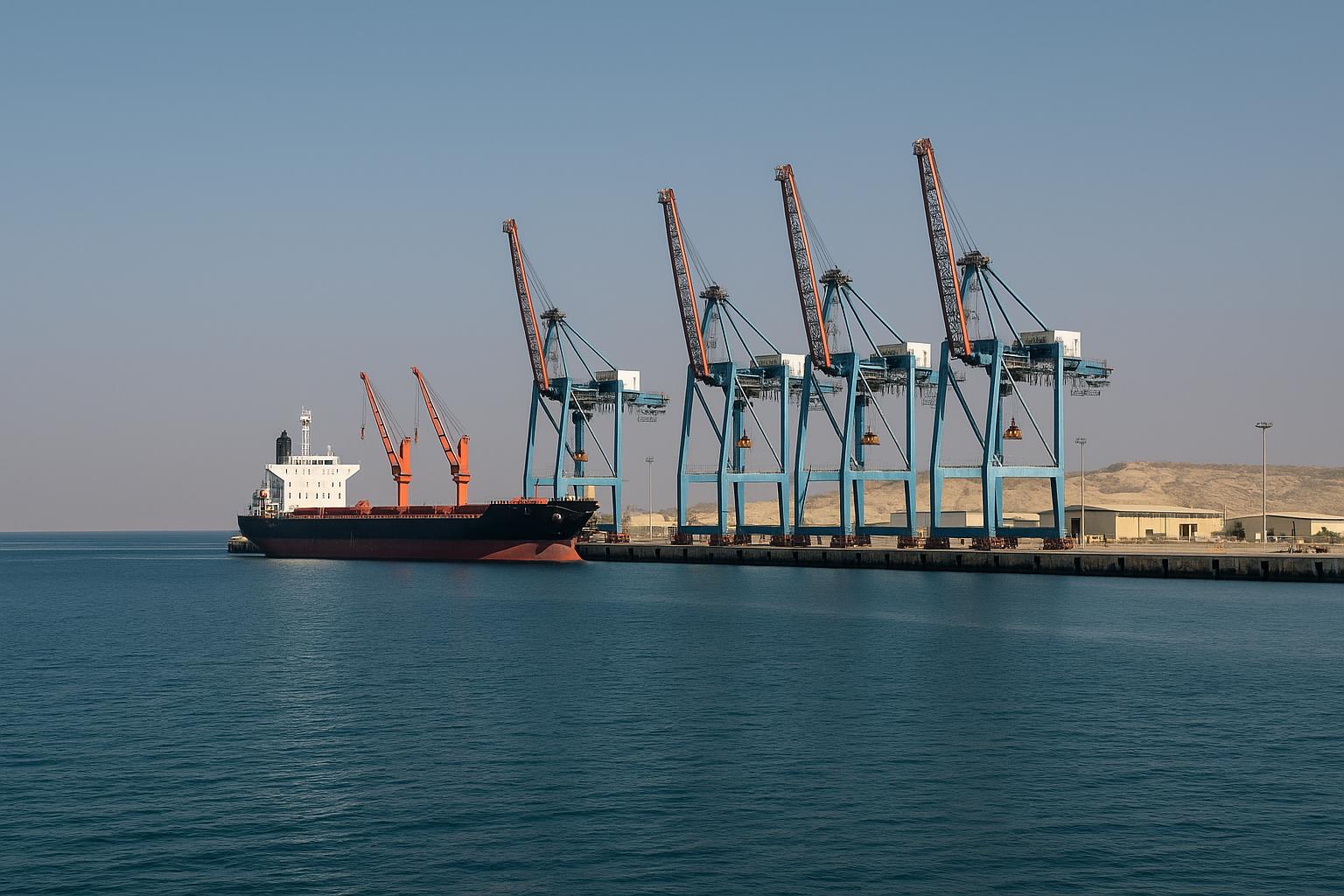
India confirms US sanctions will not impact Chabahar Port project in Iran
New Delhi: India’s Ministry of External Affairs (MEA) has clarified that the American sanctions imposed on Iran will not affect the Chabahar Port project, a critical component of India’s regional connectivity and trade strategy. The confirmation underscores New Delhi’s commitment to maintaining strategic investments in the port, even as it continues its dialogue with the United States on broader trade and diplomatic issues. The Chabahar Port, located on Iran’s southeastern c
India confirms US sanctions will not impact Chabahar Port project in Iran
New Delhi: India’s Ministry of External Affairs (MEA) has clarified that the American sanctions imposed on Iran will not affect the Chabahar Port project, a critical component of India’s regional connectivity and trade strategy. The confirmation underscores New Delhi’s commitment to maintaining strategic investments in the port, even as it continues its dialogue with the United States on broader trade and diplomatic issues. The Chabahar Port, located on Iran’s southeastern c
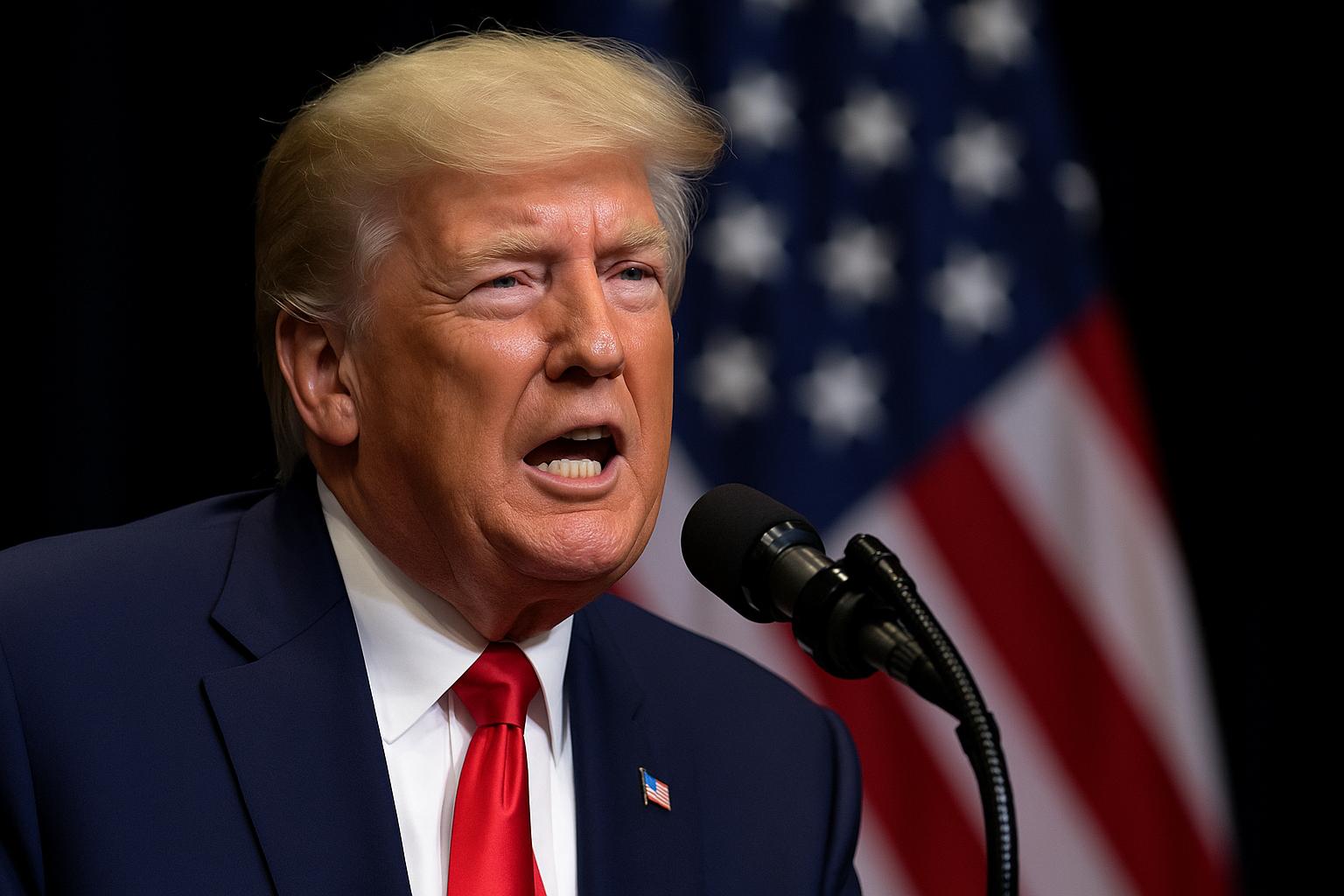
Donald Trump defends tariff policy, claims U.S. economy is thriving
United States President Donald Trump has once again defended his administration’s tariff policies, claiming that the strategy has played a major role in strengthening the U.S. economy and boosting the stock market. Since returning to office for his second term, Trump has emphasized a renewed focus on economic nationalism, arguing that countries trading with the United States must pay tariffs determined by the government to protect American interests. In his latest remarks, Trump a
Donald Trump defends tariff policy, claims U.S. economy is thriving
United States President Donald Trump has once again defended his administration’s tariff policies, claiming that the strategy has played a major role in strengthening the U.S. economy and boosting the stock market. Since returning to office for his second term, Trump has emphasized a renewed focus on economic nationalism, arguing that countries trading with the United States must pay tariffs determined by the government to protect American interests. In his latest remarks, Trump a
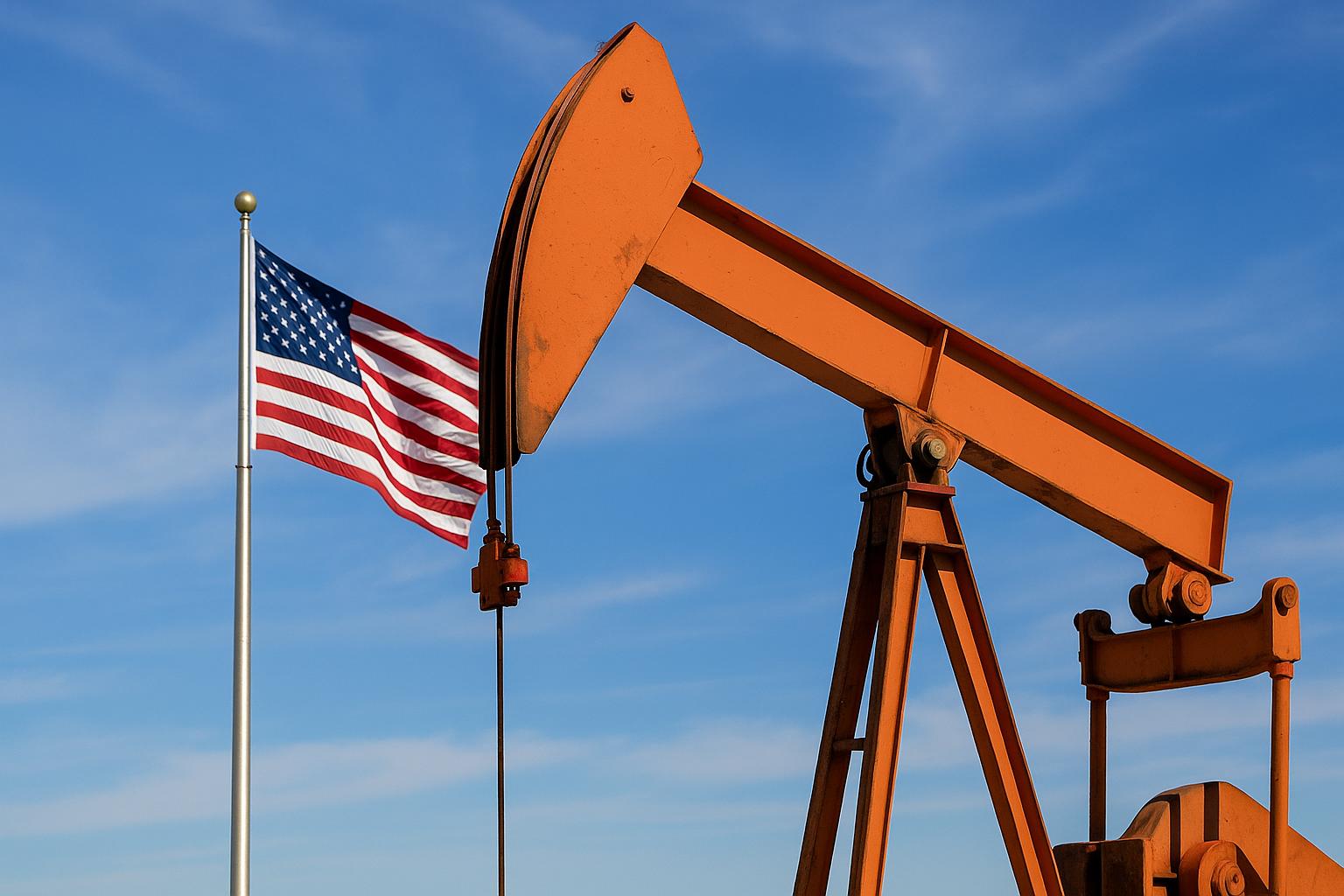
Trump sanctions Russian oil giants Rosneft and Lukoil amid Ukraine war escalation
In a significant policy reversal, U.S. President Donald Trump has imposed sweeping sanctions on Russia’s two largest oil producers, Rosneft and Lukoil, marking one of the most consequential economic measures against Moscow since the escalation of the war in Ukraine. The decision immediately triggered a 5% surge in global oil prices and prompted India, one of Russia’s biggest energy buyers, to reconsider its import strategy. The sanctions, announced on Wednesday, target companies
Trump sanctions Russian oil giants Rosneft and Lukoil amid Ukraine war escalation
In a significant policy reversal, U.S. President Donald Trump has imposed sweeping sanctions on Russia’s two largest oil producers, Rosneft and Lukoil, marking one of the most consequential economic measures against Moscow since the escalation of the war in Ukraine. The decision immediately triggered a 5% surge in global oil prices and prompted India, one of Russia’s biggest energy buyers, to reconsider its import strategy. The sanctions, announced on Wednesday, target companies

Trump clashes with appeals court over tariffs and US economy
Former United States President Donald Trump issued a stark warning on Sunday, August 31, declaring that America would be completely destroyed without the tariffs he imposed during his time in office. His comments came only days after a federal appeals court ruled that the majority of those tariffs were unlawful, sparking yet another political and legal clash over one of the central elements of his economic policy. Writing on TruthSocial, Trump insisted that wit
Trump clashes with appeals court over tariffs and US economy
Former United States President Donald Trump issued a stark warning on Sunday, August 31, declaring that America would be completely destroyed without the tariffs he imposed during his time in office. His comments came only days after a federal appeals court ruled that the majority of those tariffs were unlawful, sparking yet another political and legal clash over one of the central elements of his economic policy. Writing on TruthSocial, Trump insisted that wit

Gold Surges To All-Time High In India As Trade Disputes And Tariffs Intensify
Gold prices in India have soared to unprecedented levels, marking a historic high of Rs 1,02,191 per 10 grams on August 8, as global trade tensions, tariff escalations, and monetary policy uncertainties continue to unsettle markets. The surge reflects the precious metal’s longstanding status as a safe-haven asset, attracting investors during times of geopolitical strain and economic unpredictability. The rally i
Gold Surges To All-Time High In India As Trade Disputes And Tariffs Intensify
Gold prices in India have soared to unprecedented levels, marking a historic high of Rs 1,02,191 per 10 grams on August 8, as global trade tensions, tariff escalations, and monetary policy uncertainties continue to unsettle markets. The surge reflects the precious metal’s longstanding status as a safe-haven asset, attracting investors during times of geopolitical strain and economic unpredictability. The rally i
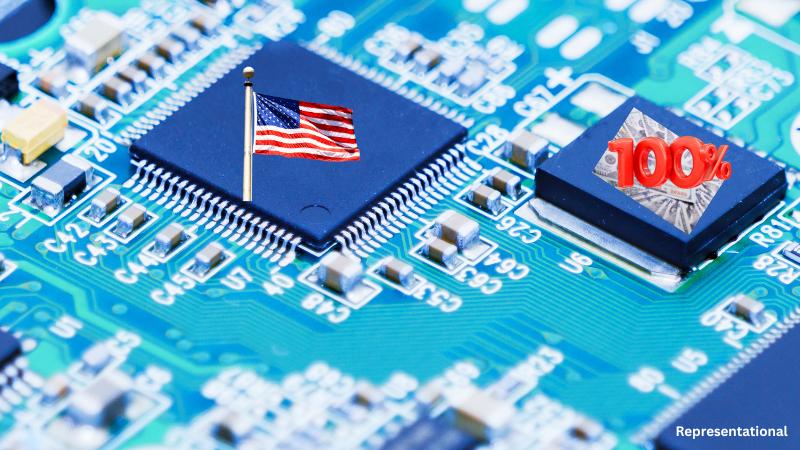
Trump announces 100 percent tariff on imported chips, exempts US-based manufacturers
In a major economic policy move, United States President Donald Trump announced on Wednesday, August 6 (local time), a new plan to impose a sweeping 100 percent tariff on imported computer chips and semiconductors, while providing full exemption for companies that manufacture them within the United States. The decision is seen as a strategic attempt to force global chipmakers to relocate or expand operations within American borders, even at the cost of short-term disruptions and potential inf
Trump announces 100 percent tariff on imported chips, exempts US-based manufacturers
In a major economic policy move, United States President Donald Trump announced on Wednesday, August 6 (local time), a new plan to impose a sweeping 100 percent tariff on imported computer chips and semiconductors, while providing full exemption for companies that manufacture them within the United States. The decision is seen as a strategic attempt to force global chipmakers to relocate or expand operations within American borders, even at the cost of short-term disruptions and potential inf

US to impose 25% tariff on Indian goods from August 1 under Trump directive
President Donald Trump has announced a 25% tariff on imports from India, set to take effect beginning August 1. This new policy move, which reflects a strong stance on economic nationalism and geopolitical alignment, is aimed at addressing what the President describes as persistent unfair trade practices by India and its continued strategic relationship with Russia. Though President Trump referred to India as a “friend,” he did not shy away from sharply criticizing the
US to impose 25% tariff on Indian goods from August 1 under Trump directive
President Donald Trump has announced a 25% tariff on imports from India, set to take effect beginning August 1. This new policy move, which reflects a strong stance on economic nationalism and geopolitical alignment, is aimed at addressing what the President describes as persistent unfair trade practices by India and its continued strategic relationship with Russia. Though President Trump referred to India as a “friend,” he did not shy away from sharply criticizing the

How AI Helps NRIs File Taxes in Both India and the USA
For Non-Resident Indians (NRIs) juggling financial commitments in both India and the United States, tax filing often becomes a yearly stress point. Each country has distinct regulations, reporting formats, and deadlines. The slightest oversight can lead to penalties or double taxation. That’s where Artificial Intelligence (AI) is proving to be a game-changer. Today, AI-powered tax tools are helping NRIs simplify,
How AI Helps NRIs File Taxes in Both India and the USA
For Non-Resident Indians (NRIs) juggling financial commitments in both India and the United States, tax filing often becomes a yearly stress point. Each country has distinct regulations, reporting formats, and deadlines. The slightest oversight can lead to penalties or double taxation. That’s where Artificial Intelligence (AI) is proving to be a game-changer. Today, AI-powered tax tools are helping NRIs simplify,
Trump signs largest-ever US-EU trade deal with 15% import tariffs
President Donald Trump has announced what he described as the largest trade agreement ever signed between the United States and the European Union. This comprehensive pact includes the imposition of a 15% tariff on European Union imports to the United States. The agreement was reached following a high-level meeting with European Commission President Ursula von der Leyen at the President’s private resort in Scotland. It was finalized just ahead of a looming deadline that could have
Trump signs largest-ever US-EU trade deal with 15% import tariffs
President Donald Trump has announced what he described as the largest trade agreement ever signed between the United States and the European Union. This comprehensive pact includes the imposition of a 15% tariff on European Union imports to the United States. The agreement was reached following a high-level meeting with European Commission President Ursula von der Leyen at the President’s private resort in Scotland. It was finalized just ahead of a looming deadline that could have
US-India Trade Deal Urgency Grows as Tariff Deadline and Global Stakes Rise
India is facing increasing pressure to conclude a trade agreement with the United States as the August 1 deadline approaches. If a deal is not reached, tariffs on key exports are expected to rise significantly to 26%, potentially impacting India's trade flows, domestic sectors, and global positioning. The urgency has been compounded by recent international developments and India's own active pursuit of balanced trade partnerships. A recent trade agreement between the Unite
US-India Trade Deal Urgency Grows as Tariff Deadline and Global Stakes Rise
India is facing increasing pressure to conclude a trade agreement with the United States as the August 1 deadline approaches. If a deal is not reached, tariffs on key exports are expected to rise significantly to 26%, potentially impacting India's trade flows, domestic sectors, and global positioning. The urgency has been compounded by recent international developments and India's own active pursuit of balanced trade partnerships. A recent trade agreement between the Unite
Trump Announces Steep 25 Percent Tariffs on 14 Nations Including Japan and South Korea Ask ChatGPT
President Donald Trump has triggered a new wave of international trade tension by announcing that the United States will impose steep import tariffs on 14 countries starting August 1. The new tariffs, set at a minimum of 25 percent, will affect both rivals and close allies, including Japan, South Korea, Malaysia, and Thailand, unless trade agreements are finalized before the deadline. This marks one of the most aggressive trade policy shifts under Trump’s renewed administration and represe
Trump Announces Steep 25 Percent Tariffs on 14 Nations Including Japan and South Korea Ask ChatGPT
President Donald Trump has triggered a new wave of international trade tension by announcing that the United States will impose steep import tariffs on 14 countries starting August 1. The new tariffs, set at a minimum of 25 percent, will affect both rivals and close allies, including Japan, South Korea, Malaysia, and Thailand, unless trade agreements are finalized before the deadline. This marks one of the most aggressive trade policy shifts under Trump’s renewed administration and represe