





















Gaza peace plan divides leaders over disarmament terms
Fresh diplomatic discussions around a proposed Gaza peace framework have exposed deep divisions over how the territory should transition after conflict. The draft outlines a multi-step roadmap covering security arrangements, reconstruction and political governance, but key stakeholders remain split on the order in which these steps should take place. At the center of the disagreement is whether armed groups should be required to disarm before any political transition begins, or whether political recognition and state-building guarantees must come first to ensure balance in negotiations. Disarmament conditions trigger political tension One version of the proposal places disarmament as a prerequisite for rebuilding efforts and formal governance structures. Supporters of this approach argue that long-term stability cannot be achieved without removing weapons from non-state actors first. Opponents reject this sequencing, warning that it could leave Palestinian authorities without leverage in future talks. They argue that political rights and institutional recognition must be secured alongside any security commitments, not after them. This divide has become one of the most sensitive issues in the ongoing talks. Aid and reconstruction tied to compliance terms Another contested element involves humanitarian aid and reconstruction funding. Some draft interpretations suggest that international assistance could be linked to compliance with security benchmarks under the proposed roadmap. Critics say this risks turning basic recovery needs into conditional political tools, potentially slowing down urgently needed rebuilding efforts. Supporters argue that conditionality is necessary to prevent renewed escalation and ensure accountability during the transition phase. Governance model and external oversight concerns The proposed framework also includes the idea of an international oversight structure to stabilize post-conflict Gaza. While intended to support security coordination and administrative rebuilding, the concept has raised concerns about long-term external control. Questions remain unanswered over who would lead local governance, how authority would be transferred over time, and what limits would be placed on external involvement. These unresolved issues continue to slow consensus-building. Trust gap widens between negotiating sides Beyond policy disagreements, a broader trust deficit is shaping the talks. Each side interprets the roadmap differently, particularly on what constitutes compliance and political progress. This lack of shared definition has made it difficult to establish a clear sequence for implementation. Analysts note that without agreed enforcement mechanisms, even minor disputes could delay or derail the entire process. Fragile outlook for ceasefire implementation While discussions continue, the overall outlook remains uncertain. The success of any ceasefire arrangement depends on whether both sides can align on sequencing, accountability, and political guarantees. Without that alignment, observers warn that the proposed roadmap risks remaining a draft framework rather than becoming an actionable peace agreement.
Gaza peace plan divides leaders over disarmament terms
Fresh diplomatic discussions around a proposed Gaza peace framework have exposed deep divisions over how the territory should transition after conflict. The draft outlines a multi-step roadmap covering security arrangements, reconstruction and political governance, but key stakeholders remain split on the order in which these steps should take place. At the center of the disagreement is whether armed groups should be required to disarm before any political transition begins, or whether political recognition and state-building guarantees must come first to ensure balance in negotiations. Disarmament conditions trigger political tension One version of the proposal places disarmament as a prerequisite for rebuilding efforts and formal governance structures. Supporters of this approach argue that long-term stability cannot be achieved without removing weapons from non-state actors first. Opponents reject this sequencing, warning that it could leave Palestinian authorities without leverage in future talks. They argue that political rights and institutional recognition must be secured alongside any security commitments, not after them. This divide has become one of the most sensitive issues in the ongoing talks. Aid and reconstruction tied to compliance terms Another contested element involves humanitarian aid and reconstruction funding. Some draft interpretations suggest that international assistance could be linked to compliance with security benchmarks under the proposed roadmap. Critics say this risks turning basic recovery needs into conditional political tools, potentially slowing down urgently needed rebuilding efforts. Supporters argue that conditionality is necessary to prevent renewed escalation and ensure accountability during the transition phase. Governance model and external oversight concerns The proposed framework also includes the idea of an international oversight structure to stabilize post-conflict Gaza. While intended to support security coordination and administrative rebuilding, the concept has raised concerns about long-term external control. Questions remain unanswered over who would lead local governance, how authority would be transferred over time, and what limits would be placed on external involvement. These unresolved issues continue to slow consensus-building. Trust gap widens between negotiating sides Beyond policy disagreements, a broader trust deficit is shaping the talks. Each side interprets the roadmap differently, particularly on what constitutes compliance and political progress. This lack of shared definition has made it difficult to establish a clear sequence for implementation. Analysts note that without agreed enforcement mechanisms, even minor disputes could delay or derail the entire process. Fragile outlook for ceasefire implementation While discussions continue, the overall outlook remains uncertain. The success of any ceasefire arrangement depends on whether both sides can align on sequencing, accountability, and political guarantees. Without that alignment, observers warn that the proposed roadmap risks remaining a draft framework rather than becoming an actionable peace agreement.
Trump signals softer tone on Zelensky amid Ukraine war shift
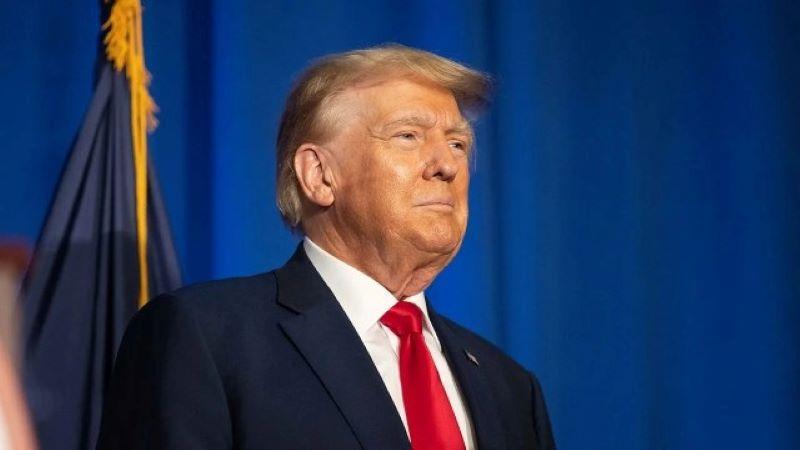
US President Donald Trump has recently shown a more measured tone when speaking about Ukrainian President Volodymyr Zelensky. During a public engagement alongside NATO leadership, Trump acknowledged Ukraine’s continued resistance in the war, describing its position as steady despite ongoing conflict. The comments mark a shift in tone compared to his earlier criticism and reflect a more cautious diplomatic posture from Washington. G7 coordination shapes US approach Recent discussions among G7 member nations have contributed to renewed alignment on Russia-related sanctions and energy strategy. Allied countries have been pushing for tighter coordination on restricting oil revenues linked to Moscow. This collective pressure has influenced US policy thinking, encouraging a more structured approach rather than isolated action. The focus remains on balancing economic pressure with long-term stability in global energy markets. Battlefield situation influences political messaging Developments on the ground in Ukraine continue to play a key role in shaping international responses. Reports of Ukraine expanding its operational reach and sustaining defensive positions have strengthened its bargaining position in diplomatic discussions. These battlefield realities are increasingly reflected in political messaging, as Western leaders reassess how the conflict may evolve over time. Energy markets and global risks remain central Global energy stability remains a key factor in foreign policy decisions. Earlier concerns linked to Middle East tensions and potential disruptions in key shipping routes had raised oil market uncertainty. As conditions show signs of stabilisation, policymakers are gaining more room to consider stricter measures on Russian energy exports without immediate economic disruption. Diplomatic outlook remains uncertain Despite continued international engagement, progress toward direct peace negotiations between Russia and Ukraine remains limited. Positions on territorial control and security guarantees continue to block meaningful breakthroughs. While diplomatic channels remain open, there is no clear indication of a near-term resolution. The current US approach reflects a balance between maintaining pressure and keeping space for future negotiations.
Trump signals softer tone on Zelensky amid Ukraine war shift
US President Donald Trump has recently shown a more measured tone when speaking about Ukrainian President Volodymyr Zelensky. During a public engagement alongside NATO leadership, Trump acknowledged Ukraine’s continued resistance in the war, describing its position as steady despite ongoing conflict. The comments mark a shift in tone compared to his earlier criticism and reflect a more cautious diplomatic posture from Washington. G7 coordination shapes US approach Recent discussions among G7 member nations have contributed to renewed alignment on Russia-related sanctions and energy strategy. Allied countries have been pushing for tighter coordination on restricting oil revenues linked to Moscow. This collective pressure has influenced US policy thinking, encouraging a more structured approach rather than isolated action. The focus remains on balancing economic pressure with long-term stability in global energy markets. Battlefield situation influences political messaging Developments on the ground in Ukraine continue to play a key role in shaping international responses. Reports of Ukraine expanding its operational reach and sustaining defensive positions have strengthened its bargaining position in diplomatic discussions. These battlefield realities are increasingly reflected in political messaging, as Western leaders reassess how the conflict may evolve over time. Energy markets and global risks remain central Global energy stability remains a key factor in foreign policy decisions. Earlier concerns linked to Middle East tensions and potential disruptions in key shipping routes had raised oil market uncertainty. As conditions show signs of stabilisation, policymakers are gaining more room to consider stricter measures on Russian energy exports without immediate economic disruption. Diplomatic outlook remains uncertain Despite continued international engagement, progress toward direct peace negotiations between Russia and Ukraine remains limited. Positions on territorial control and security guarantees continue to block meaningful breakthroughs. While diplomatic channels remain open, there is no clear indication of a near-term resolution. The current US approach reflects a balance between maintaining pressure and keeping space for future negotiations.
Venezuela Earthquakes Kill Chaos as Japan Also Records Powerful Tremors
Powerful Earthquakes Shake Venezuela and Japan Two major earthquakes measuring magnitude 7.2 and 7.5 struck Venezuela on Wednesday evening, causing widespread destruction, infrastructure damage, and panic across affected regions. The tremors brought daily life to a standstill as roads cracked, buildings collapsed, and emergency services were deployed to assess the situ
Venezuela Earthquakes Kill Chaos as Japan Also Records Powerful Tremors
Powerful Earthquakes Shake Venezuela and Japan Two major earthquakes measuring magnitude 7.2 and 7.5 struck Venezuela on Wednesday evening, causing widespread destruction, infrastructure damage, and panic across affected regions. The tremors brought daily life to a standstill as roads cracked, buildings collapsed, and emergency services were deployed to assess the situ
US NATO Tensions Rise as Trump Demands Loyalty From Allies
Trump Raises Concerns Over NATO Support During Iran Conflict US President Donald Trump has expressed strong criticism of several NATO allies, stating that they failed to adequately support the United States during its recent military confrontation involving Iran. Speaking during a meeting with NATO Secretary General Mark Rutte at the White House, Trump said he was dis
US NATO Tensions Rise as Trump Demands Loyalty From Allies
Trump Raises Concerns Over NATO Support During Iran Conflict US President Donald Trump has expressed strong criticism of several NATO allies, stating that they failed to adequately support the United States during its recent military confrontation involving Iran. Speaking during a meeting with NATO Secretary General Mark Rutte at the White House, Trump said he was dis
Strong Earthquakes Hit Venezuela and Northern Japan, No Tsunami Alert Issued
Double Earthquake Sequence Strikes Venezuela Two strong earthquakes measuring magnitude 7.2 and 7.5 struck Venezuela on Wednesday evening,June 24th 2026 according to data released by the United States Geological Survey. The agency confirmed that the second quake, measured at magnitude 7.5, occurred just 39 seconds after the initial 7.2 tremor, forming what exper
Strong Earthquakes Hit Venezuela and Northern Japan, No Tsunami Alert Issued
Double Earthquake Sequence Strikes Venezuela Two strong earthquakes measuring magnitude 7.2 and 7.5 struck Venezuela on Wednesday evening,June 24th 2026 according to data released by the United States Geological Survey. The agency confirmed that the second quake, measured at magnitude 7.5, occurred just 39 seconds after the initial 7.2 tremor, forming what exper
Israel shifts defence strategy amid US political strain
Tensions between Israel and the United States over regional security priorities have added pressure on Prime Minister Benjamin Netanyahu’s government to accelerate its push for greater military independence. The discussion has gained momentum as Israel continues operations linked to Iran-backed groups while simultaneously responding to diplomatic developments involving Washington and Tehran. Netanyahu recently emphasized that Israel cannot depend entirely on external military supply chains for long-term security needs. His remarks were delivered during a meeting with reserve officers in the West Bank, where he highlighted the importance of strengthening domestic defence production and reducing strategic vulnerabilities linked to foreign policy shifts. Domestic defence capacity becomes a strategic priority Israeli leadership is increasingly focused on expanding its local defence manufacturing ecosystem. The plan includes scaling up production of advanced weapon systems, improving technological innovation within the military sector, and reducing delays caused by international procurement dependencies. Officials argue that while US military support remains critical, future conflict scenarios require Israel to maintain uninterrupted access to essential defence capabilities without external constraints. This shift reflects broader concerns about regional instability and the speed at which security threats evolve. Diplomatic friction over regional agreements Recent US-led diplomatic efforts involving Iran have added another layer of complexity to the relationship. Israeli policymakers have expressed concern that regional understandings may not fully address threats posed by groups such as Hezbollah, which continue to operate along Israel’s northern border. From Israel’s perspective, security decisions tied to immediate threats cannot be constrained by broader international agreements. This difference in approach has created periodic friction between Washington and Jerusalem, even as both sides publicly reaffirm their strategic partnership. Political messaging highlights diverging priorities Netanyahu’s statements also reflect internal political messaging aimed at reinforcing a doctrine of strategic independence. While maintaining that the US remains Israel’s most important ally, he has repeatedly stressed that national security decisions must ultimately remain under Israeli control. The debate has also been reflected in wider political discourse, including commentary associated with US political figures and shifting positions on Middle East engagement. Although both governments continue coordination on defence matters, differences in threat assessment and timing of responses remain evident. Strategic autonomy framed as long-term necessity Israeli officials describe the current shift not as a break from alliances but as a recalibration of priorities. The focus is on ensuring that Israel can respond rapidly to evolving threats in a region marked by proxy conflicts, cross-border tensions, and shifting diplomatic alignments. The emerging strategy positions defence self-reliance as a structural requirement rather than a temporary policy adjustment, signaling a longer-term transformation in how Israel plans its security framework.
Israel shifts defence strategy amid US political strain
Tensions between Israel and the United States over regional security priorities have added pressure on Prime Minister Benjamin Netanyahu’s government to accelerate its push for greater military independence. The discussion has gained momentum as Israel continues operations linked to Iran-backed groups while simultaneously responding to diplomatic developments involving Washington and Tehran. Netanyahu recently emphasized that Israel cannot depend entirely on external military supply chains for long-term security needs. His remarks were delivered during a meeting with reserve officers in the West Bank, where he highlighted the importance of strengthening domestic defence production and reducing strategic vulnerabilities linked to foreign policy shifts. Domestic defence capacity becomes a strategic priority Israeli leadership is increasingly focused on expanding its local defence manufacturing ecosystem. The plan includes scaling up production of advanced weapon systems, improving technological innovation within the military sector, and reducing delays caused by international procurement dependencies. Officials argue that while US military support remains critical, future conflict scenarios require Israel to maintain uninterrupted access to essential defence capabilities without external constraints. This shift reflects broader concerns about regional instability and the speed at which security threats evolve. Diplomatic friction over regional agreements Recent US-led diplomatic efforts involving Iran have added another layer of complexity to the relationship. Israeli policymakers have expressed concern that regional understandings may not fully address threats posed by groups such as Hezbollah, which continue to operate along Israel’s northern border. From Israel’s perspective, security decisions tied to immediate threats cannot be constrained by broader international agreements. This difference in approach has created periodic friction between Washington and Jerusalem, even as both sides publicly reaffirm their strategic partnership. Political messaging highlights diverging priorities Netanyahu’s statements also reflect internal political messaging aimed at reinforcing a doctrine of strategic independence. While maintaining that the US remains Israel’s most important ally, he has repeatedly stressed that national security decisions must ultimately remain under Israeli control. The debate has also been reflected in wider political discourse, including commentary associated with US political figures and shifting positions on Middle East engagement. Although both governments continue coordination on defence matters, differences in threat assessment and timing of responses remain evident. Strategic autonomy framed as long-term necessity Israeli officials describe the current shift not as a break from alliances but as a recalibration of priorities. The focus is on ensuring that Israel can respond rapidly to evolving threats in a region marked by proxy conflicts, cross-border tensions, and shifting diplomatic alignments. The emerging strategy positions defence self-reliance as a structural requirement rather than a temporary policy adjustment, signaling a longer-term transformation in how Israel plans its security framework.
India weighs response to iran funeral invite for khamenei
Reports emerging from diplomatic channels suggest that Iran has extended formal communication to India regarding participation in upcoming state-level funeral and memorial ceremonies linked to its top leadership structure. While official confirmation from either government remains limited, the development is being viewed as part of ongoing West Asia diplomatic engagement. India reviews representation strategy
India weighs response to iran funeral invite for khamenei
Reports emerging from diplomatic channels suggest that Iran has extended formal communication to India regarding participation in upcoming state-level funeral and memorial ceremonies linked to its top leadership structure. While official confirmation from either government remains limited, the development is being viewed as part of ongoing West Asia diplomatic engagement. India reviews representation strategy
US Iran dispute deepens after Pakistan clarifies missile claims
Confusion over alleged discussions involving Iran’s missile capabilities in US–Iran diplomatic engagement was addressed by Pakistan after multiple conflicting interpretations surfaced from international officials. Prime Minister Shehbaz Sharif clarified that no such subject was included in any current structured understanding between Washington and Tehran, pushing back against circulating claims that had gained attention in diplomatic circles.
US Iran dispute deepens after Pakistan clarifies missile claims
Confusion over alleged discussions involving Iran’s missile capabilities in US–Iran diplomatic engagement was addressed by Pakistan after multiple conflicting interpretations surfaced from international officials. Prime Minister Shehbaz Sharif clarified that no such subject was included in any current structured understanding between Washington and Tehran, pushing back against circulating claims that had gained attention in diplomatic circles.
Germany train delays ease after GSM-R communication breakdown
Nationwide rail disruption halts services Train operations across Germany were brought to a standstill after a nationwide failure in the railway communication network disrupted services operated by Deutsche Bahn. The state-owned operator confirmed that trains were temporarily immobilised at stations as a precautionary measure while technical teams worked to identify and resolve the fault affecting the syste
Germany train delays ease after GSM-R communication breakdown
Nationwide rail disruption halts services Train operations across Germany were brought to a standstill after a nationwide failure in the railway communication network disrupted services operated by Deutsche Bahn. The state-owned operator confirmed that trains were temporarily immobilised at stations as a precautionary measure while technical teams worked to identify and resolve the fault affecting the syste
IMO begins evacuation of 11,000 sailors trapped in Strait of Hormuz crisis
IMO launches coordinated maritime evacuation The International Maritime Organization has announced the start of a large-scale evacuation of more than 11,000 sailors stranded in the Persian Gulf following months of disruption linked to the Strait of Hormuz. The operation is being carried out in coordination with regional coastal states, including Iran and Oman, along with the United States and global shipping
IMO begins evacuation of 11,000 sailors trapped in Strait of Hormuz crisis
IMO launches coordinated maritime evacuation The International Maritime Organization has announced the start of a large-scale evacuation of more than 11,000 sailors stranded in the Persian Gulf following months of disruption linked to the Strait of Hormuz. The operation is being carried out in coordination with regional coastal states, including Iran and Oman, along with the United States and global shipping
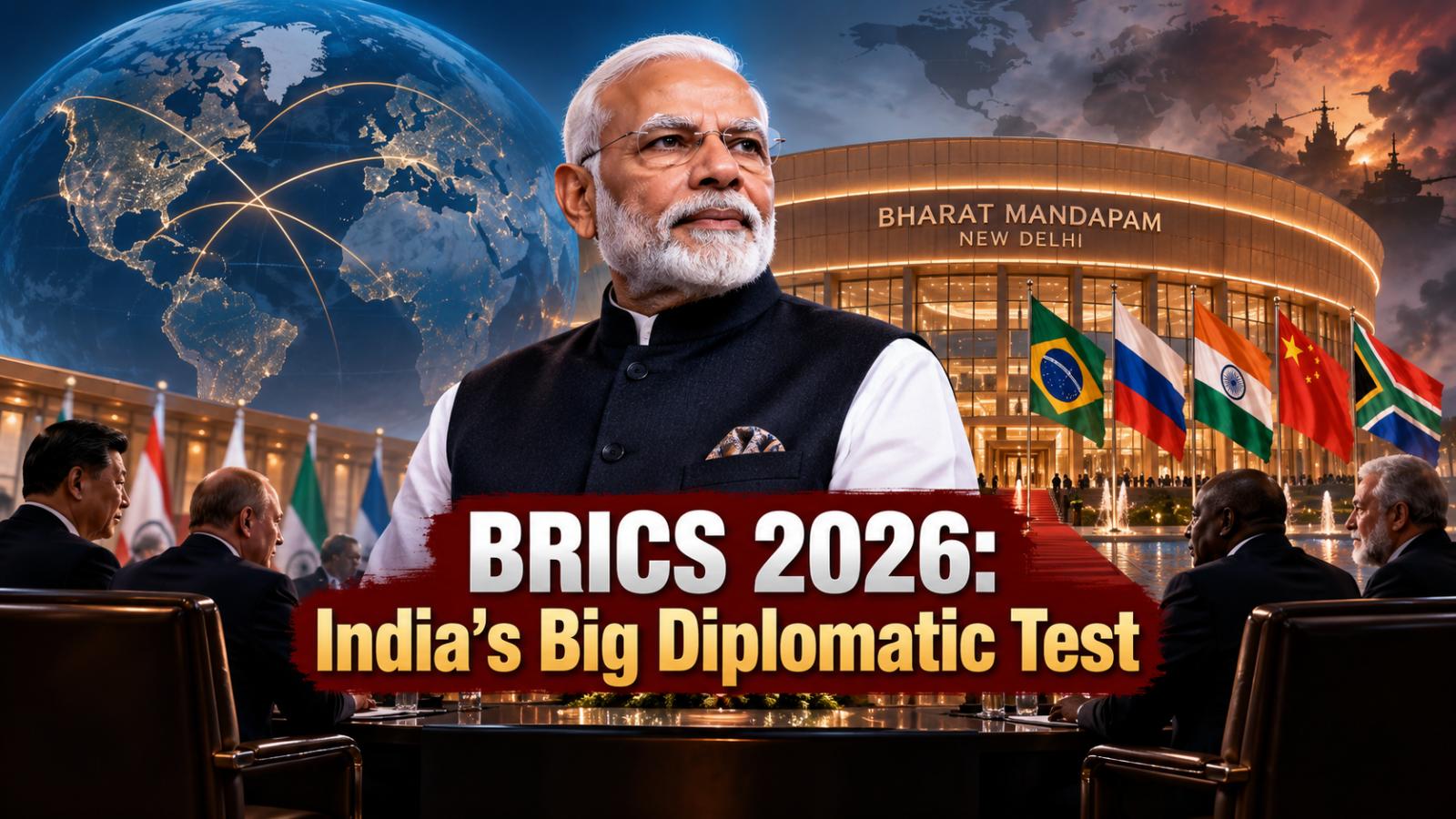
Iran UAE row escalates at BRICS NSA meeting in New Delhi
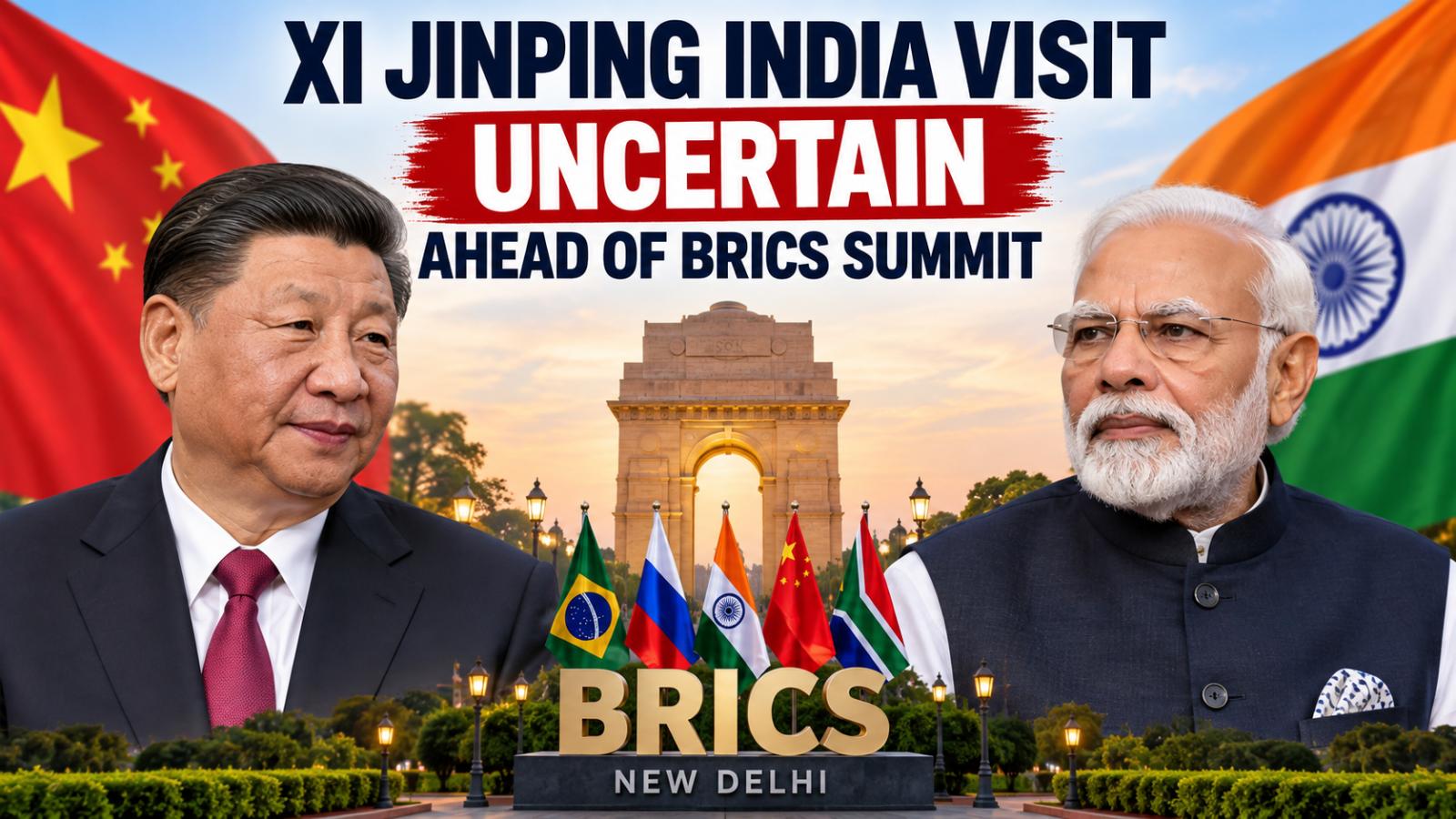
A BRICS National Security Advisers meeting in New Delhi turned tense after Iran and the United Arab Emirates exchanged strong political accusations over regional security concerns. The discussion, chaired by India’s National Security Advisor Ajit Doval, was intended to focus on cooperation in maritime safety and counterterrorism, but quickly exposed deep disagreements within the group on West Asia dynamics. Iran raises concerns over regional strikes and external involvement Iran’s delegation raised allegations linking recent regional strikes to external military coordination, suggesting that operations affecting Iranian interests were enabled through logistical and strategic support networks in the Gulf region. Tehran argued that such developments have increased risks for civilians and undermined stability across key transit zones. Strait of Hormuz remains central pressure point The Strait of Hormuz once again emerged as the most sensitive flashpoint in the discussion. Iranian representatives warned that continued military escalation near the waterway threatens global energy flows and could destabilize shipping routes that carry a significant share of the world’s oil supply. The issue highlighted how maritime security concerns are increasingly tied to broader geopolitical rivalries in the region. UAE pushes back and defends its position The UAE rejected the allegations and reiterated that it does not support or participate in hostile operations against any state. Emirati officials maintained that the country itself remains exposed to regional security threats and emphasized the need for de-escalation rather than blame-based diplomacy. Past BRICS discussions had already seen similar disagreements without consensus outcomes. BRICS unity tested by West Asia fault lines The confrontation underscored growing strain within BRICS as it expands its membership and geopolitical scope. While India has pushed for the bloc to act as a platform for dialogue and stability, persistent conflicts between member and partner states are limiting progress on unified security statements. The Iran–UAE exchange reflected how regional rivalries are increasingly shaping multilateral forums meant for cooperation rather than confrontation.
Iran UAE row escalates at BRICS NSA meeting in New Delhi
A BRICS National Security Advisers meeting in New Delhi turned tense after Iran and the United Arab Emirates exchanged strong political accusations over regional security concerns. The discussion, chaired by India’s National Security Advisor Ajit Doval, was intended to focus on cooperation in maritime safety and counterterrorism, but quickly exposed deep disagreements within the group on West Asia dynamics. Iran raises concerns over regional strikes and external involvement Iran’s delegation raised allegations linking recent regional strikes to external military coordination, suggesting that operations affecting Iranian interests were enabled through logistical and strategic support networks in the Gulf region. Tehran argued that such developments have increased risks for civilians and undermined stability across key transit zones. Strait of Hormuz remains central pressure point The Strait of Hormuz once again emerged as the most sensitive flashpoint in the discussion. Iranian representatives warned that continued military escalation near the waterway threatens global energy flows and could destabilize shipping routes that carry a significant share of the world’s oil supply. The issue highlighted how maritime security concerns are increasingly tied to broader geopolitical rivalries in the region. UAE pushes back and defends its position The UAE rejected the allegations and reiterated that it does not support or participate in hostile operations against any state. Emirati officials maintained that the country itself remains exposed to regional security threats and emphasized the need for de-escalation rather than blame-based diplomacy. Past BRICS discussions had already seen similar disagreements without consensus outcomes. BRICS unity tested by West Asia fault lines The confrontation underscored growing strain within BRICS as it expands its membership and geopolitical scope. While India has pushed for the bloc to act as a platform for dialogue and stability, persistent conflicts between member and partner states are limiting progress on unified security statements. The Iran–UAE exchange reflected how regional rivalries are increasingly shaping multilateral forums meant for cooperation rather than confrontation.
Takaichi visit signals deeper Japan India strategic cooperation
The visit of Sanae Takaichi to New Delhi marks a renewed phase in relations between Japan and India. Her meeting with
Takaichi visit signals deeper Japan India strategic cooperation
The visit of Sanae Takaichi to New Delhi marks a renewed phase in relations between Japan and India. Her meeting with
Iran–US talks stall as Lebanon crisis deepens over Hezbollah role
Negotiations between Iran and the United States are increasingly being shaped by events in Lebanon, where Hezbollah’s presence has turned a local conflict into a regional negotiation barrier. What was once a narrow security issue has evolved into a wider political and military deadlock involving multiple state and non-state actors. Hezbollah’s dual structure complicates negotiations Hezbolla
Iran–US talks stall as Lebanon crisis deepens over Hezbollah role
Negotiations between Iran and the United States are increasingly being shaped by events in Lebanon, where Hezbollah’s presence has turned a local conflict into a regional negotiation barrier. What was once a narrow security issue has evolved into a wider political and military deadlock involving multiple state and non-state actors. Hezbollah’s dual structure complicates negotiations Hezbolla
Three dead in Montreal Jewish neighbourhood shooting
Montreal shooting leaves three dead A shooting in a Jewish neighbourhood of Montreal on Monday, June 23, left three people dead, including a police officer, a local resident and the suspected gunman, according to authorities. Police said the motive had not yet been determined and urged the public to avoid the affected area while investigators continued their work. The incident took place in a part of Côte-des-Neiges known for kosher restaura
Three dead in Montreal Jewish neighbourhood shooting
Montreal shooting leaves three dead A shooting in a Jewish neighbourhood of Montreal on Monday, June 23, left three people dead, including a police officer, a local resident and the suspected gunman, according to authorities. Police said the motive had not yet been determined and urged the public to avoid the affected area while investigators continued their work. The incident took place in a part of Côte-des-Neiges known for kosher restaura
Ajit Doval and Wang Yi hold talks before BRICS meet
Doval and Wang Yi hold talks in New Delhi India’s National Security Adviser Ajit Doval and Chinese Foreign Minister Wang Yi held constructive and forward-looking talks in New Delhi on Monday, June 22,2026 ahead of the BRICS National Security Advisers’ meeting. Both sides reviewed recent developments in India China relations and noted progress toward gradual normalisation after years of strain following the 2020 border clashes in eastern L
Ajit Doval and Wang Yi hold talks before BRICS meet
Doval and Wang Yi hold talks in New Delhi India’s National Security Adviser Ajit Doval and Chinese Foreign Minister Wang Yi held constructive and forward-looking talks in New Delhi on Monday, June 22,2026 ahead of the BRICS National Security Advisers’ meeting. Both sides reviewed recent developments in India China relations and noted progress toward gradual normalisation after years of strain following the 2020 border clashes in eastern L
13 Killed in Qatar Gas Blast; Indian Nationals Among Victims
Thirteen people were killed and 66 others were injured in an explosion at a gas facility in Qatar’s Ras Laffan Industrial City on Sunday, June 21, 2026. According to preliminary information released by authorities, the people killed included Indian and Pakistani nationals. Officials have not disclosed how many victims were from India or provided a complete nationality-wise breakdown of the deaths. Indians Injured in Ras Laffan Gas Facility Explosion
13 Killed in Qatar Gas Blast; Indian Nationals Among Victims
Thirteen people were killed and 66 others were injured in an explosion at a gas facility in Qatar’s Ras Laffan Industrial City on Sunday, June 21, 2026. According to preliminary information released by authorities, the people killed included Indian and Pakistani nationals. Officials have not disclosed how many victims were from India or provided a complete nationality-wise breakdown of the deaths. Indians Injured in Ras Laffan Gas Facility Explosion
Keir Starmer resignation deepens UK political crisis
The resignation of UK Prime Minister Keir Starmer has pushed British politics into a major period of uncertainty, with Labour now preparing for a leadership contest that could decide the country’s next prime minister. Starmer announced on Monday, June 22, 2026, that he would step down after growing pressure from within his party and months of declining public support. Starmer said he would remain in office during the transition to ensure
Keir Starmer resignation deepens UK political crisis
The resignation of UK Prime Minister Keir Starmer has pushed British politics into a major period of uncertainty, with Labour now preparing for a leadership contest that could decide the country’s next prime minister. Starmer announced on Monday, June 22, 2026, that he would step down after growing pressure from within his party and months of declining public support. Starmer said he would remain in office during the transition to ensure
Trump threatens legal action over Iran report
US President Donald Trump has strongly criticized a report on the Iran conflict, accusing the publication of presenting a misleading picture of the war’s outcome. In a series of posts on Truth Social, Trump said the article ignored what he described as major military, economic and regional changes after months of fighting. Trump also warned that the coverage could become part of a multibillion-dollar lawsuit. He claimed the report unders
Trump threatens legal action over Iran report
US President Donald Trump has strongly criticized a report on the Iran conflict, accusing the publication of presenting a misleading picture of the war’s outcome. In a series of posts on Truth Social, Trump said the article ignored what he described as major military, economic and regional changes after months of fighting. Trump also warned that the coverage could become part of a multibillion-dollar lawsuit. He claimed the report unders
US Iran talks in Switzerland focus on Qatar, Pakistan role
US Iran peace talks in Switzerland have drawn fresh attention as Qatar and Pakistan take a more visible role in efforts to reduce regional tensions. The discussions, held near Lake Lucerne, brought together senior representatives linked to Washington, Tehran, Doha and Islamabad at a time when the Middle East remains under pressure from nuclear concerns, shipping risks and ceasefire disputes. The talks are being watched closely because they
US Iran talks in Switzerland focus on Qatar, Pakistan role
US Iran peace talks in Switzerland have drawn fresh attention as Qatar and Pakistan take a more visible role in efforts to reduce regional tensions. The discussions, held near Lake Lucerne, brought together senior representatives linked to Washington, Tehran, Doha and Islamabad at a time when the Middle East remains under pressure from nuclear concerns, shipping risks and ceasefire disputes. The talks are being watched closely because they
US-Iran talks set 60-day roadmap after Swiss summit
US-Iran talks in Switzerland have ended with cautious progress after senior officials from Washington and Tehran agreed to continue discussions through a 60-day roadmap. The meeting, supported by Pakistan and Qatar as mediators, did not deliver a final agreement, but it gave both sides a structured process to address sanctions, nuclear concerns, regional security and the safety of shipping through the Strait of Hormuz. The talks were held
US-Iran talks set 60-day roadmap after Swiss summit
US-Iran talks in Switzerland have ended with cautious progress after senior officials from Washington and Tehran agreed to continue discussions through a 60-day roadmap. The meeting, supported by Pakistan and Qatar as mediators, did not deliver a final agreement, but it gave both sides a structured process to address sanctions, nuclear concerns, regional security and the safety of shipping through the Strait of Hormuz. The talks were held


