Israel Baby Names 5786: Mohammed, Ariel and Avigail Lead
Israel baby names 5786 data reveals Mohammed, Ariel and Avigail as the leading choices ahead of Rosh Hashanah. New Population Registry figures also show 179,398 babies registered, while Jerusalem recorded the highest number of births among Israeli cities. Top Boy Names in Israel Mohammed ranked as the most common name for boys across Israel's overall population during Hebrew year 5786, accordin
Israel Baby Names 5786: Mohammed, Ariel and Avigail Lead
Israel baby names 5786 data reveals Mohammed, Ariel and Avigail as the leading choices ahead of Rosh Hashanah. New Population Registry figures also show 179,398 babies registered, while Jerusalem recorded the highest number of births among Israeli cities. Top Boy Names in Israel Mohammed ranked as the most common name for boys across Israel's overall population during Hebrew year 5786, accordin
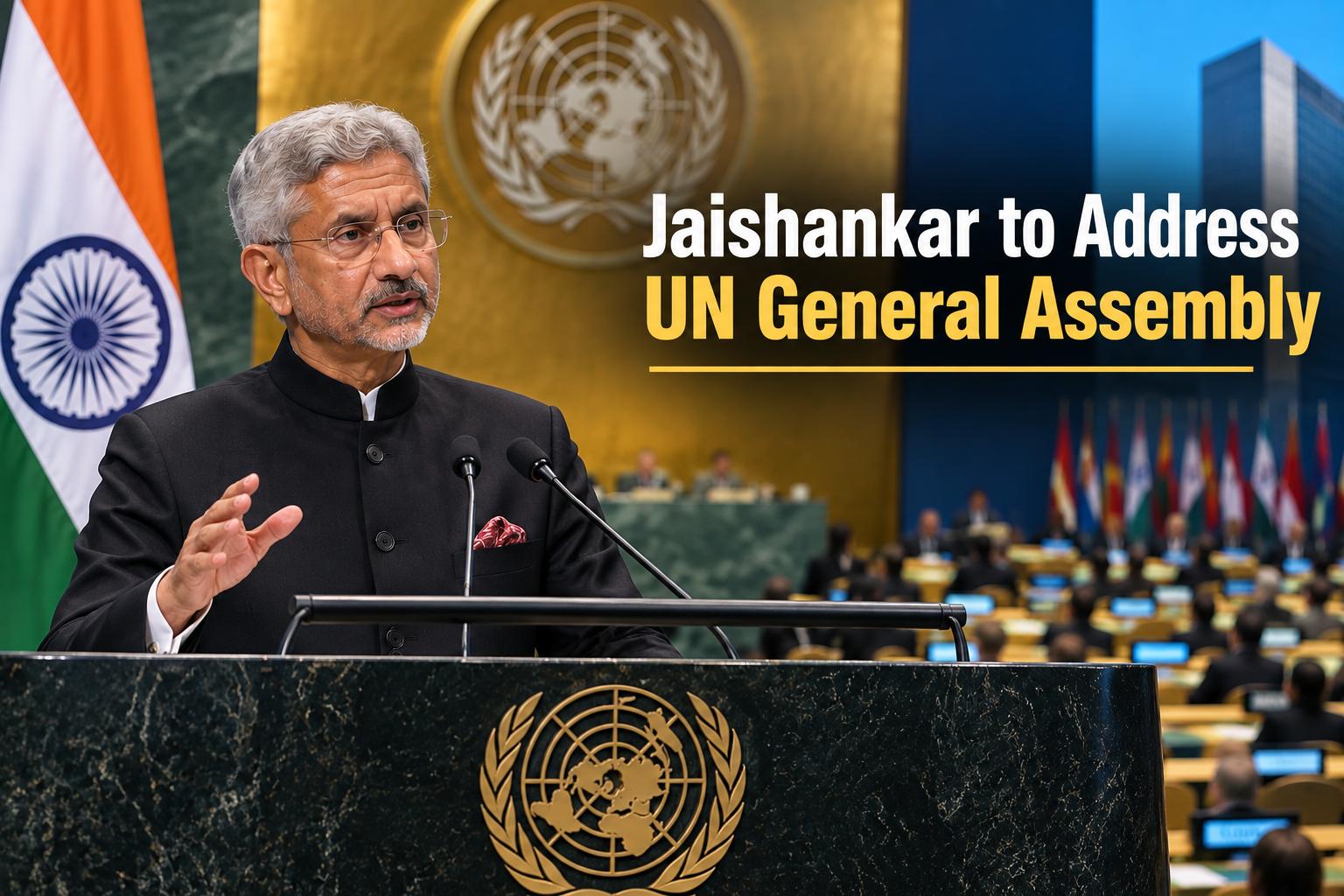
S Jaishankar to Address UN General Assembly on September 26
External Affairs Minister S Jaishankar is scheduled to address the 81st session of the United Nations General Assembly in New York on September 26, representing India during the annual high-level General Debate attended by world leaders and senior diplomats. Jaishankar to Represent India at UNGA 2026 NEW DELHI, September 5, 2026. External Affairs Minister S Jaishankar will deliver India’s nationa
S Jaishankar to Address UN General Assembly on September 26
External Affairs Minister S Jaishankar is scheduled to address the 81st session of the United Nations General Assembly in New York on September 26, representing India during the annual high-level General Debate attended by world leaders and senior diplomats. Jaishankar to Represent India at UNGA 2026 NEW DELHI, September 5, 2026. External Affairs Minister S Jaishankar will deliver India’s nationa
ISRO EOS-05 launch succeeds as GSLV-F17 reaches orbit
India opened September 4 with a major space achievement as ISRO successfully launched EOS-05 aboard GSLV-F17 from Sriharikota. The day also brought major geopolitical developments involving Trump’s backing for a Syria-Hormuz alternative, pressure on Iran and Venezuela’s new oil arrangements. ISRO EOS-05 launch succeeds from Sriharikota The Indian Space Research Organisation successfully com
ISRO EOS-05 launch succeeds as GSLV-F17 reaches orbit
India opened September 4 with a major space achievement as ISRO successfully launched EOS-05 aboard GSLV-F17 from Sriharikota. The day also brought major geopolitical developments involving Trump’s backing for a Syria-Hormuz alternative, pressure on Iran and Venezuela’s new oil arrangements. ISRO EOS-05 launch succeeds from Sriharikota The Indian Space Research Organisation successfully com
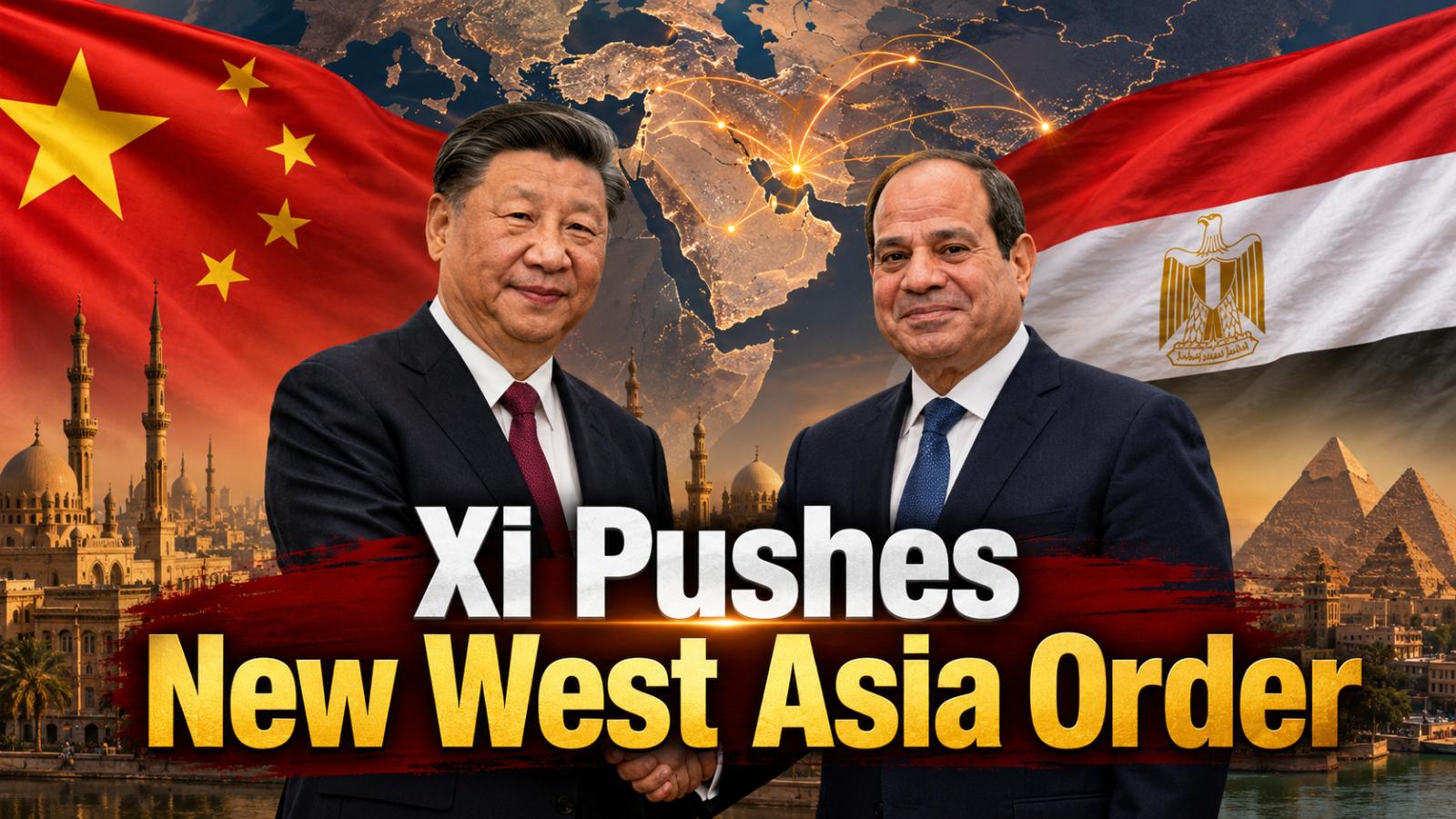
Xi Jinping Egypt visit signals China’s bigger West Asia push
Chinese President Xi Jinping’s visit to Egypt has placed China’s expanding role in West Asia under the spotlight as regional governments reassess security partnerships amid the continuing US-Iran conflict. In Cairo, Xi called for regional countries to resist external interference and explore a new security architecture while deepening economic and strategic cooperation with Egypt. Xi Jinping Egypt visit sends regional security mess
Xi Jinping Egypt visit signals China’s bigger West Asia push
Chinese President Xi Jinping’s visit to Egypt has placed China’s expanding role in West Asia under the spotlight as regional governments reassess security partnerships amid the continuing US-Iran conflict. In Cairo, Xi called for regional countries to resist external interference and explore a new security architecture while deepening economic and strategic cooperation with Egypt. Xi Jinping Egypt visit sends regional security mess
El Nino 2026 could become strongest in four decades, WMO warns
A powerful El Nino is strengthening across the tropical Pacific and could become the most intense event recorded during four decades of World Meteorological Organization monitoring. The WMO says there is a nearly 100% likelihood that the event will persist through February 2027, with major implications for global temperatures, rainfall and extreme weather. El Nino 2026 could reach exceptional strength
El Nino 2026 could become strongest in four decades, WMO warns
A powerful El Nino is strengthening across the tropical Pacific and could become the most intense event recorded during four decades of World Meteorological Organization monitoring. The WMO says there is a nearly 100% likelihood that the event will persist through February 2027, with major implications for global temperatures, rainfall and extreme weather. El Nino 2026 could reach exceptional strength
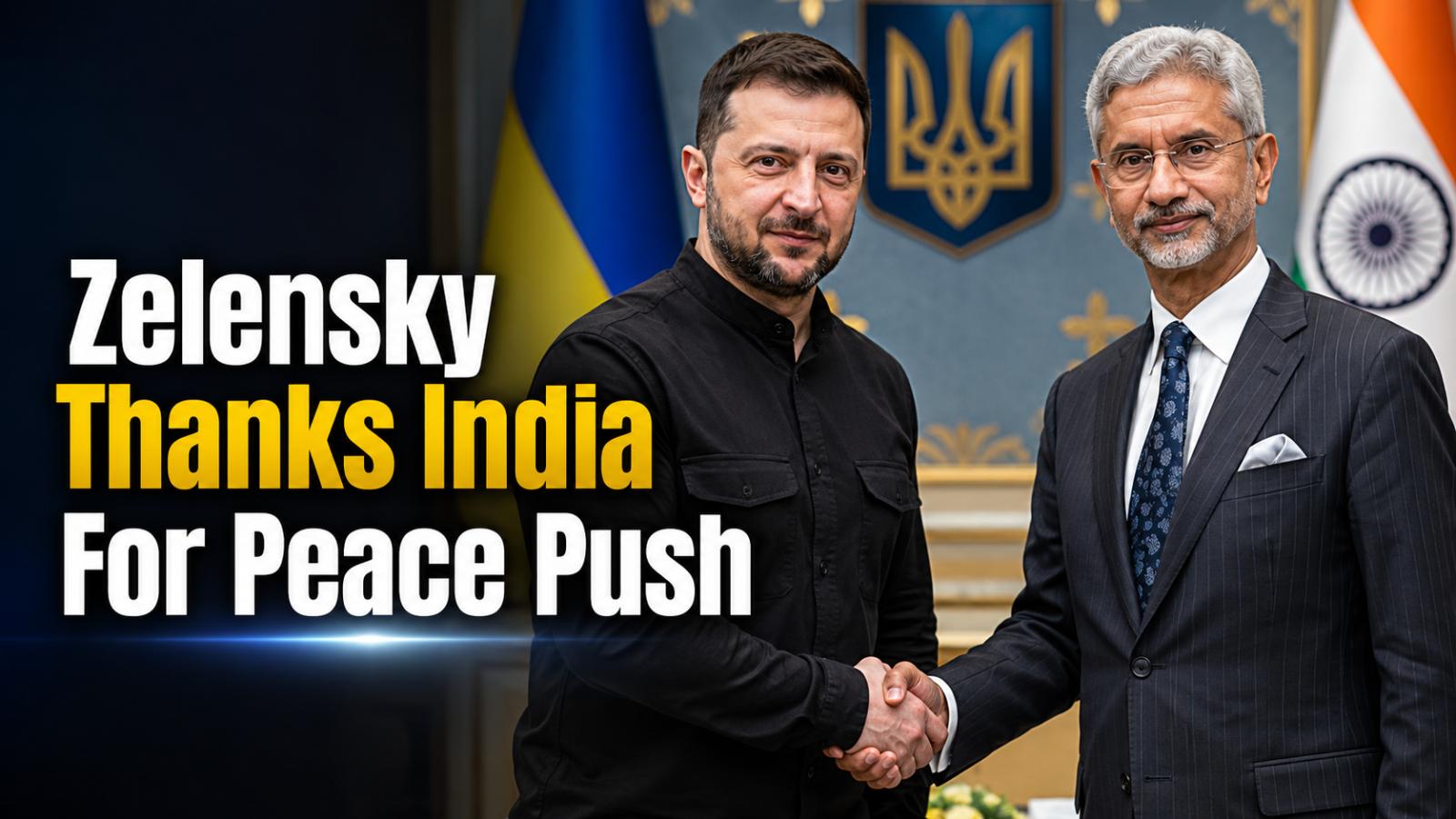
Zelensky thanks India for peace push after Jaishankar meeting
Ukrainian President Volodymyr Zelensky has thanked India for supporting efforts to end the Russia-Ukraine war after meeting External Affairs Minister S Jaishankar in Kyiv. Their talks covered possible paths to peace, Black Sea shipping security and wider India-Ukraine cooperation. Zelensky thanks India for Ukraine peace efforts Zelensky met Jaishankar in Kyiv on September 3 during what the Ukra
Zelensky thanks India for peace push after Jaishankar meeting
Ukrainian President Volodymyr Zelensky has thanked India for supporting efforts to end the Russia-Ukraine war after meeting External Affairs Minister S Jaishankar in Kyiv. Their talks covered possible paths to peace, Black Sea shipping security and wider India-Ukraine cooperation. Zelensky thanks India for Ukraine peace efforts Zelensky met Jaishankar in Kyiv on September 3 during what the Ukra
Taliban offers US access to Afghanistan mineral wealth
Afghanistan’s mineral wealth has emerged as a key part of the Taliban government’s attempt to improve relations with the United States. Foreign Minister Amir Khan Muttaqi says Kabul would welcome American investment in mining, infrastructure, agriculture and trade while seeking sanctions relief and access to frozen Afghan central bank reserves. Afghanistan mineral wealth becomes Taliban’s US pitch
Taliban offers US access to Afghanistan mineral wealth
Afghanistan’s mineral wealth has emerged as a key part of the Taliban government’s attempt to improve relations with the United States. Foreign Minister Amir Khan Muttaqi says Kabul would welcome American investment in mining, infrastructure, agriculture and trade while seeking sanctions relief and access to frozen Afghan central bank reserves. Afghanistan mineral wealth becomes Taliban’s US pitch
Xi Jinping calls for new Middle East security order in Egypt
Chinese President Xi Jinping has used his state visit to Egypt to call for a new Middle East security architecture, urging regional countries to resist external interference and take greater control of their own security decisions. His visit comes as China seeks a larger diplomatic and economic role in a region unsettled by the US-Iran conflict. Xi Jinping calls for new Middle East security order
Xi Jinping calls for new Middle East security order in Egypt
Chinese President Xi Jinping has used his state visit to Egypt to call for a new Middle East security architecture, urging regional countries to resist external interference and take greater control of their own security decisions. His visit comes as China seeks a larger diplomatic and economic role in a region unsettled by the US-Iran conflict. Xi Jinping calls for new Middle East security order
Himalayan glacial flood risk rises as climate warming accelerates
The Himalayas face a growing danger from glacial floods as warming temperatures destabilize glaciers and expand high-altitude lakes. UN officials and Chinese authorities have warned that millions of people across Nepal, China and India could face more destructive events in the years ahead. Himalayan glacial floods threaten mountain communities Concerns have intensified following the catastrophi
Himalayan glacial flood risk rises as climate warming accelerates
The Himalayas face a growing danger from glacial floods as warming temperatures destabilize glaciers and expand high-altitude lakes. UN officials and Chinese authorities have warned that millions of people across Nepal, China and India could face more destructive events in the years ahead. Himalayan glacial floods threaten mountain communities Concerns have intensified following the catastrophi
Tyler Robinson to face trial in Charlie Kirk killing case
Tyler Robinson will stand trial on an aggravated murder charge in the killing of conservative activist Charlie Kirk after a Utah judge ruled prosecutors had presented sufficient evidence to move the case forward. Robinson pleaded not guilty, while prosecutors continue to seek the death penalty. Tyler Robinson trial moves forward Utah District Judge Tony Graf ruled on September 1 that prosecutor
Tyler Robinson to face trial in Charlie Kirk killing case
Tyler Robinson will stand trial on an aggravated murder charge in the killing of conservative activist Charlie Kirk after a Utah judge ruled prosecutors had presented sufficient evidence to move the case forward. Robinson pleaded not guilty, while prosecutors continue to seek the death penalty. Tyler Robinson trial moves forward Utah District Judge Tony Graf ruled on September 1 that prosecutor
Netflix’s The Decoy Plane reveals Trump’s secret aircraft switch
Netflix is preparing to release The Decoy Plane, a new Instadocs documentary examining President Donald Trump’s secret aircraft switch during his July 2026 trip to Turkey. The film uses firsthand accounts to explore the security operation, the role of the press corps and why reporters continued aboard what effectively became a decoy plane. Trump secret plane switch in Turkey The incident took
Netflix’s The Decoy Plane reveals Trump’s secret aircraft switch
Netflix is preparing to release The Decoy Plane, a new Instadocs documentary examining President Donald Trump’s secret aircraft switch during his July 2026 trip to Turkey. The film uses firsthand accounts to explore the security operation, the role of the press corps and why reporters continued aboard what effectively became a decoy plane. Trump secret plane switch in Turkey The incident took
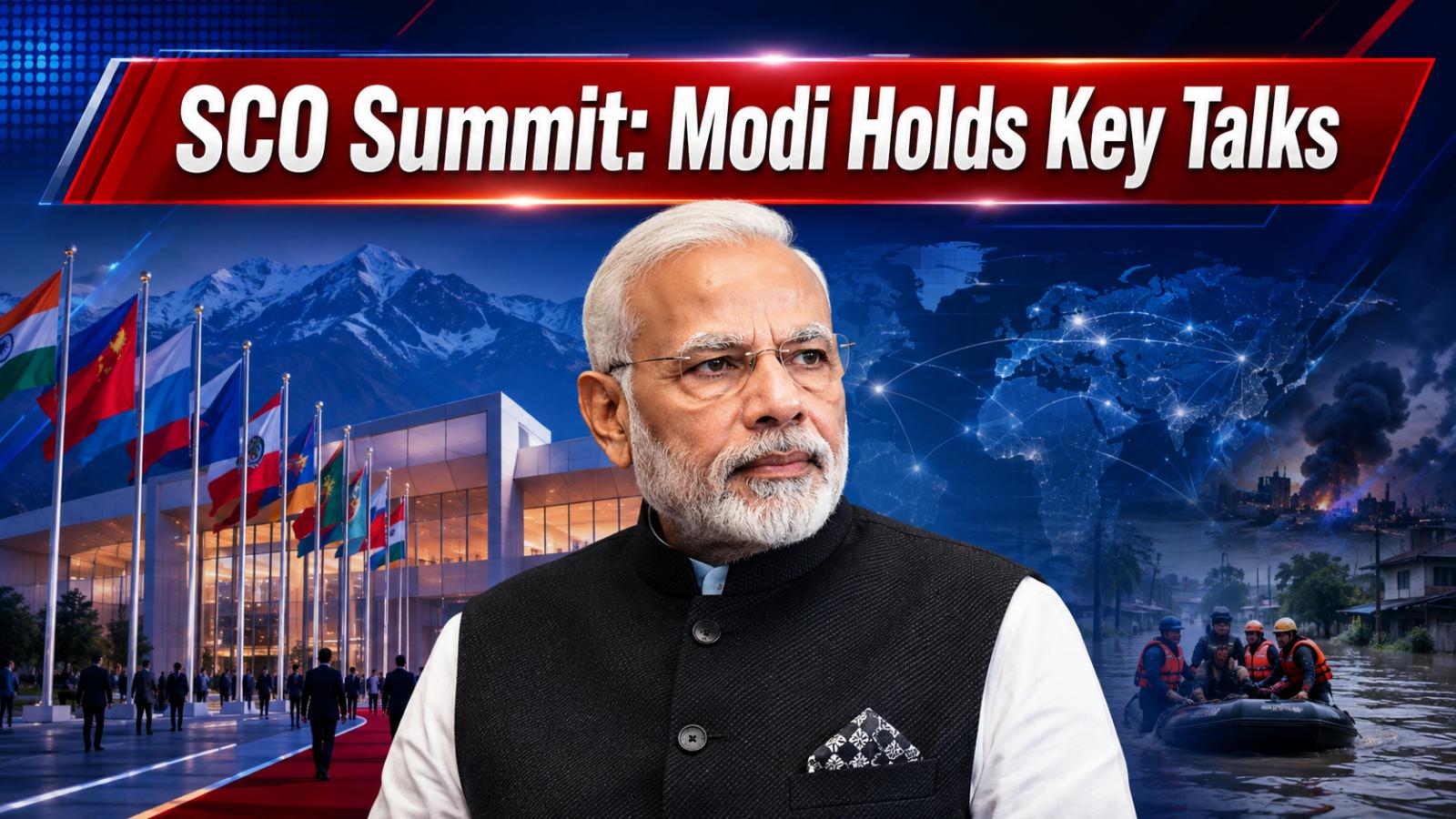
SCO Summit 2026: Modi-Putin Talks Put Ukraine Peace in Focus
The SCO Summit 2026 remains at the centre of global attention as Prime Minister Narendra Modi holds high-level meetings in Bishkek. Modi’s talks with Russian President Vladimir Putin focused on bilateral ties and the need for dialogue to resolve conflicts, while Nepal continues a massive flood rescue operation and Pakistan sees fresh political chatter around Bilawal Bhutto Zardari.
SCO Summit 2026: Modi-Putin Talks Put Ukraine Peace in Focus
The SCO Summit 2026 remains at the centre of global attention as Prime Minister Narendra Modi holds high-level meetings in Bishkek. Modi’s talks with Russian President Vladimir Putin focused on bilateral ties and the need for dialogue to resolve conflicts, while Nepal continues a massive flood rescue operation and Pakistan sees fresh political chatter around Bilawal Bhutto Zardari.
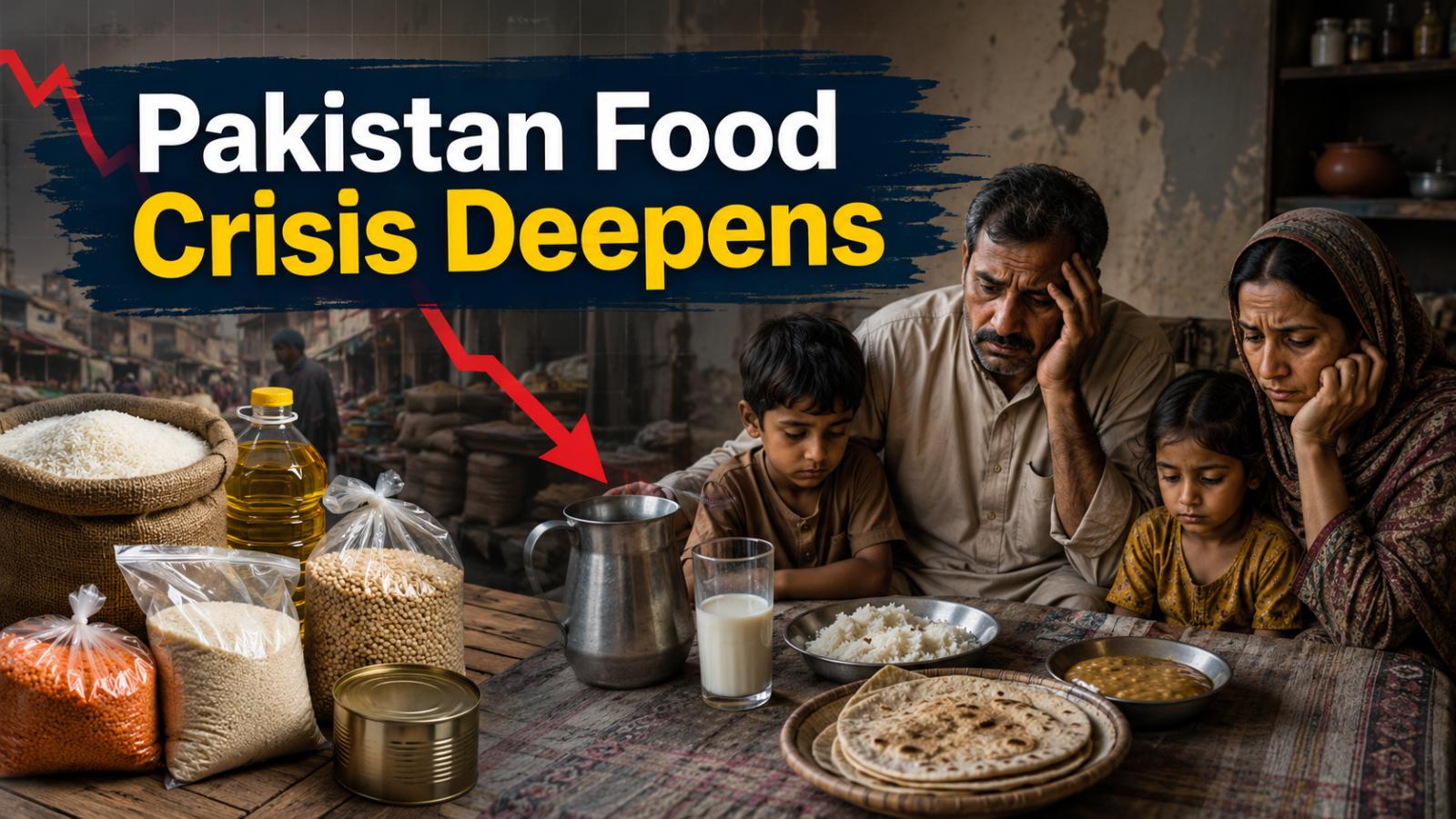
Pakistan Food Crisis Deepens as Families Eat Less, Spend More
Pakistan’s food crisis is increasingly visible at the household level, with official data showing families consuming less of many everyday foods while food insecurity continues to rise. The decline in milk, meat, rice and other staples suggests that affordability is reshaping diets and pushing more households toward cheaper sources of calories.
Pakistan Food Crisis Deepens as Families Eat Less, Spend More
Pakistan’s food crisis is increasingly visible at the household level, with official data showing families consuming less of many everyday foods while food insecurity continues to rise. The decline in milk, meat, rice and other staples suggests that affordability is reshaping diets and pushing more households toward cheaper sources of calories.
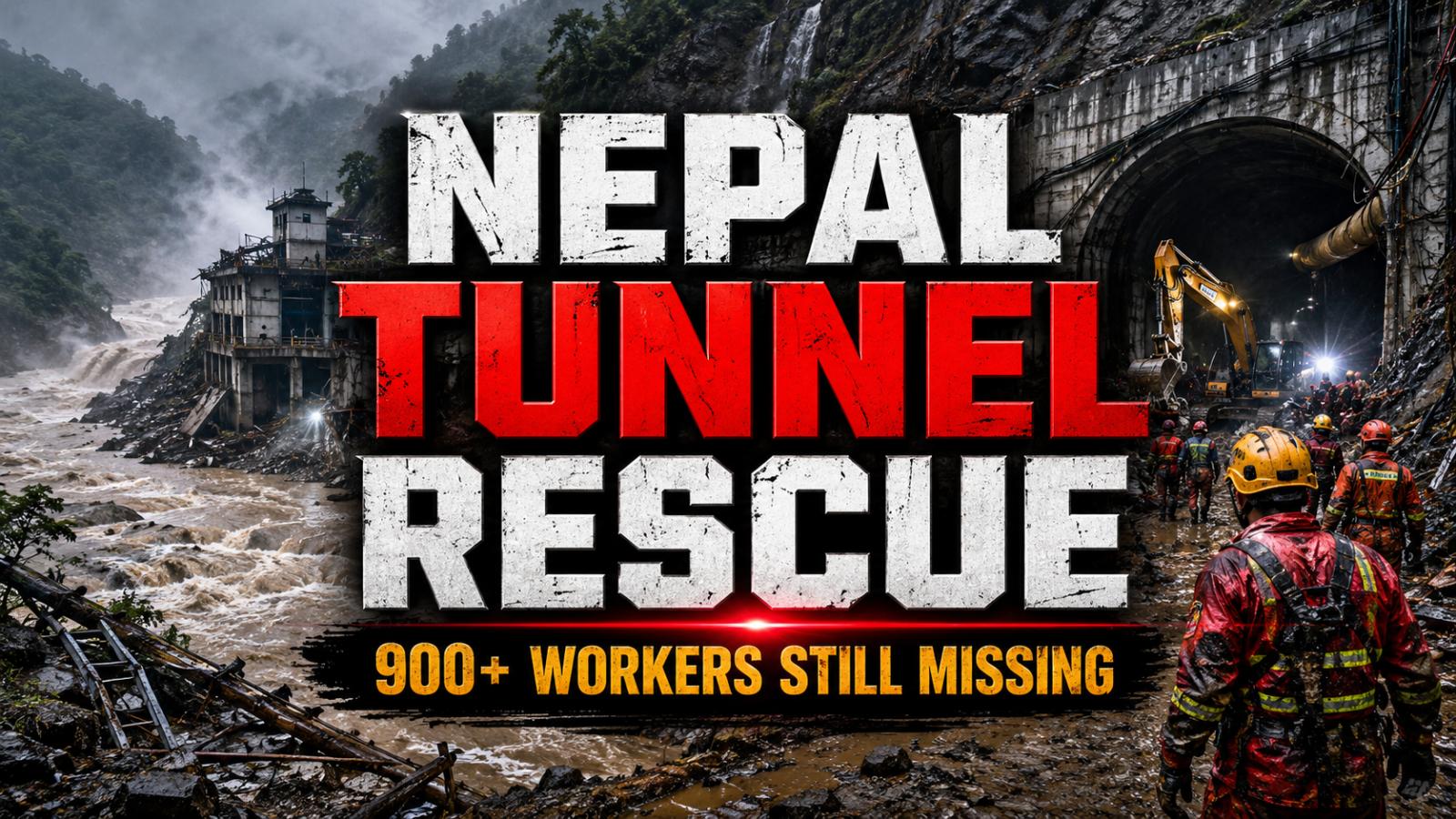
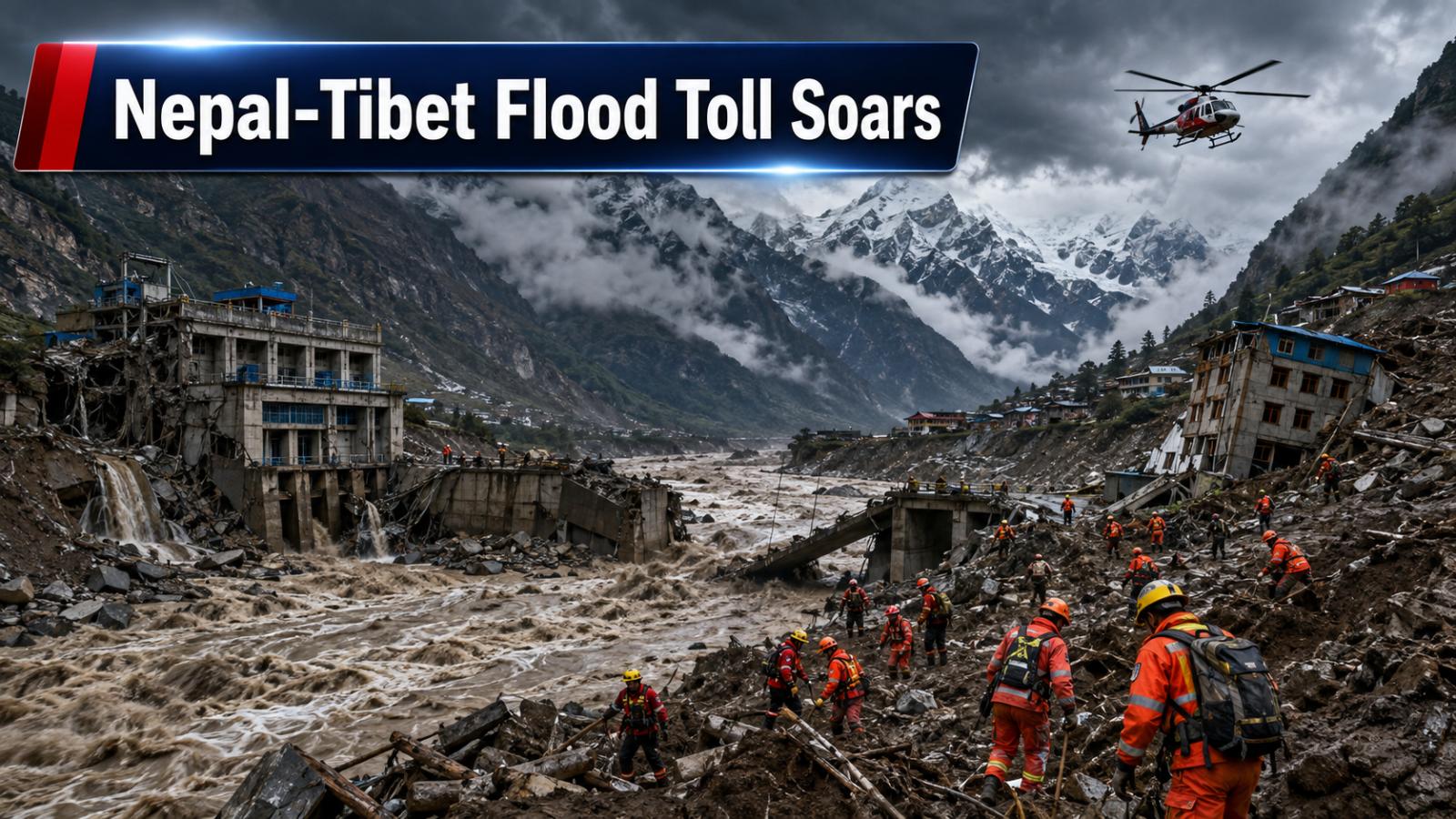
Nepal Tunnel Rescue Intensifies as 900 Workers Remain Missing
The Nepal tunnel rescue effort has entered a critical phase as more than 900 hydropower workers remain missing after the catastrophic Nepal-Tibet border floods. At the Trishuli site, rescuers have begun blasting through hillsides and pumping air into mud-filled tunnels as officials warn that the window to find survivors is narrowing. Trishuli Site Rescue Rescue teams on Monday escalated operations at the Trishuli-3A hydropower project, where many workers are feared trapped in a sprawling underground tunnel system clogged with mud, debris and floodwater. After days of difficult access, crews resorted to controlled explosives to break through the hillside and improve entry points. They also began pumping air into the tunnel network in the hope that some survivors may still be holding out underground. According to Nepal’s disaster management authority, more than 900 hydropower workers are still missing. Officials believe a significant number may be trapped inside tunnels and underground sections linked to multiple projects along the Trishuli River. Rescue teams briefly entered one tunnel on Monday, but withdrew after finding no survivors in that section. Hydropower Flood Damage The disaster has exposed Nepal’s vulnerability along its river-based hydropower corridor. Authorities say at least 11 hydropower projects, either completed or under construction, suffered damage in the floods. Nepal depends heavily on hydropower, and the destruction now threatens both immediate rescue efforts and longer-term energy infrastructure. About 250 people were rescued from the Upper Trishuli hydroelectric project over the weekend. Army engineers are now trying to reach another group of missing workers believed to be trapped deeper inside the site. Australian tunnelling expert Arnold Dix, who is assisting remotely, said there is still some hope because underground spaces may have offered partial protection from the force of the flood above. Chitwan Burials The rising number of unidentified bodies has created another crisis. In Chitwan, local authorities have begun temporary burials because they do not have enough freezers to store remains. Officials said families will be allowed to reclaim bodies later after DNA testing confirms identities. Chief district officer Ganesh Aryaal said the administration had no other option because morgue facilities were overwhelmed. The move underlines the scale of the tragedy and the pressure now facing local health, police and disaster-response systems. Rising Nepal Death Toll Nepal’s disaster management authority said the death toll has climbed to 939 after the unprecedented flow of ice, rock, mud and debris struck the Nepal-Tibet border region last Wednesday. The number of missing has also been revised sharply upward to 3,925, including 592 foreign nationals. An international rescue operation is now underway, led by Nepalese and Chinese military personnel with technical experts from India, Korea and Australia also involved. Their work remains difficult because unstable slopes, blocked access routes and mud-filled underground chambers continue to slow progress. Tibet Toll and Wider Impact Across the border in Tibet, Chinese state media have put the official death toll at 16, with 546 people reported missing. Chinese authorities have also reportedly cracked down on online speculation that the actual casualty numbers may be much higher. The cross-border nature of the disaster shows how severe the flooding has been throughout the Himalayan region. For Nepal, however, the immediate concern remains the missing workers. As oxygen levels fall and time runs short, the Trishuli tunnel rescue has become the central focus of one of the country’s most desperate recovery operations in recent years.
Nepal Tunnel Rescue Intensifies as 900 Workers Remain Missing
The Nepal tunnel rescue effort has entered a critical phase as more than 900 hydropower workers remain missing after the catastrophic Nepal-Tibet border floods. At the Trishuli site, rescuers have begun blasting through hillsides and pumping air into mud-filled tunnels as officials warn that the window to find survivors is narrowing. Trishuli Site Rescue Rescue teams on Monday escalated operations at the Trishuli-3A hydropower project, where many workers are feared trapped in a sprawling underground tunnel system clogged with mud, debris and floodwater. After days of difficult access, crews resorted to controlled explosives to break through the hillside and improve entry points. They also began pumping air into the tunnel network in the hope that some survivors may still be holding out underground. According to Nepal’s disaster management authority, more than 900 hydropower workers are still missing. Officials believe a significant number may be trapped inside tunnels and underground sections linked to multiple projects along the Trishuli River. Rescue teams briefly entered one tunnel on Monday, but withdrew after finding no survivors in that section. Hydropower Flood Damage The disaster has exposed Nepal’s vulnerability along its river-based hydropower corridor. Authorities say at least 11 hydropower projects, either completed or under construction, suffered damage in the floods. Nepal depends heavily on hydropower, and the destruction now threatens both immediate rescue efforts and longer-term energy infrastructure. About 250 people were rescued from the Upper Trishuli hydroelectric project over the weekend. Army engineers are now trying to reach another group of missing workers believed to be trapped deeper inside the site. Australian tunnelling expert Arnold Dix, who is assisting remotely, said there is still some hope because underground spaces may have offered partial protection from the force of the flood above. Chitwan Burials The rising number of unidentified bodies has created another crisis. In Chitwan, local authorities have begun temporary burials because they do not have enough freezers to store remains. Officials said families will be allowed to reclaim bodies later after DNA testing confirms identities. Chief district officer Ganesh Aryaal said the administration had no other option because morgue facilities were overwhelmed. The move underlines the scale of the tragedy and the pressure now facing local health, police and disaster-response systems. Rising Nepal Death Toll Nepal’s disaster management authority said the death toll has climbed to 939 after the unprecedented flow of ice, rock, mud and debris struck the Nepal-Tibet border region last Wednesday. The number of missing has also been revised sharply upward to 3,925, including 592 foreign nationals. An international rescue operation is now underway, led by Nepalese and Chinese military personnel with technical experts from India, Korea and Australia also involved. Their work remains difficult because unstable slopes, blocked access routes and mud-filled underground chambers continue to slow progress. Tibet Toll and Wider Impact Across the border in Tibet, Chinese state media have put the official death toll at 16, with 546 people reported missing. Chinese authorities have also reportedly cracked down on online speculation that the actual casualty numbers may be much higher. The cross-border nature of the disaster shows how severe the flooding has been throughout the Himalayan region. For Nepal, however, the immediate concern remains the missing workers. As oxygen levels fall and time runs short, the Trishuli tunnel rescue has become the central focus of one of the country’s most desperate recovery operations in recent years.
Russia Jet-Powered Drones Intensify Daytime Attacks on Kyiv
Russia’s growing use of jet-powered drones is creating a new challenge for Ukraine’s air-defence network, with Kyiv experiencing longer daytime air raid warnings. Ukrainian President Volodymyr Zelenskyy said around 800 jet-powered drones were among nearly 1,500 unmanned aircraft launched over four days. Kyiv Drone Attacks Russia has increasingly used daytime drone waves around the Ukrainian capital, disrupting businesses, emergency services and daily routines. Kyiv recorded eight air raid alerts by lunchtime on Monday, highlighting how frequently residents are now being forced to react to incoming threats. The presence of additional drones after an initial strike can also complicate rescue operations. Firefighters and other emergency crews may have to leave damaged locations when another threat appears, increasing the risk that fires and structural damage will worsen before teams can safely return. Shahed Drones Gain Speed The newer generation of Shahed-type drones can reportedly cruise at roughly 200 to 250 mph, about twice the speed of older piston-powered versions that travel near 115 mph. That increased speed makes them more difficult for Ukraine’s existing low-cost interceptor drones to catch and destroy. Shahed drones were originally developed in Iran before the technology reached Russia. Moscow has since expanded domestic production and introduced newer jet-powered variants, including the Geran-4 and Geran-5. Geran-4 Drone Campaign One Geran-4 reportedly struck an ammunition storage site in Myla, west of Kyiv, triggering hours of secondary explosions and damaging surrounding property. The source article reports 38 deaths in the attack. Ukraine says the scale of production is also increasing rapidly. Defence technology adviser Serhii Beskrestnov said at least 2,500 jet-powered drones were launched against Ukraine during August, compared with about 1,500 in July. Some recovered components reportedly carried production dates only days before the weapons were launched. Ukraine Air Defence Ukraine previously built a network of inexpensive ground-launched interceptor drones designed to destroy slower Shahed models. According to the source article, those systems helped raise interception rates above 90%, but the arrival of faster jet-powered variants is putting that approach under pressure. Zelenskyy said Ukrainian engineers are already developing faster interceptors specifically for the new threat. Four companies have produced relevant systems, with one technology described by the president as showing particularly strong results. Drone Warfare Intensifies The shift toward faster, mass-produced drones shows how quickly aerial warfare is evolving. Russia can increase pressure by launching large numbers of comparatively inexpensive weapons, while Ukraine must develop interceptors fast enough to catch them without relying entirely on costly aircraft or conventional air-defence missiles. That cost equation may become increasingly important as the campaign continues. Ukraine now faces the challenge of maintaining high interception rates while Russia expands production and uses jet-powered drones in sustained daytime waves. The outcome could shape how effectively Kyiv protects cities, infrastructure and emergency services during the coming months.


Russia Jet-Powered Drones Intensify Daytime Attacks on Kyiv
Russia’s growing use of jet-powered drones is creating a new challenge for Ukraine’s air-defence network, with Kyiv experiencing longer daytime air raid warnings. Ukrainian President Volodymyr Zelenskyy said around 800 jet-powered drones were among nearly 1,500 unmanned aircraft launched over four days. Kyiv Drone Attacks Russia has increasingly used daytime drone waves around the Ukrainian capital, disrupting businesses, emergency services and daily routines. Kyiv recorded eight air raid alerts by lunchtime on Monday, highlighting how frequently residents are now being forced to react to incoming threats. The presence of additional drones after an initial strike can also complicate rescue operations. Firefighters and other emergency crews may have to leave damaged locations when another threat appears, increasing the risk that fires and structural damage will worsen before teams can safely return. Shahed Drones Gain Speed The newer generation of Shahed-type drones can reportedly cruise at roughly 200 to 250 mph, about twice the speed of older piston-powered versions that travel near 115 mph. That increased speed makes them more difficult for Ukraine’s existing low-cost interceptor drones to catch and destroy. Shahed drones were originally developed in Iran before the technology reached Russia. Moscow has since expanded domestic production and introduced newer jet-powered variants, including the Geran-4 and Geran-5. Geran-4 Drone Campaign One Geran-4 reportedly struck an ammunition storage site in Myla, west of Kyiv, triggering hours of secondary explosions and damaging surrounding property. The source article reports 38 deaths in the attack. Ukraine says the scale of production is also increasing rapidly. Defence technology adviser Serhii Beskrestnov said at least 2,500 jet-powered drones were launched against Ukraine during August, compared with about 1,500 in July. Some recovered components reportedly carried production dates only days before the weapons were launched. Ukraine Air Defence Ukraine previously built a network of inexpensive ground-launched interceptor drones designed to destroy slower Shahed models. According to the source article, those systems helped raise interception rates above 90%, but the arrival of faster jet-powered variants is putting that approach under pressure. Zelenskyy said Ukrainian engineers are already developing faster interceptors specifically for the new threat. Four companies have produced relevant systems, with one technology described by the president as showing particularly strong results. Drone Warfare Intensifies The shift toward faster, mass-produced drones shows how quickly aerial warfare is evolving. Russia can increase pressure by launching large numbers of comparatively inexpensive weapons, while Ukraine must develop interceptors fast enough to catch them without relying entirely on costly aircraft or conventional air-defence missiles. That cost equation may become increasingly important as the campaign continues. Ukraine now faces the challenge of maintaining high interception rates while Russia expands production and uses jet-powered drones in sustained daytime waves. The outcome could shape how effectively Kyiv protects cities, infrastructure and emergency services during the coming months.
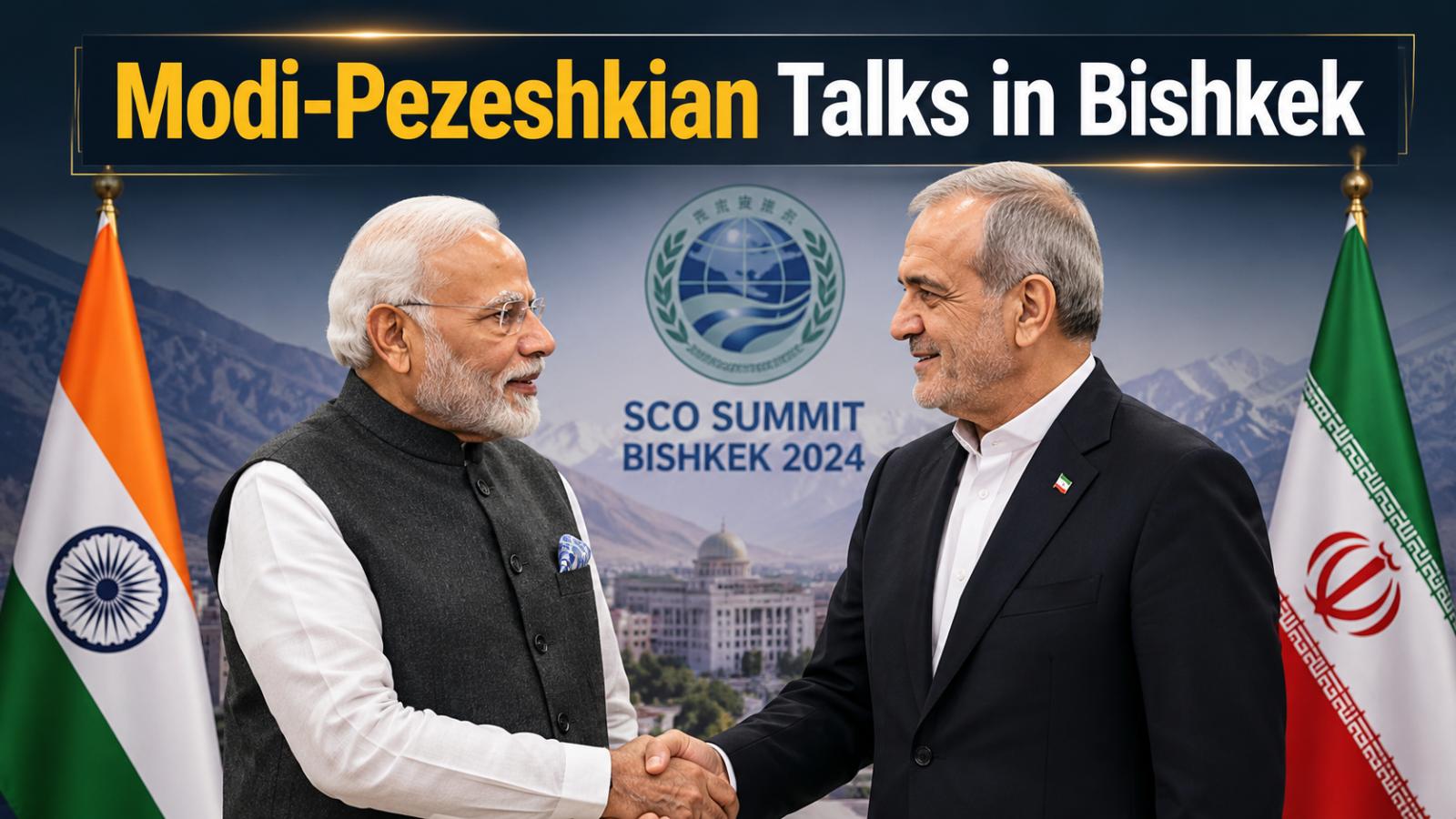
Modi Pezeshkian Meeting Focuses on Iran War and Trade
Prime Minister Narendra Modi met Iranian President Masoud Pezeshkian in Bishkek on August 31 on the sidelines of the Shanghai Cooperation Organisation Summit. The Modi Pezeshkian meeting focused on India-Iran ties, the West Asia conflict, maritime security, trade and the need for lasting regional peace. India Iran Ties The two leaders revi
Modi Pezeshkian Meeting Focuses on Iran War and Trade
Prime Minister Narendra Modi met Iranian President Masoud Pezeshkian in Bishkek on August 31 on the sidelines of the Shanghai Cooperation Organisation Summit. The Modi Pezeshkian meeting focused on India-Iran ties, the West Asia conflict, maritime security, trade and the need for lasting regional peace. India Iran Ties The two leaders revi
Modi Pezeshkian Meeting Puts Iran War and Energy in Focus
Prime Minister Narendra Modi is expected to meet Iranian President Masoud Pezeshkian in Bishkek on August 31 on the sidelines of the Shanghai Cooperation Organisation summit. The Modi Pezeshkian meeting would be their first face-to-face interaction since the latest West Asia conflict erupted, putting India-Iran ties, energy security and regional stability firmly in focus. India Iran Ties Modi and Pezeshkian last met in person in October 2024 during the BRICS Summit in Kazan, Russia. At that meeting, the leaders reviewed bilateral relations and highlighted the importance of the Chabahar Port project for trade links with Afghanistan and Central Asia. Their relationship has remained active despite the deterioration in regional security. The two leaders have spoken by phone several times during 2026, discussing developments in Iran and the wider region. India has consistently positioned itself as a partner of Iran while maintaining relationships with other major powers in West Asia. Hormuz Talks The Strait of Hormuz is expected to be one of the most important strategic issues surrounding the discussions. India depends heavily on secure maritime routes for energy imports, making any disruption in the Gulf a direct economic concern. During a March conversation with Pezeshkian, Modi stressed the importance of protecting Indian nationals and maintaining unhindered movement of energy and goods. He also reiterated India’s position that disputes should be resolved through dialogue and diplomacy. In another conversation in June, Modi again called for lasting regional stability and freedom of navigation and commerce. SCO Bishkek Summit The bilateral engagement comes as Bishkek hosts the 26th SCO Summit from August 31 to September 1. India’s government has confirmed that Modi will hold meetings with several SCO leaders on the sidelines while highlighting India’s priorities of security, connectivity and opportunity. The 2026 gathering also marks the SCO’s 25th anniversary. Iran, India, Russia, China and Pakistan are among the organisation’s 10 full members, giving the summit added geopolitical weight as several regional conflicts remain unresolved. Chinese President Xi Jinping is also attending the Bishkek gathering, while Russian President Vladimir Putin is among the other major leaders expected to participate. Energy Security Energy cooperation remains central to India-Iran relations. New Delhi has repeatedly stressed that instability in West Asia can affect fuel supplies, shipping costs and the broader Indian economy. Connectivity is another major issue. Chabahar Port gives India a strategic route toward Afghanistan and Central Asia that bypasses Pakistan, making the project important for both commerce and regional connectivity. The two sides are therefore expected to review trade, transport links and wider economic cooperation alongside the security situation. Dialogue and Diplomacy India is likely to continue urging de-escalation rather than taking sides in the conflict. Modi has repeatedly told Pezeshkian that New Delhi supports dialogue and diplomacy while calling for the protection of civilians, infrastructure and international shipping routes. The Bishkek interaction would also carry significance ahead of further BRICS engagement. Pezeshkian has previously supported a larger role for organisations such as BRICS and the SCO in addressing regional challenges. For India, the meeting provides an opportunity to protect practical interests—energy supplies, maritime security, connectivity and the safety of Indian nationals—while maintaining a diplomatic channel with Tehran during one of the most unstable periods in recent West Asian politics.
Modi Pezeshkian Meeting Puts Iran War and Energy in Focus
Prime Minister Narendra Modi is expected to meet Iranian President Masoud Pezeshkian in Bishkek on August 31 on the sidelines of the Shanghai Cooperation Organisation summit. The Modi Pezeshkian meeting would be their first face-to-face interaction since the latest West Asia conflict erupted, putting India-Iran ties, energy security and regional stability firmly in focus. India Iran Ties Modi and Pezeshkian last met in person in October 2024 during the BRICS Summit in Kazan, Russia. At that meeting, the leaders reviewed bilateral relations and highlighted the importance of the Chabahar Port project for trade links with Afghanistan and Central Asia. Their relationship has remained active despite the deterioration in regional security. The two leaders have spoken by phone several times during 2026, discussing developments in Iran and the wider region. India has consistently positioned itself as a partner of Iran while maintaining relationships with other major powers in West Asia. Hormuz Talks The Strait of Hormuz is expected to be one of the most important strategic issues surrounding the discussions. India depends heavily on secure maritime routes for energy imports, making any disruption in the Gulf a direct economic concern. During a March conversation with Pezeshkian, Modi stressed the importance of protecting Indian nationals and maintaining unhindered movement of energy and goods. He also reiterated India’s position that disputes should be resolved through dialogue and diplomacy. In another conversation in June, Modi again called for lasting regional stability and freedom of navigation and commerce. SCO Bishkek Summit The bilateral engagement comes as Bishkek hosts the 26th SCO Summit from August 31 to September 1. India’s government has confirmed that Modi will hold meetings with several SCO leaders on the sidelines while highlighting India’s priorities of security, connectivity and opportunity. The 2026 gathering also marks the SCO’s 25th anniversary. Iran, India, Russia, China and Pakistan are among the organisation’s 10 full members, giving the summit added geopolitical weight as several regional conflicts remain unresolved. Chinese President Xi Jinping is also attending the Bishkek gathering, while Russian President Vladimir Putin is among the other major leaders expected to participate. Energy Security Energy cooperation remains central to India-Iran relations. New Delhi has repeatedly stressed that instability in West Asia can affect fuel supplies, shipping costs and the broader Indian economy. Connectivity is another major issue. Chabahar Port gives India a strategic route toward Afghanistan and Central Asia that bypasses Pakistan, making the project important for both commerce and regional connectivity. The two sides are therefore expected to review trade, transport links and wider economic cooperation alongside the security situation. Dialogue and Diplomacy India is likely to continue urging de-escalation rather than taking sides in the conflict. Modi has repeatedly told Pezeshkian that New Delhi supports dialogue and diplomacy while calling for the protection of civilians, infrastructure and international shipping routes. The Bishkek interaction would also carry significance ahead of further BRICS engagement. Pezeshkian has previously supported a larger role for organisations such as BRICS and the SCO in addressing regional challenges. For India, the meeting provides an opportunity to protect practical interests—energy supplies, maritime security, connectivity and the safety of Indian nationals—while maintaining a diplomatic channel with Tehran during one of the most unstable periods in recent West Asian politics.
Austria Heat Deaths Hit Record 646 During Extreme Summer
Austria recorded an estimated 646 heat-related deaths during June and July 2026, the highest figure documented for the two-month period. The Austria heat deaths record comes as extreme temperatures, drought and rising heat-health risks place growing pressure on vulnerable people and public services. June-July Heat Toll Austria's Agency for Health and Food Safety, known as AGES, estimated 646 he
Austria Heat Deaths Hit Record 646 During Extreme Summer
Austria recorded an estimated 646 heat-related deaths during June and July 2026, the highest figure documented for the two-month period. The Austria heat deaths record comes as extreme temperatures, drought and rising heat-health risks place growing pressure on vulnerable people and public services. June-July Heat Toll Austria's Agency for Health and Food Safety, known as AGES, estimated 646 he
Trump Canada Trade War Escalates as 50% Tariffs Take Effect
The Trump Canada trade war has entered a sharper phase after negotiations between Washington and Ottawa collapsed and new US tariffs took effect. Canada is preparing dollar-for-dollar retaliation from September 8, adding fresh pressure to one of the world's largest and most integrated trading relationships. Canada Tariffs The United States imposed tariffs of up to 50% on a new group of Canadian
Trump Canada Trade War Escalates as 50% Tariffs Take Effect
The Trump Canada trade war has entered a sharper phase after negotiations between Washington and Ottawa collapsed and new US tariffs took effect. Canada is preparing dollar-for-dollar retaliation from September 8, adding fresh pressure to one of the world's largest and most integrated trading relationships. Canada Tariffs The United States imposed tariffs of up to 50% on a new group of Canadian
Nepal Tibet Floods: Death Toll Climbs as Thousands Remain Missing
The Nepal Tibet floods have become one of the Himalayan region's deadliest disasters in years, with the latest reports on August 29 putting the combined death toll at more than 630. Thousands remain missing as rescue teams search devastated villages, hydropower sites and transport corridors after a massive glacial collapse. Glacial Collapse Disaster The disaster began on August 26 when a catast
Nepal Tibet Floods: Death Toll Climbs as Thousands Remain Missing
The Nepal Tibet floods have become one of the Himalayan region's deadliest disasters in years, with the latest reports on August 29 putting the combined death toll at more than 630. Thousands remain missing as rescue teams search devastated villages, hydropower sites and transport corridors after a massive glacial collapse. Glacial Collapse Disaster The disaster began on August 26 when a catast