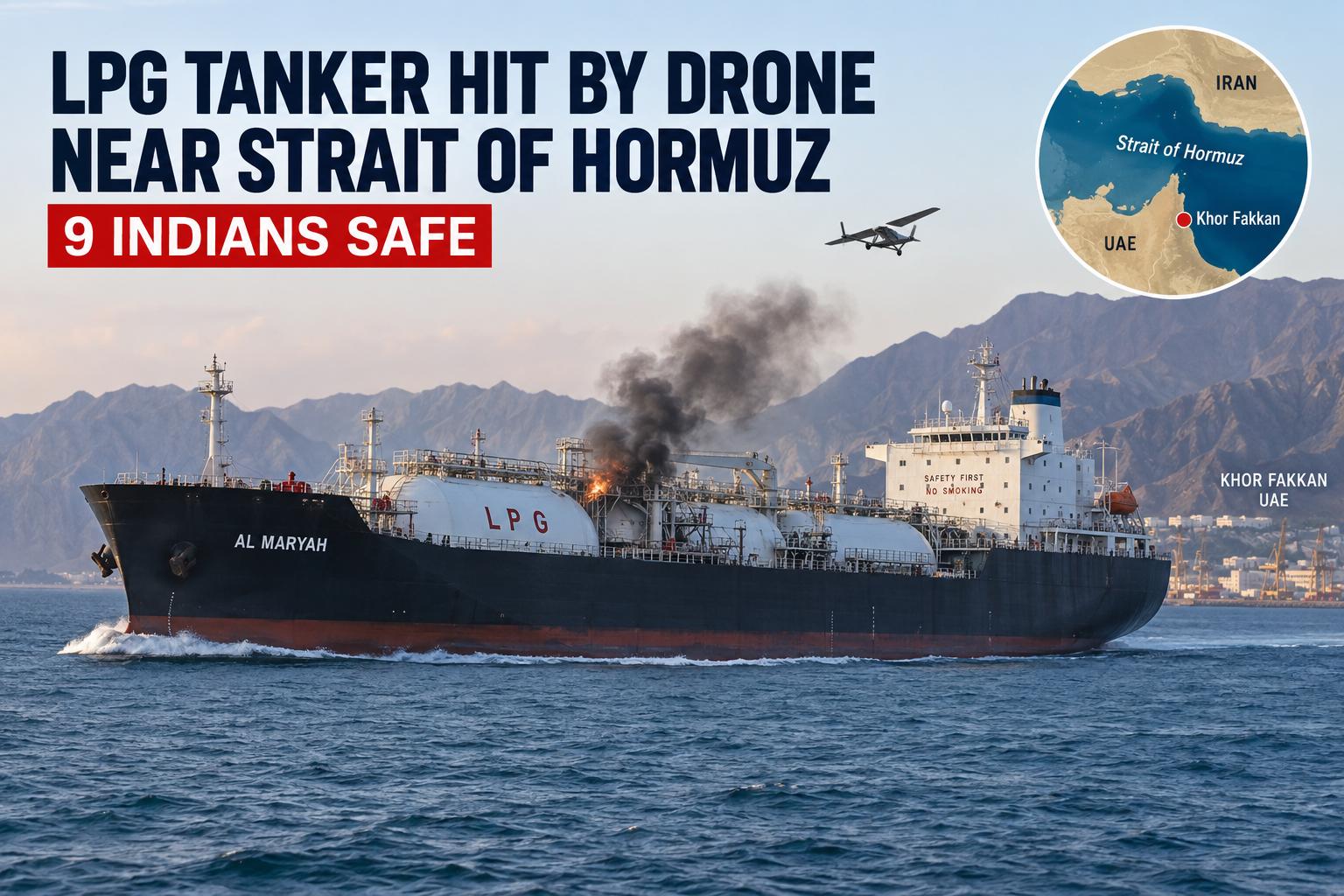
An LPG tanker hit by a drone near the Strait of Hormuz reached safe anchorage at Khor Fakkan after suffering no major damage. All 19 crew aboard M.T. Al Maryah, including nine Indian nationals, were reported safe as maritime authorities continued regional monitoring.
A Liberia-flagged liquefied petroleum gas tanker carrying nine Indian nationals was reportedly hit by a drone while sailing eastb
An LPG tanker hit by a drone near the Strait of Hormuz reached safe anchorage at Khor Fakkan after suffering no major damage. All 19 crew aboard M.T. Al Maryah, including nine Indian nationals, were reported safe as maritime authorities continued regional monitoring.
A Liberia-flagged liquefied petroleum gas tanker carrying nine Indian nationals was reportedly hit by a drone while sailing eastb
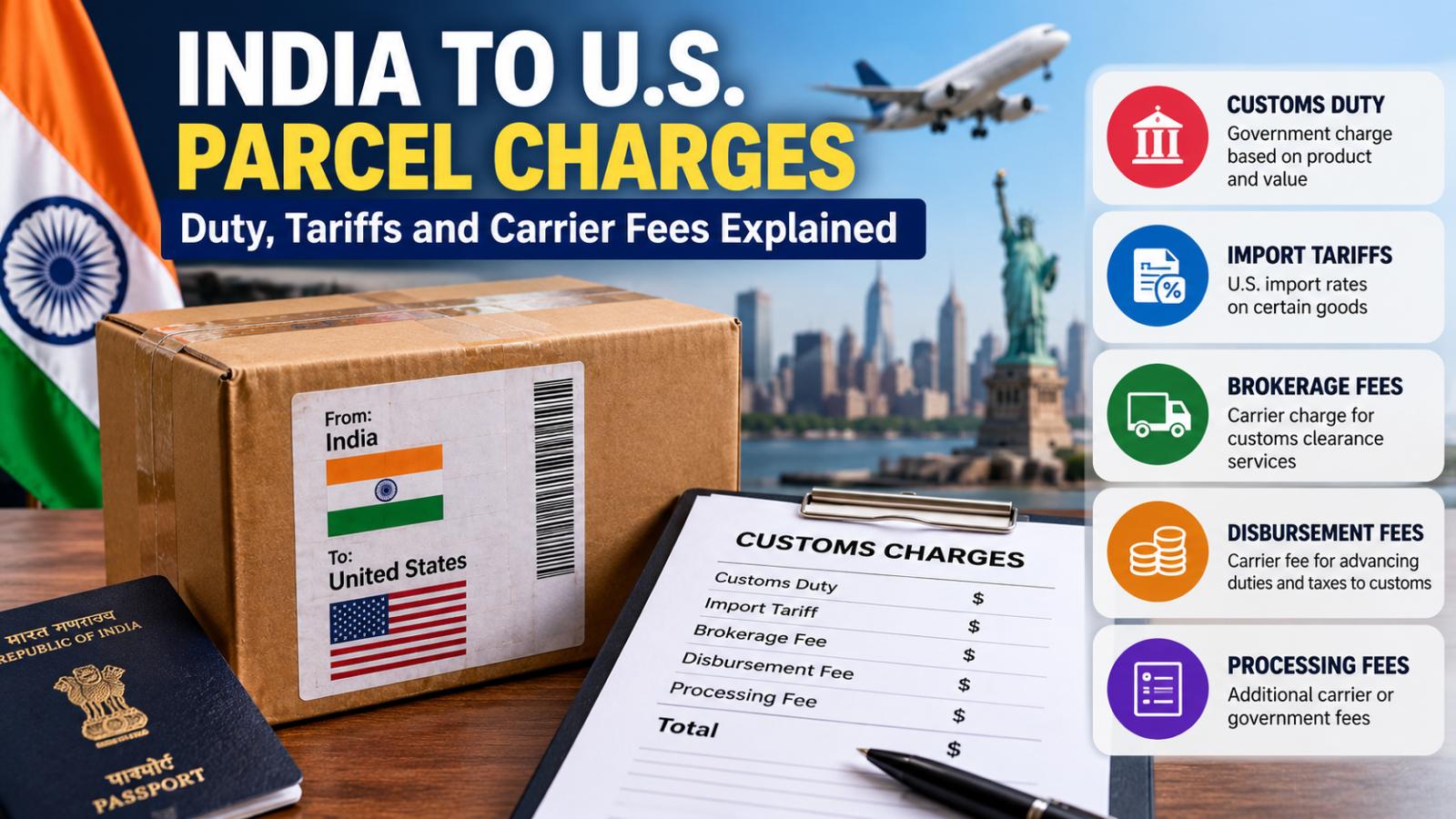
India to U.S. parcel charges can include government customs duties and separate carrier fees. This guide explains tariffs, customs duty, brokerage, disbursement and processing costs, and why the amount due can vary by product, value, entry type and shipping carrier.
A parcel sent from India to the United States can generate more than one type of import charge. A bill may combine government customs charges with courier fees
India to U.S. parcel charges can include government customs duties and separate carrier fees. This guide explains tariffs, customs duty, brokerage, disbursement and processing costs, and why the amount due can vary by product, value, entry type and shipping carrier.
A parcel sent from India to the United States can generate more than one type of import charge. A bill may combine government customs charges with courier fees
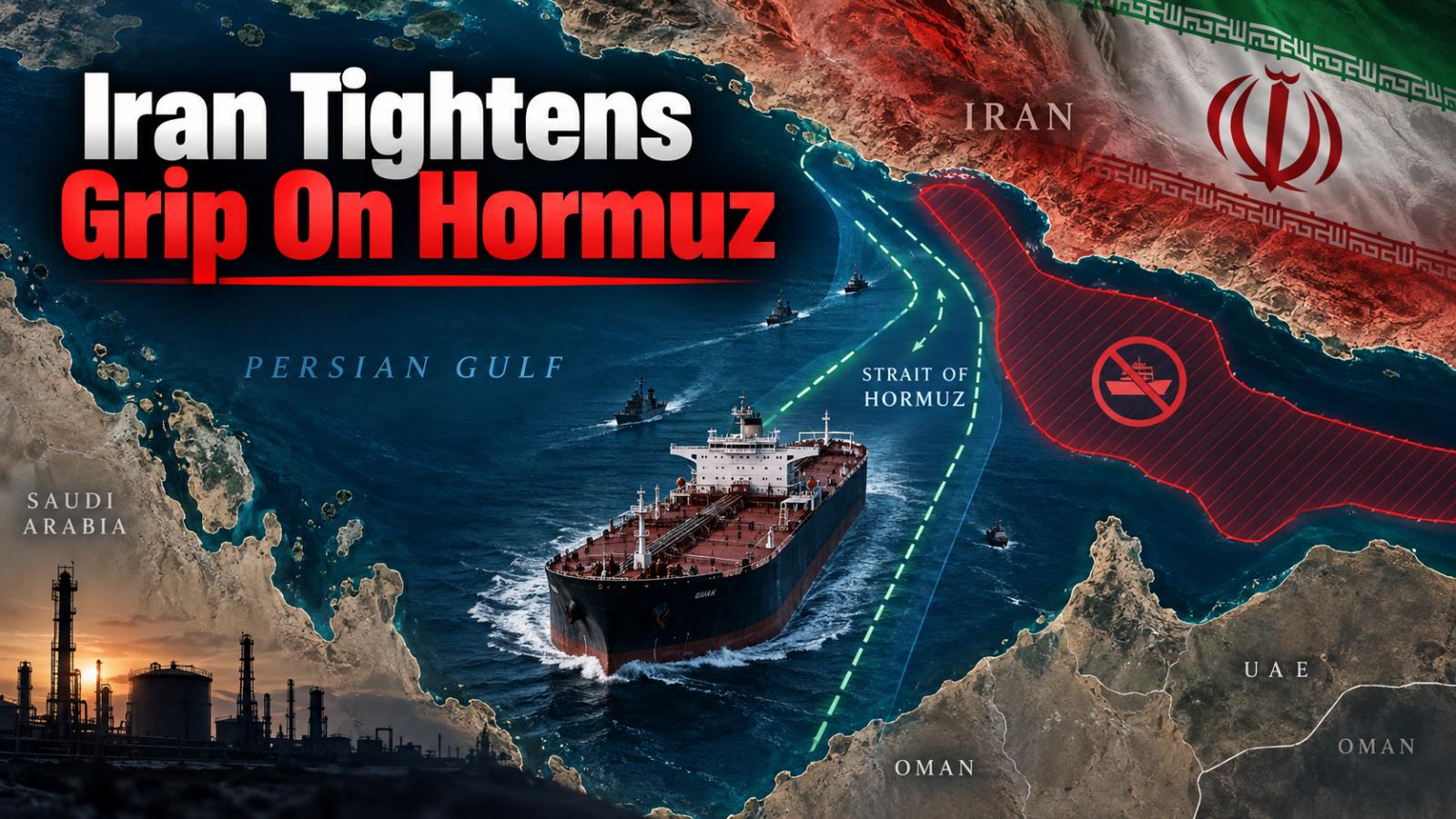
Iran says an Iran-Oman Hormuz shipping corridor could be formalized within days as Tehran prepares a new restricted maritime zone around the strategic waterway. The proposals could reshape Gulf shipping while tensions with the United States continue to disrupt commercial traffic.
Iran Oman Hormuz Shipping Corridor Nears Agreement
Iranian officials say Tehran and Muscat have agreed on maps for a
Iran says an Iran-Oman Hormuz shipping corridor could be formalized within days as Tehran prepares a new restricted maritime zone around the strategic waterway. The proposals could reshape Gulf shipping while tensions with the United States continue to disrupt commercial traffic.
Iran Oman Hormuz Shipping Corridor Nears Agreement
Iranian officials say Tehran and Muscat have agreed on maps for a
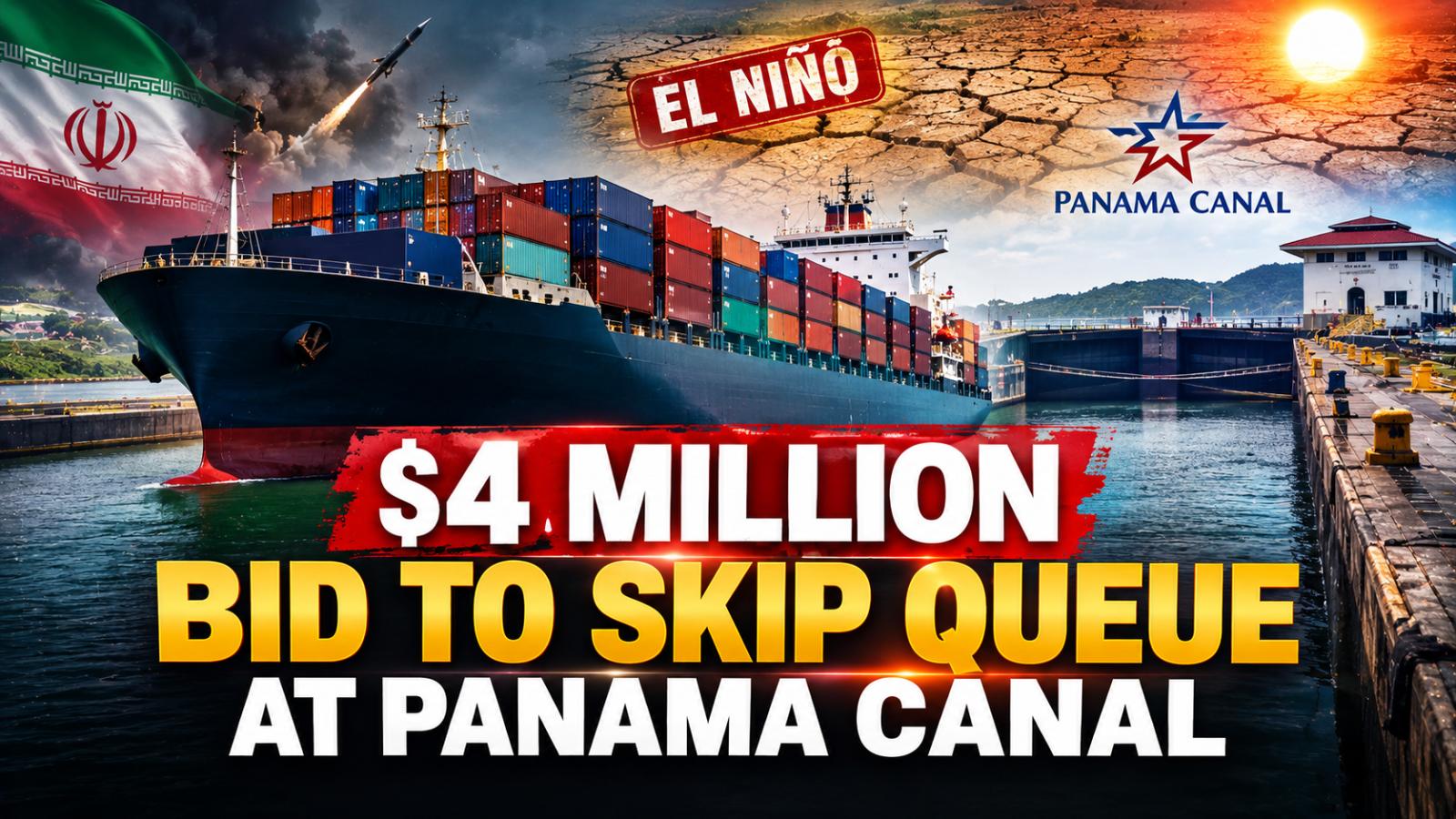
Panama Canal shipping costs have surged as global maritime disruption and tighter water conditions squeeze one of the world's most important trade routes. The Seaspan Benefactor reportedly paid about $4 million for priority transit as some vessels faced waits of roughly 10 days.
Canal congestion pushes auction prices sharply higher
The Seaspan Benefactor, a container ship with capacity of roughly 10,000 TEU, reportedly paid about $4 mill
Panama Canal shipping costs have surged as global maritime disruption and tighter water conditions squeeze one of the world's most important trade routes. The Seaspan Benefactor reportedly paid about $4 million for priority transit as some vessels faced waits of roughly 10 days.
Canal congestion pushes auction prices sharply higher
The Seaspan Benefactor, a container ship with capacity of roughly 10,000 TEU, reportedly paid about $4 mill
India Condemns Red Sea Attack on MSV Faize Noore Oliya
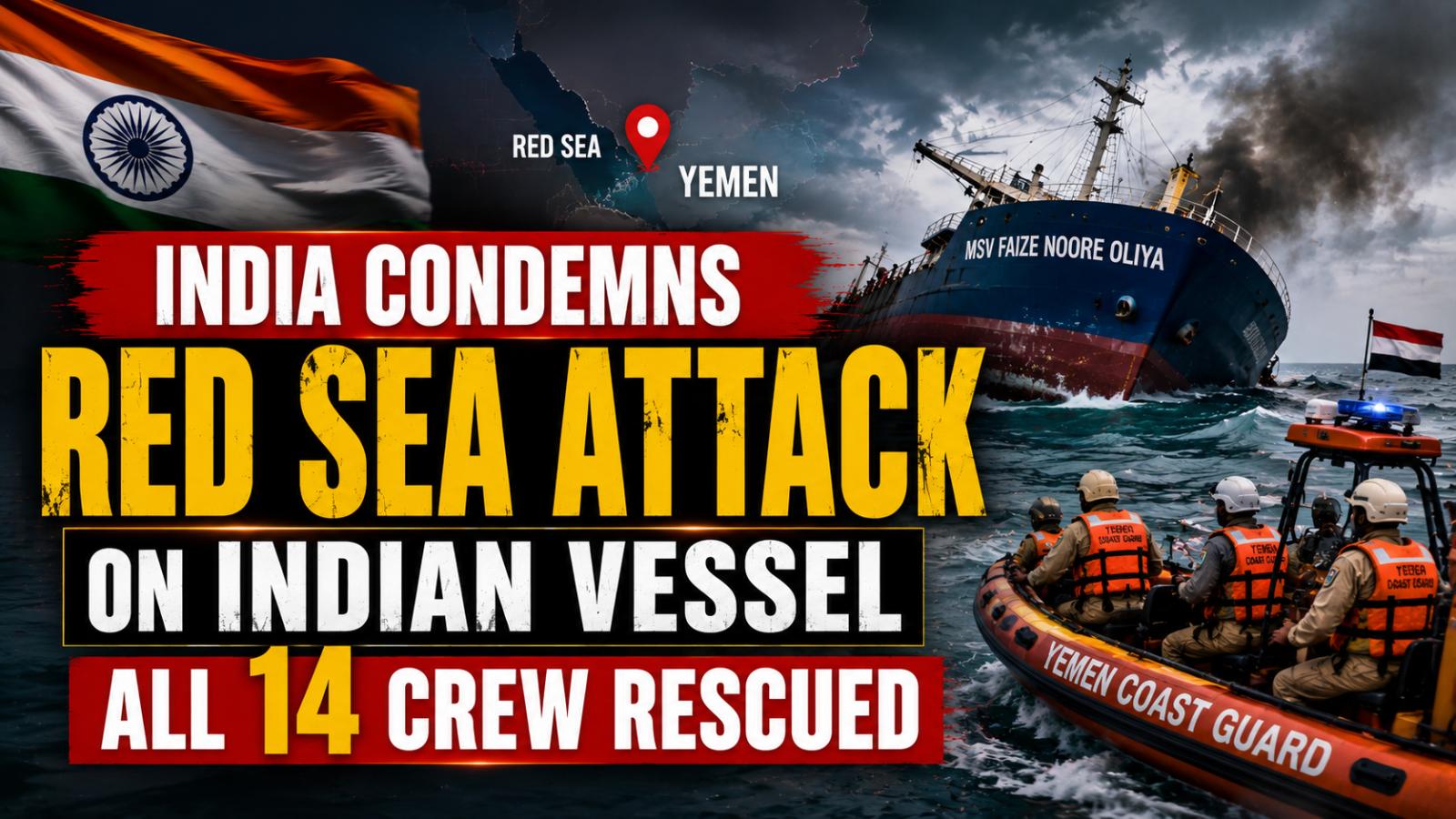
India has condemned the Red Sea attack that sank the Indian-flagged vessel MSV Faize Noore Oliya near Yemen. All 13 Indian crew members and one foreign national were rescued by the Yemen Coast Guard as New Delhi called for an immediate end to attacks on commercial shipping.
MSV Faize Noore Oliya sinks after projectile strike
India Condemns Red Sea Attack on MSV Faize Noore Oliya
India has condemned the Red Sea attack that sank the Indian-flagged vessel MSV Faize Noore Oliya near Yemen. All 13 Indian crew members and one foreign national were rescued by the Yemen Coast Guard as New Delhi called for an immediate end to attacks on commercial shipping.
MSV Faize Noore Oliya sinks after projectile strike
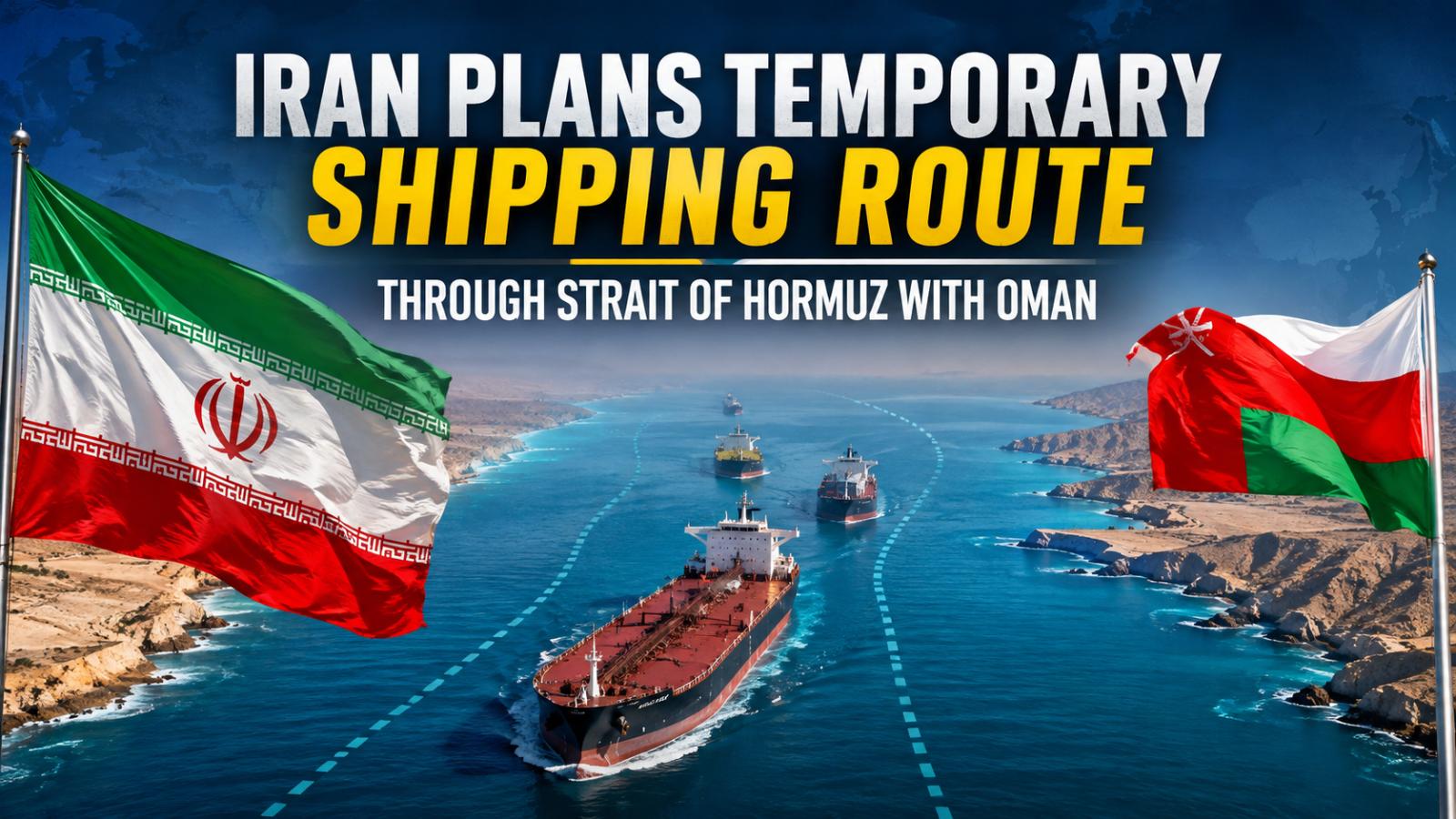
Iran Strait of Hormuz shipping route discussions with Oman are aimed at ensuring safe maritime navigation through one of the world's busiest waterways. Tehran says the proposed temporary corridor is designed to protect shipping while denying reports of direct negotiations with the United States.
Oman Maritime Corridor
Iran has confirmed that it is working with Oman to establish a temporary shipping route through the Strait of Hormuz to support safe navigation for commercial vessels. Speaking during a weekly press briefing on August 3, Iranian Foreign Ministry spokesperson Esmaeil Baghaei said the discussions with Muscat are focused exclusively on creating an interim maritime corridor that can maintain the uninterrupted movement of ships through the strategic waterway.
According to Baghaei, the proposal combines the southern route passing through Omani waters with the northern route inside Iranian territorial waters into a single two-way navigation corridor. He explained that both countries are attempting to develop a practical arrangement that serves the interests of the two coastal states while protecting international shipping until a permanent framework is agreed upon. The statement was attributed to Iran's semi-official Fars News Agency.
Strait of Hormuz Navigation
The Strait of Hormuz remains one of the world's most important energy transit routes, carrying a significant share of global oil and liquefied natural gas exports. Any disruption in the waterway can quickly influence global energy prices, shipping costs and international trade.
Iran says the temporary corridor is intended to improve safety and reduce uncertainty for vessels operating in the region. Officials stressed that the proposal involves one integrated two-way transit system rather than multiple separate routes, making navigation simpler while addressing the operational concerns of both Iran and Oman.
Iran US Relations
Baghaei also dismissed reports suggesting that Tehran had resumed negotiations with the United States. He stated that Iran is not holding talks with Washington, directly contradicting comments made by US President Donald Trump, who said discussions with Iran were expected to begin and expressed optimism about reaching an understanding on both the Strait of Hormuz and Iran's denuclearisation.
The Iranian spokesperson maintained that Oman is serving as a regional partner for navigation discussions rather than a channel for broader negotiations with the United States. He emphasized that Iran's current diplomatic efforts are limited to ensuring maritime safety in cooperation with Muscat.
Regional Security Concerns
Despite the progress in discussions with Oman, Iran cautioned that the proposed arrangement alone would not restore normal shipping conditions. Baghaei argued that broader regional tensions continue to affect maritime security and claimed the situation would remain unchanged as long as what Tehran describes as US aggression and blockade policies continue.
The latest developments highlight the strategic importance of the Strait of Hormuz for global commerce. While the proposed temporary corridor could improve confidence for shipping operators in the short term, its long-term success will depend on wider regional stability and continued diplomatic engagement between the countries bordering the waterway. The statements reflect Iran's current position and have been attributed to remarks by Foreign Ministry spokesperson Esmaeil Baghaei during an official press briefing, as reported by Fars News Agency.
Iran Strait of Hormuz shipping route discussions with Oman are aimed at ensuring safe maritime navigation through one of the world's busiest waterways. Tehran says the proposed temporary corridor is designed to protect shipping while denying reports of direct negotiations with the United States.
Oman Maritime Corridor
Iran has confirmed that it is working with Oman to establish a temporary shipping route through the Strait of Hormuz to support safe navigation for commercial vessels. Speaking during a weekly press briefing on August 3, Iranian Foreign Ministry spokesperson Esmaeil Baghaei said the discussions with Muscat are focused exclusively on creating an interim maritime corridor that can maintain the uninterrupted movement of ships through the strategic waterway.
According to Baghaei, the proposal combines the southern route passing through Omani waters with the northern route inside Iranian territorial waters into a single two-way navigation corridor. He explained that both countries are attempting to develop a practical arrangement that serves the interests of the two coastal states while protecting international shipping until a permanent framework is agreed upon. The statement was attributed to Iran's semi-official Fars News Agency.
Strait of Hormuz Navigation
The Strait of Hormuz remains one of the world's most important energy transit routes, carrying a significant share of global oil and liquefied natural gas exports. Any disruption in the waterway can quickly influence global energy prices, shipping costs and international trade.
Iran says the temporary corridor is intended to improve safety and reduce uncertainty for vessels operating in the region. Officials stressed that the proposal involves one integrated two-way transit system rather than multiple separate routes, making navigation simpler while addressing the operational concerns of both Iran and Oman.
Iran US Relations
Baghaei also dismissed reports suggesting that Tehran had resumed negotiations with the United States. He stated that Iran is not holding talks with Washington, directly contradicting comments made by US President Donald Trump, who said discussions with Iran were expected to begin and expressed optimism about reaching an understanding on both the Strait of Hormuz and Iran's denuclearisation.
The Iranian spokesperson maintained that Oman is serving as a regional partner for navigation discussions rather than a channel for broader negotiations with the United States. He emphasized that Iran's current diplomatic efforts are limited to ensuring maritime safety in cooperation with Muscat.
Regional Security Concerns
Despite the progress in discussions with Oman, Iran cautioned that the proposed arrangement alone would not restore normal shipping conditions. Baghaei argued that broader regional tensions continue to affect maritime security and claimed the situation would remain unchanged as long as what Tehran describes as US aggression and blockade policies continue.
The latest developments highlight the strategic importance of the Strait of Hormuz for global commerce. While the proposed temporary corridor could improve confidence for shipping operators in the short term, its long-term success will depend on wider regional stability and continued diplomatic engagement between the countries bordering the waterway. The statements reflect Iran's current position and have been attributed to remarks by Foreign Ministry spokesperson Esmaeil Baghaei during an official press briefing, as reported by Fars News Agency.
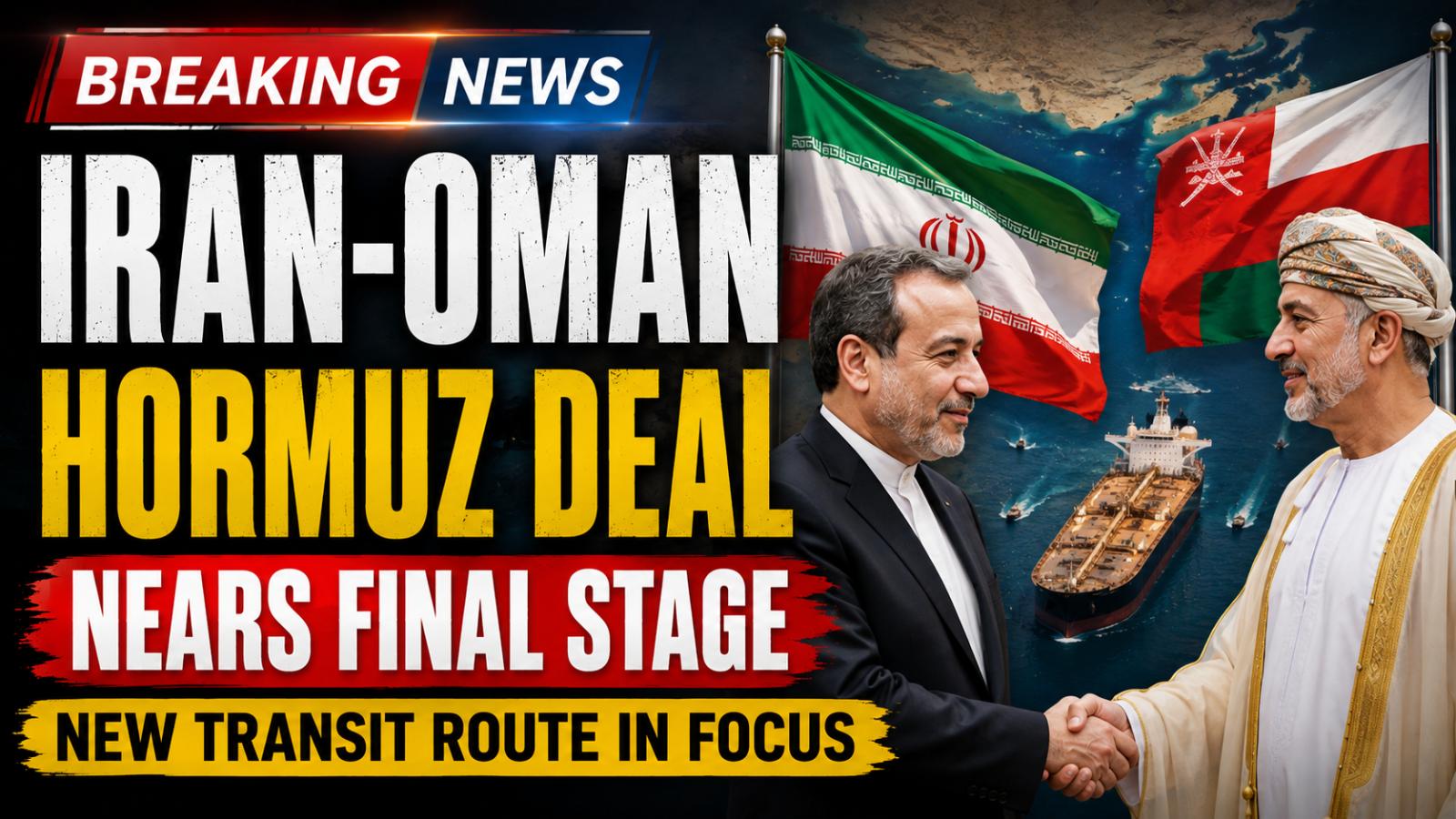
Iran-Oman Strait of Hormuz Deal Nears Final Stage
The Iran-Oman Strait of Hormuz deal is nearing its final stage as Tehran and Muscat negotiate a new Hormuz transit route. Iranian officials say the proposal aims to support vessel passage while preserving both countries’ sovereignty, security and maritime control.
Iran-Oman Negotiations Enter Final Stage
Iranian Fo
Iran-Oman Strait of Hormuz Deal Nears Final Stage
The Iran-Oman Strait of Hormuz deal is nearing its final stage as Tehran and Muscat negotiate a new Hormuz transit route. Iranian officials say the proposal aims to support vessel passage while preserving both countries’ sovereignty, security and maritime control.
Iran-Oman Negotiations Enter Final Stage
Iranian Fo
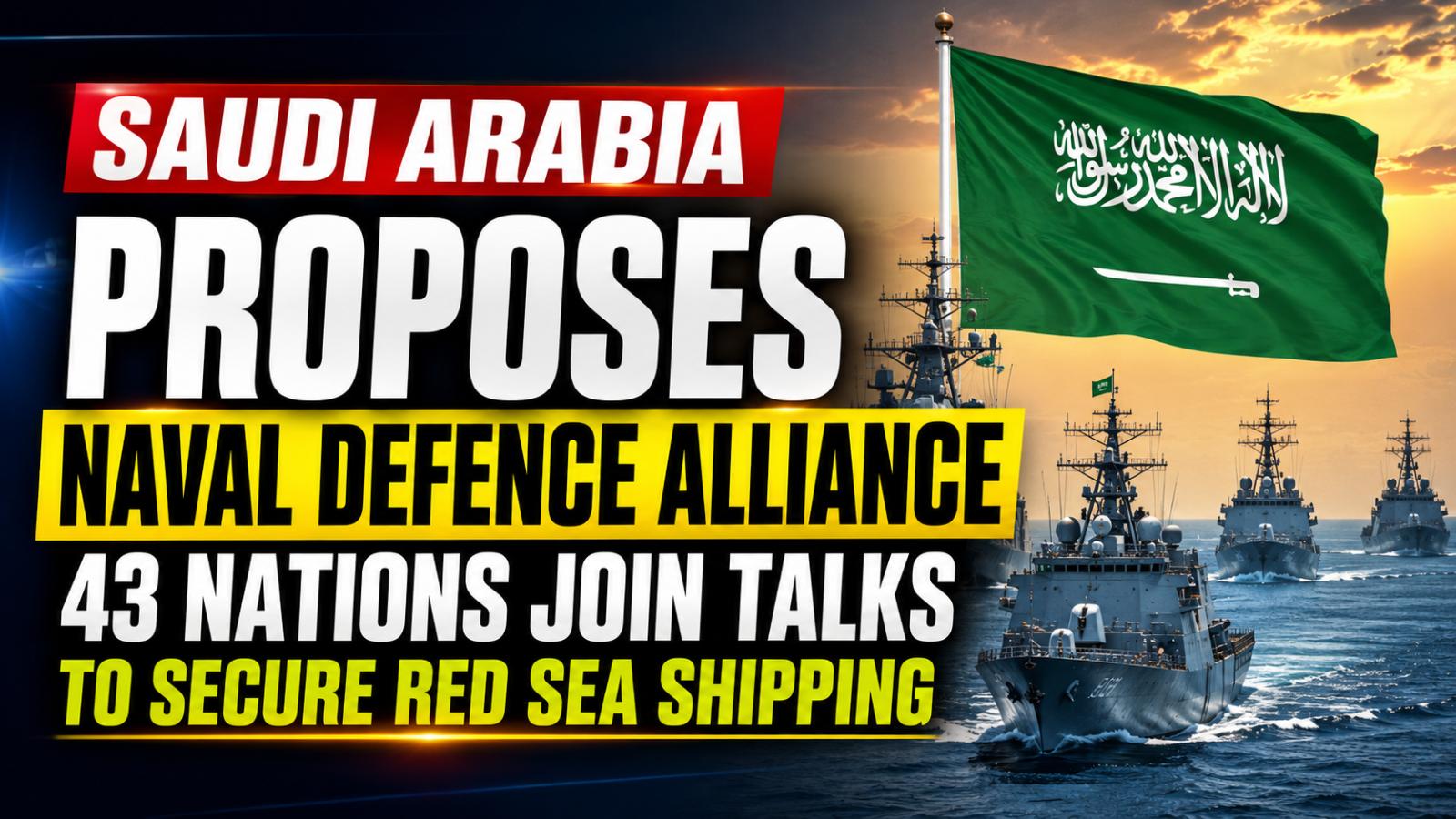
Saudi Arabia Advances Naval Alliance to Protect Red Sea Shipping
Saudi Arabia has advanced plans for a multinational naval defence alliance after representatives from 43 countries met in Riyadh to discuss Red Sea maritime security, global shipping protection and a legal charter for future cooperation. The plan targets threats facing major trade and energy routes.
Riyadh Defence Meeting B
Saudi Arabia Advances Naval Alliance to Protect Red Sea Shipping
Saudi Arabia has advanced plans for a multinational naval defence alliance after representatives from 43 countries met in Riyadh to discuss Red Sea maritime security, global shipping protection and a legal charter for future cooperation. The plan targets threats facing major trade and energy routes.
Riyadh Defence Meeting B
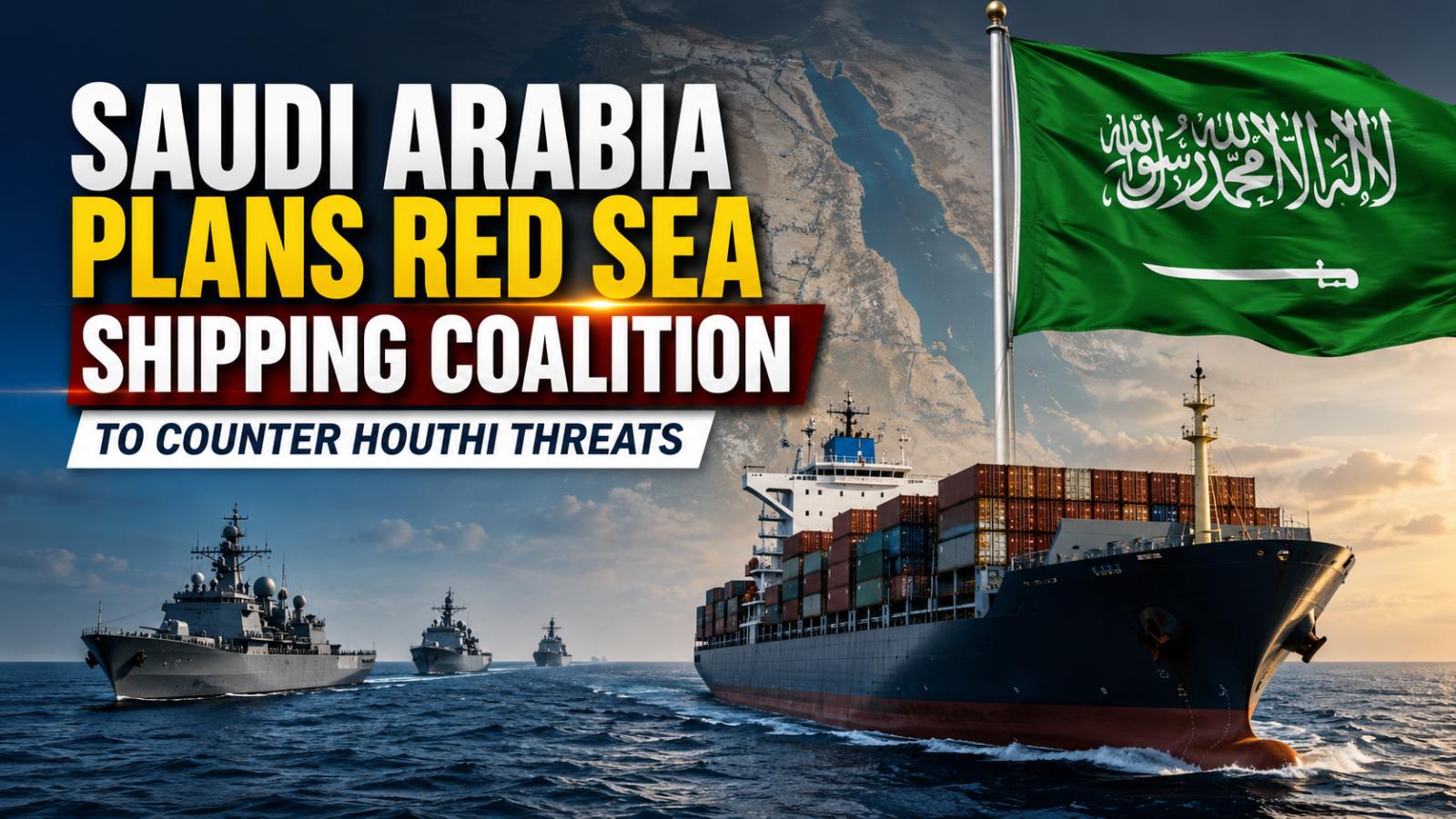
Saudi Arabia is exploring a Saudi Red Sea shipping coalition as Houthi attacks, a maritime embargo and possible vessel fees raise concerns over security, global trade and energy flows through the strategically important Bab al-Mandab Strait.
Security
Saudi Arabia is holding discussions with dozens of countries about forming an international coalition to protect commercial shipping in the Red Se
Saudi Arabia is exploring a Saudi Red Sea shipping coalition as Houthi attacks, a maritime embargo and possible vessel fees raise concerns over security, global trade and energy flows through the strategically important Bab al-Mandab Strait.
Security
Saudi Arabia is holding discussions with dozens of countries about forming an international coalition to protect commercial shipping in the Red Se
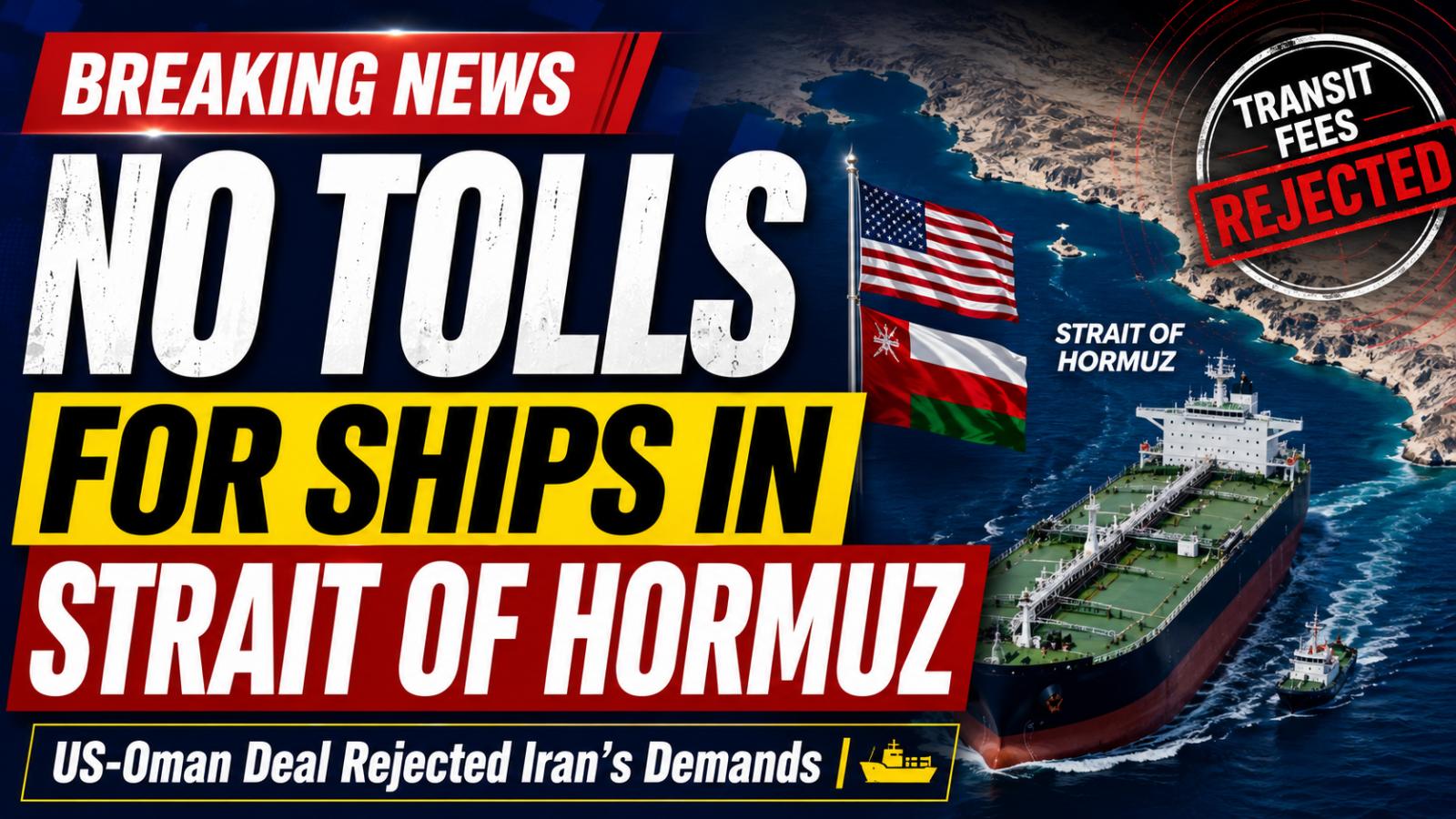
A proposed Strait of Hormuz shipping deal will not impose tolls or transit charges on commercial vessels, according to a US official familiar with negotiations involving Washington, Iran and Oman. The discussions seek to protect ship transit and restore confidence in the strategic waterway after conflict-related disruptions.
Strait of Hormuz Shipping Deal Excludes Tolls
Commercial ships passing
A proposed Strait of Hormuz shipping deal will not impose tolls or transit charges on commercial vessels, according to a US official familiar with negotiations involving Washington, Iran and Oman. The discussions seek to protect ship transit and restore confidence in the strategic waterway after conflict-related disruptions.
Strait of Hormuz Shipping Deal Excludes Tolls
Commercial ships passing
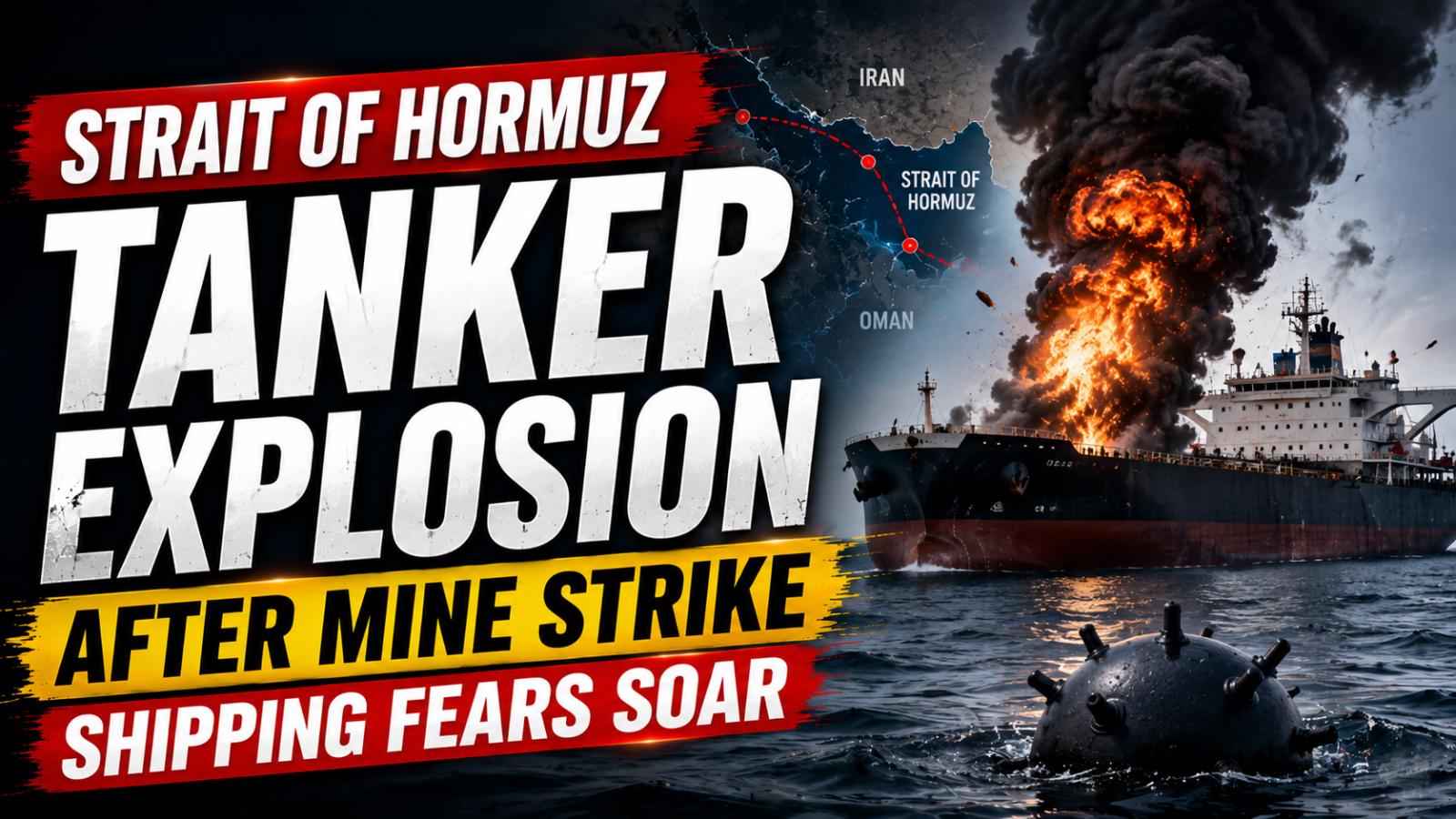
A reported Strait of Hormuz tanker explosion has renewed concern over maritime safety after Iranian media said an oil vessel struck a naval mine outside a route designated by Tehran. Iranian authorities have not issued a full official account, while the United States has paused strikes as diplomatic contacts continue.
Strait of Hormuz tanker explosion remains unconfirmed
An oil tanker reportedl
A reported Strait of Hormuz tanker explosion has renewed concern over maritime safety after Iranian media said an oil vessel struck a naval mine outside a route designated by Tehran. Iranian authorities have not issued a full official account, while the United States has paused strikes as diplomatic contacts continue.
Strait of Hormuz tanker explosion remains unconfirmed
An oil tanker reportedl
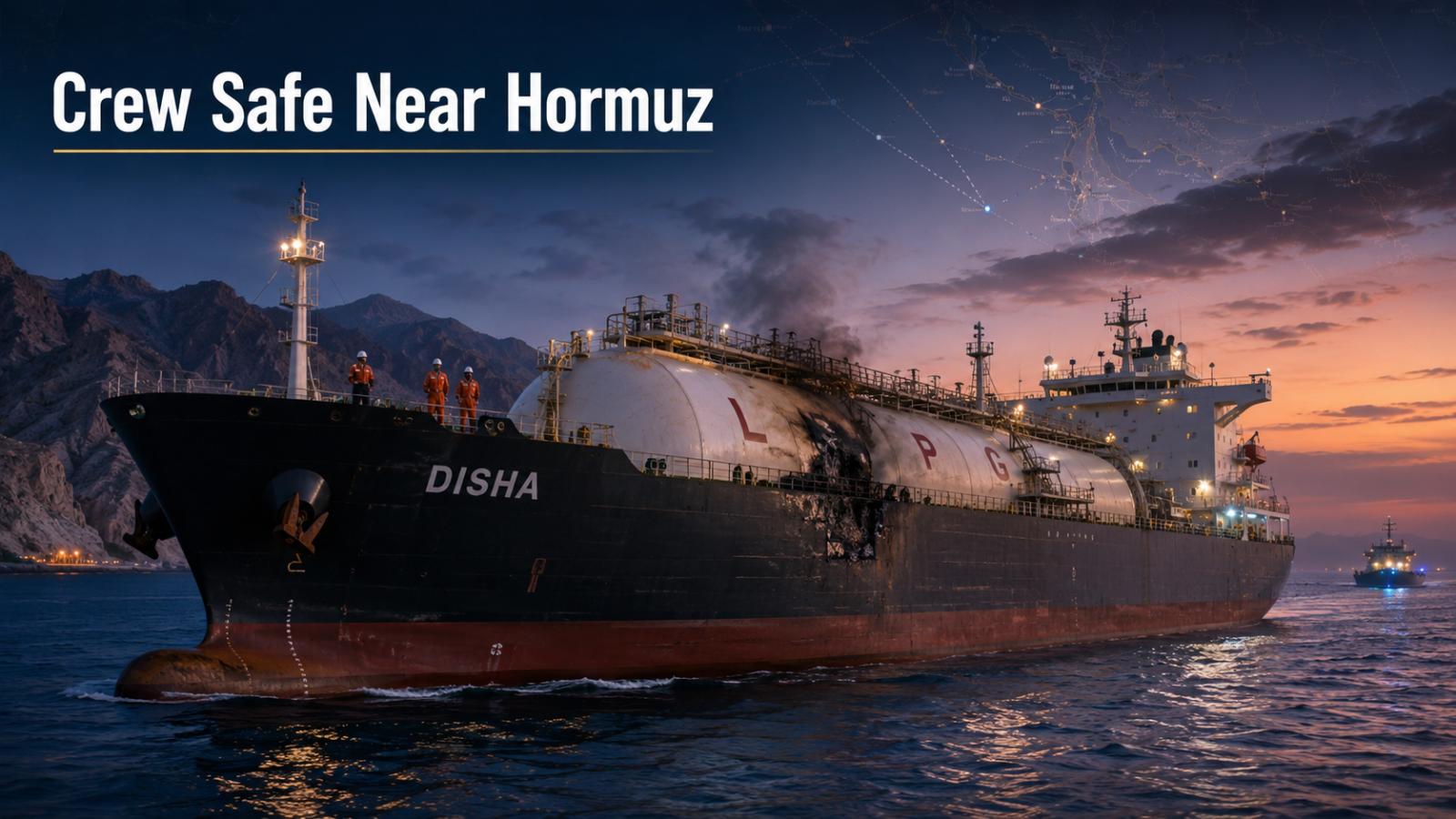
All 28 Indian crew members aboard the Mozambique-flagged Disha LPG tanker are safe after an attack in Iranian waters near the Strait of Hormuz. India’s embassy is monitoring the case as authorities assess the vessel and the source of the reported missile strike.
All 28 Indian crew members confirmed safe
All 28 Indian crew members aboard the Mozambique-flagged LPG tanker Disha were confirmed safe after the ves
All 28 Indian crew members aboard the Mozambique-flagged Disha LPG tanker are safe after an attack in Iranian waters near the Strait of Hormuz. India’s embassy is monitoring the case as authorities assess the vessel and the source of the reported missile strike.
All 28 Indian crew members confirmed safe
All 28 Indian crew members aboard the Mozambique-flagged LPG tanker Disha were confirmed safe after the ves
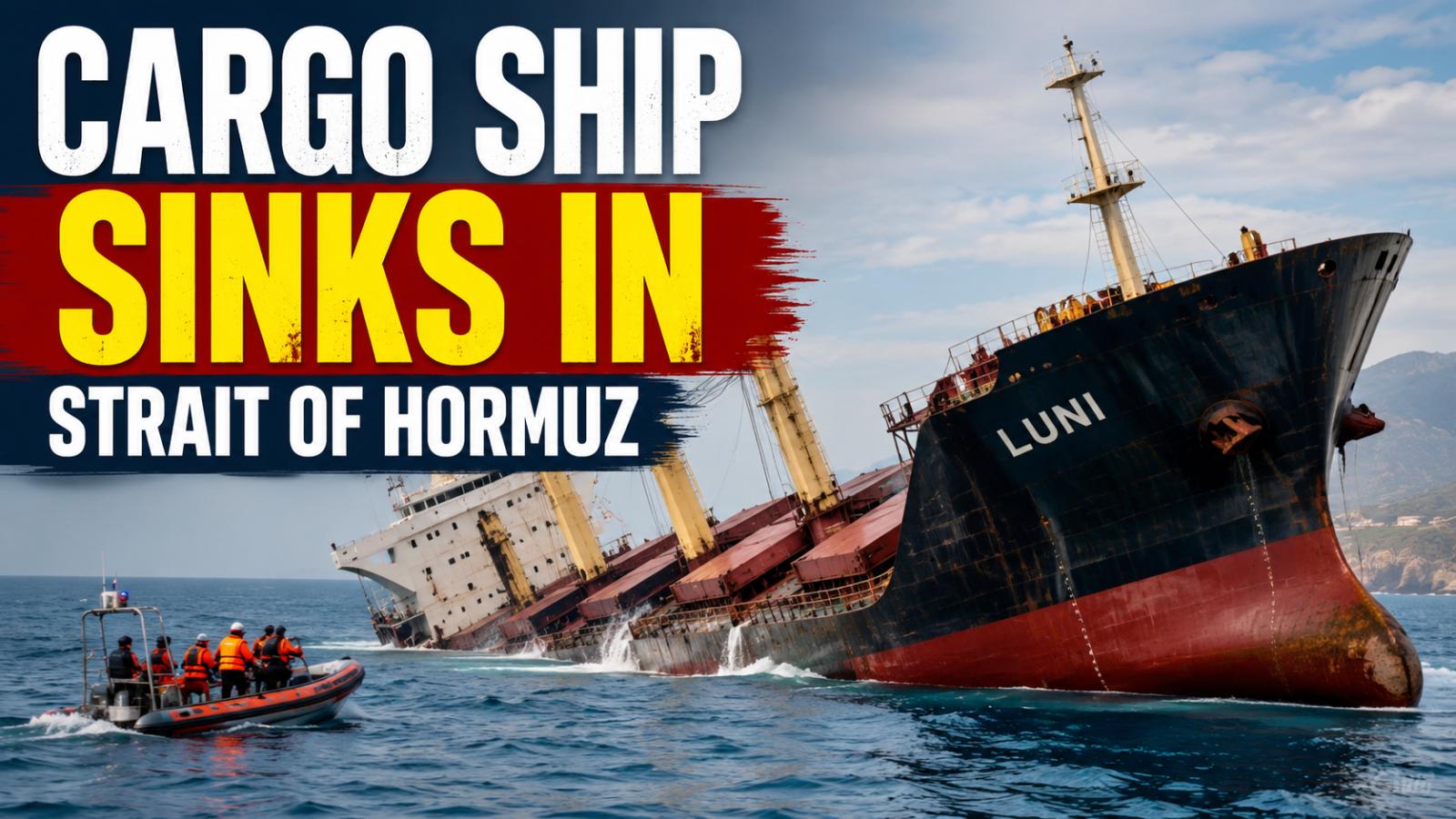
A bulk carrier suffered major hull damage and began taking on water after colliding with another vessel near Iran’s Qeshm Island on July 14, 2026. Iranian media reported that emergency teams safely rescued all 23 foreign crew members. Initial reports indicated that the accident was a maritime collision and not a military attack.
Strait of Hormuz cargo ship collision
The incident occurred north of Qeshm Island
A bulk carrier suffered major hull damage and began taking on water after colliding with another vessel near Iran’s Qeshm Island on July 14, 2026. Iranian media reported that emergency teams safely rescued all 23 foreign crew members. Initial reports indicated that the accident was a maritime collision and not a military attack.
Strait of Hormuz cargo ship collision
The incident occurred north of Qeshm Island
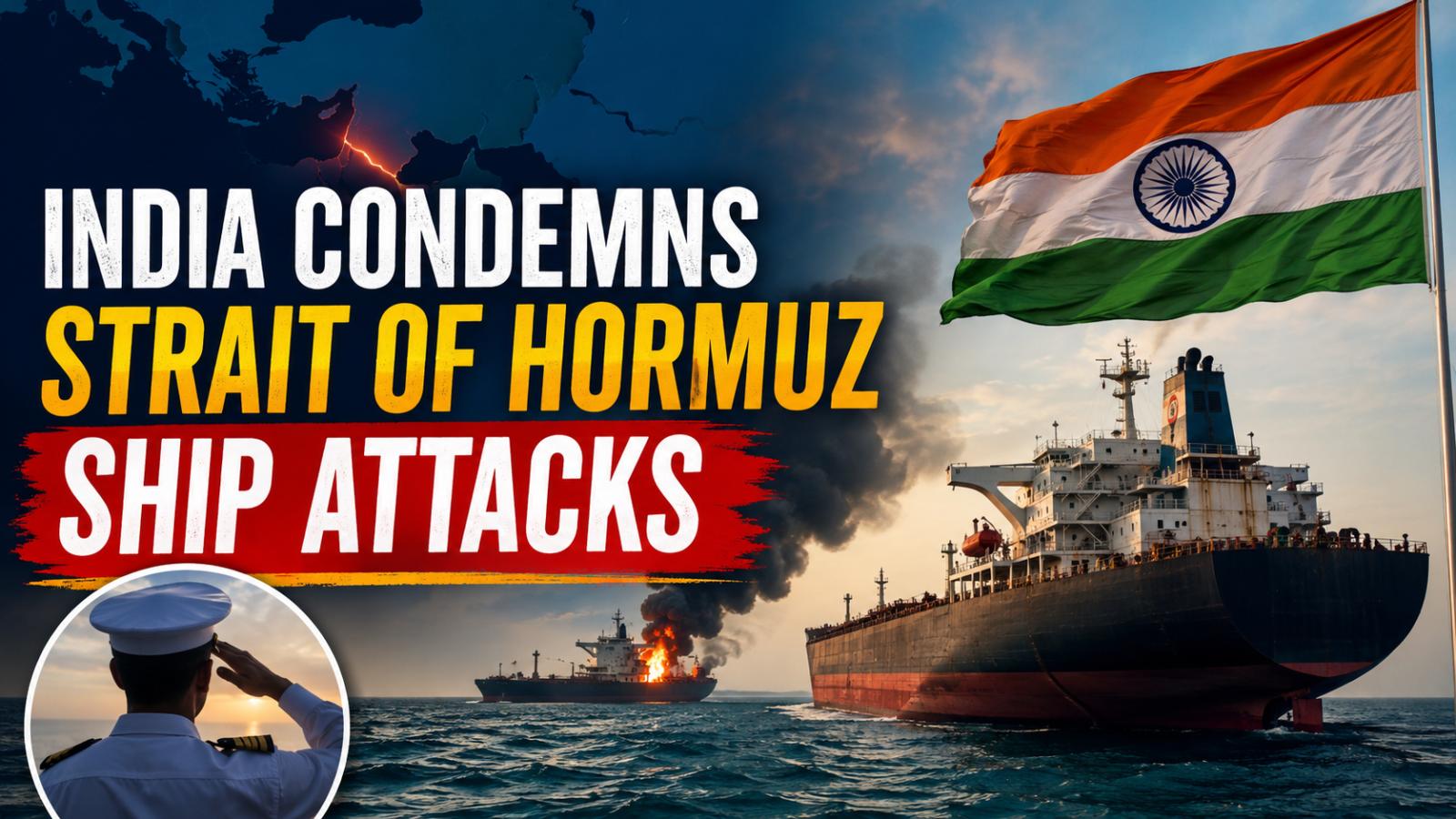
India has strongly condemned the Strait of Hormuz attacks on two commercial vessels that killed an Indian sailor and injured several crew members. New Delhi lodged a diplomatic protest and demanded an immediate end to attacks threatening shipping safety, maritime trade and stability across West Asia.
India condemns Strait of Hormuz attacks
The Ministry of External Affairs said on Tuesday, July 14, that violence
India has strongly condemned the Strait of Hormuz attacks on two commercial vessels that killed an Indian sailor and injured several crew members. New Delhi lodged a diplomatic protest and demanded an immediate end to attacks threatening shipping safety, maritime trade and stability across West Asia.
India condemns Strait of Hormuz attacks
The Ministry of External Affairs said on Tuesday, July 14, that violence
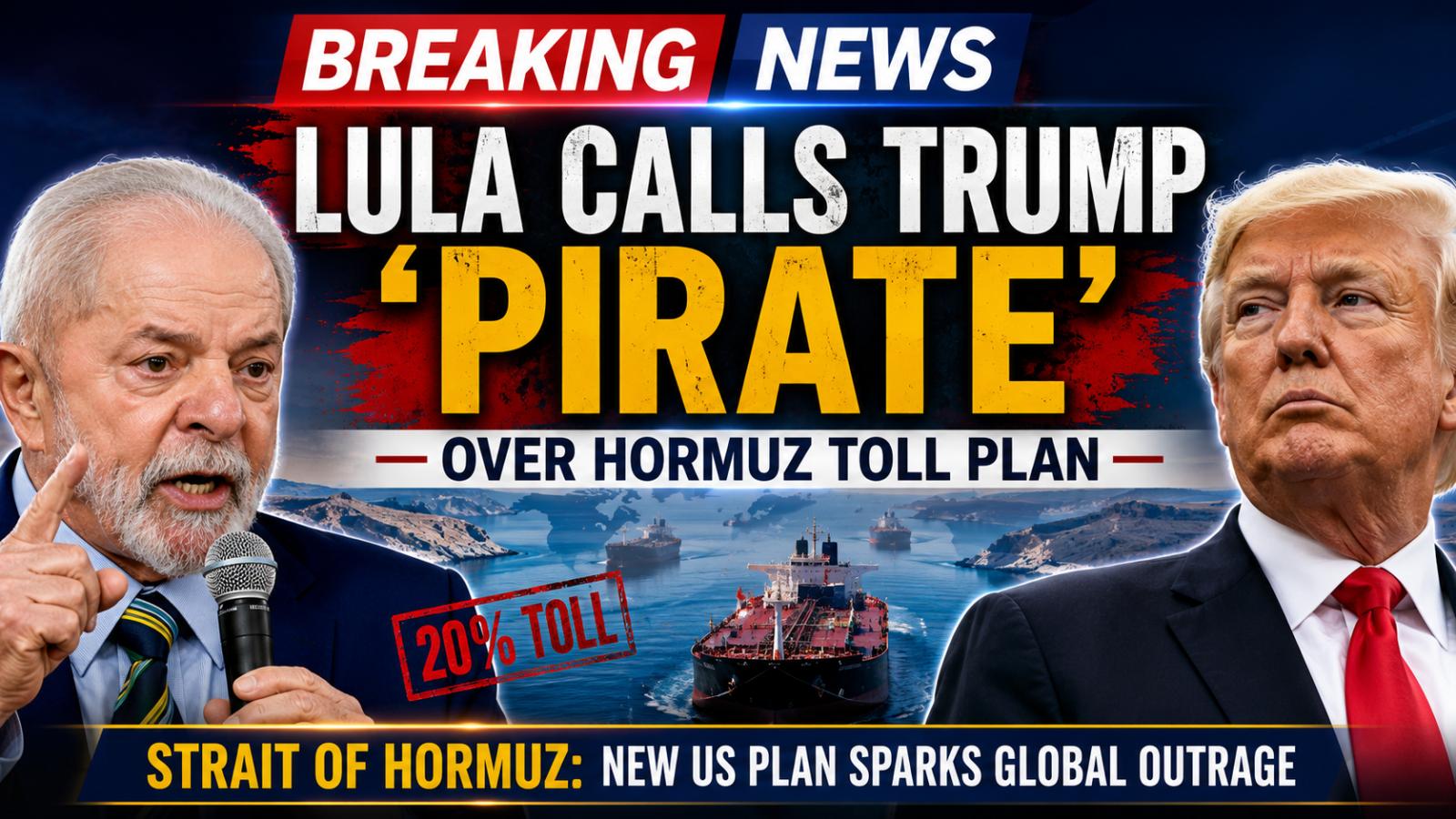
Brazilian President Luiz Inácio Lula da Silva has strongly criticized President Donald Trump's proposal to charge commercial ships a 20 percent toll for transiting the Strait of Hormuz, describing the idea as an act of piracy rather than international leadership. Lula's comments came after Trump announced that the United States would become the "Guardian of the Hormuz Strait" and begin collecting transit fees from vessels using one of the world's busie
Brazilian President Luiz Inácio Lula da Silva has strongly criticized President Donald Trump's proposal to charge commercial ships a 20 percent toll for transiting the Strait of Hormuz, describing the idea as an act of piracy rather than international leadership. Lula's comments came after Trump announced that the United States would become the "Guardian of the Hormuz Strait" and begin collecting transit fees from vessels using one of the world's busie
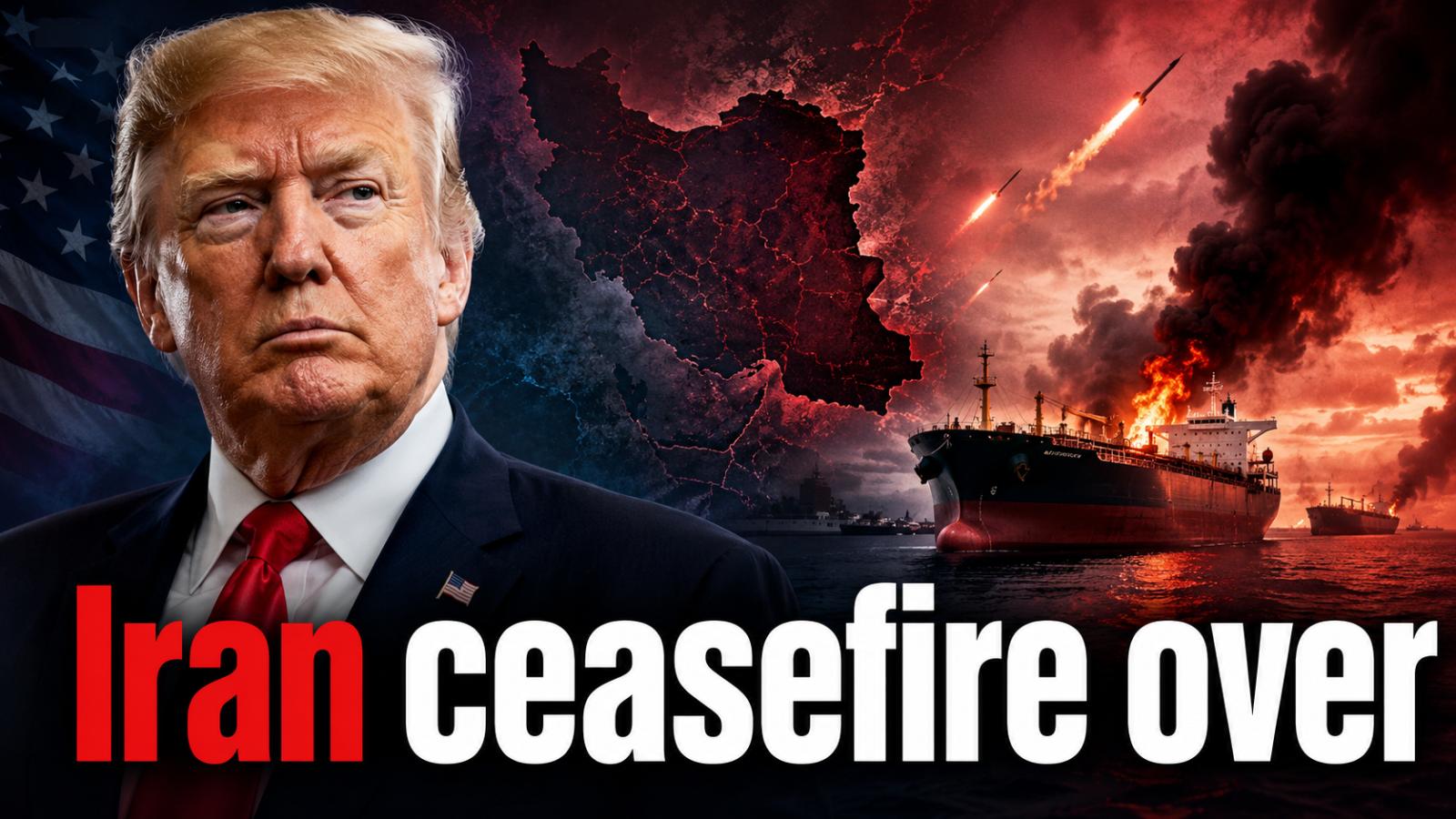
US President Donald Trump has said the Iran ceasefire is no longer in place, sharply raising tensions between Washington and Tehran after fresh violence around the Strait of Hormuz. His comments came during the NATO summit in Turkey, where the Middle East crisis became one of the main security issues facing global leaders.
The latest escalation followed attacks on commercial vessels in the Strait of Hormuz, a narrow but highly important se
US President Donald Trump has said the Iran ceasefire is no longer in place, sharply raising tensions between Washington and Tehran after fresh violence around the Strait of Hormuz. His comments came during the NATO summit in Turkey, where the Middle East crisis became one of the main security issues facing global leaders.
The latest escalation followed attacks on commercial vessels in the Strait of Hormuz, a narrow but highly important se
US strikes Iranian targets after ship attacks
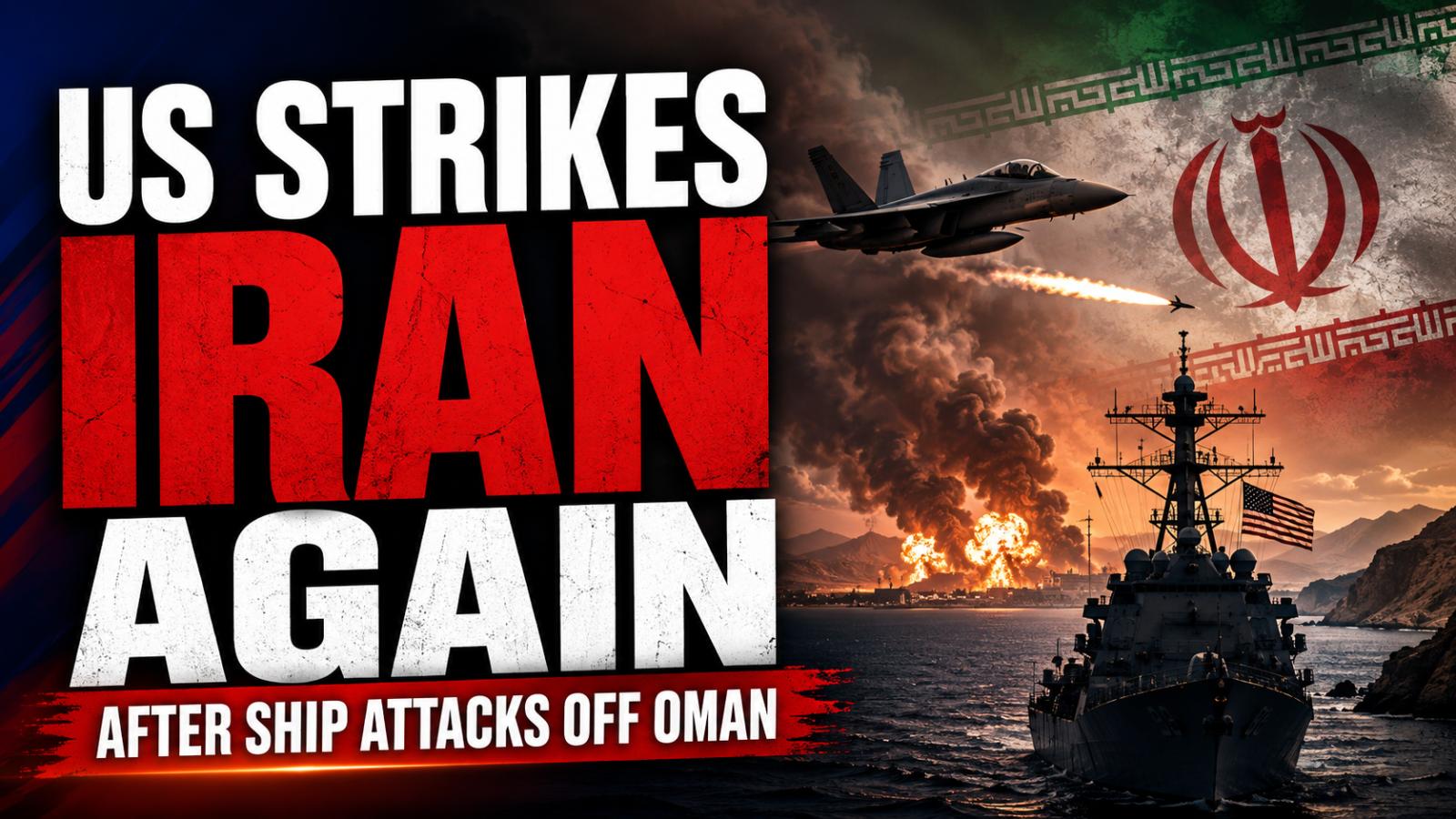
The United States military launched a fresh wave of strikes against Iranian targets early Wednesday after three merchant vessels were attacked in waters near Oman, according to US Central Command. CENTCOM said the strikes were intended to impose heavy costs for attacks on commercial shipping and civilian crews in an intern
US strikes Iranian targets after ship attacks
The United States military launched a fresh wave of strikes against Iranian targets early Wednesday after three merchant vessels were attacked in waters near Oman, according to US Central Command. CENTCOM said the strikes were intended to impose heavy costs for attacks on commercial shipping and civilian crews in an intern
US ends Iran oil authorisation
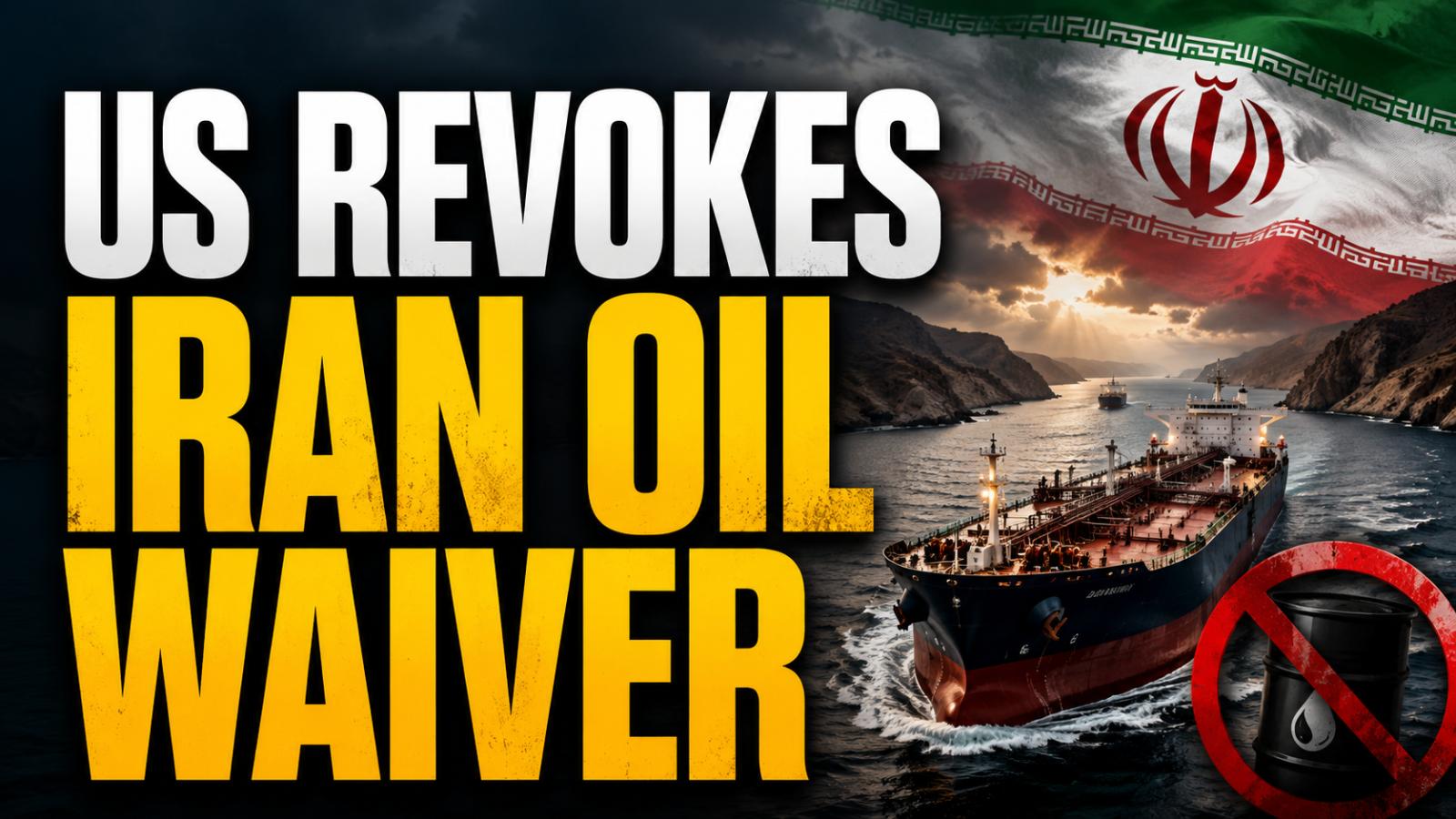
The United States has revoked a temporary licence that had allowed certain transactions involving Iranian-origin crude oil, petroleum products and petrochemical products, tightening pressure on Tehran after tanker attacks near the Strait of Hormuz. A US official said Iran’s actions in the strategic waterway were “wholly unacceptable??
US ends Iran oil authorisation
The United States has revoked a temporary licence that had allowed certain transactions involving Iranian-origin crude oil, petroleum products and petrochemical products, tightening pressure on Tehran after tanker attacks near the Strait of Hormuz. A US official said Iran’s actions in the strategic waterway were “wholly unacceptable??
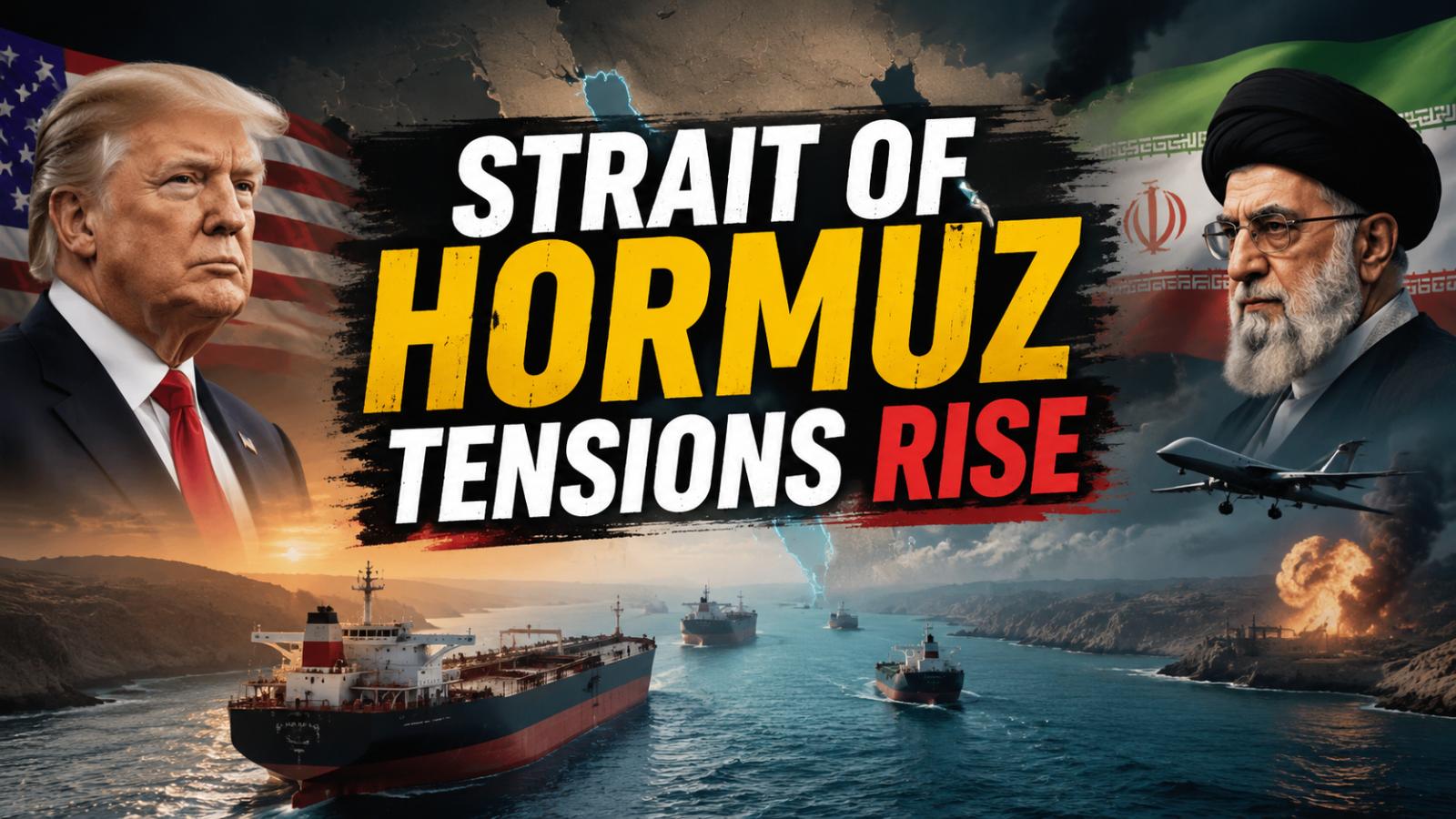
Tensions around the Strait of Hormuz have increased again after a mix of political remarks and renewed security incidents in the Gulf region. The strategic waterway, which carries a significant share of global oil shipments, has once again become a focal point as diplomatic relations between the United States and Iran remain unstable.
Recent political commentary from US circles, including remarks linked to Hunter Biden on social media, has add
Tensions around the Strait of Hormuz have increased again after a mix of political remarks and renewed security incidents in the Gulf region. The strategic waterway, which carries a significant share of global oil shipments, has once again become a focal point as diplomatic relations between the United States and Iran remain unstable.
Recent political commentary from US circles, including remarks linked to Hunter Biden on social media, has add
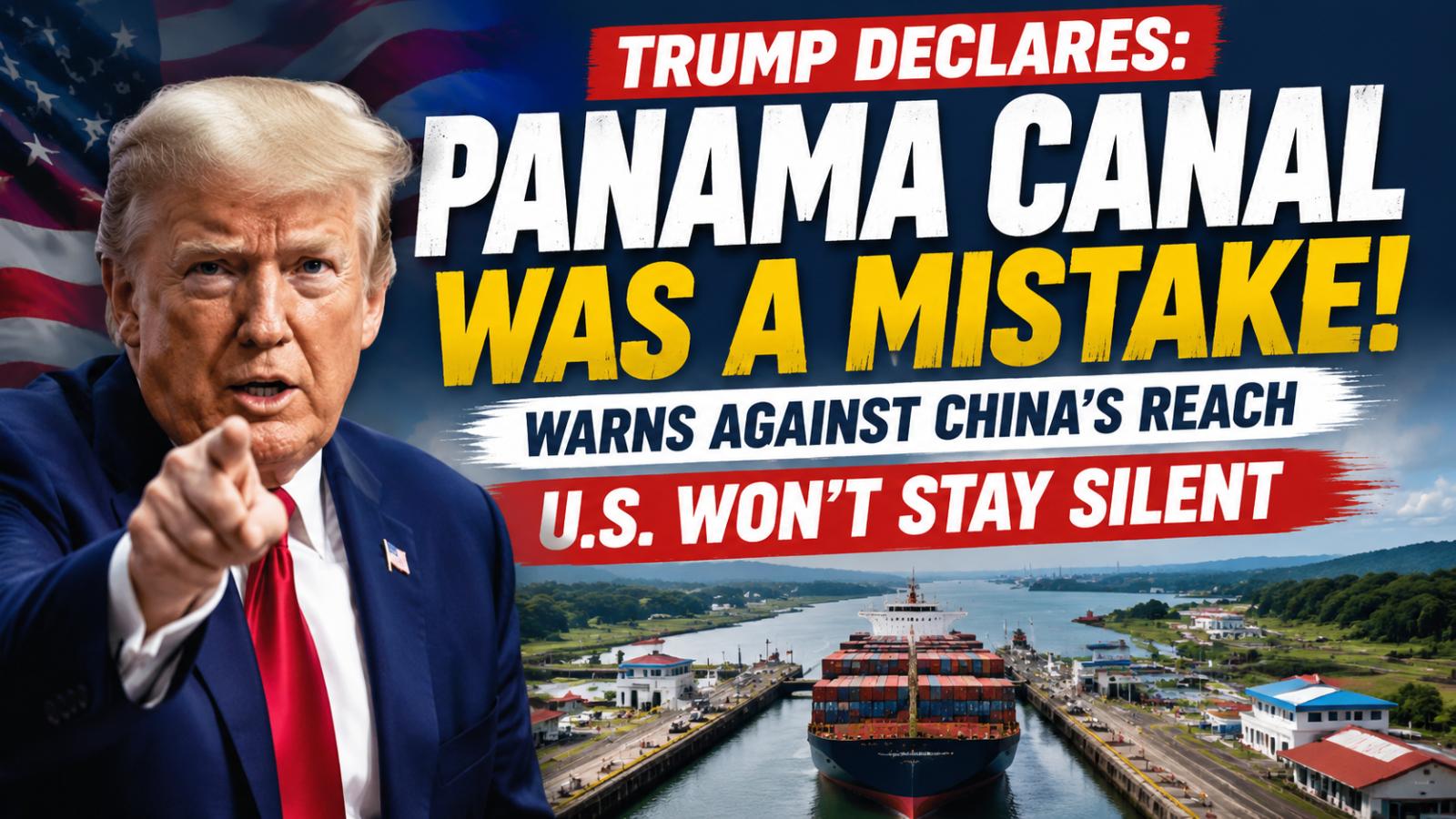
Trump revisits Panama Canal transfer decision
President Donald Trump has stated that the United States should never have transferred control of the Panama Canal to Panama, arguing that the decision has led to rising transit fees and potential geopolitical risks. Speaking at the opening of the Theodore Roosevelt Presidential Library in Medora, he criticised the 1977 agreement that eventually led to the full handover of the canal in 1999.
Trump revisits Panama Canal transfer decision
President Donald Trump has stated that the United States should never have transferred control of the Panama Canal to Panama, arguing that the decision has led to rising transit fees and potential geopolitical risks. Speaking at the opening of the Theodore Roosevelt Presidential Library in Medora, he criticised the 1977 agreement that eventually led to the full handover of the canal in 1999.