The global AI competition is no longer limited to a simple US versus China narrative. The landscape is expanding into a wider system where multiple countries, companies, and open-source communities are influencing how artificial intelligence is built and deployed. Earlier assumptions that a small group of American tech giants control AI progress are now being questioned as new model ecosystems grow rapidly across regions.
For many years, US technology companies held a clear advantag
The global AI competition is no longer limited to a simple US versus China narrative. The landscape is expanding into a wider system where multiple countries, companies, and open-source communities are influencing how artificial intelligence is built and deployed. Earlier assumptions that a small group of American tech giants control AI progress are now being questioned as new model ecosystems grow rapidly across regions.
For many years, US technology companies held a clear advantag
Undersea cables are the hidden reason most of the world stays connected online. The internet does not mainly travel through satellites. It travels through submarine fiber cables placed deep under the ocean. These ocean internet cables connect countries, data centers, banks, cloud services, stock markets and normal users. When you send a message, watch a video or open a foreign website, your data often travels through undersea internet cables in seconds.
What are undersea in
Undersea cables are the hidden reason most of the world stays connected online. The internet does not mainly travel through satellites. It travels through submarine fiber cables placed deep under the ocean. These ocean internet cables connect countries, data centers, banks, cloud services, stock markets and normal users. When you send a message, watch a video or open a foreign website, your data often travels through undersea internet cables in seconds.
What are undersea in
The United States is stepping up its focus on quantum computing as governments and private companies race to control the next major shift in computing power. The strategy combines research funding, national security planning, and stronger digital defense systems designed to prepare for future computational threats.
Rather than treating quantum computing as a distant research topic, policymakers are now positioning it as a strategic infrastructure priority. The direction signals a broader effort to maintain technological leadership in areas where classical computing is approaching its limits.
Big tech and government alignment
Federal agencies are increasingly coordinating with major technology companies including IBM, Microsoft, and Google, all of which are actively building experimental quantum systems. These companies are exploring how quantum processors could eventually solve complex optimization, material science, and cryptography-related problems that are currently impractical for classical machines.
The collaboration is not just scientific. It reflects a competitive global environment where control over advanced computing could influence national security, economic strength, and cybersecurity resilience.
Why qubits change the computing model
Unlike traditional computers that process data in binary form, quantum systems rely on qubits. These units can exist in multiple states simultaneously, enabling different types of computation through principles such as superposition and entanglement.
In theory, this allows quantum systems to evaluate a vast number of possibilities at once. However, real-world systems remain extremely fragile, expensive, and difficult to scale. Most current machines operate in controlled laboratory environments rather than practical deployment settings.
Cybersecurity pressure is rising
One of the biggest drivers behind quantum investment is its impact on encryption. Modern security systems depend on mathematical problems that are extremely difficult for classical computers to solve. Quantum algorithms, in the long term, could potentially break some of these systems.
This risk is pushing governments toward post-quantum cryptography standards developed by research bodies such as NIST. These new encryption models are designed to remain secure even against quantum-level computational attacks.
Long road to practical systems
Despite rapid progress, fully functional large-scale quantum computers are still years away. Challenges include error correction, stability, and hardware scaling. Researchers agree that meaningful commercial use is still in early stages.
Even so, the strategic push continues because early leadership in quantum infrastructure could determine future advantages in defense, intelligence, and advanced science applications.
The current phase is less about immediate transformation and more about positioning for a technological shift that could redefine computing over the next decade.
The United States is stepping up its focus on quantum computing as governments and private companies race to control the next major shift in computing power. The strategy combines research funding, national security planning, and stronger digital defense systems designed to prepare for future computational threats.
Rather than treating quantum computing as a distant research topic, policymakers are now positioning it as a strategic infrastructure priority. The direction signals a broader effort to maintain technological leadership in areas where classical computing is approaching its limits.
Big tech and government alignment
Federal agencies are increasingly coordinating with major technology companies including IBM, Microsoft, and Google, all of which are actively building experimental quantum systems. These companies are exploring how quantum processors could eventually solve complex optimization, material science, and cryptography-related problems that are currently impractical for classical machines.
The collaboration is not just scientific. It reflects a competitive global environment where control over advanced computing could influence national security, economic strength, and cybersecurity resilience.
Why qubits change the computing model
Unlike traditional computers that process data in binary form, quantum systems rely on qubits. These units can exist in multiple states simultaneously, enabling different types of computation through principles such as superposition and entanglement.
In theory, this allows quantum systems to evaluate a vast number of possibilities at once. However, real-world systems remain extremely fragile, expensive, and difficult to scale. Most current machines operate in controlled laboratory environments rather than practical deployment settings.
Cybersecurity pressure is rising
One of the biggest drivers behind quantum investment is its impact on encryption. Modern security systems depend on mathematical problems that are extremely difficult for classical computers to solve. Quantum algorithms, in the long term, could potentially break some of these systems.
This risk is pushing governments toward post-quantum cryptography standards developed by research bodies such as NIST. These new encryption models are designed to remain secure even against quantum-level computational attacks.
Long road to practical systems
Despite rapid progress, fully functional large-scale quantum computers are still years away. Challenges include error correction, stability, and hardware scaling. Researchers agree that meaningful commercial use is still in early stages.
Even so, the strategic push continues because early leadership in quantum infrastructure could determine future advantages in defense, intelligence, and advanced science applications.
The current phase is less about immediate transformation and more about positioning for a technological shift that could redefine computing over the next decade.
The United Arab Emirates has announced new restrictions preventing children under the age of 15 from creating, using or operating personal accounts on social media platforms. The measure is part of a broader effort to strengthen online safety and reduce children’s exposure to cyberbullying, harmful material, privacy risks and contact with unknown users.
Under the cabinet resolution, social media companies operating in the UAE will receive a 12-month compliance period. Platforms th
The United Arab Emirates has announced new restrictions preventing children under the age of 15 from creating, using or operating personal accounts on social media platforms. The measure is part of a broader effort to strengthen online safety and reduce children’s exposure to cyberbullying, harmful material, privacy risks and contact with unknown users.
Under the cabinet resolution, social media companies operating in the UAE will receive a 12-month compliance period. Platforms th
Massive AI Deal Reshapes Silicon Valley Wealth Landscape
A high-value acquisition involving Elon Musk’s SpaceX has triggered a major wealth shift in the global tech ecosystem. The company has reportedly acquired Anysphere, the parent of AI coding platform Cursor, in a $60 billion all-stock transaction. The deal has instantly pushed key founders and early stakeholders into billionaire status, marking one of
Massive AI Deal Reshapes Silicon Valley Wealth Landscape
A high-value acquisition involving Elon Musk’s SpaceX has triggered a major wealth shift in the global tech ecosystem. The company has reportedly acquired Anysphere, the parent of AI coding platform Cursor, in a $60 billion all-stock transaction. The deal has instantly pushed key founders and early stakeholders into billionaire status, marking one of
Anthropic has said it will disable access to its advanced AI models Fable 5 and Mythos 5 for all users after receiving a US government order restricting access for foreign nationals. The directive cited national security concerns, but the company said it was not given detailed evidence explaining the specific threat.
The decision affects two of Anthropic’s most powerful AI systems and comes shortly after the launch of Claude Fable 5, whi
Anthropic has said it will disable access to its advanced AI models Fable 5 and Mythos 5 for all users after receiving a US government order restricting access for foreign nationals. The directive cited national security concerns, but the company said it was not given detailed evidence explaining the specific threat.
The decision affects two of Anthropic’s most powerful AI systems and comes shortly after the launch of Claude Fable 5, whi
Denmark’s plan to restrict social media access for children has become a major talking point after Prime Minister Mette Frederiksen made a controversial comparison between children’s social media use and smoking. Her remark triggered strong reactions online, but it also pushed an important question into the spotlight: how far should governments go to protect children from harmful digital spaces?
The debate is linked to Denmark’s proposal to stop children under 15 from using so
Denmark’s plan to restrict social media access for children has become a major talking point after Prime Minister Mette Frederiksen made a controversial comparison between children’s social media use and smoking. Her remark triggered strong reactions online, but it also pushed an important question into the spotlight: how far should governments go to protect children from harmful digital spaces?
The debate is linked to Denmark’s proposal to stop children under 15 from using so
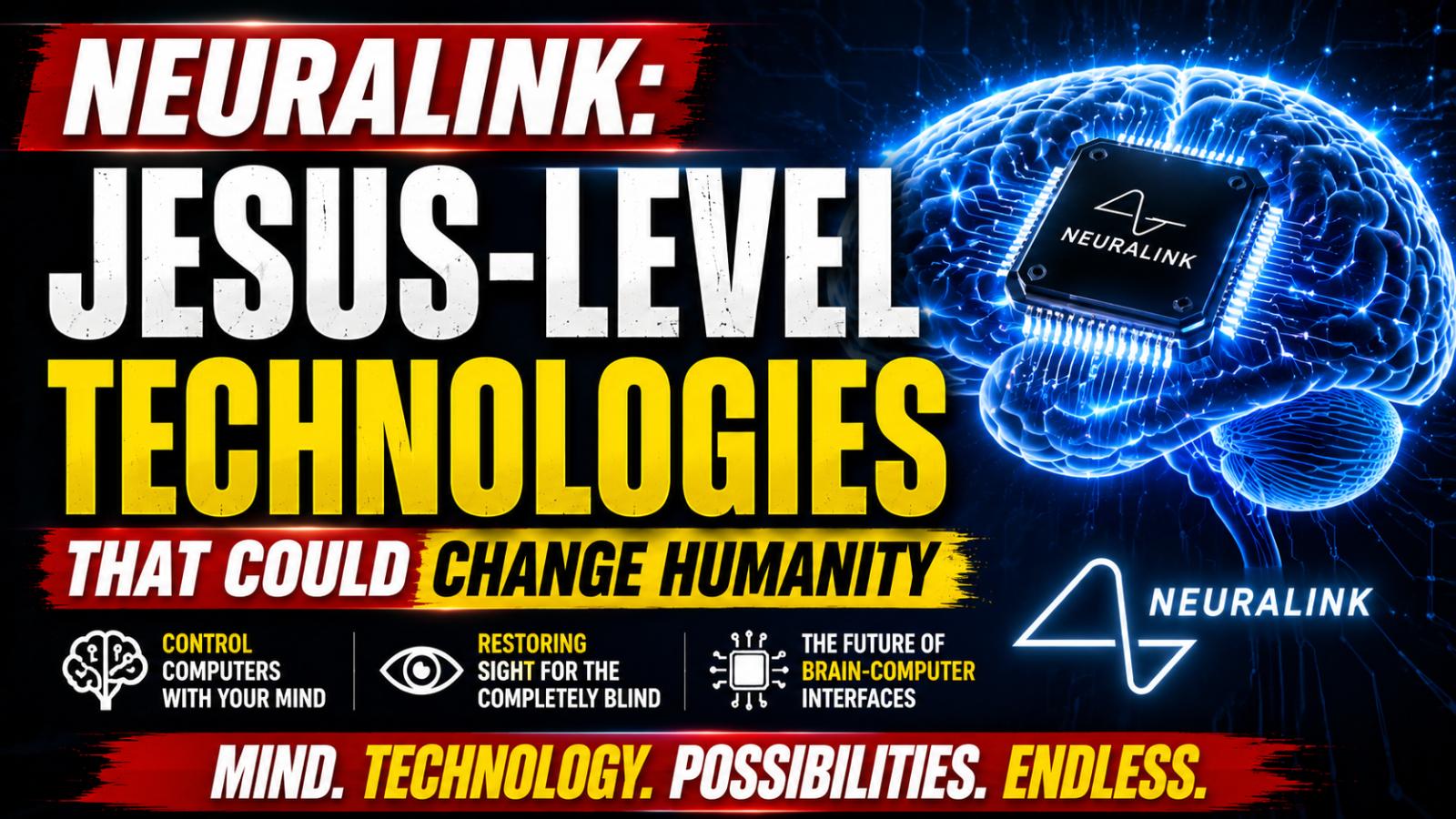
Elon Musk Calls Neuralink “Jesus-Level Technology”
Tech entrepreneur Elon Musk praised his company Neuralink on Sunday, May 24, describing its brain-chip technology as “Jesus-level technologies” for its ability to enable mind-controlled computing and potentially restore vision to the completely blind. Musk shared his remarks on X, highlighting Neuralink’s achievements in brain-computer interface (BCI) development.
Elon Musk Calls Neuralink “Jesus-Level Technology”
Tech entrepreneur Elon Musk praised his company Neuralink on Sunday, May 24, describing its brain-chip technology as “Jesus-level technologies” for its ability to enable mind-controlled computing and potentially restore vision to the completely blind. Musk shared his remarks on X, highlighting Neuralink’s achievements in brain-computer interface (BCI) development.
SpaceX Scrubs Starship V3 Launch After Fueling
SpaceX postponed the launch of its massive Starship V3 rocket on Thursday after the spacecraft had already been fully fueled at the company’s Starbase facility in southern Texas. A 90-minute launch window opened at 6:30 p.m. ET, but the rocket did not lift off. During the company’s live broadcast, SpaceX hosts said the vehicle had been fully loaded before the launch was offi
SpaceX Scrubs Starship V3 Launch After Fueling
SpaceX postponed the launch of its massive Starship V3 rocket on Thursday after the spacecraft had already been fully fueled at the company’s Starbase facility in southern Texas. A 90-minute launch window opened at 6:30 p.m. ET, but the rocket did not lift off. During the company’s live broadcast, SpaceX hosts said the vehicle had been fully loaded before the launch was offi
SpaceX is preparing to launch Starship Flight 12 from Starbase in South Texas, with liftoff scheduled during a window opening at 5:30 p.m. CT on Thursday, May 21, 2026. For India-based viewers, that is 4:00 a.m. IST on Friday, May 22, 2026.
The uncrewed test flight will mark the debut of Starship Version 3, the next major redesign of SpaceX’s fully reusable rocket system. Starship includes the Super Heavy booster and the Starship upper-stage vehicle, which SpaceX is developing to
SpaceX is preparing to launch Starship Flight 12 from Starbase in South Texas, with liftoff scheduled during a window opening at 5:30 p.m. CT on Thursday, May 21, 2026. For India-based viewers, that is 4:00 a.m. IST on Friday, May 22, 2026.
The uncrewed test flight will mark the debut of Starship Version 3, the next major redesign of SpaceX’s fully reusable rocket system. Starship includes the Super Heavy booster and the Starship upper-stage vehicle, which SpaceX is developing to
SpaceX has officially submitted its initial public offering (IPO), targeting a valuation exceeding $80 billion. The filing outlines the company’s board structure, revenue performance, Starlink broadband expansion, and upcoming orbital AI projects. This IPO is positioned to be among the largest in history, aiming to surpass previous records in the aerospace and tech sector.
Massive Market Opportunity for SpaceX
The comp
SpaceX has officially submitted its initial public offering (IPO), targeting a valuation exceeding $80 billion. The filing outlines the company’s board structure, revenue performance, Starlink broadband expansion, and upcoming orbital AI projects. This IPO is positioned to be among the largest in history, aiming to surpass previous records in the aerospace and tech sector.
Massive Market Opportunity for SpaceX
The comp
Nokia was once the king of mobile phones, dominating the market with its pioneering mobile innovations. Introduced in 1992, Nokia’s first GSM mobile phone marked the beginning of the company’s rise as a leader in mobile technology. By the late 1990s and early 2000s, Nokia had captured over 40% of the global market share, securing its position as the world’s largest mobile phone manufacturer.
Iconic models and global expansion
Nokia’s su
Nokia was once the king of mobile phones, dominating the market with its pioneering mobile innovations. Introduced in 1992, Nokia’s first GSM mobile phone marked the beginning of the company’s rise as a leader in mobile technology. By the late 1990s and early 2000s, Nokia had captured over 40% of the global market share, securing its position as the world’s largest mobile phone manufacturer.
Iconic models and global expansion
Nokia’s su
A growing cab safety warning is urging passengers to check the number plate, driver identity and vehicle details before entering any app-booked ride.
Safety advocates say a mismatch between the vehicle that arrives and the details shown in the ride-hailing app can create serious risks for passengers, especially during solo or late-night travel.
What Happens If Cab Details Do Not Match?
If the cab number, model or driver profile does not match the app, the ride may not be properly linked to the original booking. That can affect GPS tracking, route monitoring, driver verification and emergency support.
Passenger safety experts warn that entering an unverified vehicle can also make it harder for platforms to investigate complaints or confirm trip records if something goes wrong.
Insurance And Tracking Concerns
Transportation analysts say insurance complications may arise when a passenger travels in a vehicle that is not officially connected to the booking. In such cases, the ride may not be fully traceable through the platform’s records.
The warning is not meant to create fear, but to encourage simple checks before boarding.
What Passengers Should Do Before Boarding
Passengers should confirm the registration number, driver name, vehicle model and live trip status inside the app. They should also share live location with a trusted contact and cancel the ride if any detail appears suspicious.
Watch: One Small Cab Mistake Can Turn Dangerous Fast
This safety-awareness reel explains why passengers should verify cab number plates, driver details and ride information before entering any app-booked vehicle.
Safety campaigners say one quick number plate check can prevent passengers from entering the wrong cab and reduce risks linked to fake taxi pickups, route mismatch and unverified drivers.
A growing cab safety warning is urging passengers to check the number plate, driver identity and vehicle details before entering any app-booked ride.
Safety advocates say a mismatch between the vehicle that arrives and the details shown in the ride-hailing app can create serious risks for passengers, especially during solo or late-night travel.
What Happens If Cab Details Do Not Match?
If the cab number, model or driver profile does not match the app, the ride may not be properly linked to the original booking. That can affect GPS tracking, route monitoring, driver verification and emergency support.
Passenger safety experts warn that entering an unverified vehicle can also make it harder for platforms to investigate complaints or confirm trip records if something goes wrong.
Insurance And Tracking Concerns
Transportation analysts say insurance complications may arise when a passenger travels in a vehicle that is not officially connected to the booking. In such cases, the ride may not be fully traceable through the platform’s records.
The warning is not meant to create fear, but to encourage simple checks before boarding.
What Passengers Should Do Before Boarding
Passengers should confirm the registration number, driver name, vehicle model and live trip status inside the app. They should also share live location with a trusted contact and cancel the ride if any detail appears suspicious.
Watch: One Small Cab Mistake Can Turn Dangerous Fast
This safety-awareness reel explains why passengers should verify cab number plates, driver details and ride information before entering any app-booked vehicle.
Safety campaigners say one quick number plate check can prevent passengers from entering the wrong cab and reduce risks linked to fake taxi pickups, route mismatch and unverified drivers.
Google warned on Monday, May 12, 2026, that hackers attempted to use artificial intelligence tools to plan a large-scale zero-day cyberattack capable of bypassing two-factor authentication systems.
The company’s Threat Intelligence Group (GTIG) said it has “high confidence” that cybercriminals used advanced AI models to identify and exploit an undisclosed software vulnerability before developers became aware of it.
Officials said Google’s proactive discovery may have stopped what could have become a “mass vulnerability exploitation operation.”
AI Security Threats Raise Industry Alarm
The report highlights growing fears that AI-powered hacking tools are accelerating cyber threats against businesses, government agencies, and critical digital infrastructure worldwide.
Google clarified that its own Gemini AI model was not involved. However, investigators found evidence that hackers were using publicly available AI systems, including OpenClaw, to discover software flaws, develop malware, and automate cyberattacks.
Security analysts say AI-driven vulnerability discovery could dramatically reduce the time hackers need to launch sophisticated attacks.
OpenAI and Anthropic Also Tighten Security
The findings come as major AI companies increase restrictions on powerful cybersecurity-focused models.
Last week, OpenAI announced limited access to GPT-5.5-Cyber for vetted security teams, while Anthropic previously delayed the release of its Mythos model over fears criminals could exploit older software vulnerabilities.
According to Google, cyber groups linked to China and North Korea showed “significant interest” in using AI for vulnerability discovery and cyber operations, signaling a rapidly evolving global cybersecurity threat landscape.
Google warned on Monday, May 12, 2026, that hackers attempted to use artificial intelligence tools to plan a large-scale zero-day cyberattack capable of bypassing two-factor authentication systems.
The company’s Threat Intelligence Group (GTIG) said it has “high confidence” that cybercriminals used advanced AI models to identify and exploit an undisclosed software vulnerability before developers became aware of it.
Officials said Google’s proactive discovery may have stopped what could have become a “mass vulnerability exploitation operation.”
AI Security Threats Raise Industry Alarm
The report highlights growing fears that AI-powered hacking tools are accelerating cyber threats against businesses, government agencies, and critical digital infrastructure worldwide.
Google clarified that its own Gemini AI model was not involved. However, investigators found evidence that hackers were using publicly available AI systems, including OpenClaw, to discover software flaws, develop malware, and automate cyberattacks.
Security analysts say AI-driven vulnerability discovery could dramatically reduce the time hackers need to launch sophisticated attacks.
OpenAI and Anthropic Also Tighten Security
The findings come as major AI companies increase restrictions on powerful cybersecurity-focused models.
Last week, OpenAI announced limited access to GPT-5.5-Cyber for vetted security teams, while Anthropic previously delayed the release of its Mythos model over fears criminals could exploit older software vulnerabilities.
According to Google, cyber groups linked to China and North Korea showed “significant interest” in using AI for vulnerability discovery and cyber operations, signaling a rapidly evolving global cybersecurity threat landscape.
Hackers claim to leak thousands of records
A hacker group reportedly linked to Iran has claimed responsibility for leaking sensitive personal data of thousands of US Marines deployed in West Asia, triggering an investigation by the US Department of Defense. Reports indicate that the breach involved the release of names and personal details belonging to more than 2,000 Marines, raising serious concerns about military cybersecurity and operational safety.
According to The Wall Street Journal, the leaked dataset included records of over 2,000 personnel, while another report suggested the number could be as high as 2,379. The group claiming responsibility has been identified as Handala, also known as Hanzala, which has previously been associated with cyber activities targeting Western interests.
Details of leaked information and surveillance claims
The hackers reportedly published the data on a channel on Telegram, presenting it as proof of their surveillance capabilities. The exposed information allegedly includes names and potentially other identifying details of US Marines stationed in the region. Reports also indicate that US troops received warning messages via WhatsApp, claiming they were being monitored and could be targeted.
The group further asserted that it possesses additional sensitive data, including home addresses, family details, and daily routines of American personnel. It warned that more information could be released in the future, escalating concerns about the safety of military members and their families.
Rising geopolitical tensions amplify cybersecurity risks
The reported breach comes amid heightened tensions between the United States and Iran. The incident underscores growing cybersecurity threats tied to geopolitical rivalries, particularly in regions where US forces are actively deployed. Analysts say such cyber operations can serve both as intelligence-gathering efforts and psychological pressure tactics.
Trump comments add to diplomatic strain
Amid these developments, Donald Trump commented on relations with Iran, stating that the country had reached out to the United States regarding reopening the Strait of Hormuz. In posts on his social media platform, Trump described Iran as being in a “state of collapse” and criticized its handling of negotiations over a non-nuclear agreement.
The convergence of cyber threats and diplomatic friction highlights the evolving nature of modern conflict, where digital attacks increasingly accompany traditional geopolitical disputes.
Hackers claim to leak thousands of records
A hacker group reportedly linked to Iran has claimed responsibility for leaking sensitive personal data of thousands of US Marines deployed in West Asia, triggering an investigation by the US Department of Defense. Reports indicate that the breach involved the release of names and personal details belonging to more than 2,000 Marines, raising serious concerns about military cybersecurity and operational safety.
According to The Wall Street Journal, the leaked dataset included records of over 2,000 personnel, while another report suggested the number could be as high as 2,379. The group claiming responsibility has been identified as Handala, also known as Hanzala, which has previously been associated with cyber activities targeting Western interests.
Details of leaked information and surveillance claims
The hackers reportedly published the data on a channel on Telegram, presenting it as proof of their surveillance capabilities. The exposed information allegedly includes names and potentially other identifying details of US Marines stationed in the region. Reports also indicate that US troops received warning messages via WhatsApp, claiming they were being monitored and could be targeted.
The group further asserted that it possesses additional sensitive data, including home addresses, family details, and daily routines of American personnel. It warned that more information could be released in the future, escalating concerns about the safety of military members and their families.
Rising geopolitical tensions amplify cybersecurity risks
The reported breach comes amid heightened tensions between the United States and Iran. The incident underscores growing cybersecurity threats tied to geopolitical rivalries, particularly in regions where US forces are actively deployed. Analysts say such cyber operations can serve both as intelligence-gathering efforts and psychological pressure tactics.
Trump comments add to diplomatic strain
Amid these developments, Donald Trump commented on relations with Iran, stating that the country had reached out to the United States regarding reopening the Strait of Hormuz. In posts on his social media platform, Trump described Iran as being in a “state of collapse” and criticized its handling of negotiations over a non-nuclear agreement.
The convergence of cyber threats and diplomatic friction highlights the evolving nature of modern conflict, where digital attacks increasingly accompany traditional geopolitical disputes.
A Kerala-based techie has developed an innovative digital solution to help residents stay informed about power outages in real time. The platform, currentundo.com, has quickly gained attention for its ability to track live outages under the Kerala State Electricity Board, offering a simple and accessible way for users to check electricity disruptions in their area.
The tool was introduced as power cuts continue to be a common concern in several parts of Kerala, often leaving residen
A Kerala-based techie has developed an innovative digital solution to help residents stay informed about power outages in real time. The platform, currentundo.com, has quickly gained attention for its ability to track live outages under the Kerala State Electricity Board, offering a simple and accessible way for users to check electricity disruptions in their area.
The tool was introduced as power cuts continue to be a common concern in several parts of Kerala, often leaving residen
April 28, 2026 | 9:37 AM | Visakhapatnam — Google AI Hub foundation ceremony held at Tarluvada
The Andhra Pradesh government is taking a significant step toward strengthening its position in the technology and artificial intelligence space with the foundation stone laying ceremony of the Google Cloud India AI Hub in Tarluvada, Visakhapatnam district. The event, which
April 28, 2026 | 9:37 AM | Visakhapatnam — Google AI Hub foundation ceremony held at Tarluvada
The Andhra Pradesh government is taking a significant step toward strengthening its position in the technology and artificial intelligence space with the foundation stone laying ceremony of the Google Cloud India AI Hub in Tarluvada, Visakhapatnam district. The event, which
Srinivas Narayanan, an Indian-origin technology leader and Chief Technology Officer of B2B Applications at OpenAI, has announced his decision to step down from his role after a significant three-year tenure. His departure marks the end of a transformative phase during which he played a key role in scaling some of the company’s most widely used products and platforms.
Narayanan shared that he had informed the leadership team earlier this month and would officially leave by the end of next week. Reflecting on his journey, he described his time at OpenAI as an incredible experience, highlighting the rapid pace of innovation and the impact of the work done during this period. He expressed gratitude to key leaders including CEO Sam Altman and co-founder Greg Brockman for their support and leadership.
The decision, according to Narayanan, is driven by personal priorities. He stated that he intends to travel to India to spend time with his ageing parents before making any decisions about his next professional move. His announcement reflects a growing trend among senior professionals prioritizing family and personal well-being alongside demanding corporate careers.
During his tenure, Narayanan led engineering teams responsible for key offerings such as ChatGPT, enterprise APIs, and applied AI systems used globally. His work focused on bridging advanced research with real-world applications, helping scale products to millions of users worldwide.
Before joining OpenAI, Narayanan built an extensive career in the tech industry. He is an alumnus of IIT Madras and holds a master’s degree from the University of Wisconsin-Madison. He began his professional journey at IBM’s Almaden Research Center and later spent over a decade at Meta, where he contributed to major platforms including Facebook Photos and advanced AI-driven systems.
His exit represents a notable leadership change in the AI space, especially at a time when the industry continues to expand rapidly. While his next move remains undecided, his contributions to the evolution of applied artificial intelligence are expected to have a lasting impact.
Srinivas Narayanan, an Indian-origin technology leader and Chief Technology Officer of B2B Applications at OpenAI, has announced his decision to step down from his role after a significant three-year tenure. His departure marks the end of a transformative phase during which he played a key role in scaling some of the company’s most widely used products and platforms.
Narayanan shared that he had informed the leadership team earlier this month and would officially leave by the end of next week. Reflecting on his journey, he described his time at OpenAI as an incredible experience, highlighting the rapid pace of innovation and the impact of the work done during this period. He expressed gratitude to key leaders including CEO Sam Altman and co-founder Greg Brockman for their support and leadership.
The decision, according to Narayanan, is driven by personal priorities. He stated that he intends to travel to India to spend time with his ageing parents before making any decisions about his next professional move. His announcement reflects a growing trend among senior professionals prioritizing family and personal well-being alongside demanding corporate careers.
During his tenure, Narayanan led engineering teams responsible for key offerings such as ChatGPT, enterprise APIs, and applied AI systems used globally. His work focused on bridging advanced research with real-world applications, helping scale products to millions of users worldwide.
Before joining OpenAI, Narayanan built an extensive career in the tech industry. He is an alumnus of IIT Madras and holds a master’s degree from the University of Wisconsin-Madison. He began his professional journey at IBM’s Almaden Research Center and later spent over a decade at Meta, where he contributed to major platforms including Facebook Photos and advanced AI-driven systems.
His exit represents a notable leadership change in the AI space, especially at a time when the industry continues to expand rapidly. While his next move remains undecided, his contributions to the evolution of applied artificial intelligence are expected to have a lasting impact.
The upcoming iPhone 18 Pro is already generating significant buzz ahead of its expected release, with fresh leaks revealing a striking new lineup of colors. Among the most talked-about finishes is the Dark Cherry variant, which is being described as a bold yet elegant addition to Apple’s premium smartphone range. The new shade is expected to bring a refined aesthetic, combining deep red tones with
The upcoming iPhone 18 Pro is already generating significant buzz ahead of its expected release, with fresh leaks revealing a striking new lineup of colors. Among the most talked-about finishes is the Dark Cherry variant, which is being described as a bold yet elegant addition to Apple’s premium smartphone range. The new shade is expected to bring a refined aesthetic, combining deep red tones with
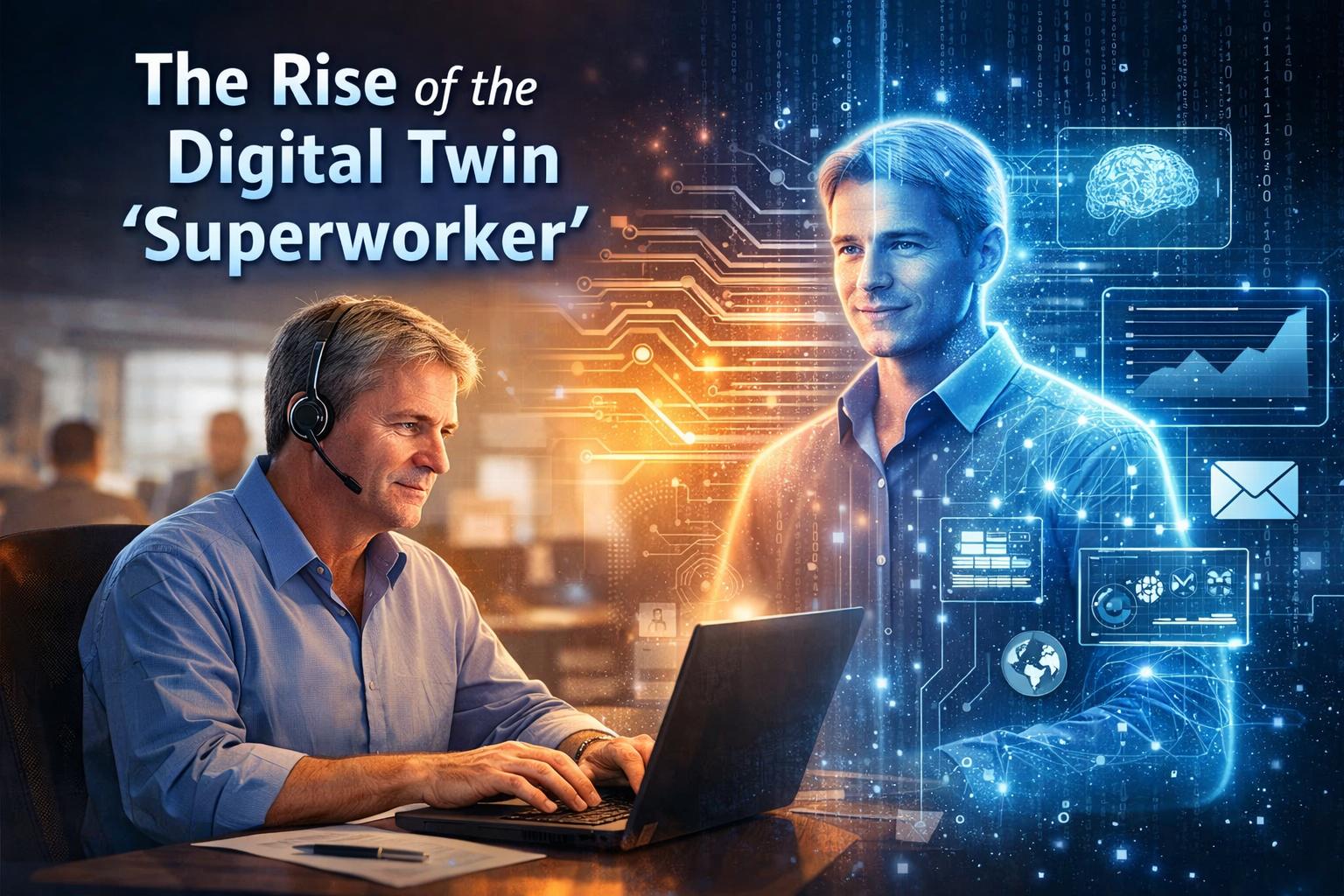
What is a digital twin?
A digital twin is an AI-powered system that replicates a person’s knowledge, behavior, and decision-making using their data. It can assist with tasks, answer questions, and act as a virtual version of an employee.
Digital twin in workplace: the rise of AI ‘superwo
What is a digital twin?
A digital twin is an AI-powered system that replicates a person’s knowledge, behavior, and decision-making using their data. It can assist with tasks, answer questions, and act as a virtual version of an employee.
Digital twin in workplace: the rise of AI ‘superwo